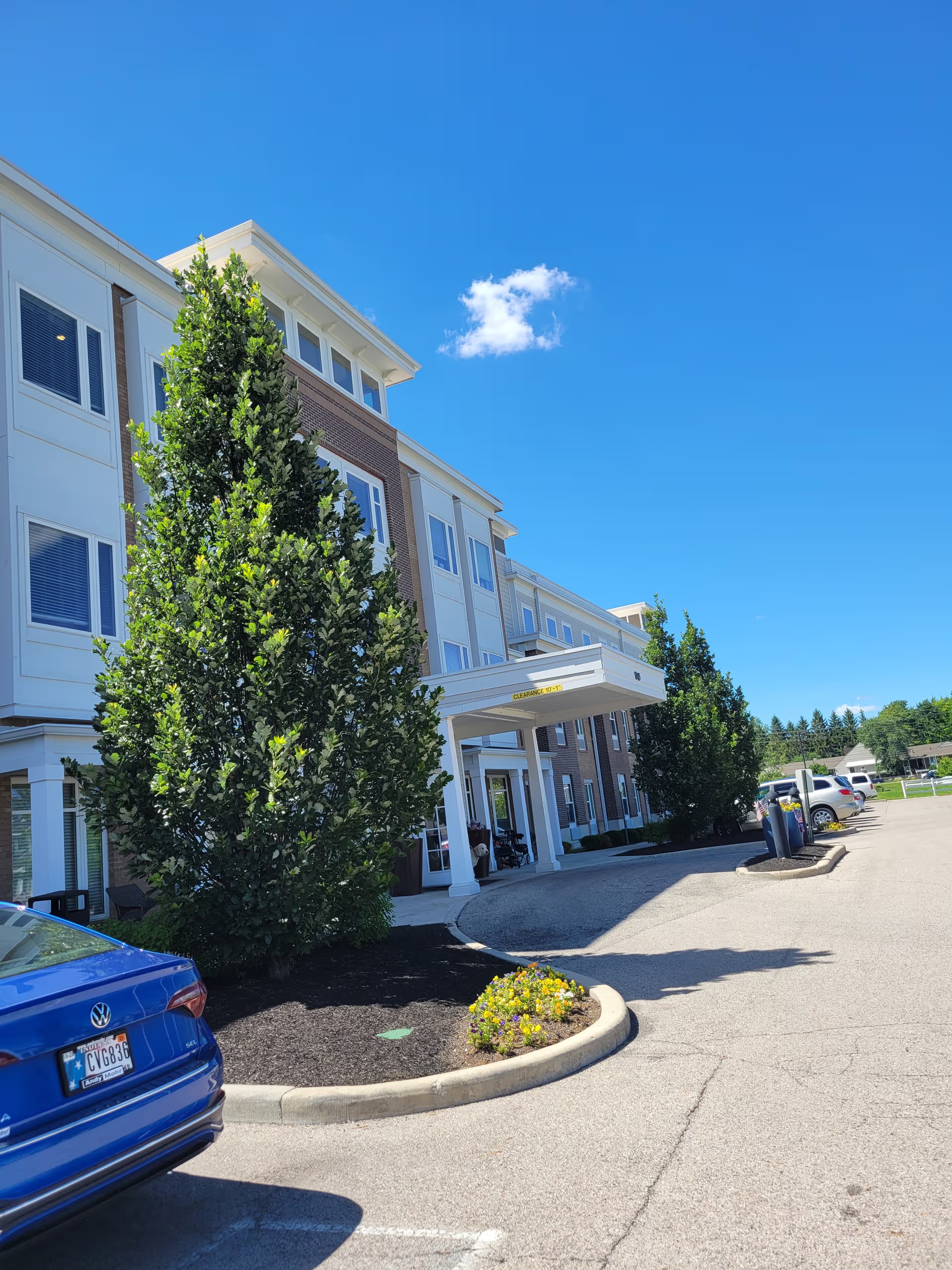
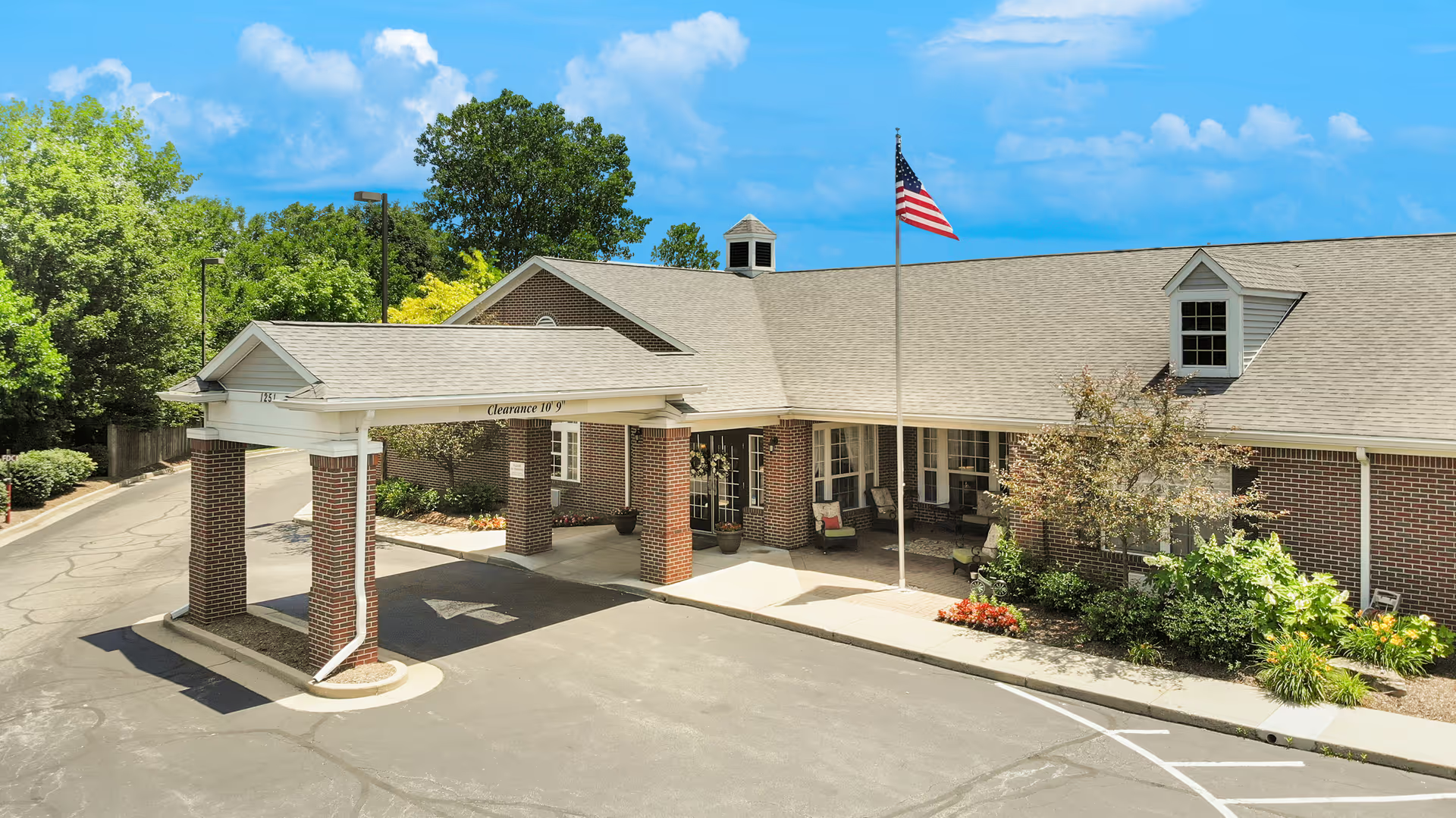
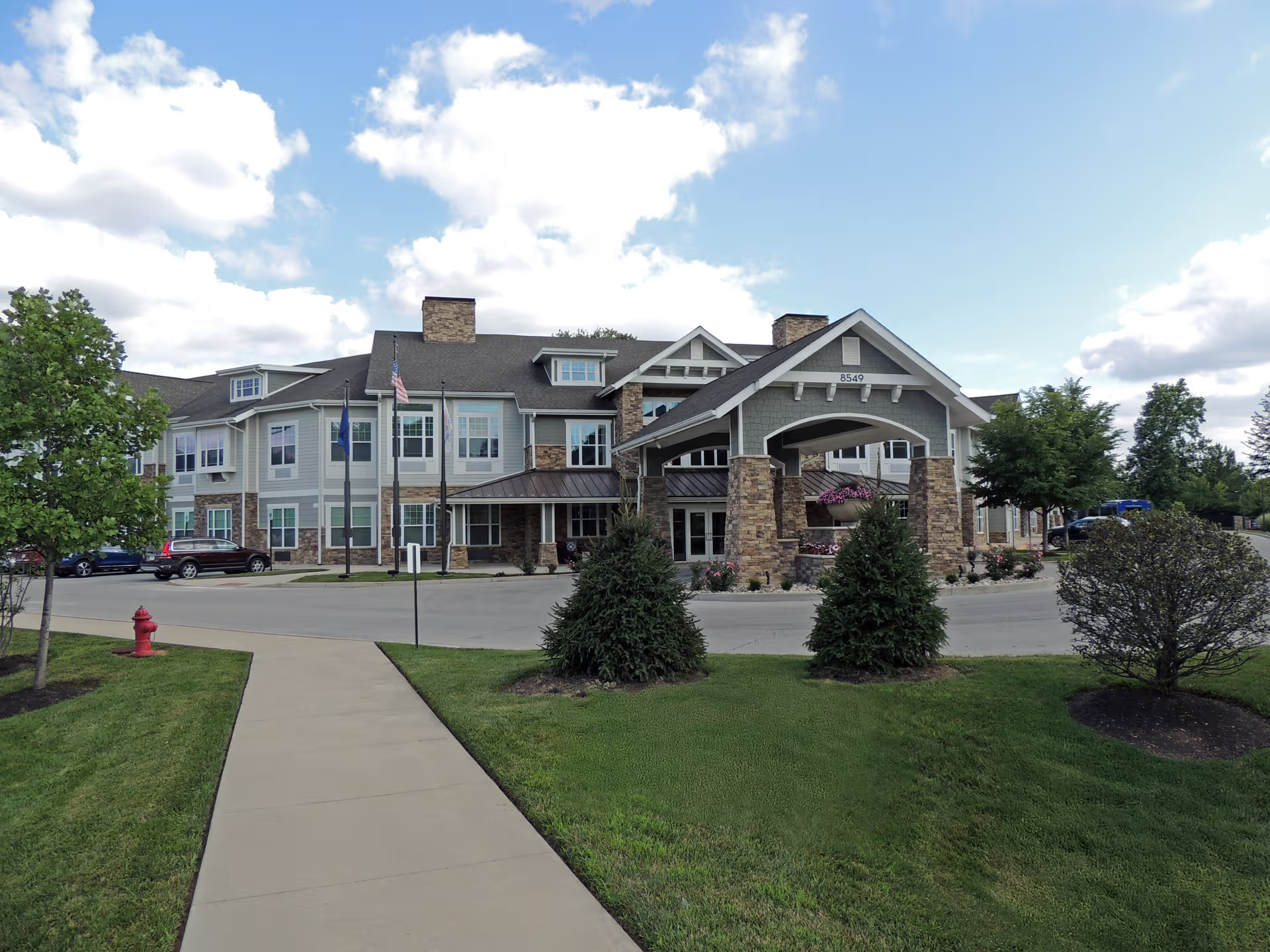
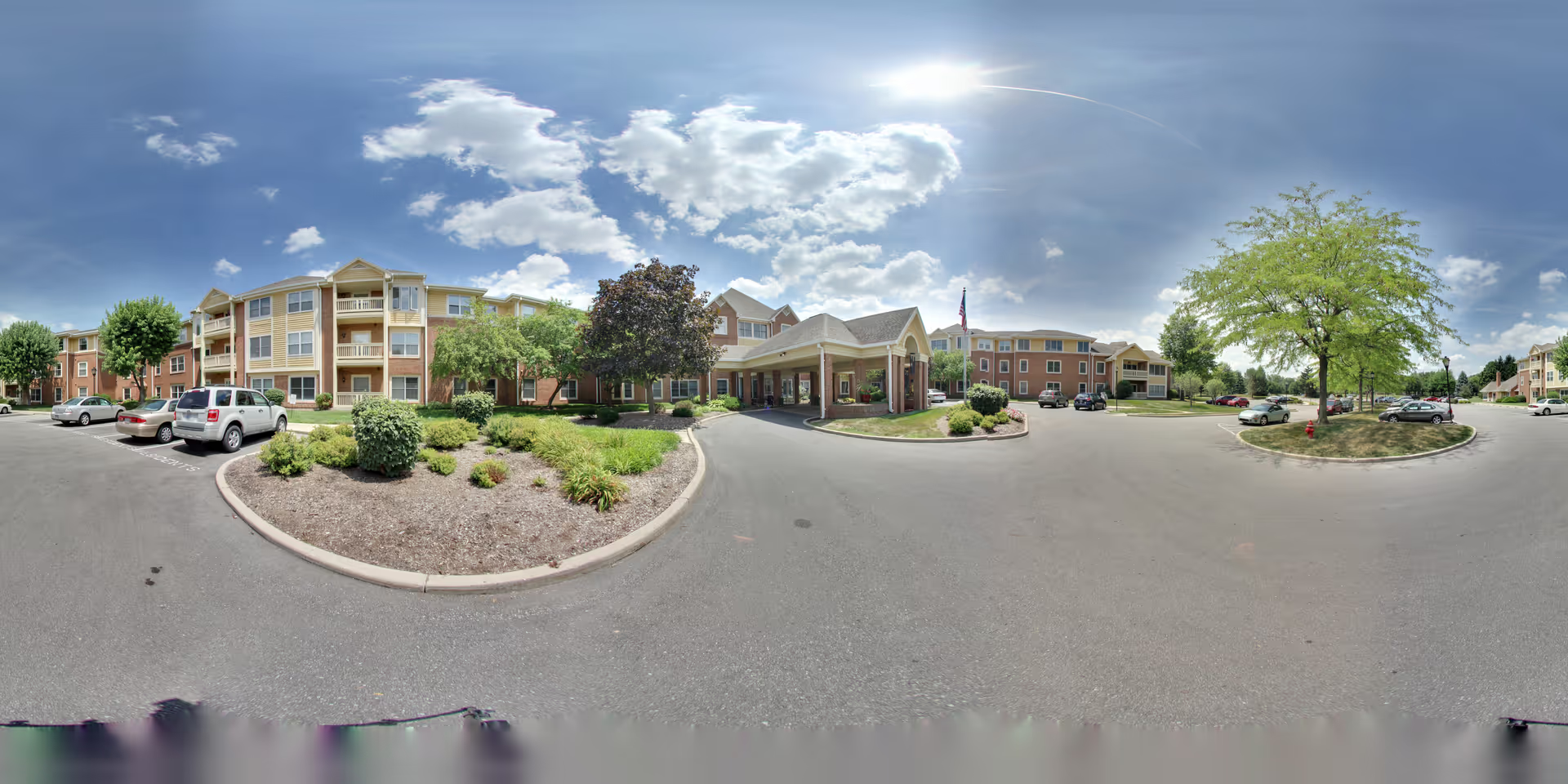
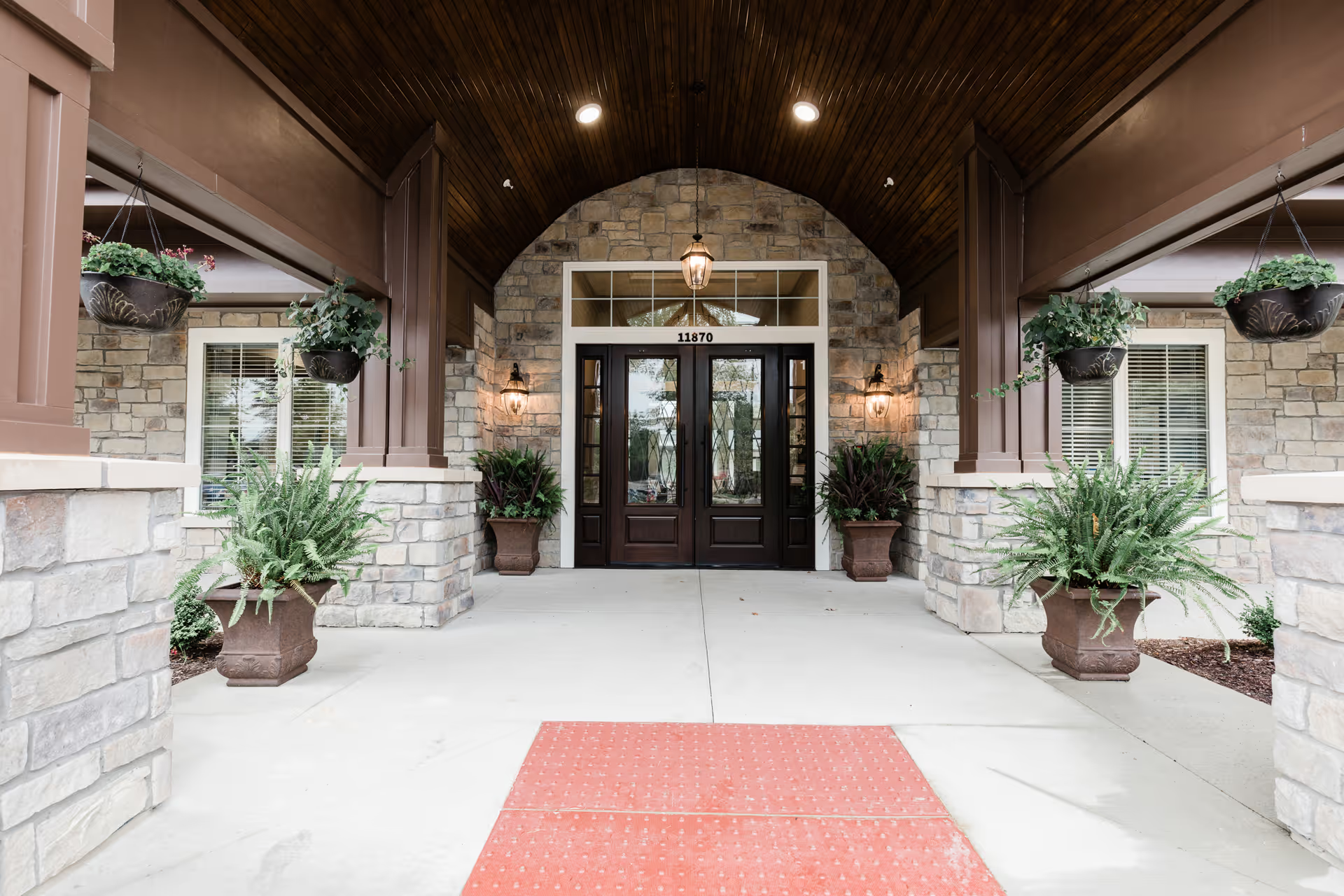
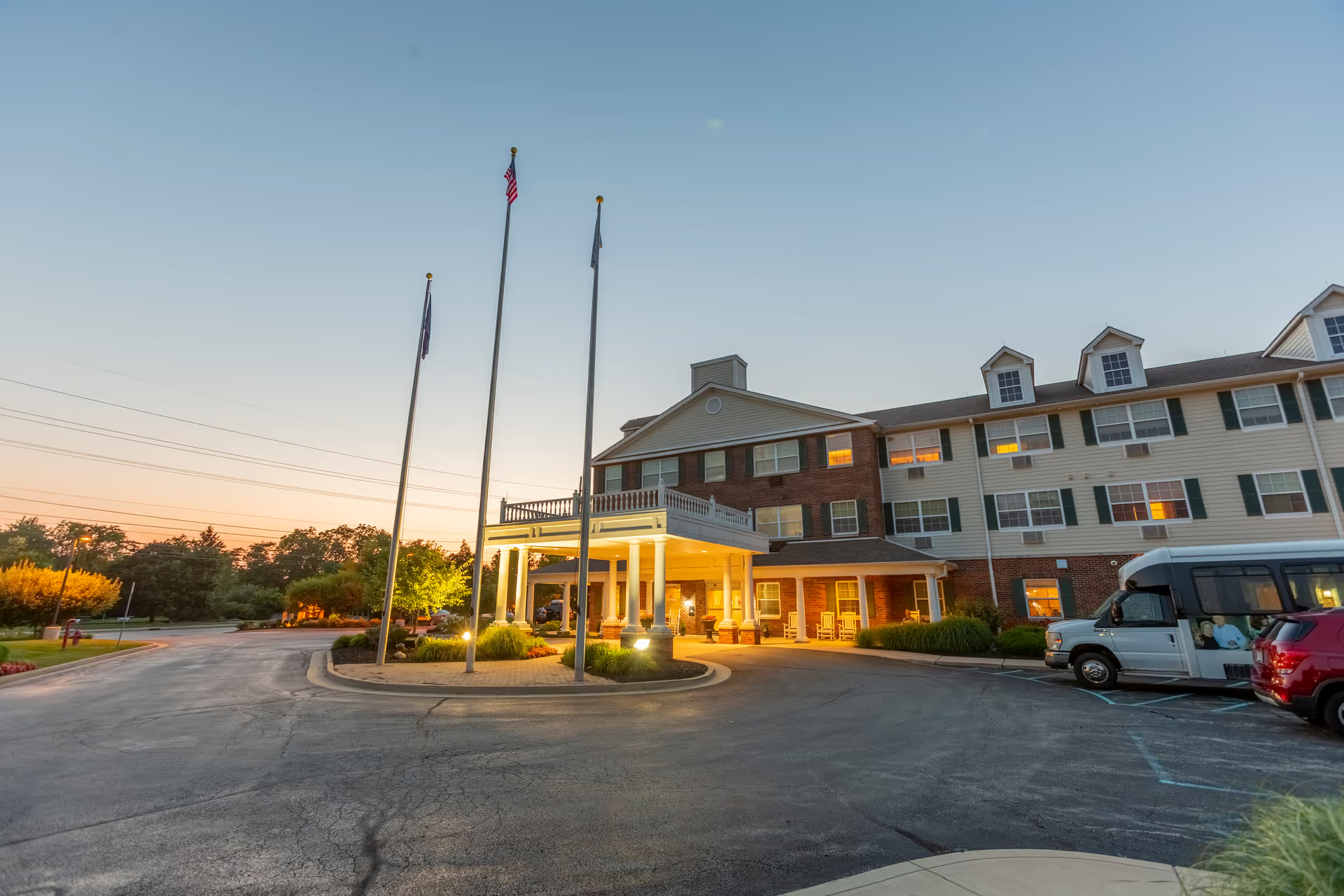
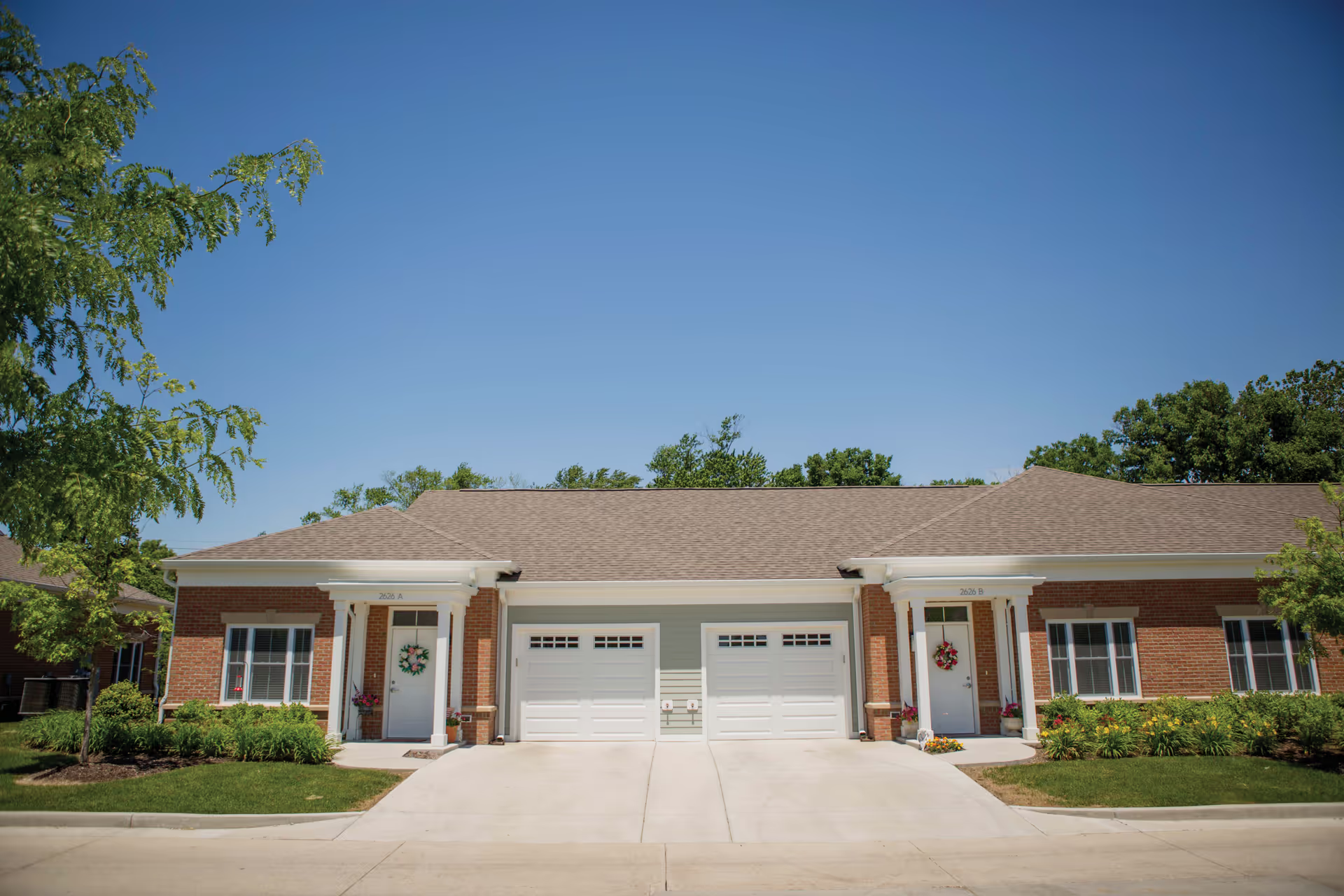
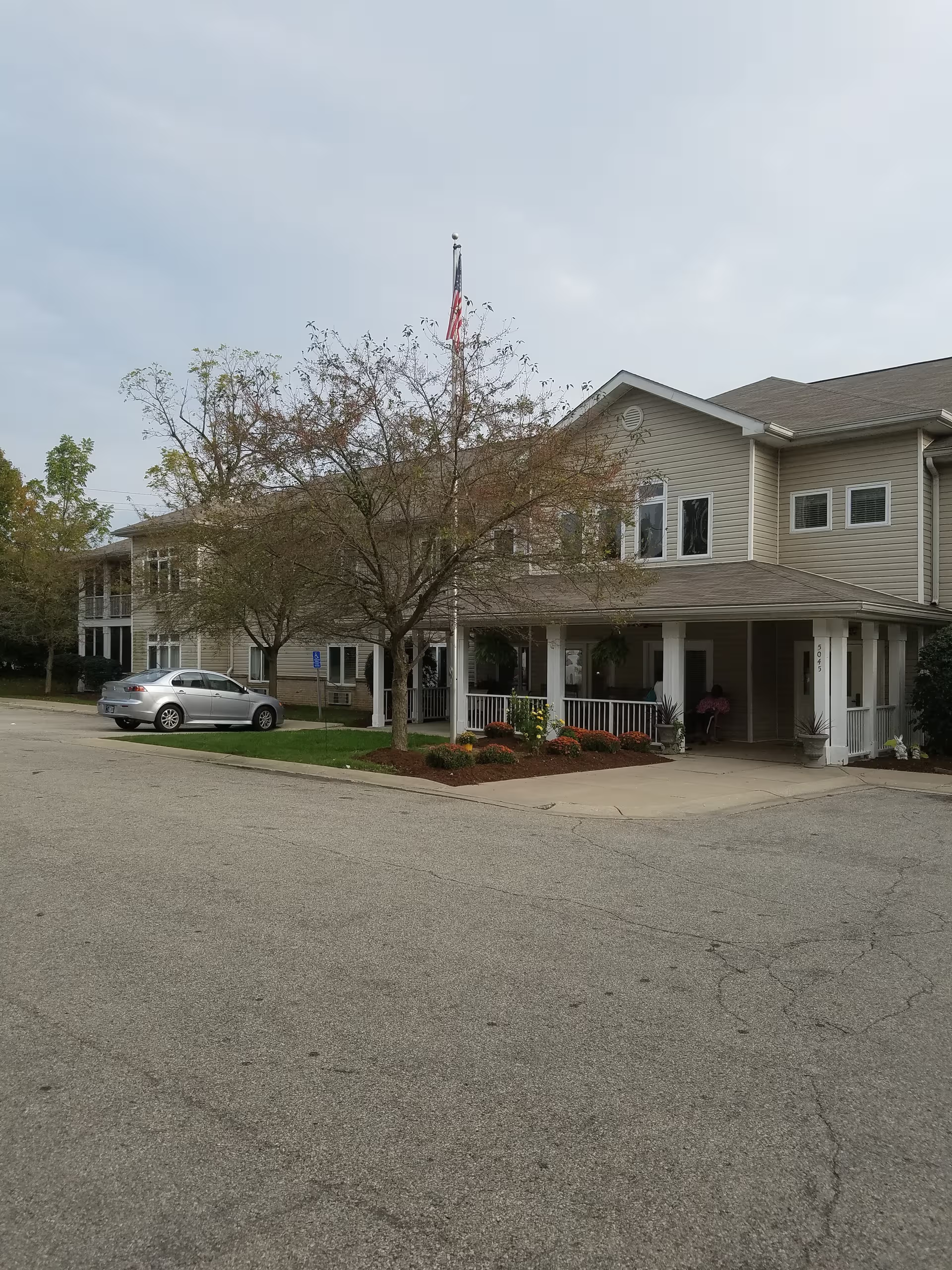
Marquette presents as a large, well‑appointed continuing care retirement community with extensive amenities and an active social environment. Reviewers consistently praise the campus — landscaped grounds, attractive public spaces, and recently renovated apartments and health‑care rooms — and note a broad range of on‑site services such as a bank, salon, shop, underground parking, and comprehensive transportation. The facility’s nonprofit status and benevolent fund are highlighted as strengths for long‑term resident support and reinvestment in services.
Care and staffing receive mixed but generally positive descriptions. Many families and residents emphasize compassionate, long‑tenured nursing and caregiving teams and strong rehabilitation/therapy programs that facilitate successful discharges and recovery. The presence of a true continuum of care — independent living, assisted living, and skilled nursing on the same campus — is repeatedly cited as a practical advantage for aging in place. At the same time, several reviews indicate variability in staffing levels and responsiveness, and some describe operational gaps in assisted‑ and memory‑care oversight; these accounts point to uneven experiences depending on unit, shift, and individual staff.
Dining and activities are prominent selling points. The community offers multiple dining venues, restaurant‑style service, and a busy activities calendar that includes fitness classes (aqua, yoga, tai chi, step/core), educational talks, live music, and faith services. Many residents praise the food and highlight chef‑driven offerings, café favorites, and robust meal delivery. However, a recurring counterpoint is inconsistent meal quality and occasional order inaccuracies; a subset of reviewers found some menu items overly seasoned or not to their preference.
Facilities and wellness amenities are substantial strengths. The MAC fitness center, large indoor pool and hot tub, certified instructors, walking paths, pickleball, and numerous recreational options support an active lifestyle. Apartments are described as spacious and customizable, with options for cottages and buy‑in models. Families value convenience features such as housekeeping, utilities included, on‑site clinical clinic, and event transportation. Several reviewers also praised end‑of‑life support and family communication during transitions.
Operational and management patterns are mixed. Many reviewers commend responsive management, proactive problem solving, and specific staff members by name for exceptional oversight. Conversely, others report administrative coordination issues — phone and communication annoyances, inconsistent follow‑through on maintenance requests, and occasional workplace culture problems that have affected staff morale. Cost is a consistent theme: the community is described as relatively expensive and having a country‑club atmosphere (including dress‑code expectations), which may not suit all prospective residents. Additionally, there are isolated but notable concerns about indoor smoking odor and transparency around smoking policy, plus practical scheduling issues such as limited shower access for some residents.
In summary, Marquette is well suited for prospective residents seeking an amenity‑rich, secure campus with strong rehabilitation services and many social opportunities, and for families who value a nonprofit model with continuity of care. Prospective residents should weigh the premium cost and visit units and care areas (especially assisted/memory care) to evaluate staffing responsiveness, dining preferences, and policy transparency. For families considering a move, on‑site visits that include conversations with nursing leadership, activity staff, and recent residents can help clarify whether the facility’s service rhythms and cultural expectations align with their needs.