The reviews present a mixed and polarized picture of Miller's Merry Manor. Many accounts highlight engaged floor staff and leadership—familial interactions, strong teamwork on some units, and an involved administrator and director of nursing were described as meaningful strengths. At the same time, recurring operational weaknesses are evident across reviews and center on staffing, clinical execution, and facility maintenance.
Care quality shows substantial variability. Positive notes include thorough care planning and attentive direct-care interactions on certain floors. However, multiple reviews describe clinically significant lapses: delayed medication administration, extended waits for assistance after call lights, inconsistent management of wounds and post-operative needs, and instances that led to emergency care or further intervention. These items point toward uneven clinical coverage and limited availability of qualified nursing staff at all hours rather than isolated events.
Staffing and staff conduct are key drivers of reviewer sentiment. Many families praised individual caregivers and day-to-day teams for compassion and responsiveness, yet other accounts detail poor tone, defensive or abrupt communication from some nurses and managers, and limited follow-through on family inquiries. The mixture suggests that hands-on staff cohesion exists in places, but leadership oversight, staff training consistency, and performance across shifts are uneven.
Dining and nourishment also vary by unit. Some reviewers complimented the food and dining atmosphere, noting a homelike environment and satisfactory meals. Contrasting reports cite interruptions to kitchen service, cold or poorly presented meals, and inconsistent meal delivery processes. These discrepancies suggest variability in meal-service continuity and quality control rather than a single uniform dining standard across the facility.
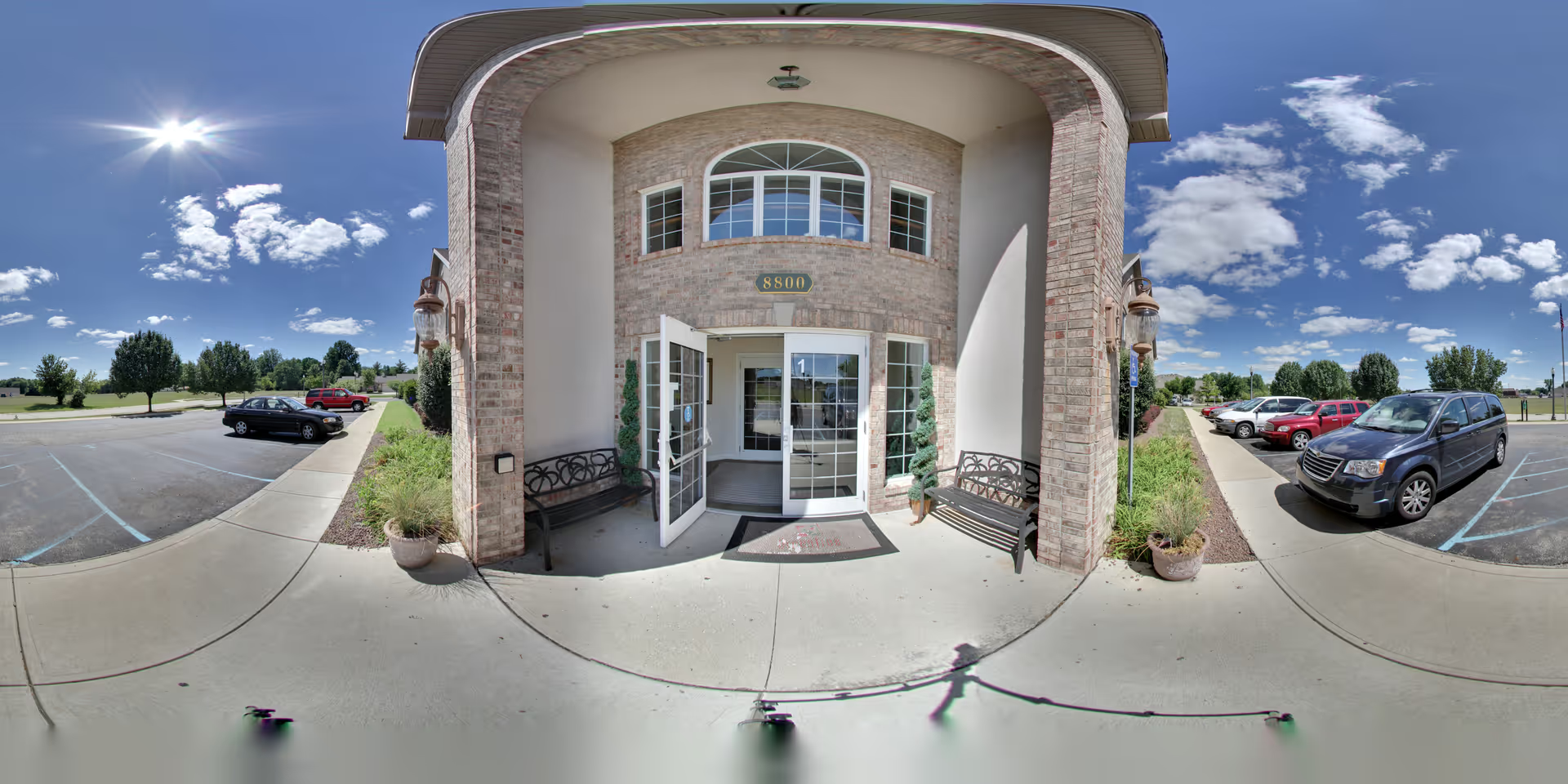
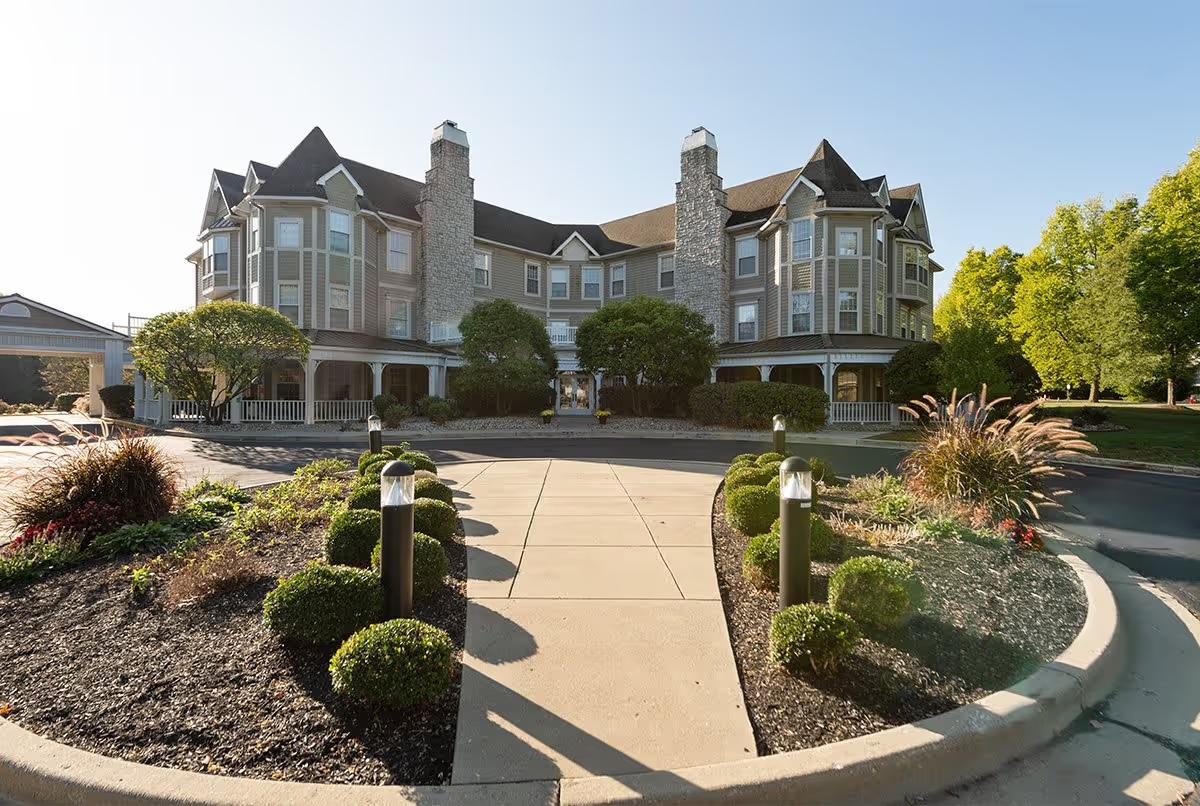
Facility condition and maintenance emerged as recurring concerns. Reviewers indicated aging infrastructure, maintenance deficits (broken blinds, wall damage), and sanitation or odor concerns in rooms and common areas. These issues, paired with reports of inconsistent laundering or belongings handling, point to operational gaps in environmental services and property-management processes.
Management and communication patterns are mixed. Positive observations reference an engaged administration and responsive phone staff. Negative accounts focus on poor family communication after incidents, weak incident-followup, unclear assignment sheets, and inconsistent visitation policies during infection-control events. Several reviews described troubling handling of resident belongings and bereavement communication following a resident death; these indicate opportunities for improved procedural transparency and compassionate family outreach.
Notable patterns to consider: persistent understaffing and uneven nurse coverage; inconsistent medication and wound-care practices; variability in meal-service reliability; facility maintenance and sanitation concerns; and uneven family communication and incident response. For prospective residents and families, recommended inquiries during a tour include current staffing ratios by shift, medication-administration protocols, wound-care and transfer policies, recent inspection or deficiency reports, housekeeping schedules, and the facility's procedures for family notification after clinical incidents.