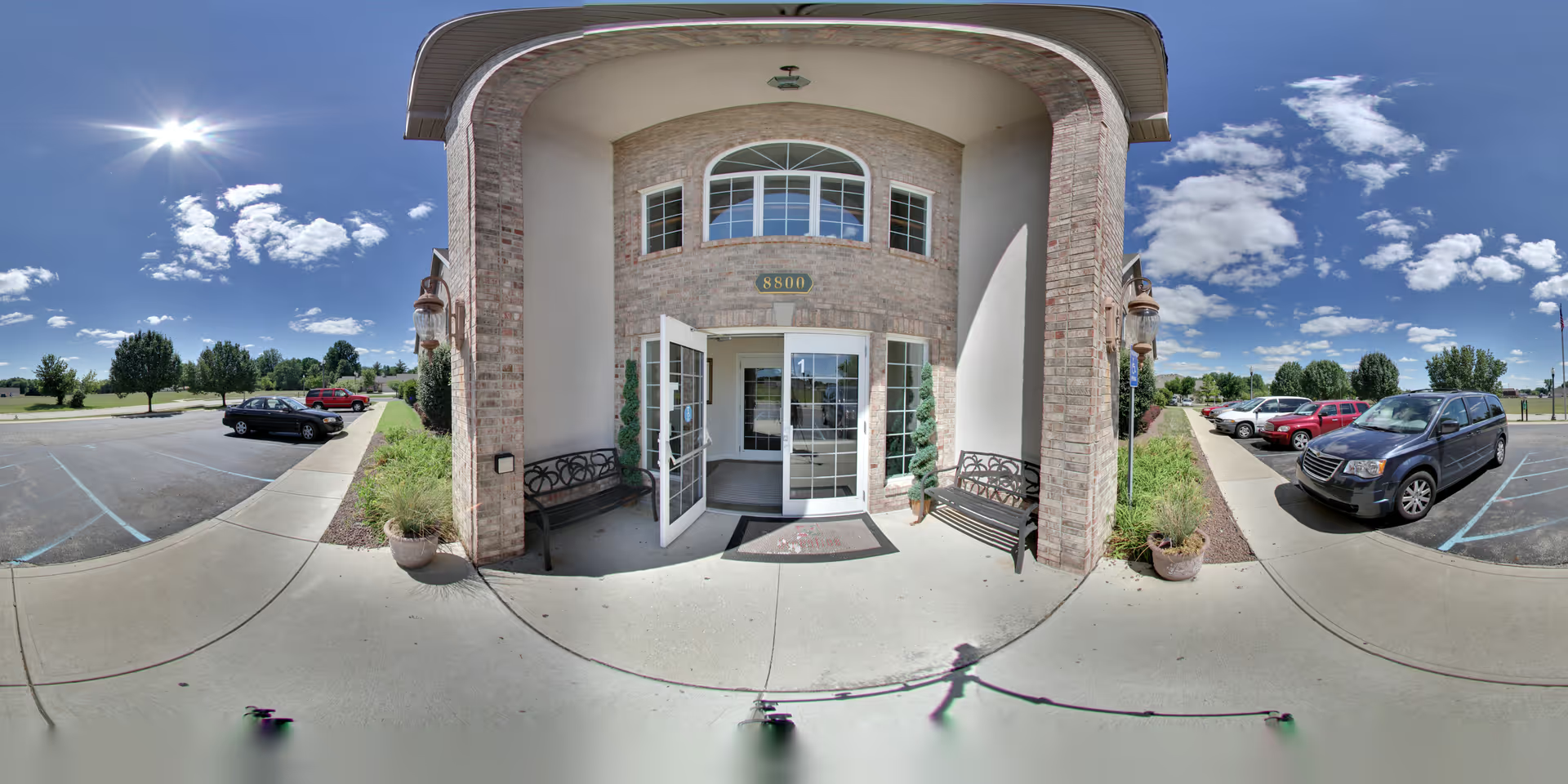
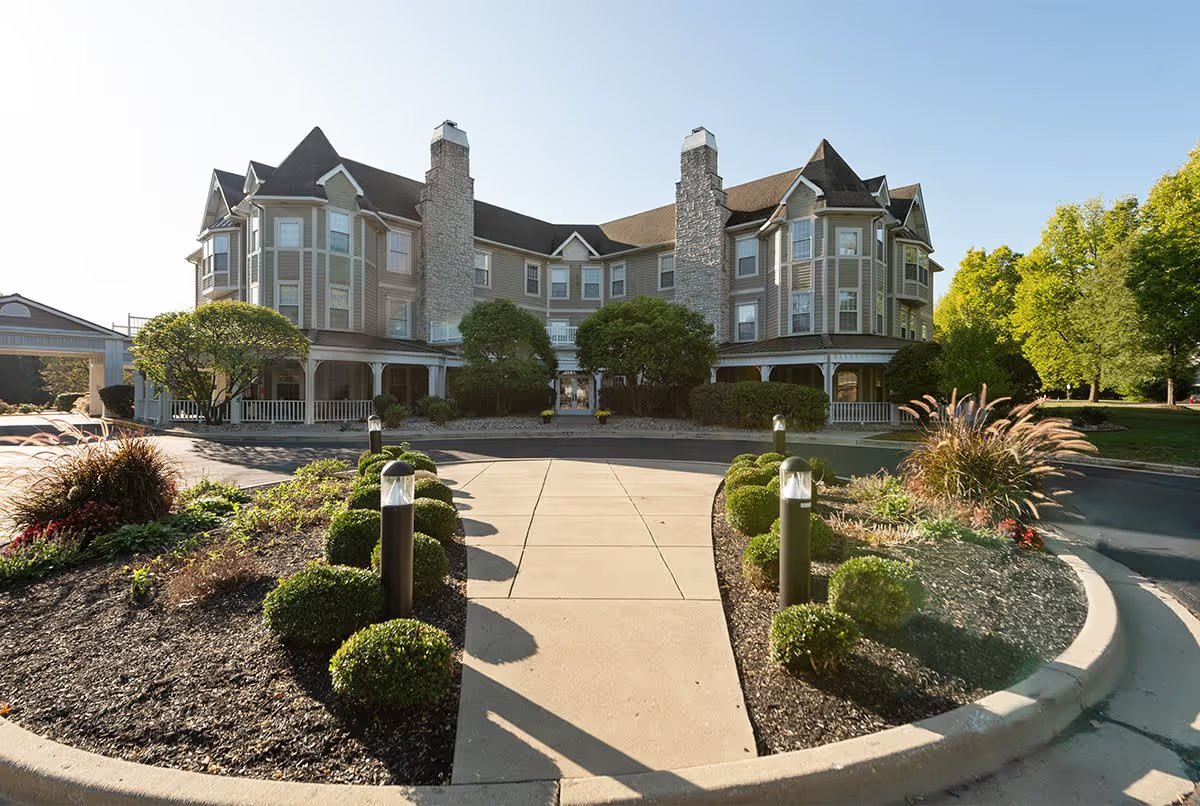
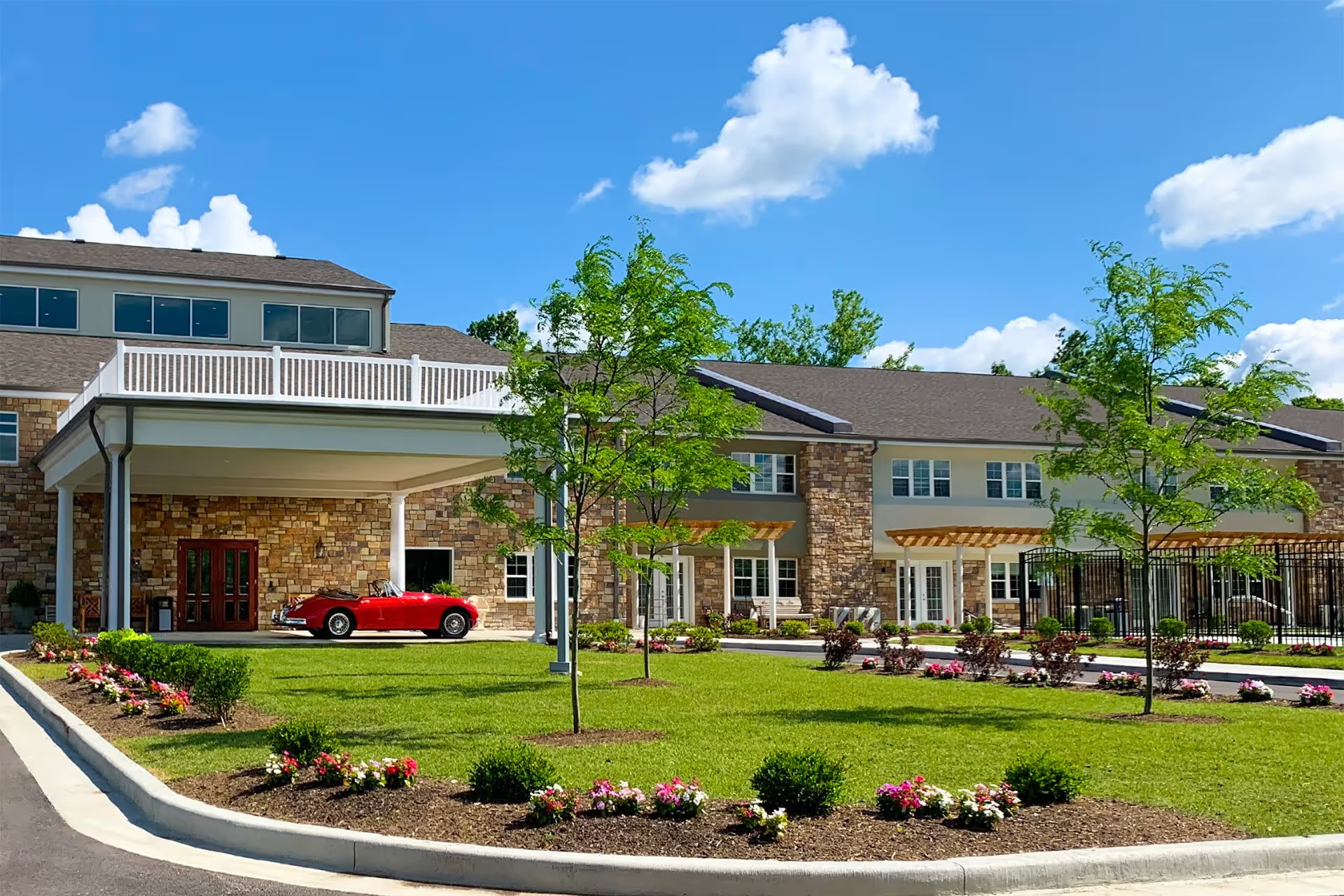
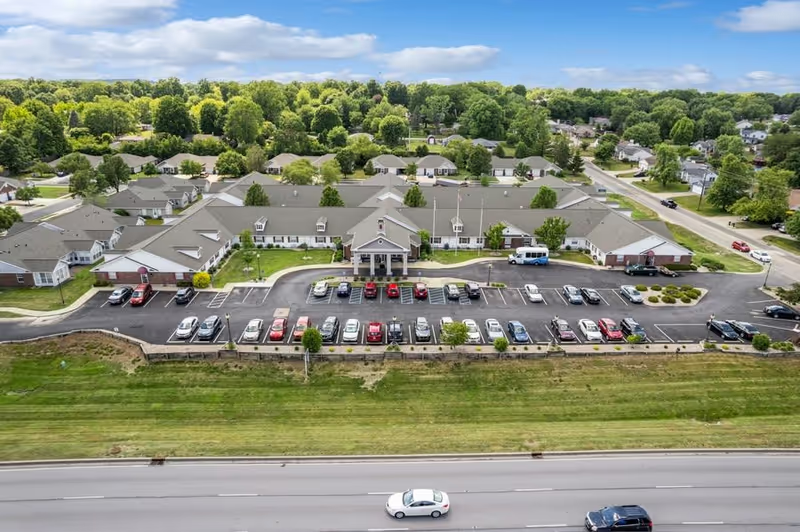
Reviews of Rosewalk present a highly mixed picture, with clear strengths in rehabilitation services and notable, recurring operational weaknesses. Many families and patients praised the therapy teams — physical, occupational, and speech therapists — for effective clinical skill, individualized plans, and outcomes that supported recovery and safe discharge. Several reviews describe staff who created a family-like atmosphere, engaged residents in activities, and provided compassionate bedside care. The facility’s physical plant is frequently described as modern and clean in common areas, and its location and reception staff are often cited as conveniences for families.
At the same time, a substantial portion of reviews document variability in day-to-day care quality tied to staffing and operational systems. Chronic understaffing, particularly on night shifts, and slow responses to call lights and care requests are recurring themes. Reviewers also highlighted process gaps around medication administration and pain-management, as well as inconsistent catheter and incontinence-care practices. These issues, when they occur, were associated with delayed symptom control and avoidable distress for residents and families. Transportation coordination and assistance with external appointments emerged as an operational weak point, with several accounts of missed or poorly executed transfers.
Facility-level management and administrative processes are another area of concern. Multiple reviews point to communication breakdowns between staff and families, delays or errors in billing and paperwork (including proxy/POA documentation), and restrictive or unevenly applied visitation policies. Some reviewers described high staff turnover and a culture they perceived as focused on financial metrics rather than clinical continuity. There are also repeated sanitation and pest-control concerns reported for certain units or rooms, which contrast with other reviewers’ statements about clean, odor-free spaces. A few reviews referenced regulatory attention and serious allegations, including theft and other financial concerns; these items suggest the value of checking for current state inspection reports and any outstanding complaints.
Dining and activities receive mixed comments: some residents found meal service accommodating and social programs engaging, while others experienced scheduling conflicts with religious observances or perceived inconsistency in meal delivery. Activity programming and social engagement were often described positively when staffing levels supported them. Overall, the facility appears capable of providing high-quality rehabilitation and compassionate care, but the experience seems highly dependent on staffing, shift, and unit. Prospective residents and families should verify current staffing ratios, observe cleanliness and pest-control practices during a tour, review the facility’s medication-safety and escalation procedures, ask about transportation protocols, and request recent state inspection and complaint history to ensure the level of consistency they require.