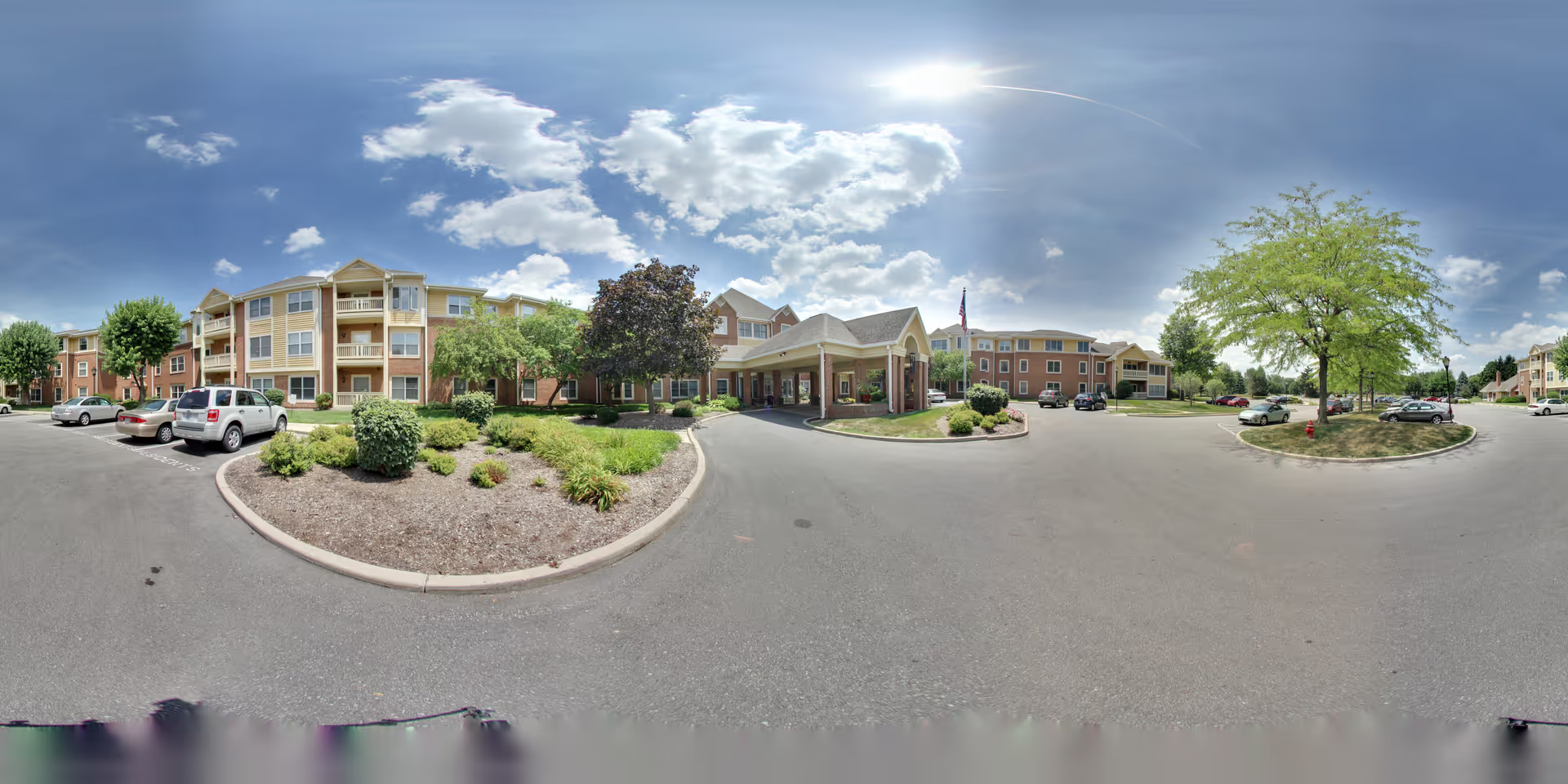
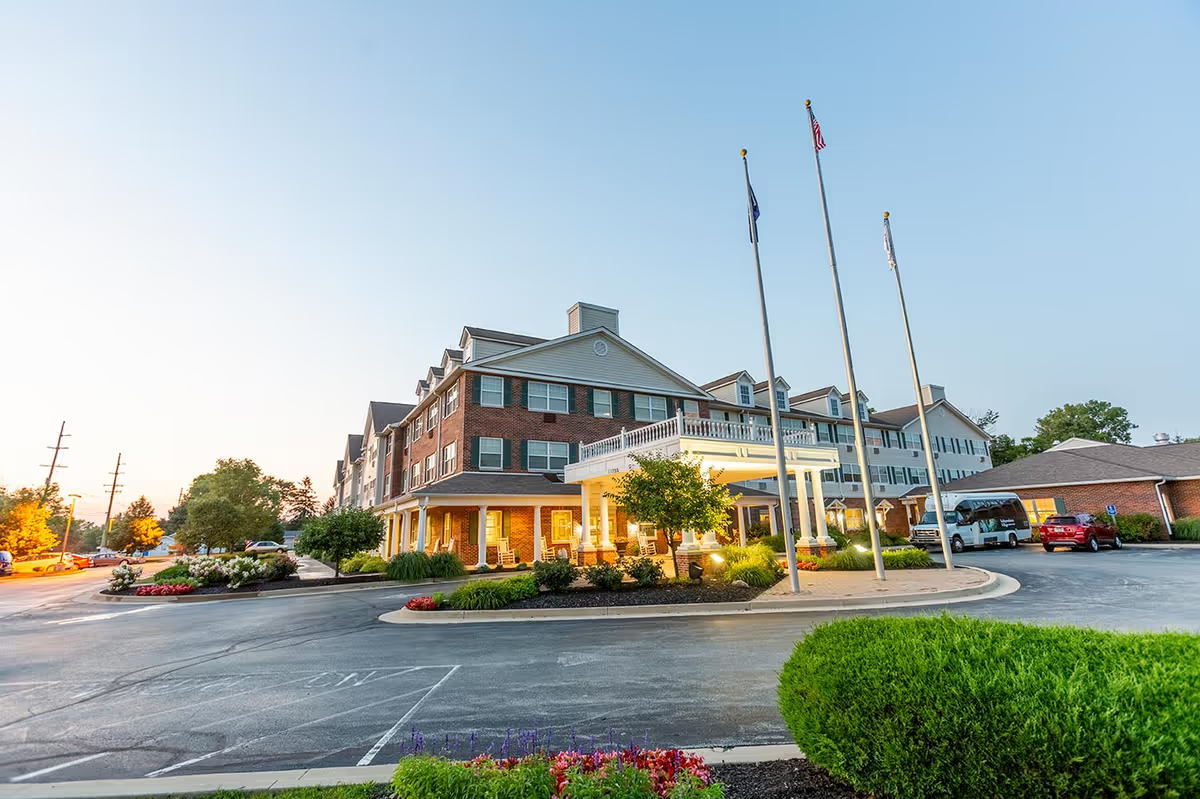
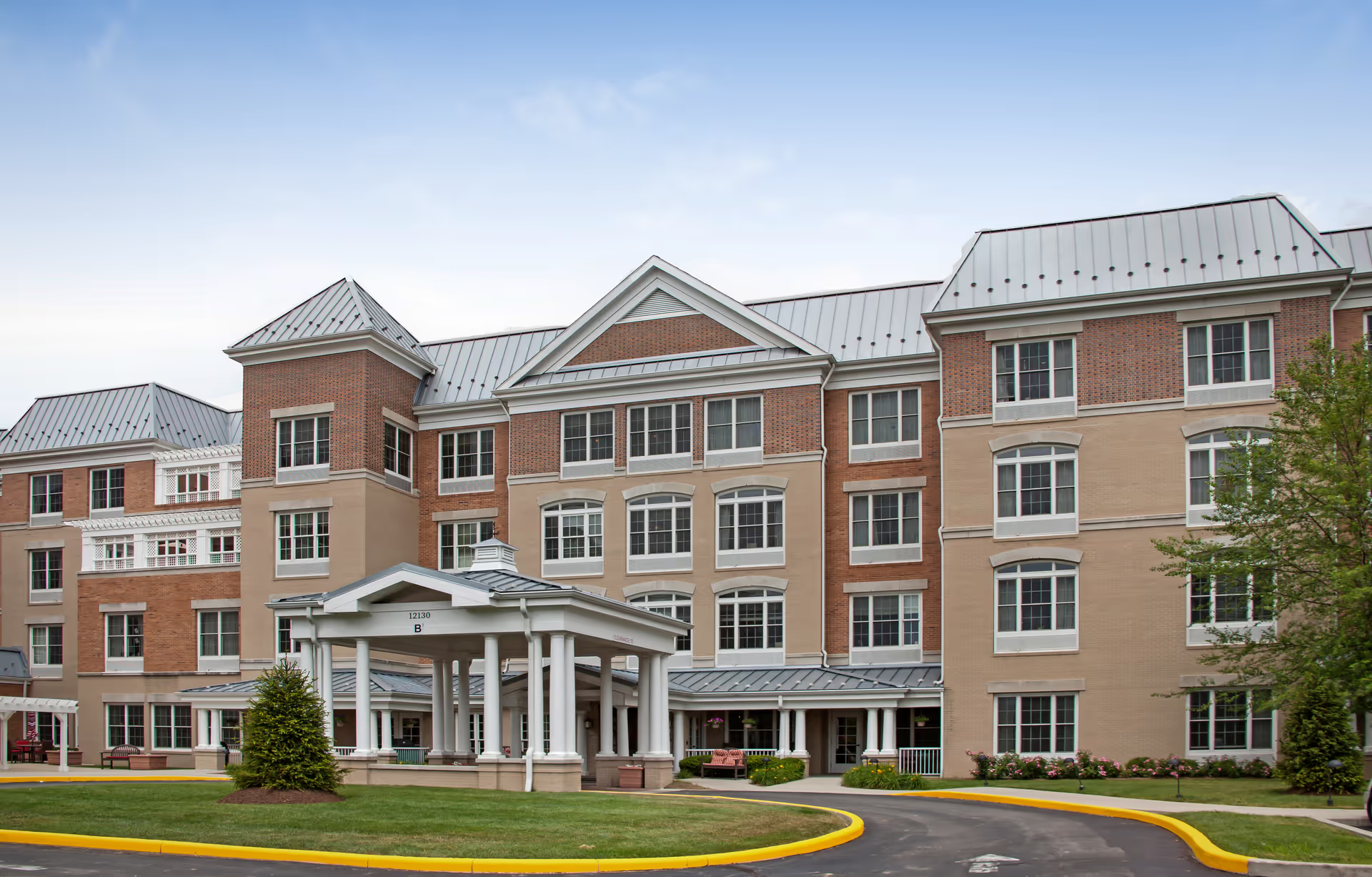
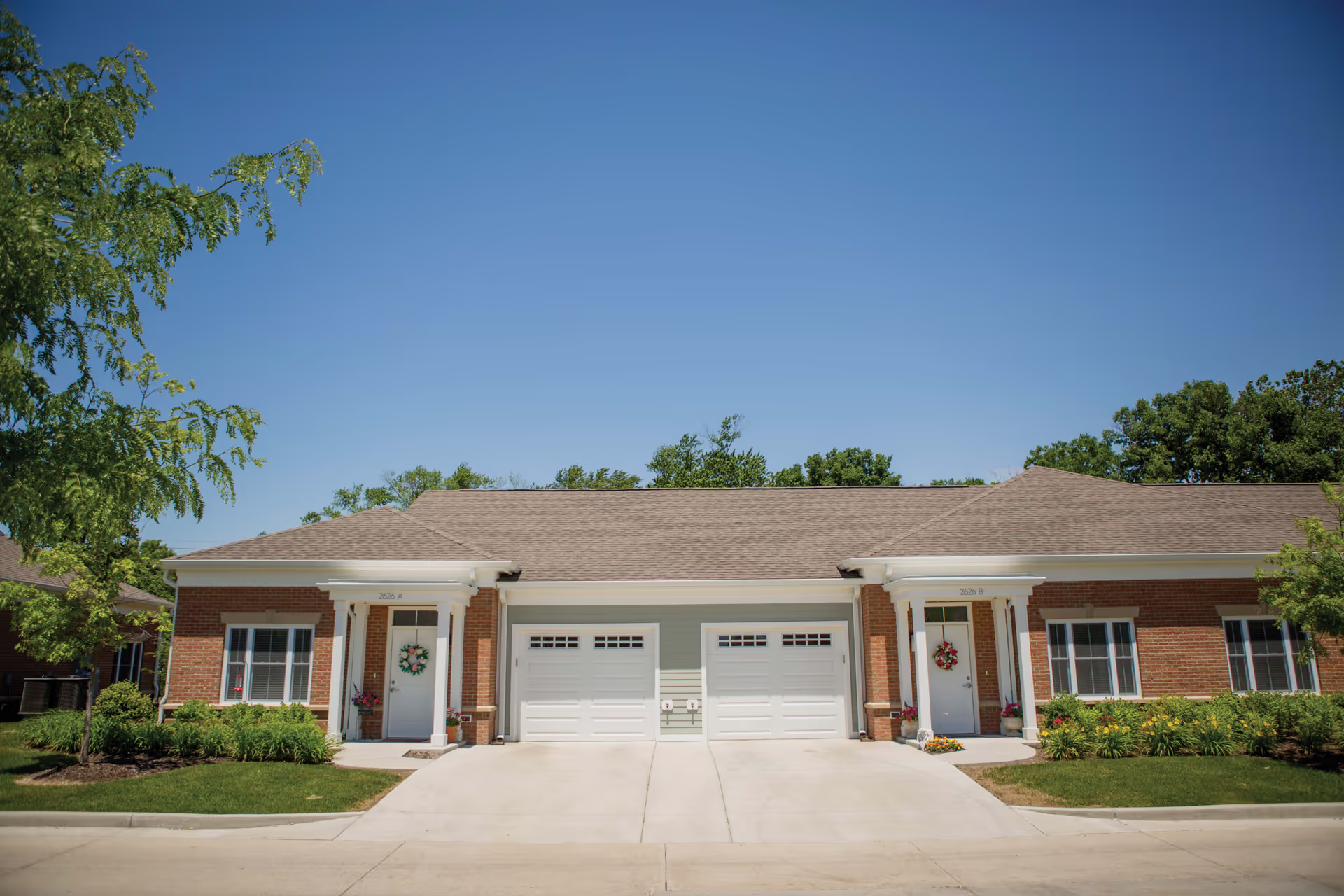
The reviews for Spring Mill Meadows present a wide range of experiences, spanning from highly positive accounts of clinical care and responsiveness to serious operational concerns. Many families and renters praised the facility for its friendly, attentive staff and competent clinical and rehabilitation team. Strengths frequently cited include clean, well-maintained garden-suite style housing, an on-site therapy/rehab program, a variety of apartment layouts (including bungalow-style homes), proximity to a hospital, responsive family communication via texts and emails, and a menu of activities and outings that support social engagement. Admissions and tour staff are often described as helpful and informative, and meal-delivery and pet-friendly options are available for residents who value those services.
At the same time, a substantial number of comments point to persistent operational challenges. Staffing levels and turnover were recurrent concerns; reviewers described delays in personal-care tasks and medication administration and noted uneven coverage of showers, dining assistance, and timely responses to call requests. These staffing inconsistencies are linked to observed gaps in transfer and fall-prevention practices, and some families described outcomes that suggest a need for stronger safety protocols and staff training around mobility and transfers.
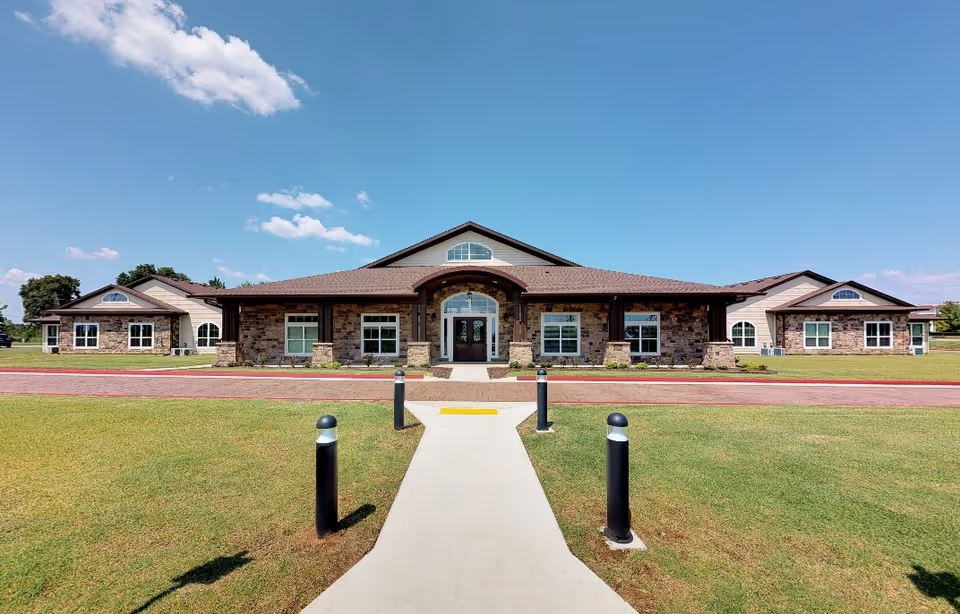
Dining and housekeeping impressions are mixed. Several observers commended the dining setup and appreciated delivered meals, activities, and regular cleaning, while others noted inconsistent food quality, cold meals, and sanitation concerns in particular resident rooms or shared areas. Maintenance and the physical plant were another point of divergence: exterior and some suites are described as attractive and well-kept, but the interior of certain buildings and common spaces was described as dated and in need of renovation.
Management and administrative issues also show variability. Positive comments describe responsive leadership, clear COVID-related communication, and resolved concerns; conversely, other reviewers reported administrative and billing-process problems, aggressive billing experiences, and concerns about professionalism or communication tone among some administrative staff. There are also mentions of allegations and ongoing regulatory concerns involving administration; these items suggest prospective families should review regulatory history and ask facility leadership for current documentation and responses.
Activities programming receives mixed marks: when staffed and organized, activities such as baking, bingo, church services, and outings are valued and contribute to resident engagement. However, several reviewers described inconsistent activity staffing and limited programming during periods of reduced staffing or pandemic-related restrictions.
In summary, Spring Mill Meadows appears to offer solid clinical and rehabilitative strengths, a generally supportive culture in many units, and convenient medical access. Those positives coexist with operational weaknesses—chiefly inconsistent staffing, variability in sanitation and dining experiences, maintenance needs, and administrative concerns. Prospective residents and families should weigh the facility's rehabilitation and communication strengths against these operational risks, tour multiple living options on-site, ask for up-to-date staffing and quality metrics, and review any regulatory or billing documentation before making a placement decision.