Overall impression: Reviews present a mixed but coherent picture: many families and residents praise the staff-level caregiving and the activities program, while a set of operational and administrative weaknesses recurs across accounts. The facility appears to deliver strong interpersonal care in many cases, but systemic issues — particularly around staffing consistency, clinical follow-through, and administration — produce variability in resident experience.
Care and clinical oversight: Numerous accounts praise nurses and aides as attentive, compassionate, and capable, and reviewers specifically cite reliable individuals and positive evening coverage. At the same time, reviewers describe concerning patterns such as inconsistent wound dressing changes, medication-management problems, delayed responses to resident needs, and instances where care quality declined after admission. These descriptions suggest gaps in clinical-incident response, transfer-safety practices, and ongoing nursing oversight rather than uniformly poor clinical staff. Families may wish to verify care plans, dressing and medication schedules, and communication protocols when considering placement.
Staff and culture: The facility receives consistent commendation for caring staff members, with several employees singled out by name for going above and beyond. Activities staff are frequently described as personal, attentive, and effective at engaging residents. That said, there are repeated references to variability in staff conduct and reliability — including accounts of rude or harsh interactions and uneven assistance from some aides — indicating inconsistent staff training, supervision, or morale in parts of the workforce.
Dining and therapy services: The kitchen staff and cooks receive high praise for quality meals from multiple reviewers, and some residents characterize the dining as a highlight. Conversely, other reviewers note cold meals and unexplained substitutions, producing an overall picture of inconsistent meal delivery and temperature control. Therapy and rehabilitation services are reported as effective during an initial phase by some, yet several accounts describe contracted rehab as under-resourced, with long idle sessions and high caseloads per therapist. Prospective residents should clarify therapy staffing ratios, session structure, and expected outcomes for post-acute or short-term rehab stays.
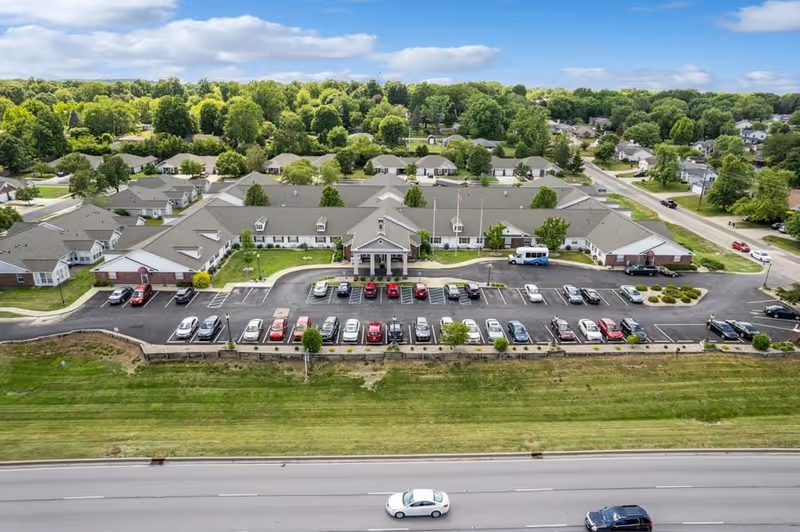
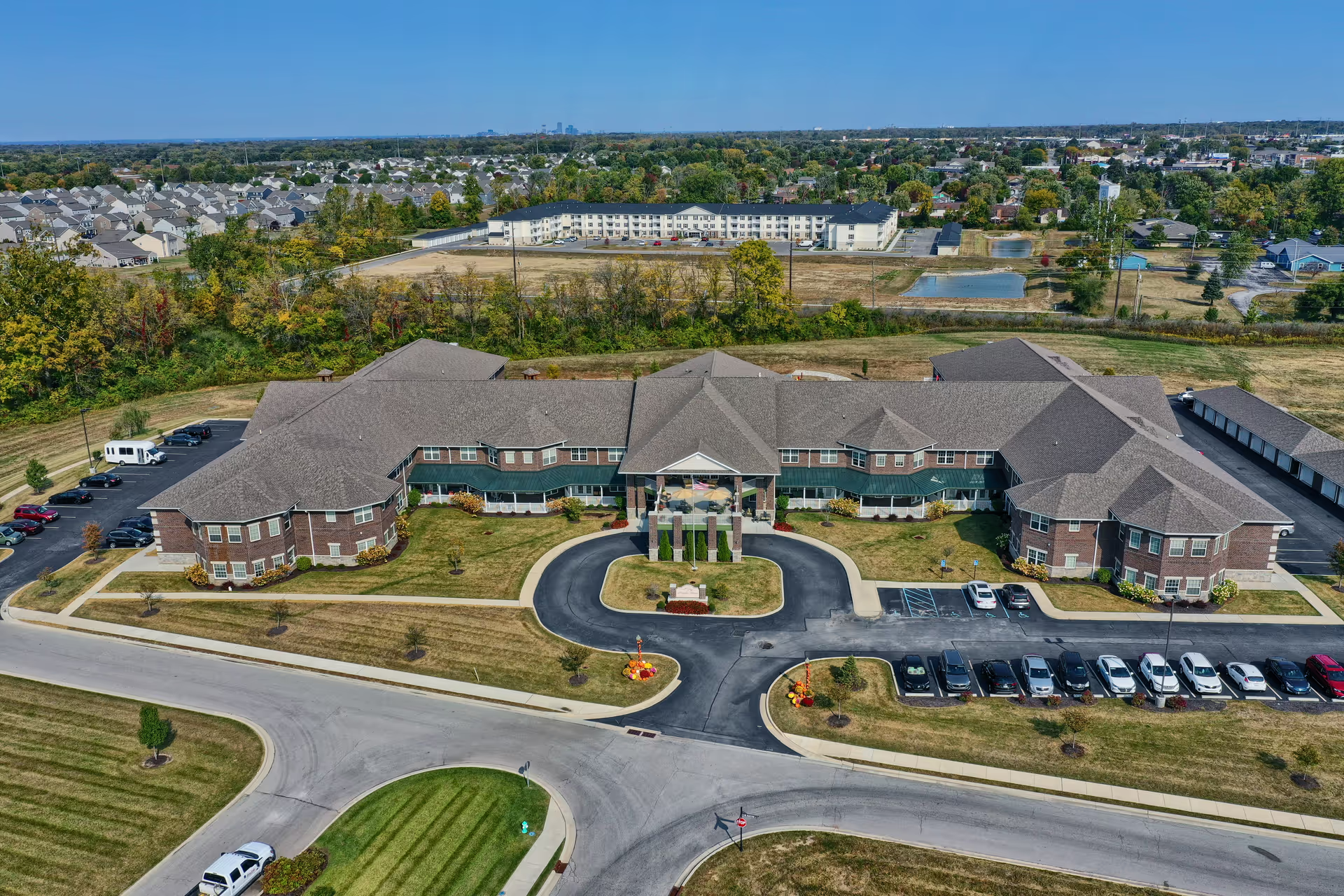
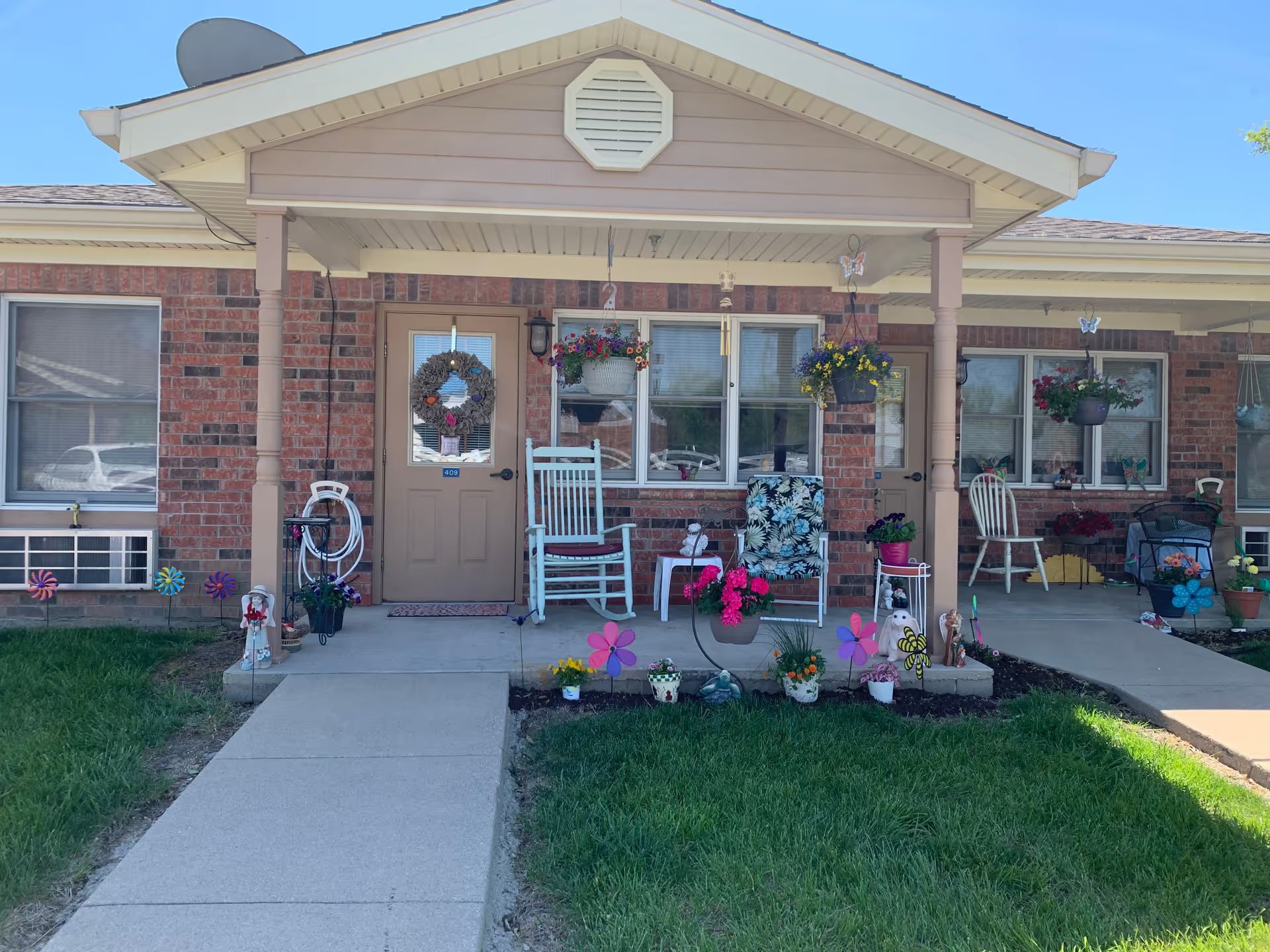
Activities and environment: The activities program is a clear strength: frequent, personalized offerings and active leadership are commonly mentioned. The building atmosphere — including live birds and a resident dog in the entryway — is viewed positively by many as enhancing communal life. However, there are also facility-level cleanliness and odor concerns in some hallways and common areas, which suggest targeted sanitation or ventilation issues that should be assessed in person.
Management, billing, and facilities: Administrative issues are a notable theme. Reviews cite billing disputes, lack of itemized statements, private-pay classification concerns, and at least one serious allegation of financial misconduct; these raise concerns about financial-accountability controls and transparency. In addition, reviewers describe poor communication from administration, difficulty securing contractors or maintenance follow-up, and areas of physical deterioration in the building. These management and infrastructure matters are operational risks that affect both family trust and daily resident life.
Notable patterns and guidance: The dominant pattern is a contrast between strong, compassionate frontline staff and recurring operational weaknesses (staffing consistency, clinical follow-through, therapy resources, dining consistency, and administrative transparency). For prospective residents and family members, recommended steps include visiting at different times of day to observe staffing levels, asking for written care-plan and wound/medication protocols, requesting therapy staffing information and expected schedules, seeking a sample itemized bill and written billing policies, and discussing family oversight expectations. These actions can help align the facility’s interpersonal strengths with the resident’s clinical and administrative needs.