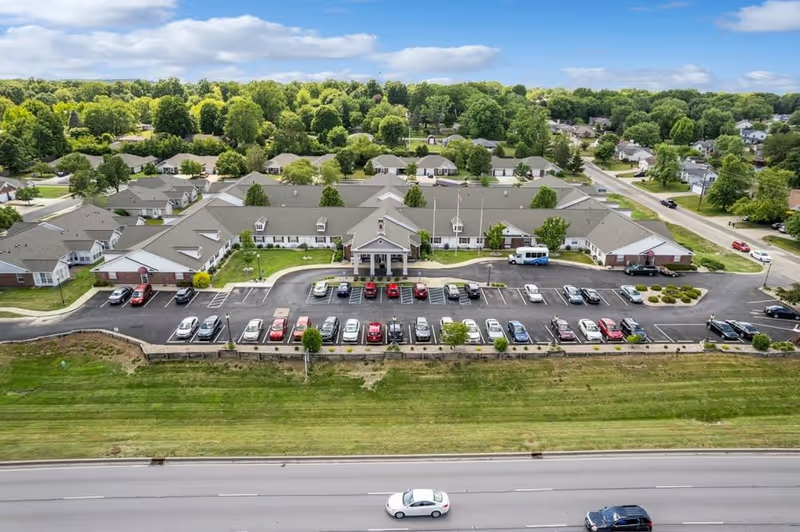
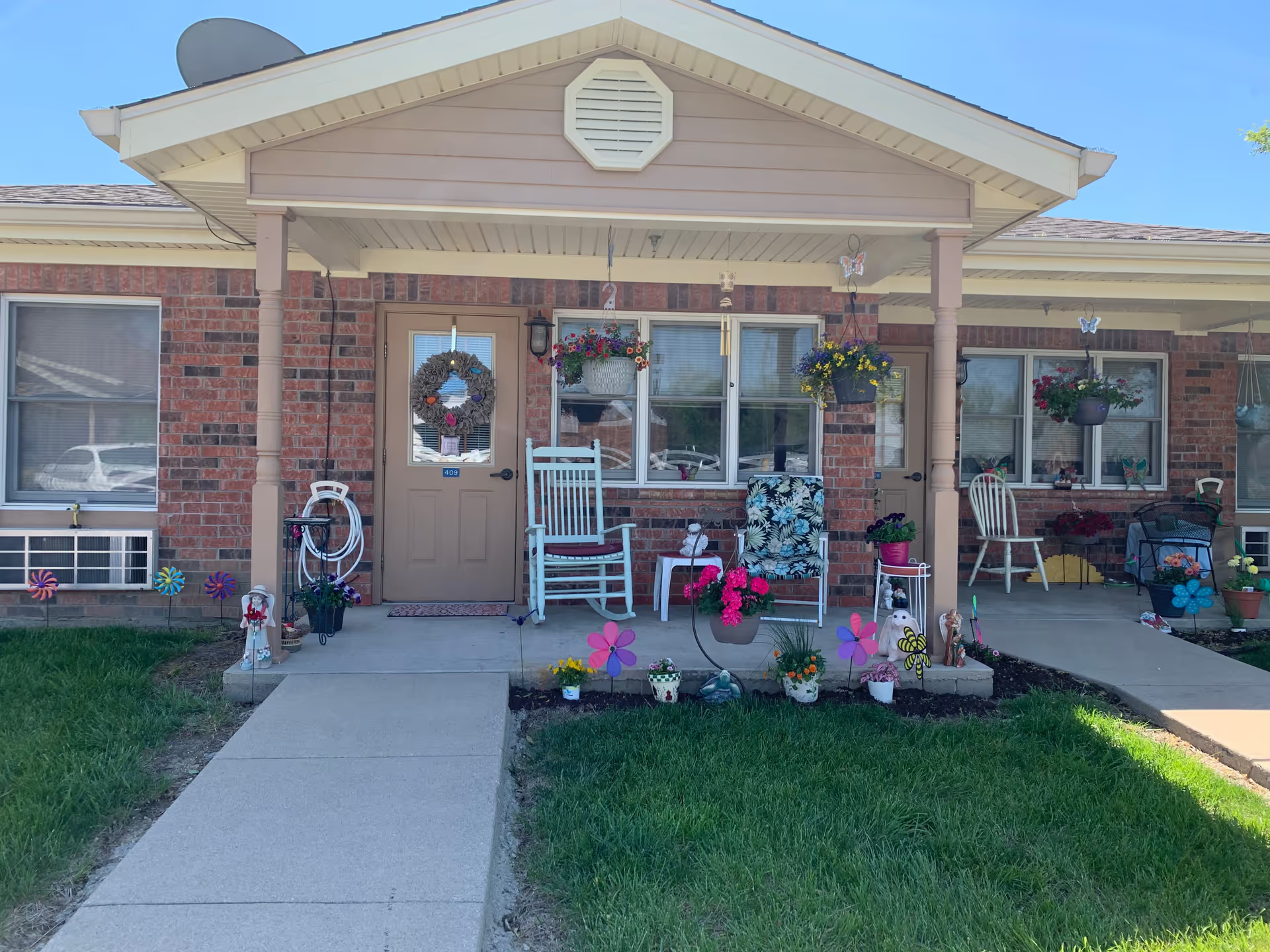
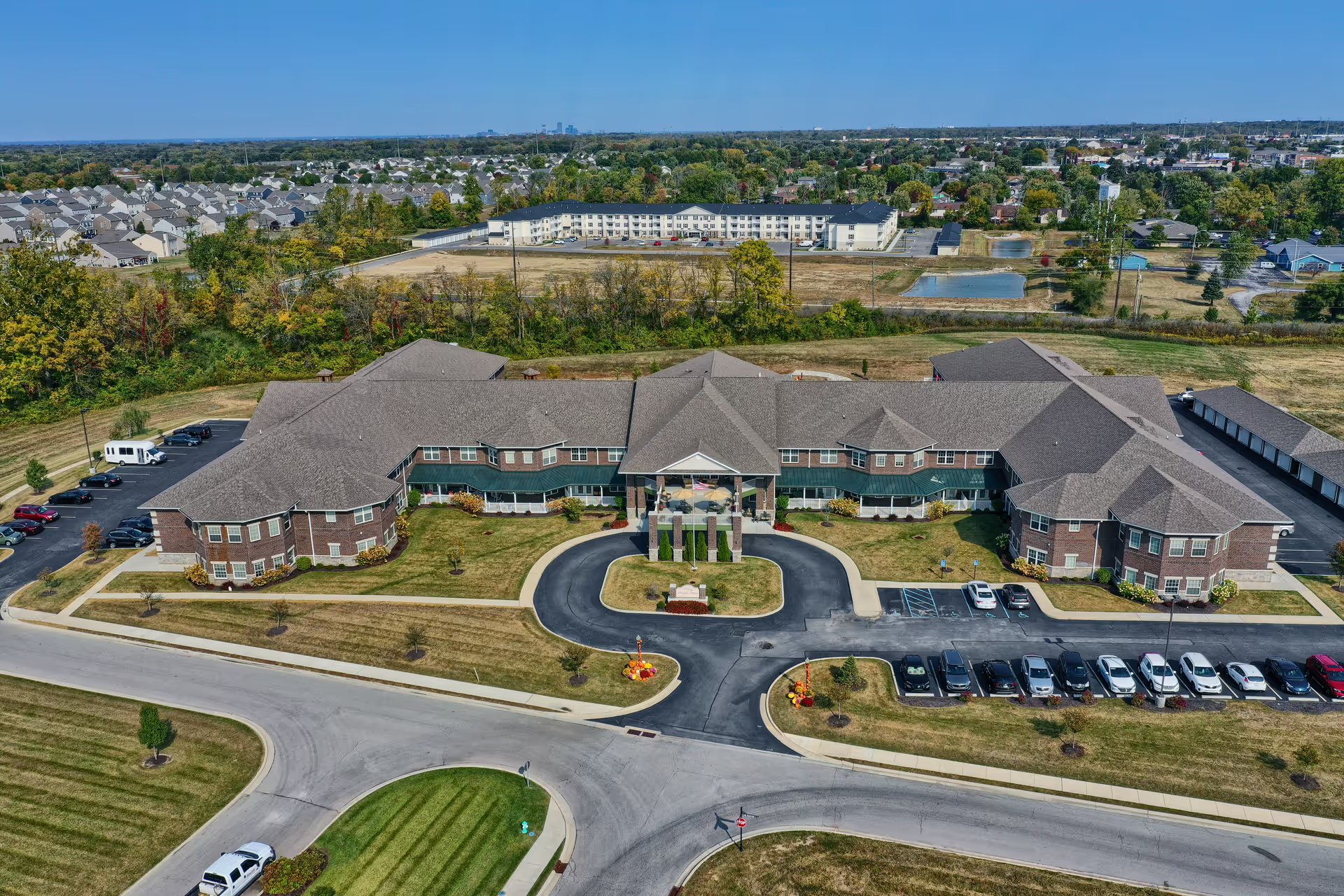
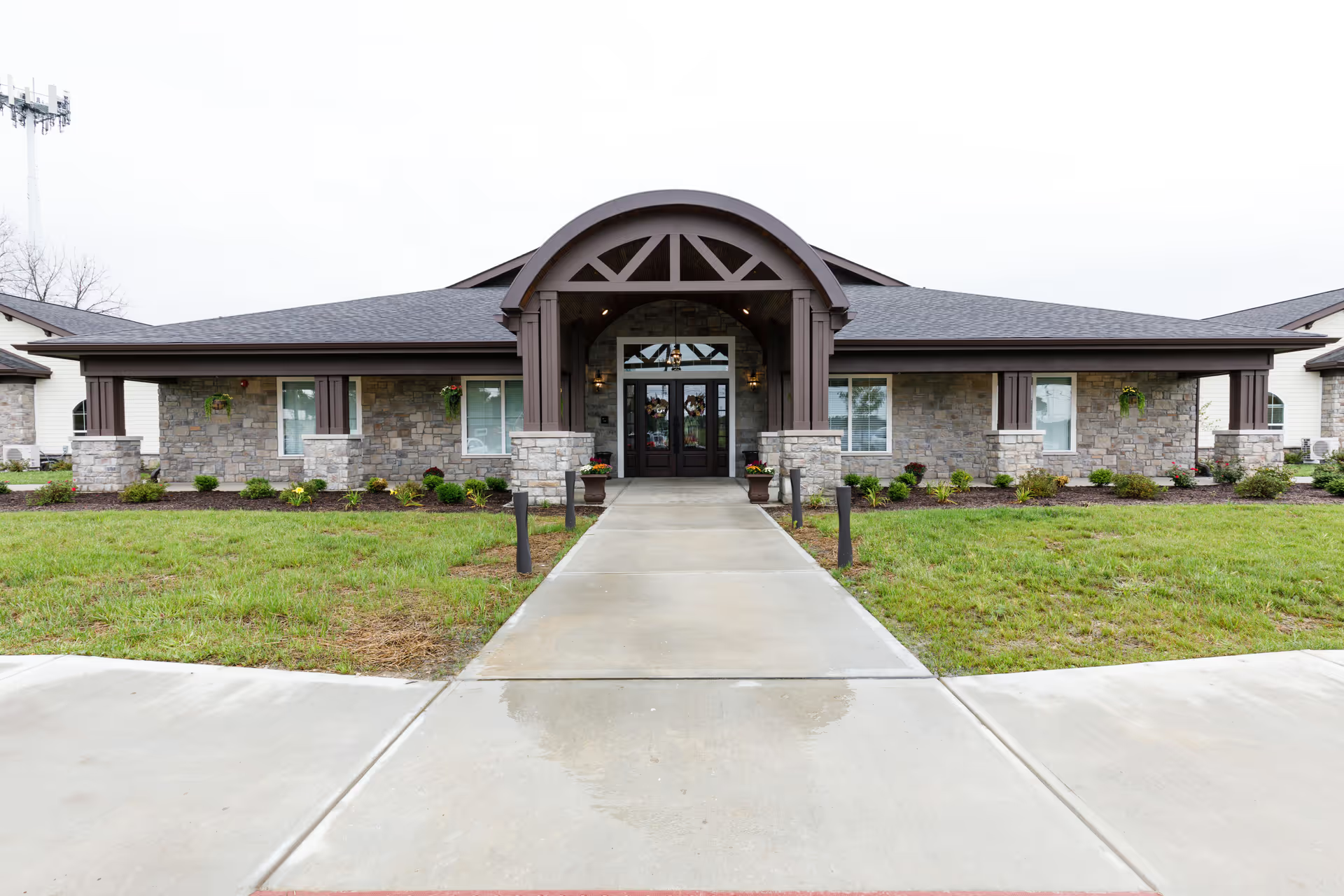
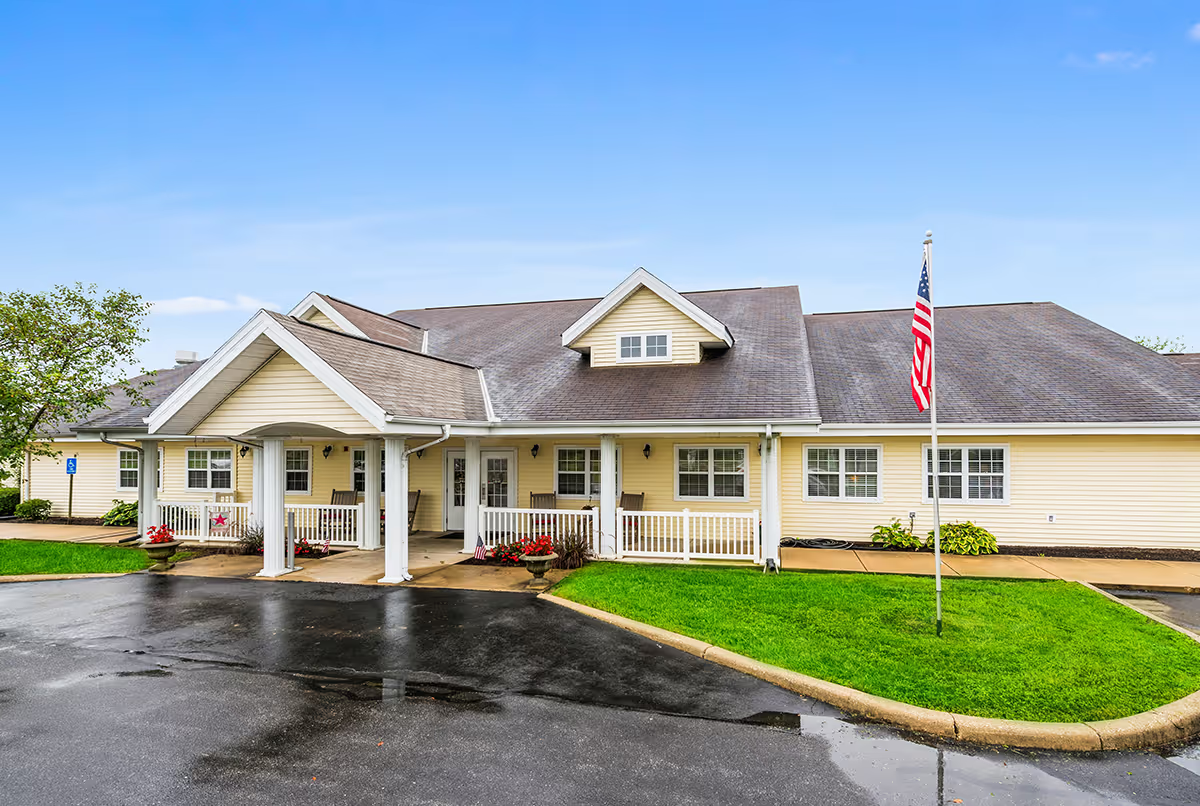
The Wellington at Southport presents a mixed but clear pattern of strengths and operational weaknesses. On the positive side, the community offers attractive outdoor landscaping, a secure campus, and a range of on-site services that support daily living and rehabilitation: on-site physical therapy, a hair salon/barber, laundry, and therapy-animal visits. Dining is structured around three daily meals with a snack area available, and many reviewers praised a large, bright dining room and an overall value proposition that includes acceptance of Medicaid waivers. Renovations to interiors and individual apartments, private bathrooms with walk-in showers, and the ability to personalize units contribute to a more comfortable living environment for many residents. The memory-care unit and dementia-focused programming are noted strengths in several accounts, with structured activities and specialized engagement described in some areas.
Staff and care quality reviews are polarized. Numerous comments describe direct-care staff as friendly, compassionate, and attentive; families reported respectful treatment, dignified care, and proactive engagement by some clinical and activities personnel. At the same time, there is a recurrent pattern of inconsistent staffing levels, high turnover, and variable responsiveness that has impacted care continuity for some residents. Specific operational concerns raised include medication-management lapses, missed or delayed clinical tasks, and inconsistent follow-through on family communication. These items indicate uneven clinical oversight rather than a uniformly poor or uniformly excellent care model.
Dining and activities are generally available and include crafts, games, outings, and occasional special events (on-site carnivals, fishing trips, social hours). Yet reviewers also described variability: some found meals very good while others reported limited menu choices, small portions, or occasional shortages in service. Activities programming is present and, where an engaged activities director is in place, well attended; however, reviewers also described cancellations, limited variety in daily options, and times when the activity schedule felt sparse.
Facility condition is another area of dual impressions. Many accounts praise recent renovations, clean rooms, and well-kept grounds with peaceful outdoor areas. Conversely, the facility's age and an underlying clinical or nursing-home aesthetic persist for some visitors and residents despite cosmetic updates. Several reviews raised environmental concerns — including mold/mildew and odor issues in particular areas — and called attention to delays in maintenance or repairs. Location factors (proximity to a major highway and a mostly paved grounds/parking environment) also affect access and immediate outdoor privacy for some families.
Management, admissions, and operational transparency are recurring themes in critical feedback. Reviewers described inconsistent communication from admissions and administration, slow or unreturned calls, and uneven follow-up during move-in or tour processes. Concerns about billing clarity and the way additional care is priced beyond room and board were also noted. A small number of reviewers made serious allegations about financial misconduct by staff; such claims warrant careful, documented follow-up by prospective residents and families.
Overall, Wellington at Southport appears to deliver many of the amenities and services families expect from a midmarket assisted-living community, and it has clear strengths in therapy services, on-site conveniences, and social programming when staffing and leadership are stable. Prospective residents and families should weigh those positives against evidence of inconsistency in staffing, management responsiveness, environmental maintenance, and meal/service reliability. For families considering this community, suggested next steps include clarifying current staffing ratios and turnover, requesting recent inspection or remediation documentation related to environmental concerns, obtaining a written explanation of ancillary-care pricing, and meeting the clinical leadership responsible for medication and care coordination prior to move-in.