Overall impression Morgantown Health Care–Inn elicits a mixed but clear pattern: many accounts describe warm, attentive caregiving and deliberate clinical practices, while other accounts raise concerns about facility maintenance, sanitation consistency, and staffing reliability. Families frequently note that nursing staff and nursing assistants provide compassionate, resident-centered attention and that clinical practices such as routine turning/repositioning and respiratory-prevention efforts are in place. At the same time, there are persistent operational issues that merit careful evaluation by prospective residents and their families.
Care quality Clinical care receives both strong praise and criticism. Positive details include proactive measures to reduce pressure injuries and pneumonia and staff who spend extra time with residents to maintain social contact. These elements suggest that when staffing and supervision are functioning well, the facility can deliver attentive, personalized care. Conversely, some accounts describe lapses in care and variability between shifts or personnel; this points to inconsistency in care quality that families should probe during visits and care-plan discussions.
Staff and workplace culture Staff are regularly described as friendly, hardworking, and well-liked by residents, and there are reports that management has removed problematic personnel when issues were identified. However, there are also recurring concerns about staff conduct, policy noncompliance, and workforce pressures. Comments about low pay, morale, and staffing reliability indicate potential retention challenges that could affect continuity of care. Prospective families should ask about staff turnover rates, staff training, and how the facility enforces professional standards.
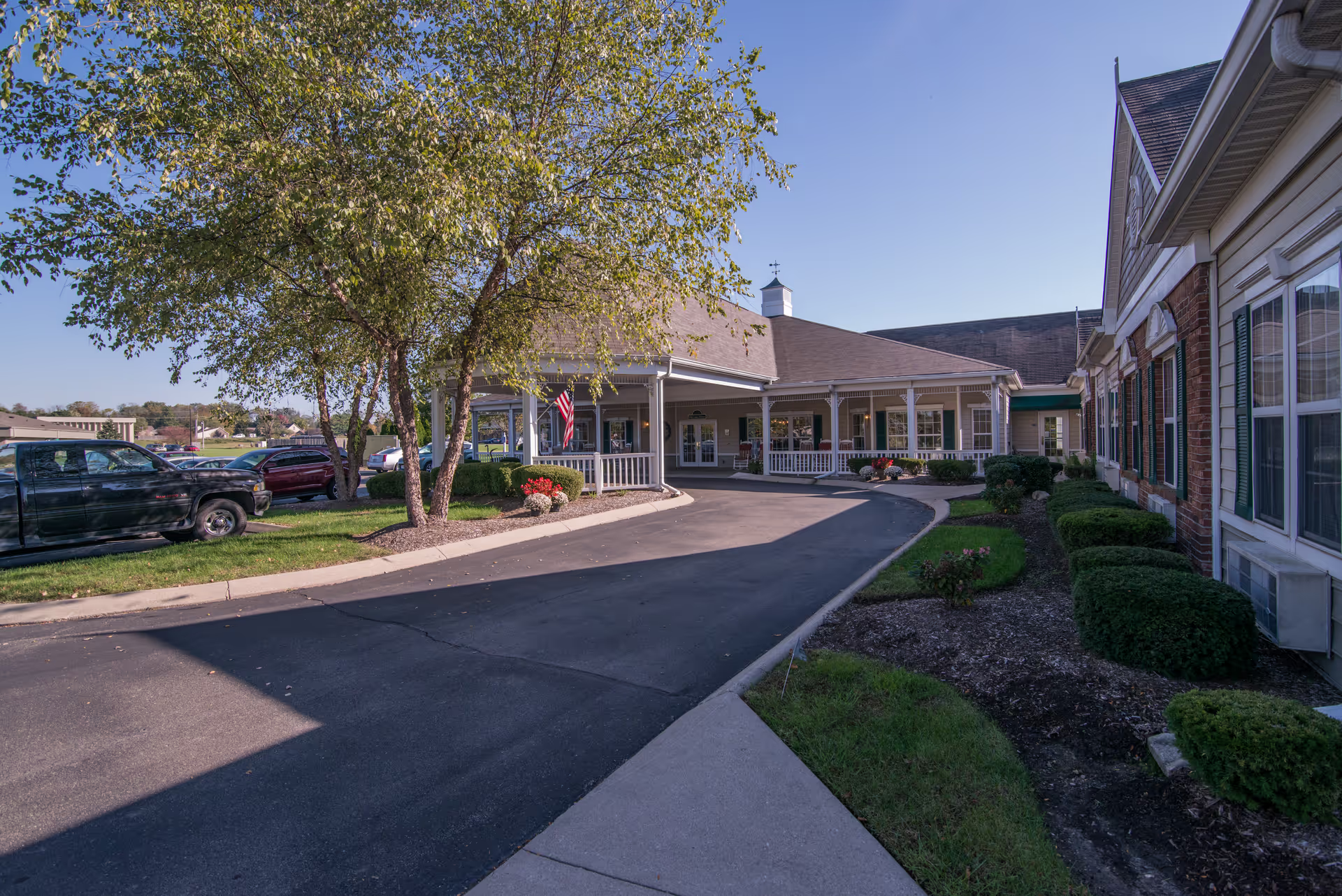
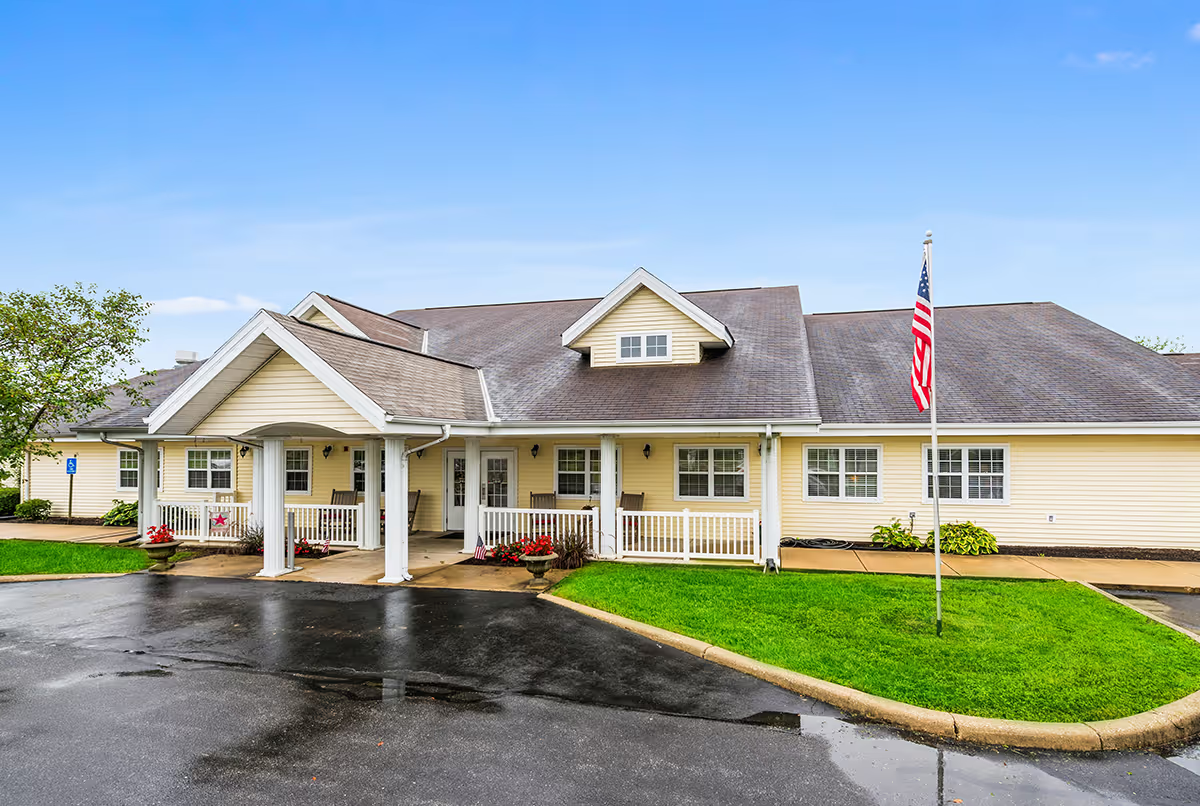
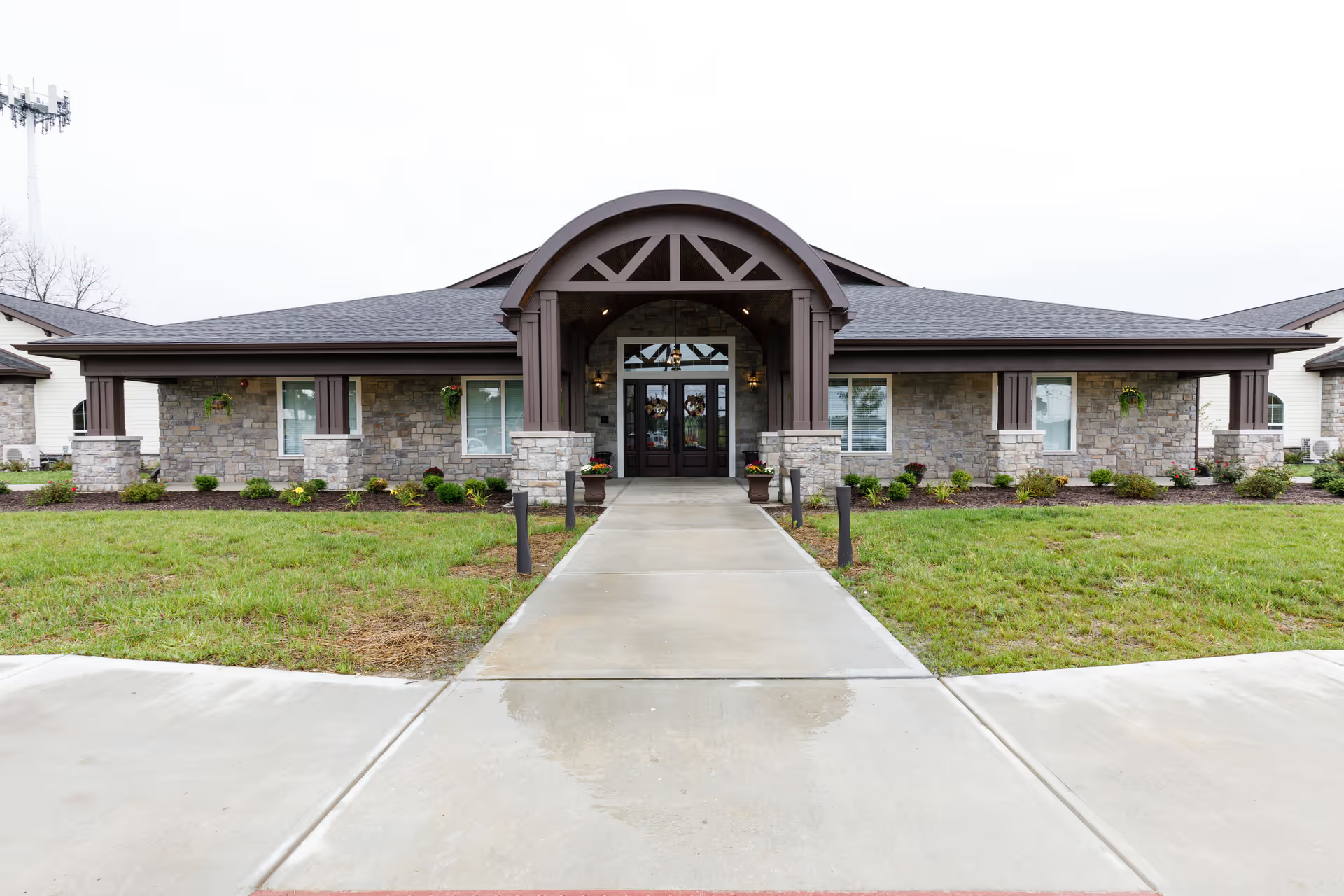
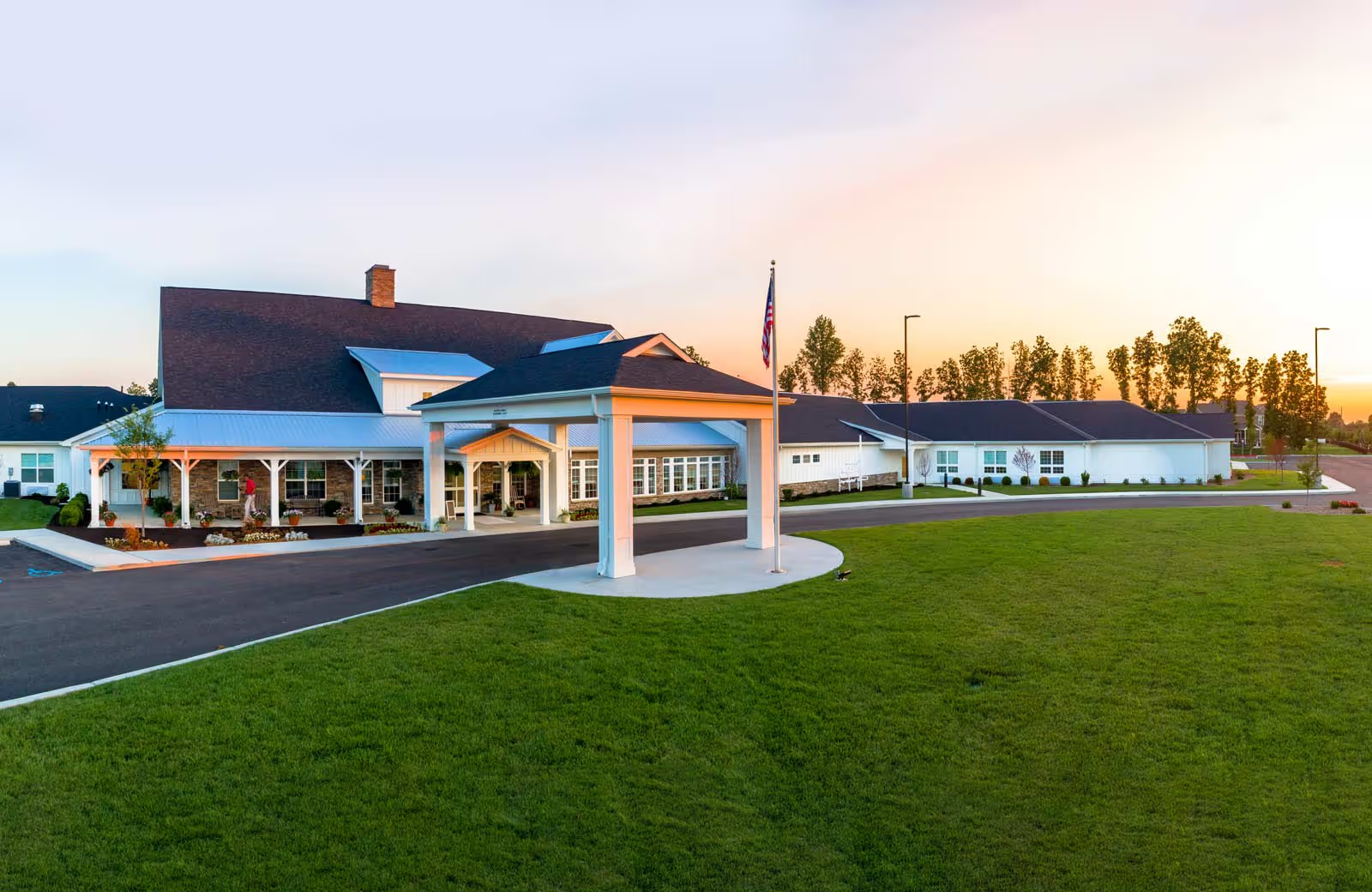
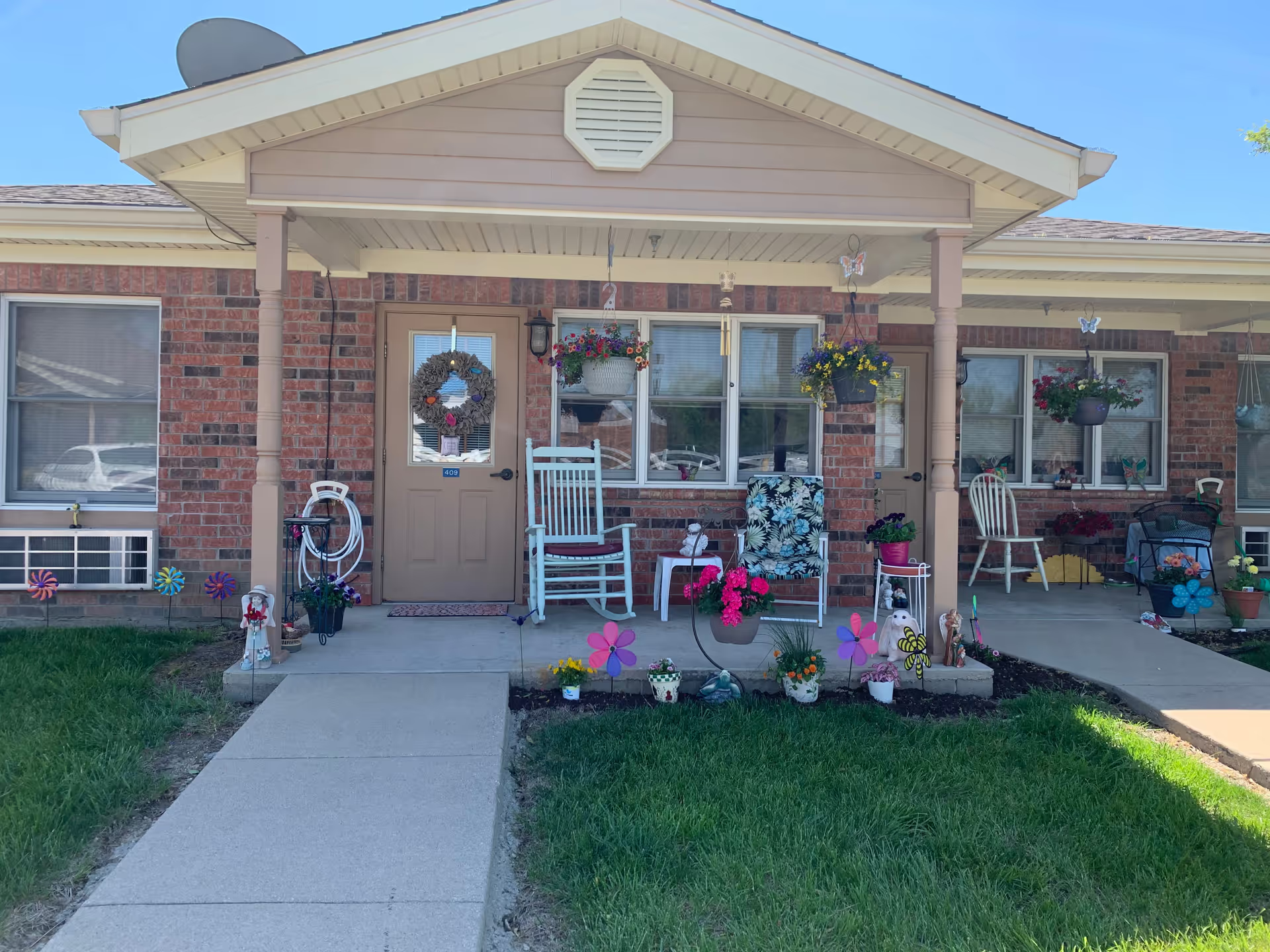
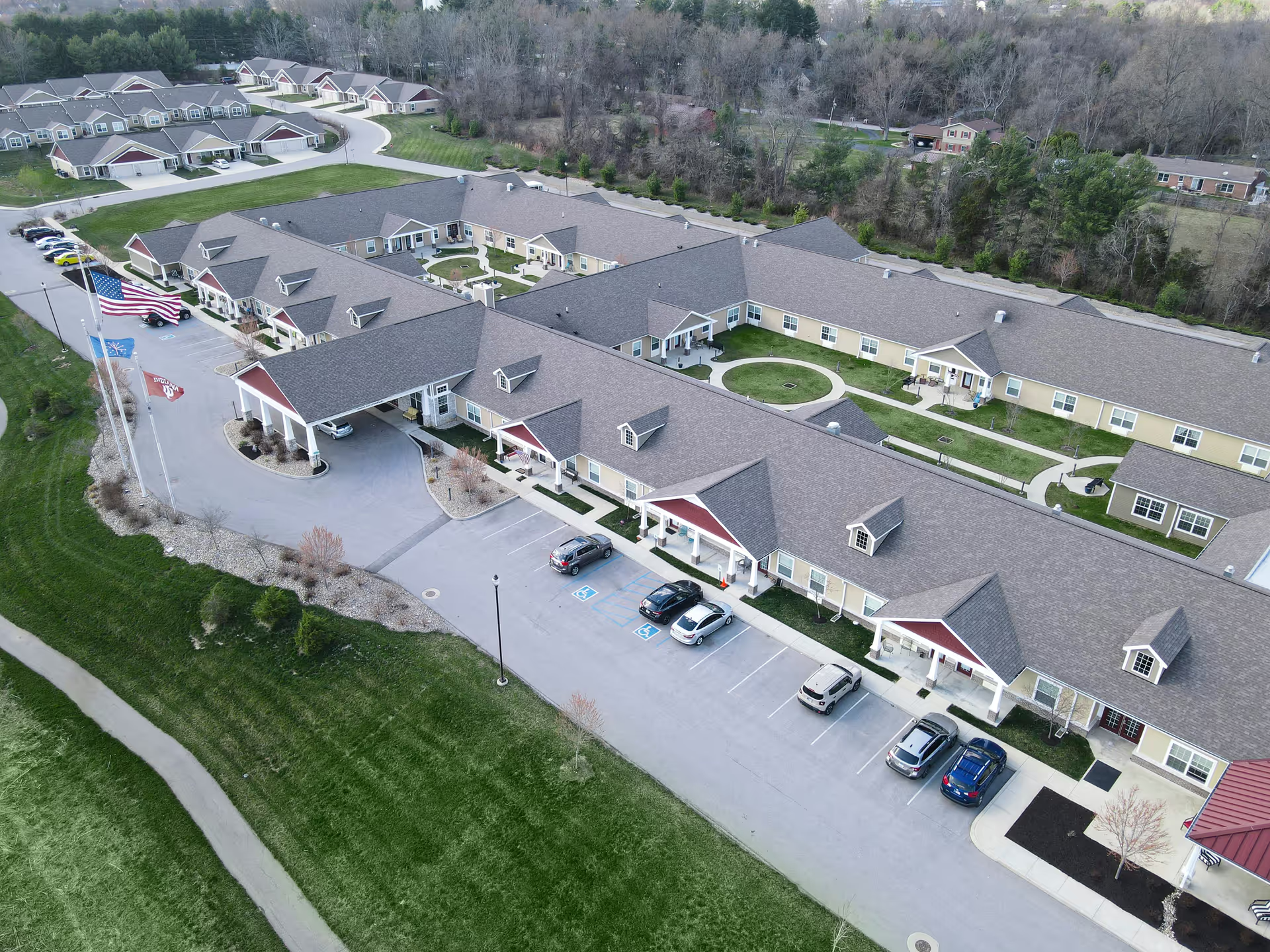
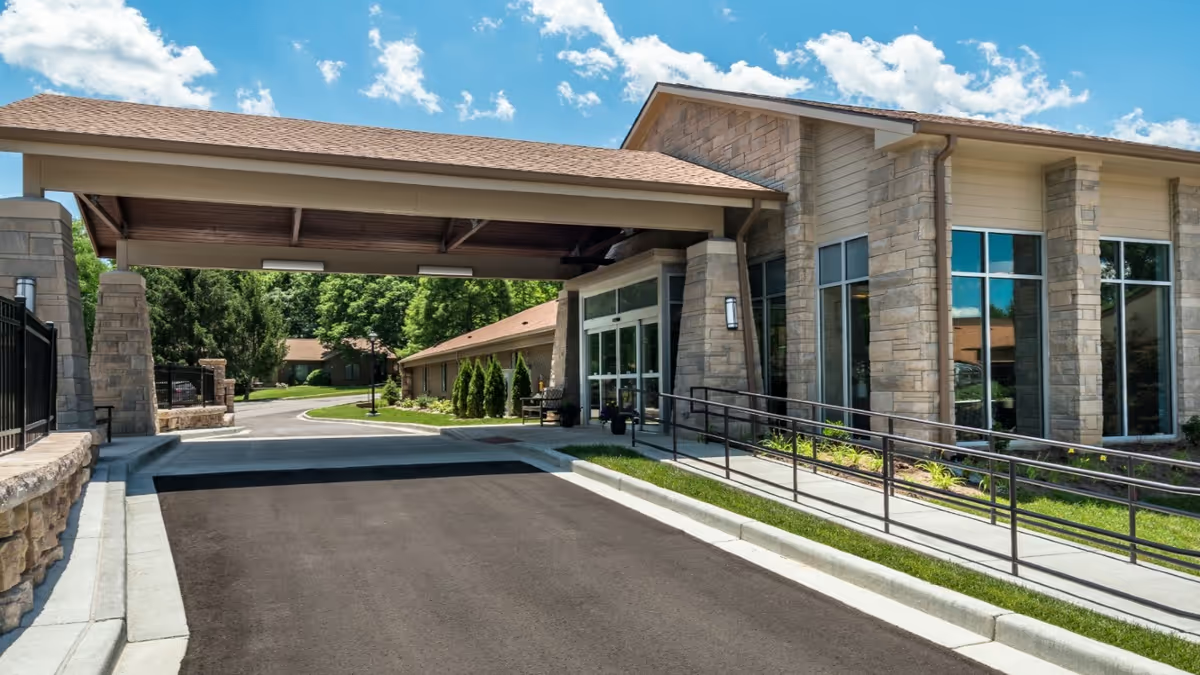
Facilities, housekeeping, and safety Facility descriptions are mixed. Positive observations note effective housekeeping and generally clean common areas with a pleasant environment in parts of the building. At the same time, several accounts identify aging infrastructure, dated furnishings, and specific maintenance and accessibility problems (including ramp and flooring concerns) as operational weaknesses. There are also sanitation and odor concerns noted in some accounts. Together these suggest uneven maintenance and environmental standards; during a visit, inspect resident rooms, bathrooms, common areas, and mobility aids for both cleanliness and safety.
Dining and activities There is limited direct commentary about dining in the available summaries; no clear pattern of food quality or meal-service reliability emerges. Activities and social engagement are more consistently noted, with staff spending extra time to reduce isolation and create a home-like atmosphere. Families should request activity calendars and sample menus, and observe mealtime and an activity session to assess appropriateness and resident engagement.
Management and oversight Perceptions of management and ownership are mixed. Some positive actions—such as addressing individual personnel problems—are reported, but there are also broader concerns about ownership involvement, policy enforcement, and consistency of oversight. These governance and operational gaps likely contribute to the variability seen in cleanliness, maintenance, and staff performance. Ask for documentation of recent inspections, corrective-action plans, staffing metrics, and who is responsible for day-to-day oversight and long-term capital improvements.
Notable patterns and recommendations The strongest positive pattern is the presence of caring, engaged caregivers and specific clinical practices aimed at preventing pressure injuries and respiratory complications. The strongest concerns are operational: aging infrastructure, inconsistent sanitation and maintenance, staffing reliability, and policy enforcement. For a prospective resident or family member, recommended next steps include an on-site tour focused on environmental conditions and accessibility, meetings with the director of nursing and administration about staffing and training, review of recent inspection reports, and observation of mealtime and an activity. These actions will help assess whether the facility’s caregiving strengths are supported by consistent operations and adequate oversight.