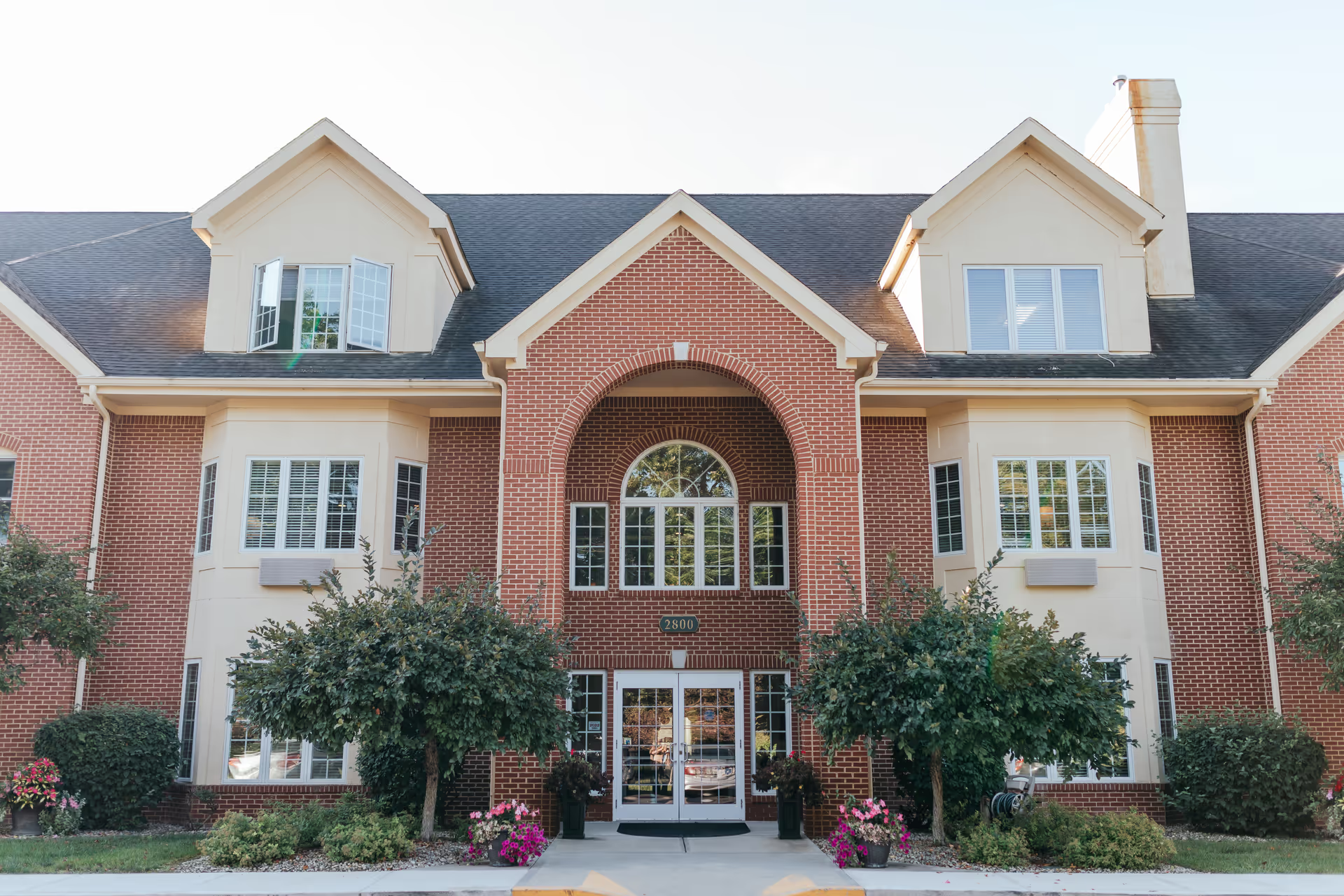
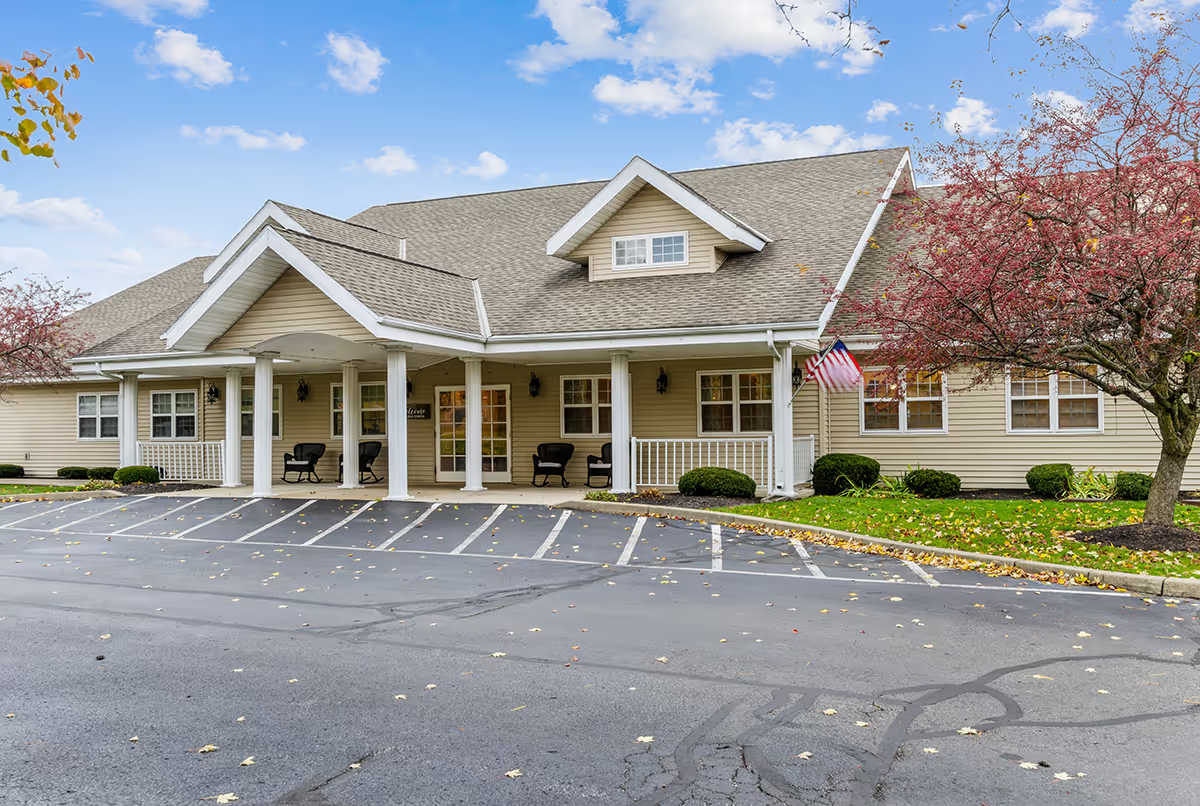
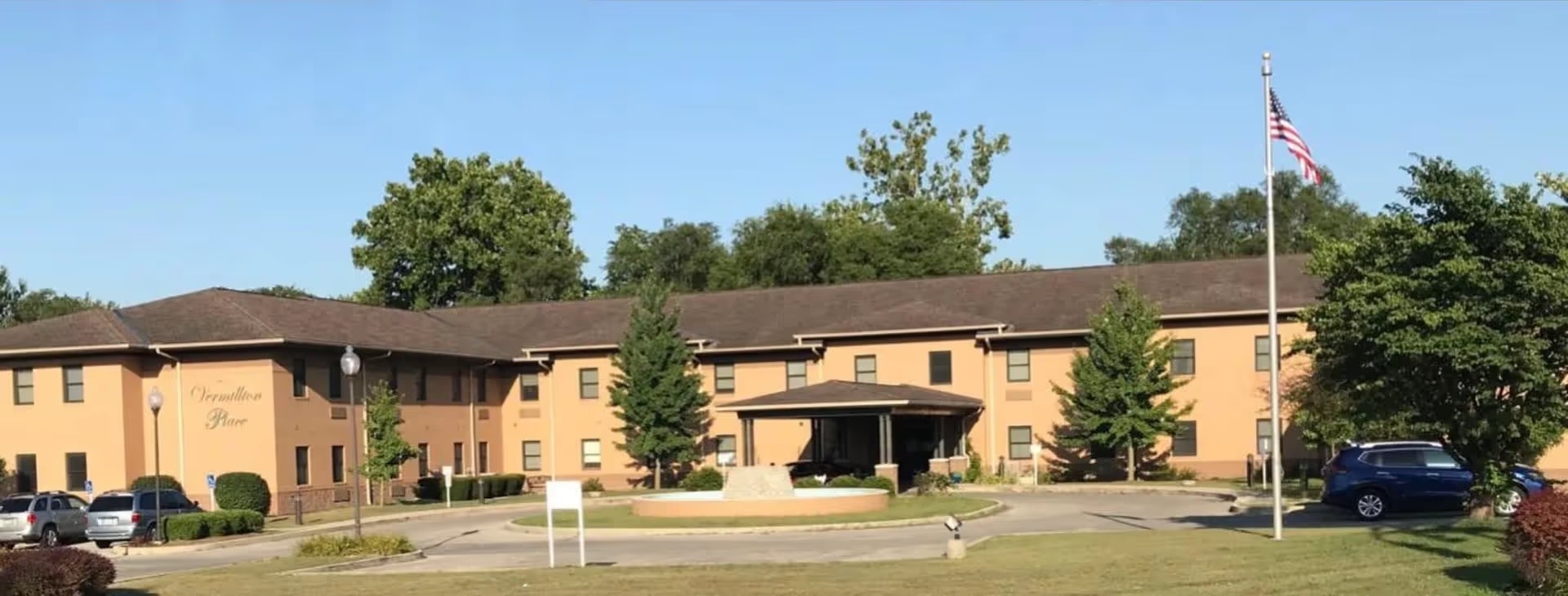
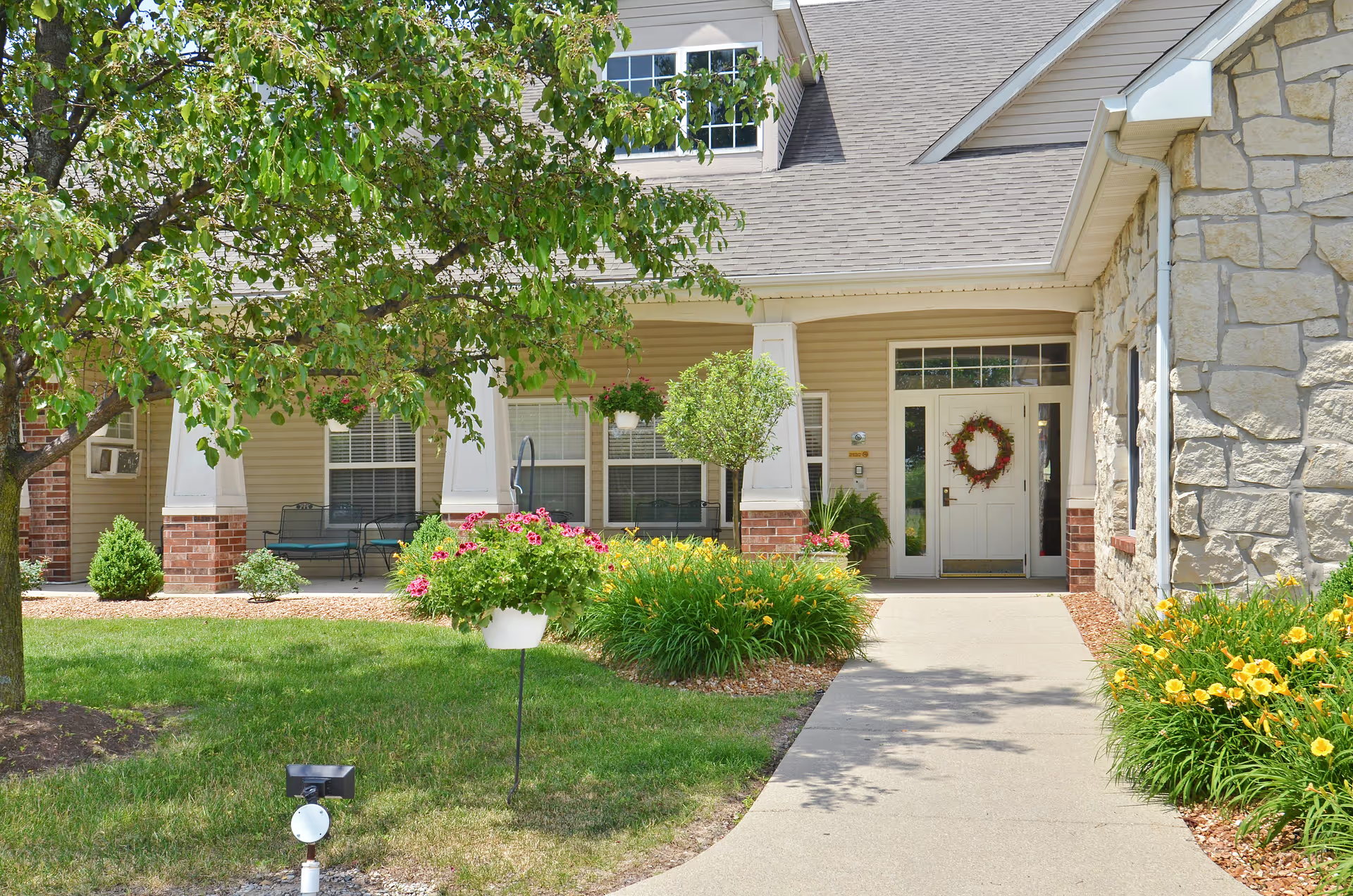
Overall impression: Glen Oaks Health Campus is frequently described as a clean, well‑maintained facility with a strong therapy/rehab program and a family‑like caregiving culture. Reviewers consistently highlight compassionate, personable staff and a campus that appears tidy, odor‑free, and welcoming. Many families praise the admissions and transportation process and emphasize that the facility delivers good value for the level of care provided.
Care and staff: The facility's clinical strengths are repeatedly identified: skilled nurses, attentive CNAs, and a goal‑oriented therapy team that helps residents meet rehabilitation goals. Staff are commonly characterized as kind, affectionate, and willing to go beyond basic duties, creating a familial atmosphere for residents and families. Memory‑care programming and dementia‑appropriate approaches are also noted as positive features. However, there are recurring concerns about staffing variability — particularly on weekends — and instances where families experienced delayed responses or felt their requests were not consistently addressed. These issues point to variability in day‑to‑day responsiveness rather than systemic clinical incompetence.
Dining and nutrition: Dining is frequently highlighted as a strength. Reviewers mention high‑quality, flavorful meals, varied menus, themed dinners, and a pleasant dining environment. At the same time, a small number of accounts describe inconsistent meal handling or a mishandled dietary concern, indicating unevenness in dietary practice or communication in some situations. Prospective families should confirm menu options, special‑diet procedures, and kitchen communication processes during a tour.
Activities and social life: The activity program is robust from the perspective of many families: games, live music, bingo, karaoke, religious services, outings, and a daily activities list contribute to an engaging environment. Residents are frequently observed as active and content. This programming appears to be a genuine asset for social and cognitive stimulation.
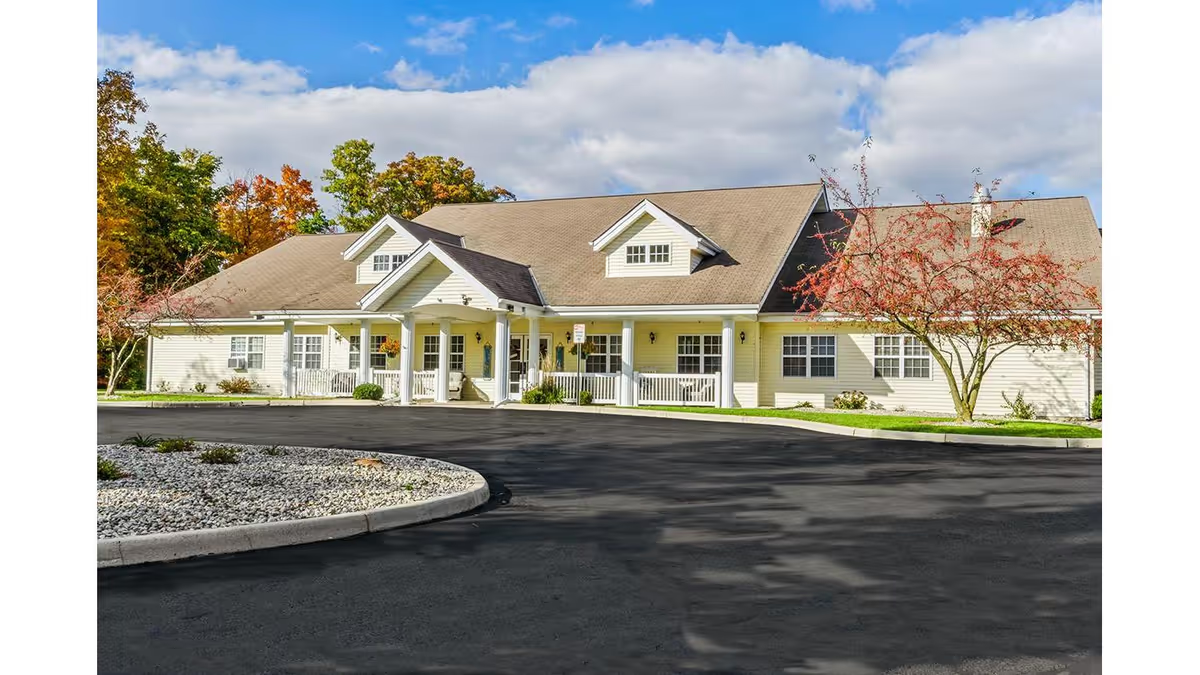
Facilities and comfort: The campus is described as attractive, very clean, and well cared for, with pleasant outdoor spaces such as a courtyard. Facility design includes primarily studio accommodations; reviewers note rooms tend to be small with limited privacy and dorm‑sized appliances. Some families flagged resident comfort issues related to mattress/bed quality and heating controls located near exterior windows that can create variable room temperatures. Those considerations may be important for individuals with specific space or comfort needs.
Management and patterns to monitor: Communication and family engagement are strengths in many accounts, but there is a notable pattern of variability: some families report excellent, respectful communication while others experienced ignored requests, long waits for assistance, or concerns about personal items. Additional operational issues include occasional staff distraction due to device use and gaps in public information (for example, visiting hours not listed on the website). These items suggest management attention to staffing consistency, device‑use policy enforcement, property controls, and external communications would be beneficial.
Recommendation: Glen Oaks appears well suited for families prioritizing strong rehabilitation services, compassionate caregiving, active programming, and a clean campus. Prospective residents and families should tour individual rooms to assess size, mattress comfort, and heating controls; ask about weekend staffing levels and contingency plans; review dietary accommodation procedures; and clarify property‑management policies and visiting‑hour information. Doing so will help align expectations with operational realities and support a successful placement if Glen Oaks’ strengths meet a family’s priorities.