Reviewers describe a facility with clear strengths in rehabilitation, dementia care, and certain aspects of frontline caregiving, paired with persistent operational weaknesses that prospective families should evaluate. The most consistent positives relate to therapy and memory-care programming: physical and occupational therapy teams are frequently characterized as thorough and effective, producing measurable mobility and confidence improvements. Many families also value dementia-focused activities, social engagement opportunities, and comfortable memory-care accommodations. Admissions and some administrative staff are described as helpful and supportive, facilitating relatively smooth transitions for new residents. The facility’s proximity to Henry County Hospital is noted as a logistical advantage.
Clinical-care observations are mixed. Multiple comments indicate strong day-to-day nursing attention in many cases, but there are recurring concerns about wound and catheter management, and instances of delayed or skipped treatments. These issues suggest variability in clinical-follow through and infection-risk management that families should clarify with facility leadership. Reviewers also raised issues consistent with inconsistent nighttime supervision and intermittent monitoring, which can affect clinical outcomes and comfort for residents who require frequent attention.
Dining and nutrition emerged as a notable weakness. Reviewers described limited accommodation for special diets (including allergies, diabetes, and gout), a repetitive menu pattern, and instances of missed or interrupted meal service. Some families indicated they supplied supplemental food due to menu limitations while still being charged for meals. Sanitation and pest-control concerns in dining and resident areas were mentioned and should be inspected in person.
Staff conduct and operational behavior are an area of divergence. Many families praised caregiving staff as kind, attentive, and family-oriented, and highlighted staff who provide reassurance and strong therapeutic rapport. Conversely, there are reports of rough or impatient interactions, concerns about staff communication tone, and odor-related concerns tied to staff and symptomatic illness among personnel. Transport and transfer practices were also flagged for safety gaps (for example, improperly equipped wheelchairs or handling during transfers), indicating an operational area to review.
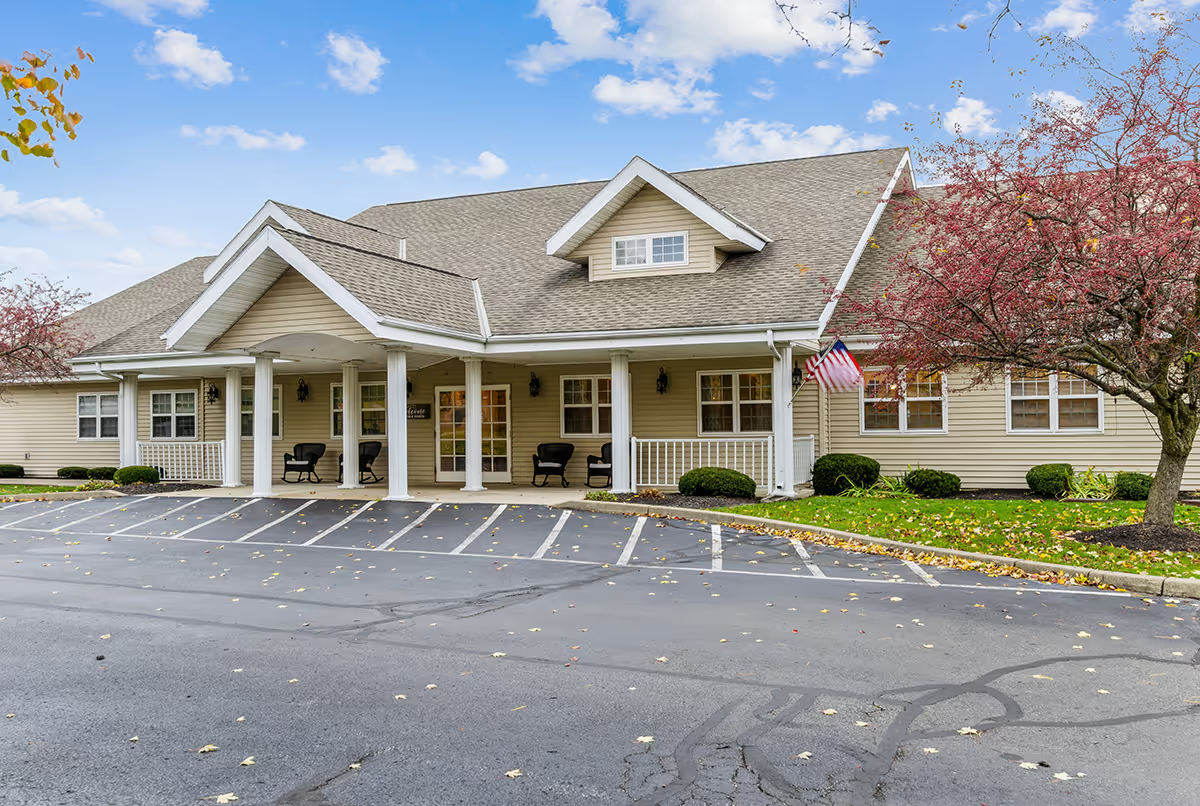
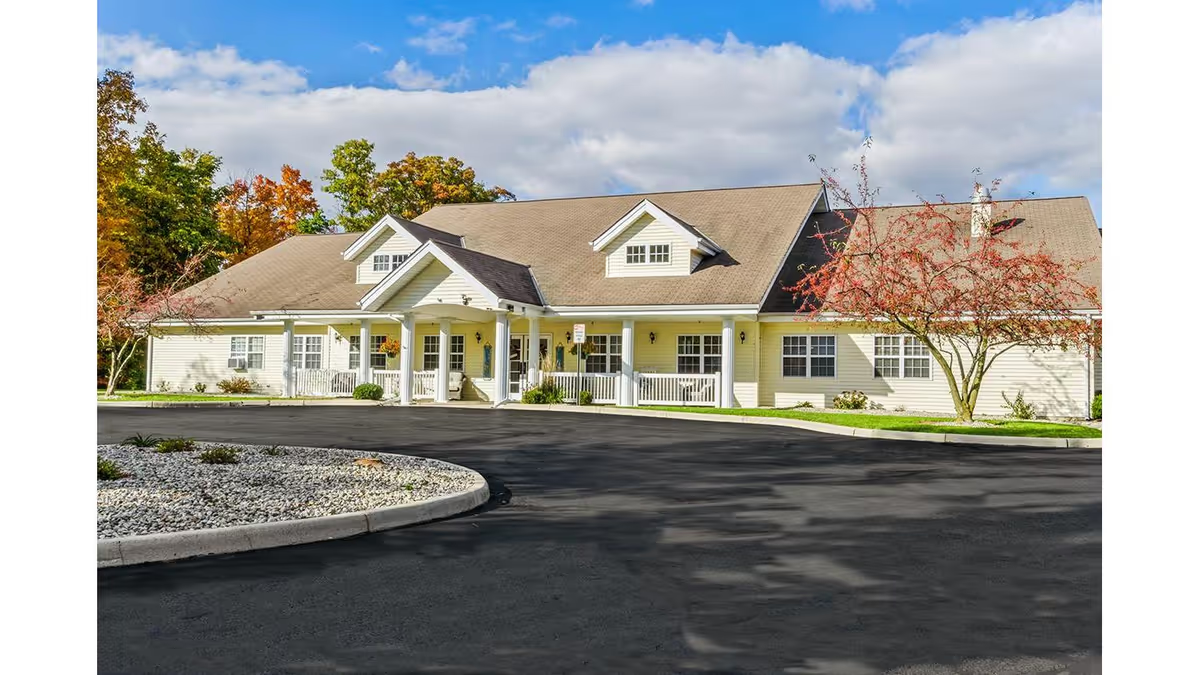
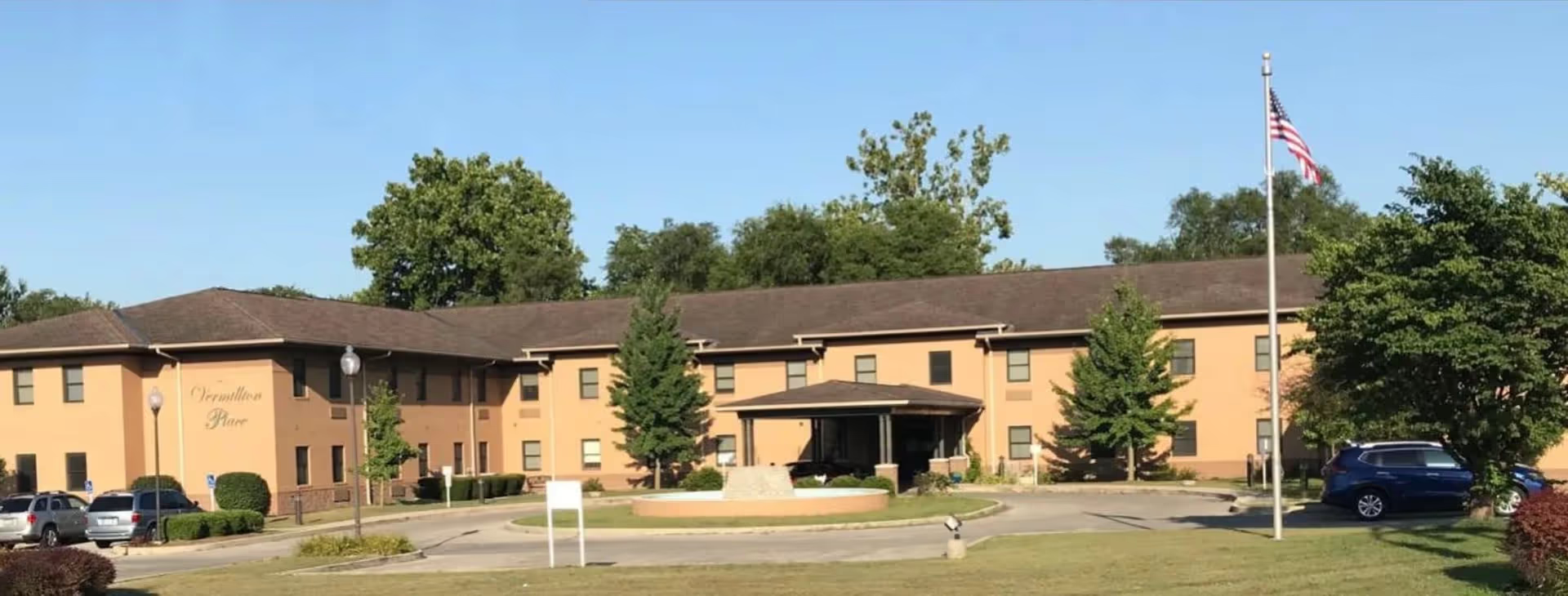
Facility condition and management responsiveness show variability. Some reviewers describe an apologetic and responsive administration that will address errors promptly; others report unresolved complaints and limited responsiveness from supervisors and the business office. Billing and guidance around Medicaid/Medicare were identified as areas where families experienced difficulty and desired clearer assistance. The physical plant is described as dated and in need of maintenance or an overhaul in places.
Overall, experiences at this facility appear polarized: many families report high-quality rehabilitation, attentive memory-care programming, and compassionate staff, while others report serious operational shortfalls in clinical follow-through, dining, sanitation, staff conduct, and management responsiveness. Prospective residents and families should observe therapy sessions, inspect dining and common areas, ask about wound- and catheter-care protocols, verify special-diet capabilities, review transfer and transport procedures, and clarify communication channels and billing support before making a placement decision.