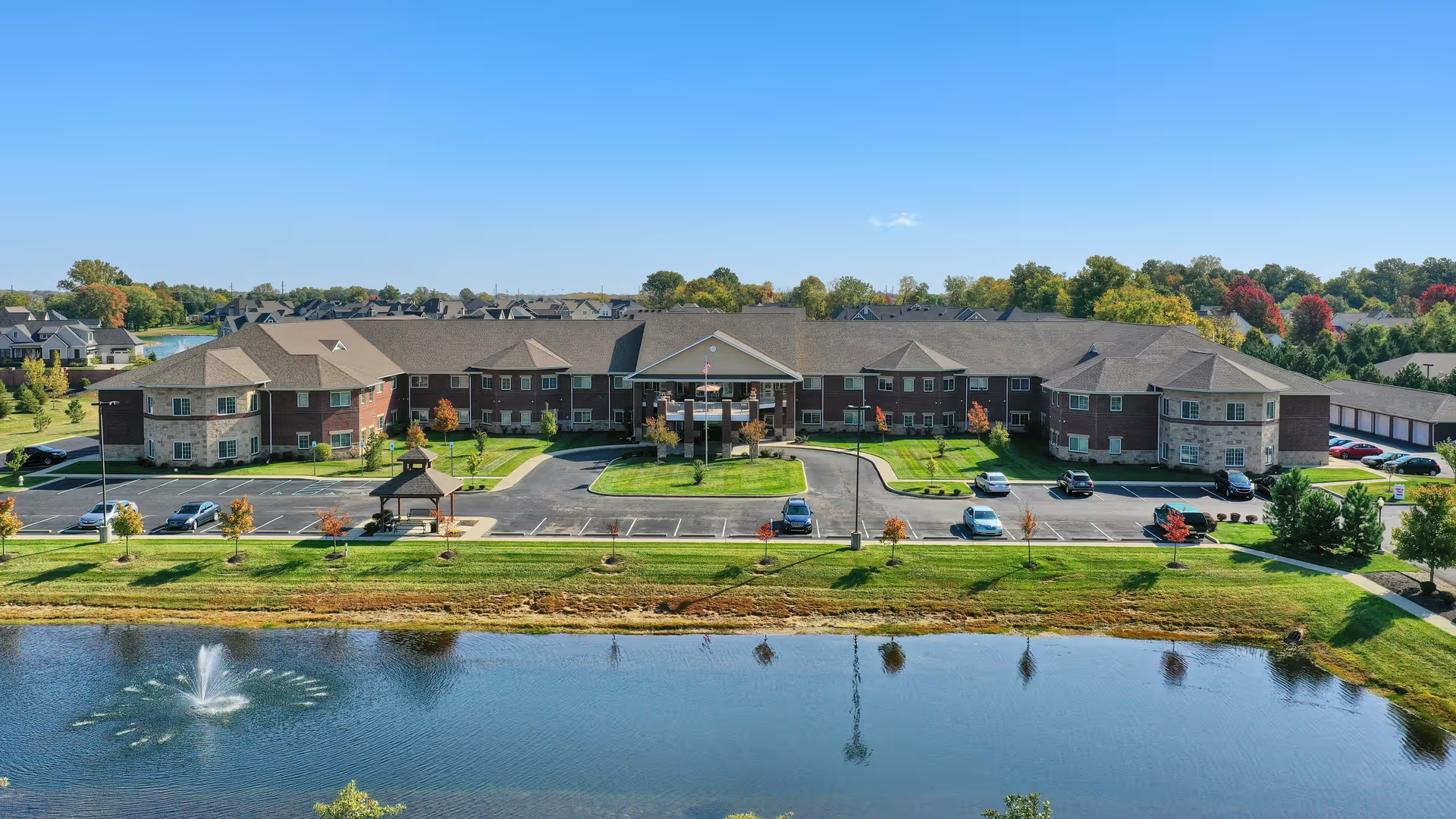
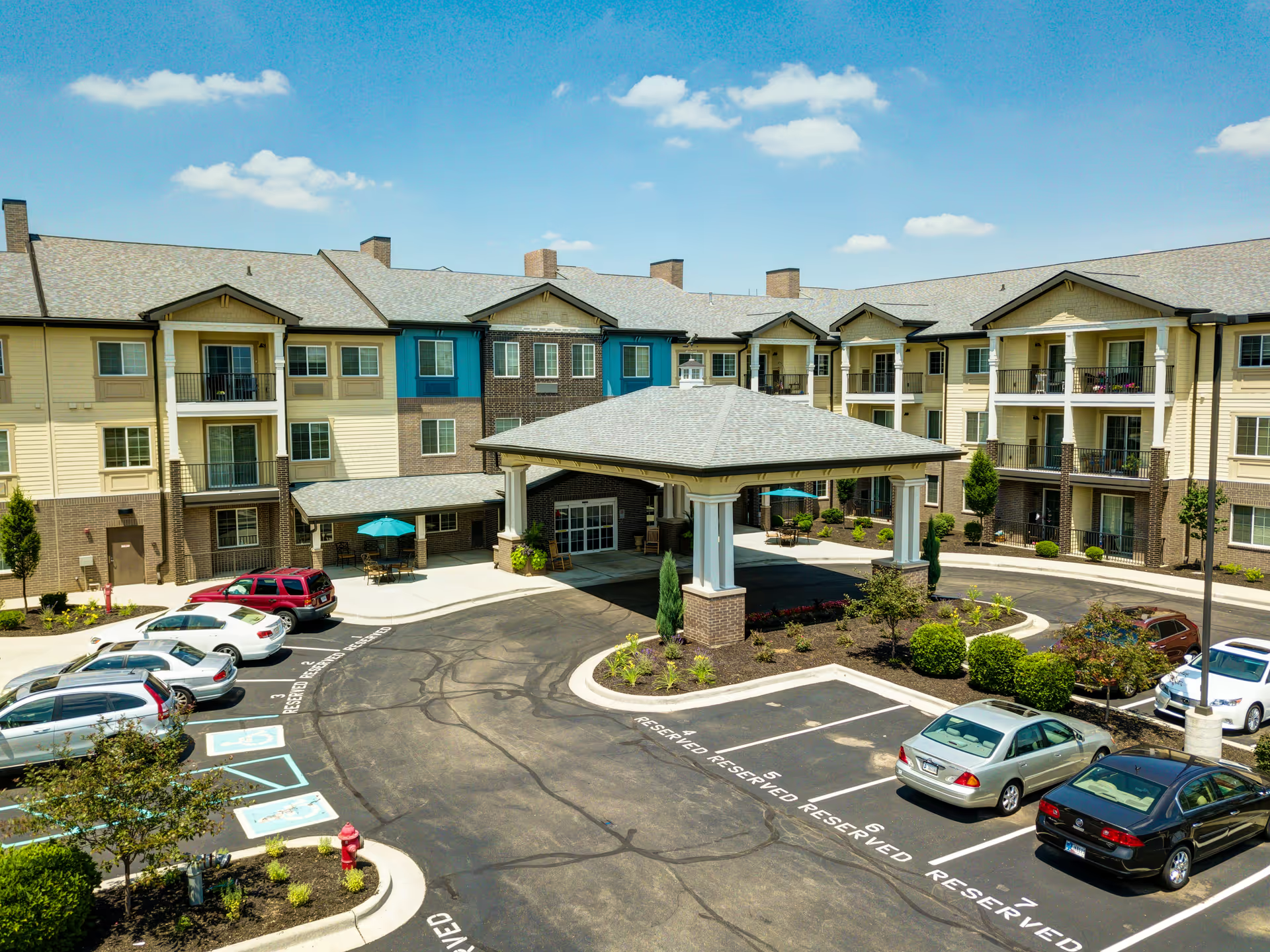
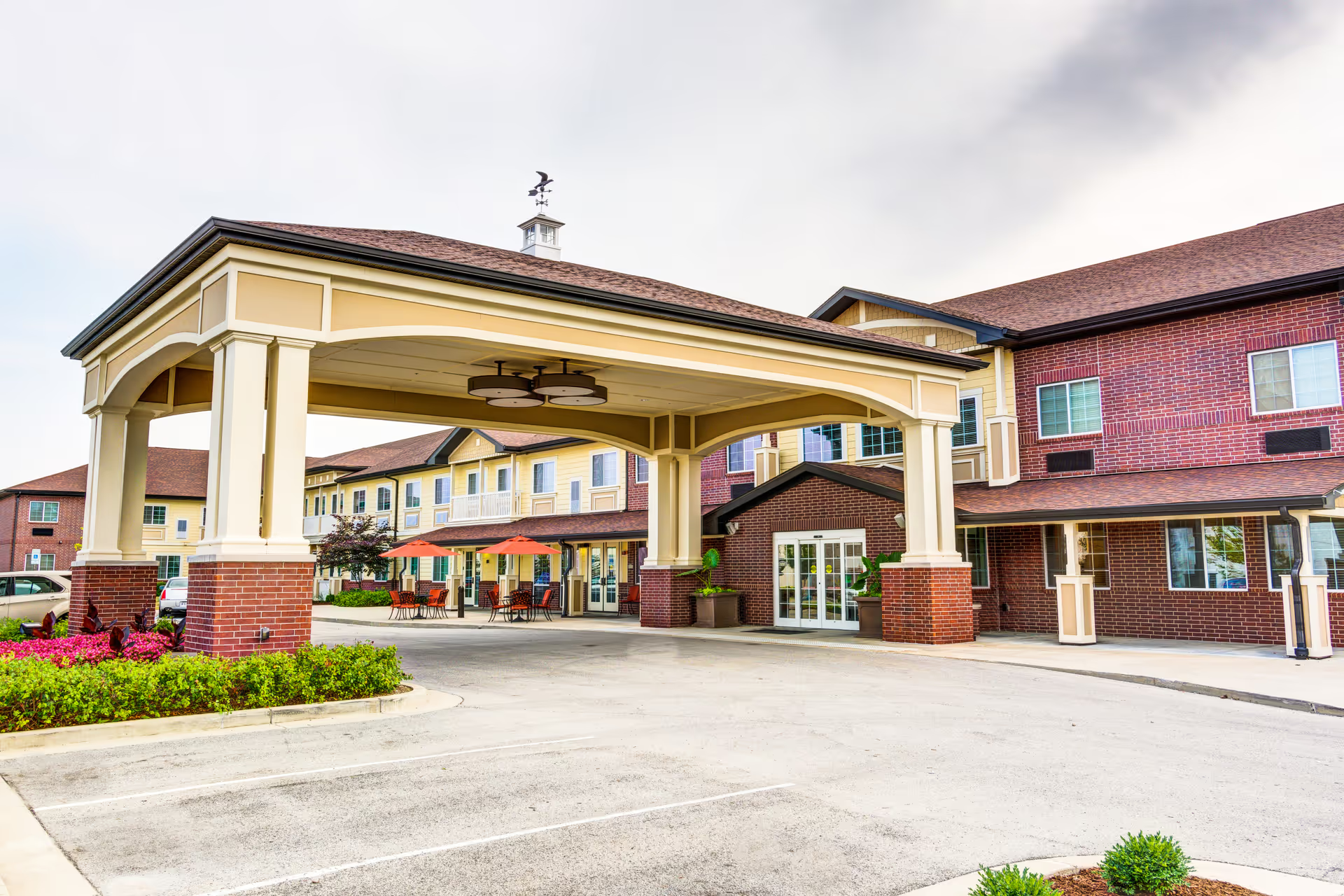
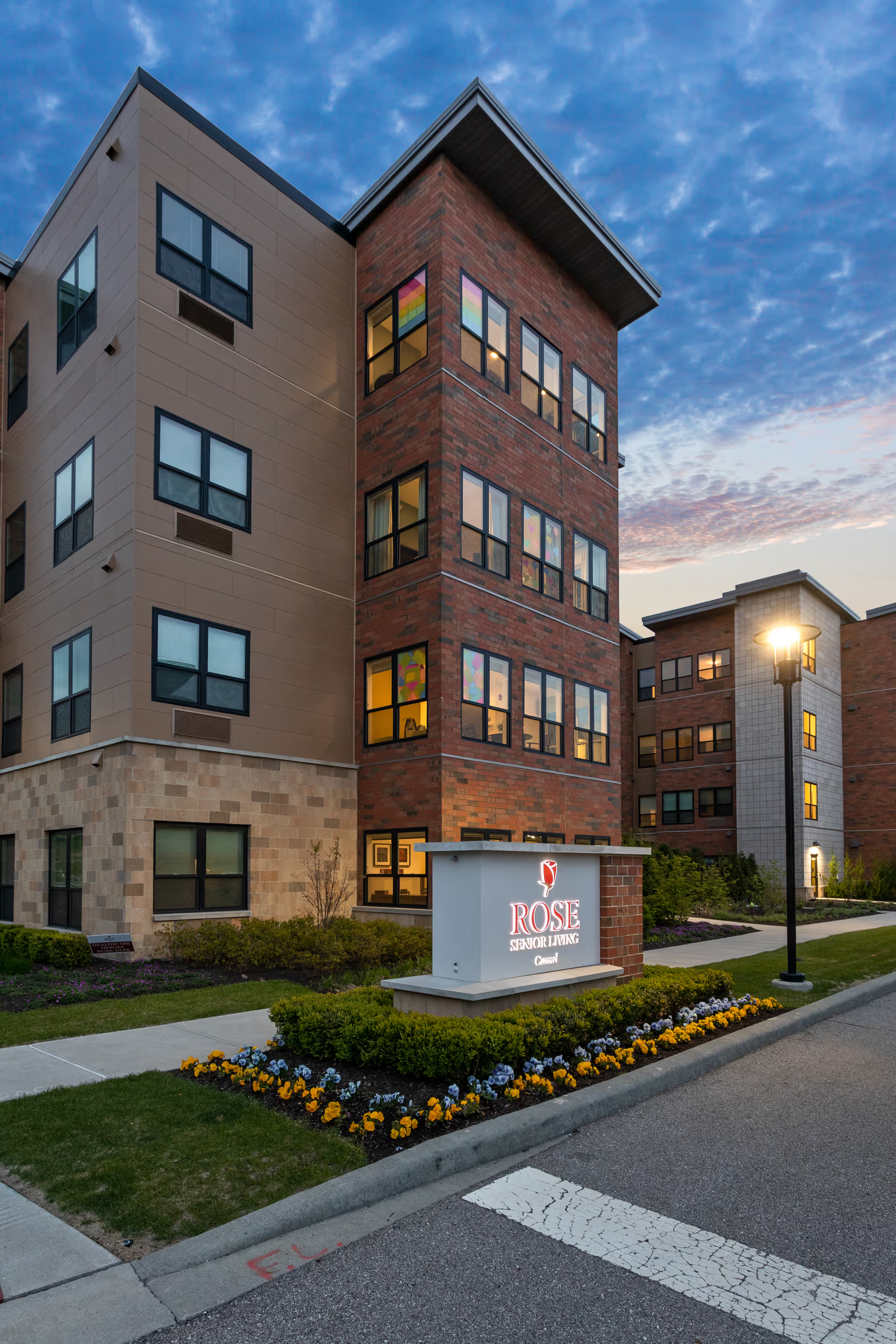
This facility elicits a mixed but distinct pattern of strengths and weaknesses. Many families and clinicians praise the rehabilitation program, therapy staff, and the compassion of numerous aides and nurses; these strengths are frequently coupled with large, apartment-style rooms, plentiful storage, and a broad set of on-site amenities that support social engagement. The activity program and communal offerings (movie theater, pub/coffee areas, game rooms, outings and worship) are consistently highlighted as meaningful contributors to resident quality of life.
Clinical care reviews are mixed. Physical, occupational, and speech therapy efforts are often described as skilled and effective, and several accounts indicate rapid functional progress and timely initiation of services. At the same time, reviewers describe variability in nursing responsiveness, delays in medication delivery, and shortcomings in medication reconciliation at discharge. These patterns suggest solid therapeutic resources but inconsistent nursing coverage and medication-management controls, particularly during weekends or when agency staff are used. Families should be aware of noted concerns about coordination of care plans, fall-prevention practices, and follow-up after discharge.
Dining and daily-living experiences vary by unit and shift. Some reviewers commend menu variety, multiple dining options, and attentive food service; others describe late meal delivery, cold plates, and inconsistent handling of dietary restrictions. Housekeeping and maintenance are generally seen as strengths in public spaces, but several commenters noted aging décor, lighting issues, and service delays for resident maintenance requests. Sanitation and incontinence-care practices were raised as a concern in certain units, indicating uneven application of hygiene protocols across the facility.
Operationally, leadership and admissions staff are often described as helpful and communicative, and several families point to effective transitions between assisted living, memory care, and skilled nursing areas. Conversely, human-resources and shift staffing practices appear to drive much of the variability in resident experience: reliance on temporary staff, inconsistent documentation, occasional privacy/record-keeping lapses, and reported losses of personal items have been cited. The net effect is a facility with strong programmatic and environmental assets that can deliver excellent rehabilitative and social care, paired with operational weaknesses that create inconsistent day-to-day experiences.
For prospective residents and families: the facility offers clear advantages in therapy, amenities, and communal life, but it is prudent to assess current staffing levels, medication-safety protocols, discharge coordination processes, and incontinence-care practices during an in-person tour. Asking about shift staffing ratios, temporary-staff usage, recent quality-improvement initiatives, and procedures for handling personal belongings can help determine whether the facility’s strengths will be consistently delivered in a given unit or at a particular time of day.