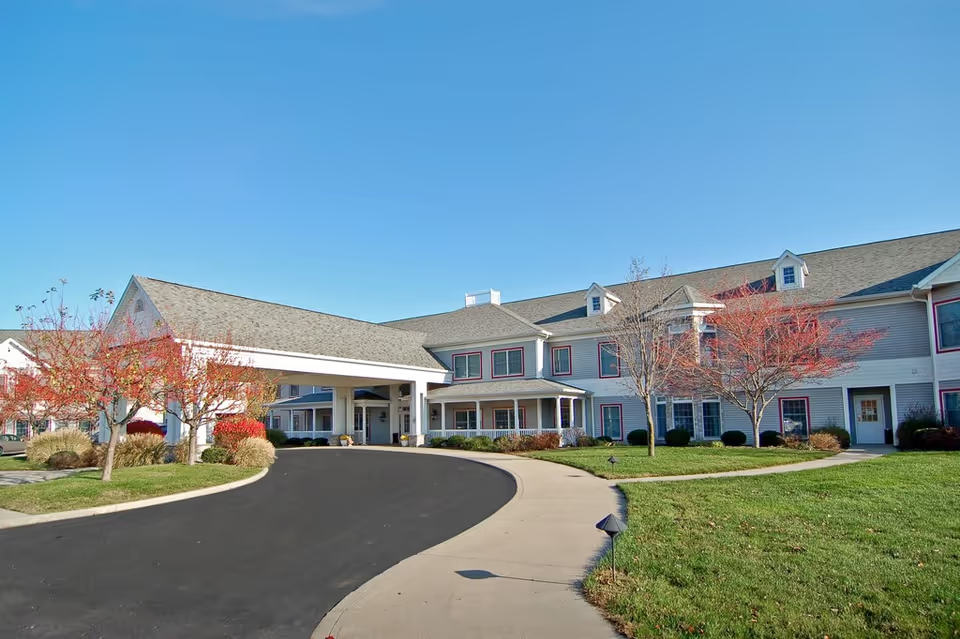
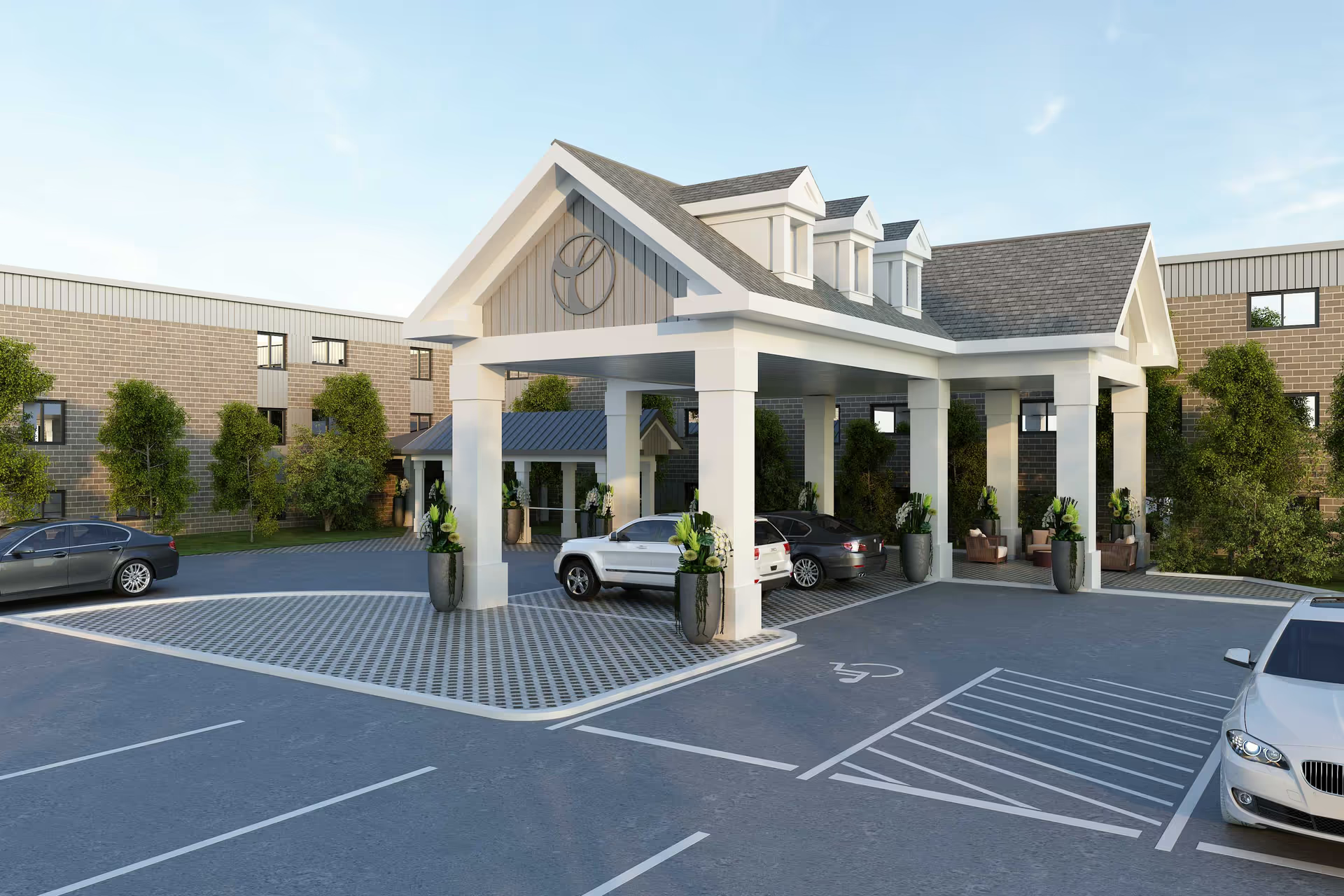
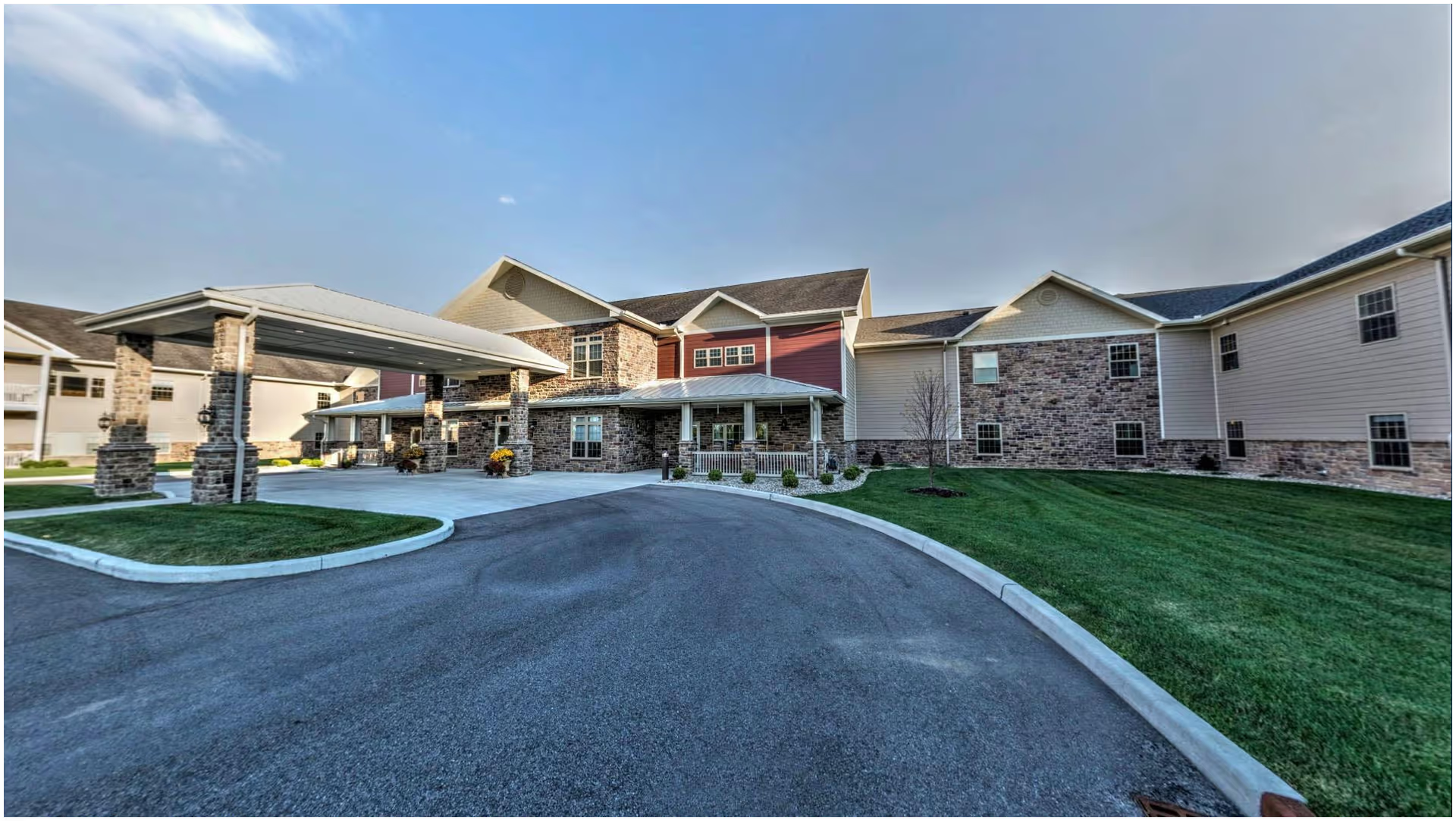
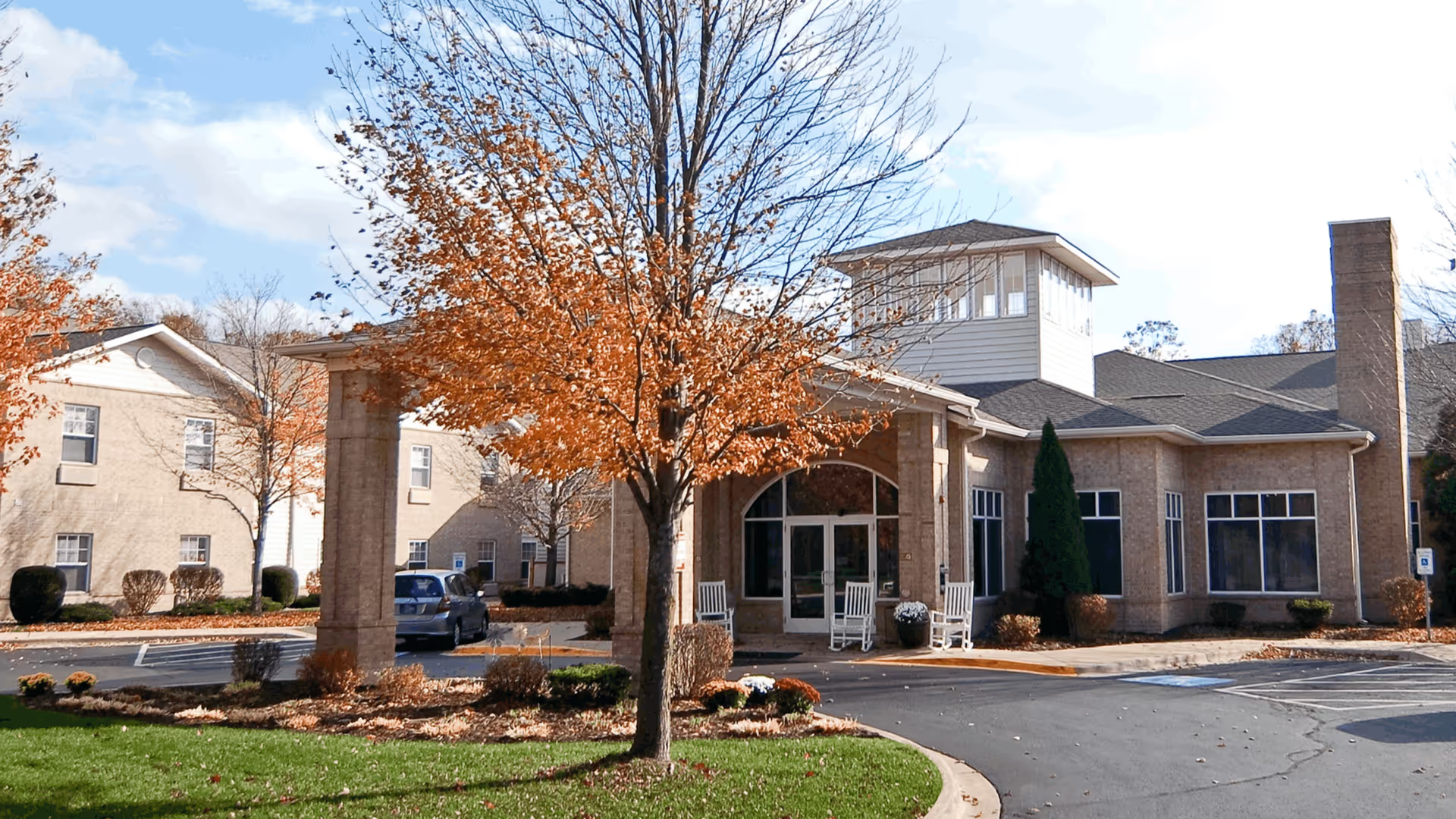
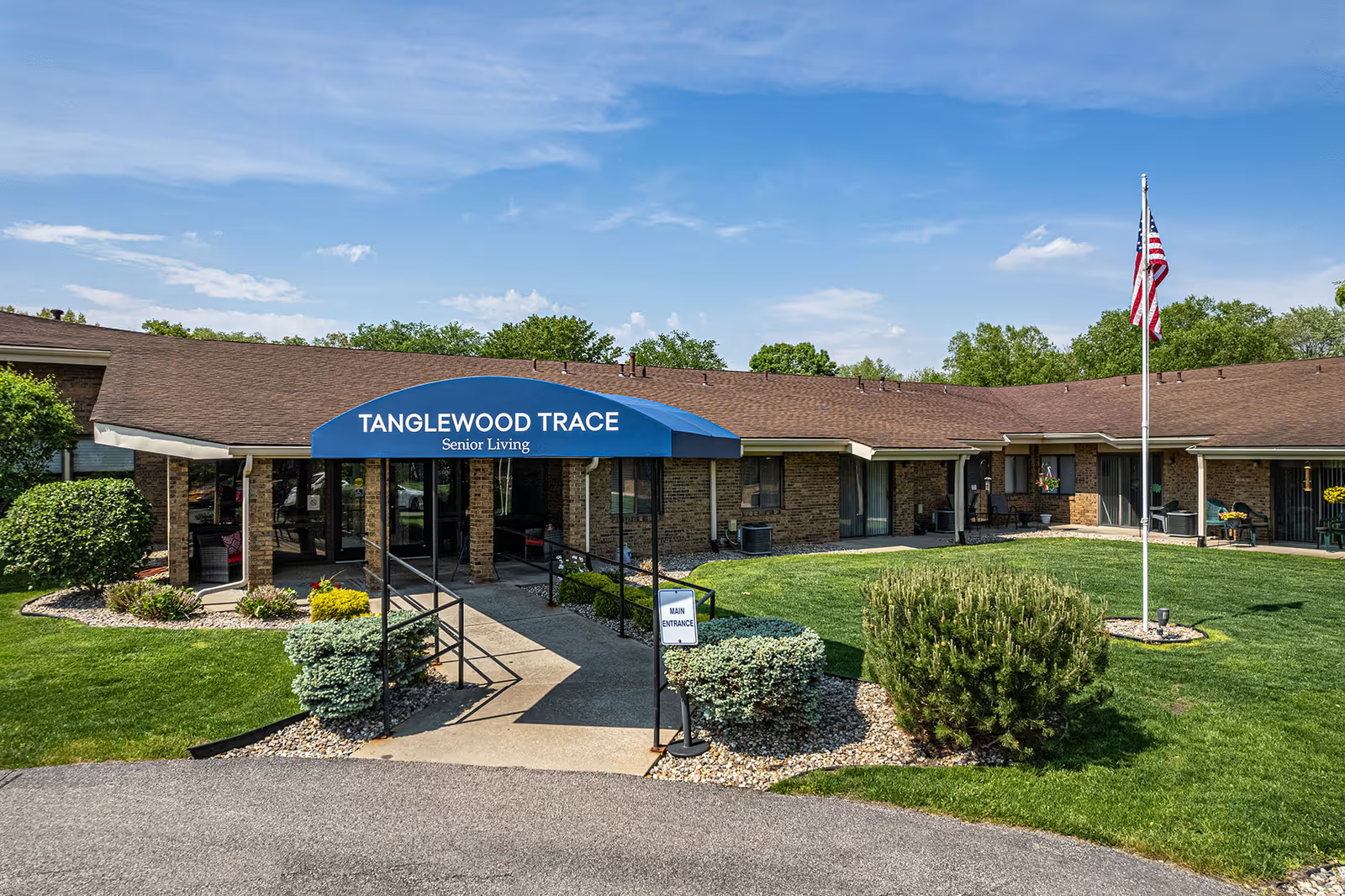
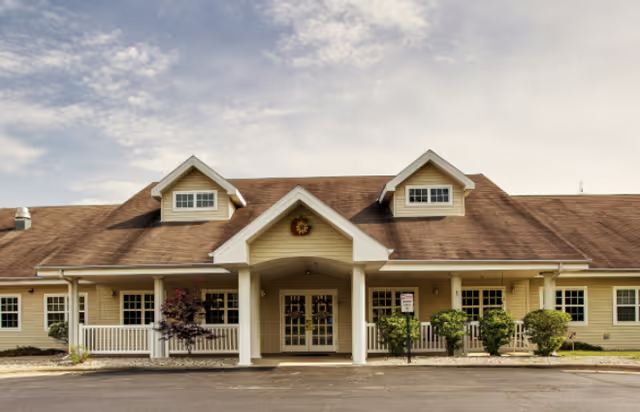
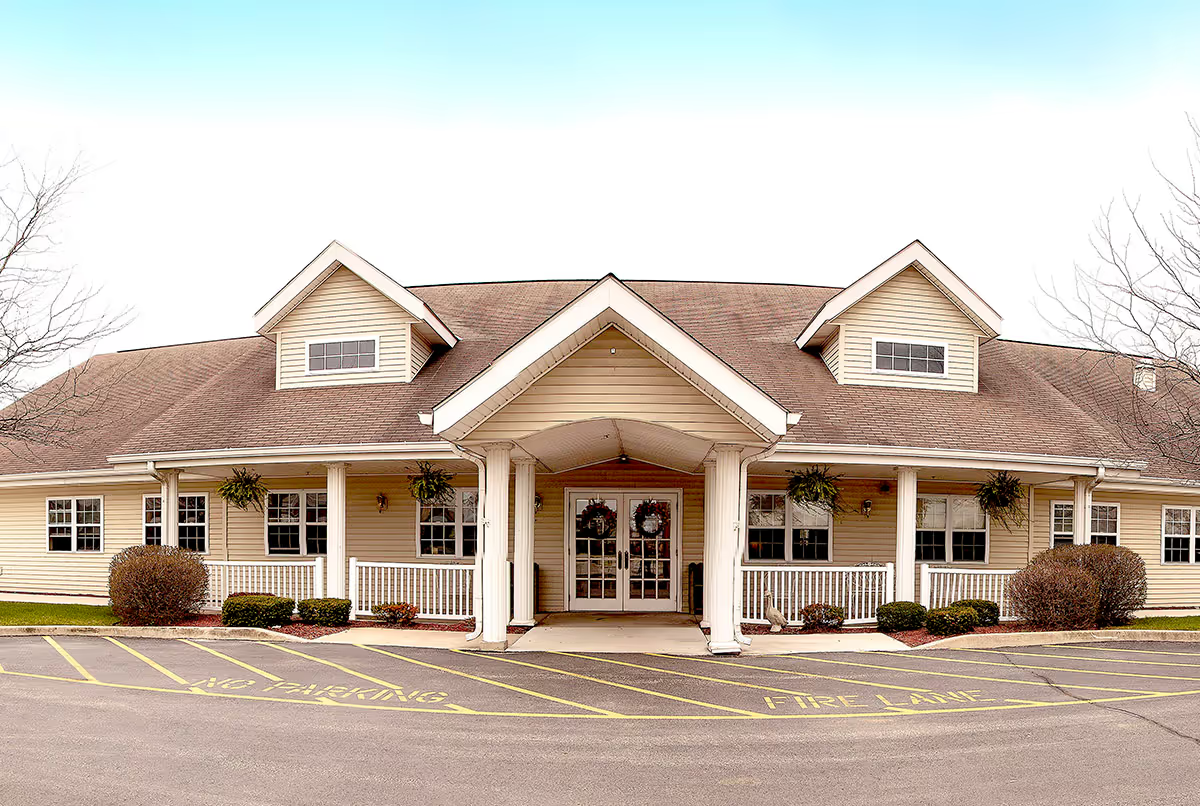
Overall impression across the reviews is mixed but leans positive for core clinical and hospitality strengths. Many families and residents emphasize that staff are caring and go out of their way to help, and the facility’s nursing and rehabilitation services are frequently described as competent and effective. Regular physician check-ins and multiple daily monitoring rounds are cited as contributors to residents’ safety. The physical plant is also a clear asset: reviewers highlight well-maintained, attractive common areas, spacious one-bedroom apartment options, and accessible bathroom features such as grab bars and sit-down showers.
Care quality shows a split. Positive accounts describe attentive nurses and a strong rehab wing with daily oversight and good outcomes. Counterbalancing that, there are consistent operational concerns about personal-care routines and therapy access: some families noted inconsistent bathing and grooming assistance, instances of delayed or missing therapy visits, and long waits for follow-up services. These patterns suggest variability in day-to-day personal-care delivery and in the coordination of post-acute or home-transition services.
Dining and activities form another mixed area. Several reviewers praised the food and the breadth of engagement opportunities — live music, arts and crafts, painted nails, seasonal events, and regular shopping and theater outings. At the same time, others described meal shortages and variability in meal quality, including occasions when selections felt bland. The facility appears to offer a robust scheduled-activities program and transportation for outings, but meal-service continuity and menu consistency are operational areas that need attention.
Operational and management themes emerge from multiple comments. Communication and responsiveness vary: some staff are described as helpful and compassionate, while other interactions were characterized by frustration or repetitive, non-individualized guidance. There are also allegations of missing personal items and concerns about security controls for residents’ belongings. Combined with observations of a “cookie-cutter” or standardized care environment, these patterns point to opportunities for stronger individualized care planning, clearer communication protocols, and tightened property-security procedures.
In summary, the facility shows clear strengths in staff compassion, clinical oversight, rehabilitation services, and an engaging activities program within an attractive environment. Prospective residents and families should weigh those strengths against operational variability in personal-care assistance, therapy access, meal-service reliability, and personal-item security. Asking targeted questions about individualized care plans, therapy scheduling, meal-service guarantees, and inventory/security procedures during a tour or pre-admission meeting would help clarify how current operations would meet a specific resident’s needs.