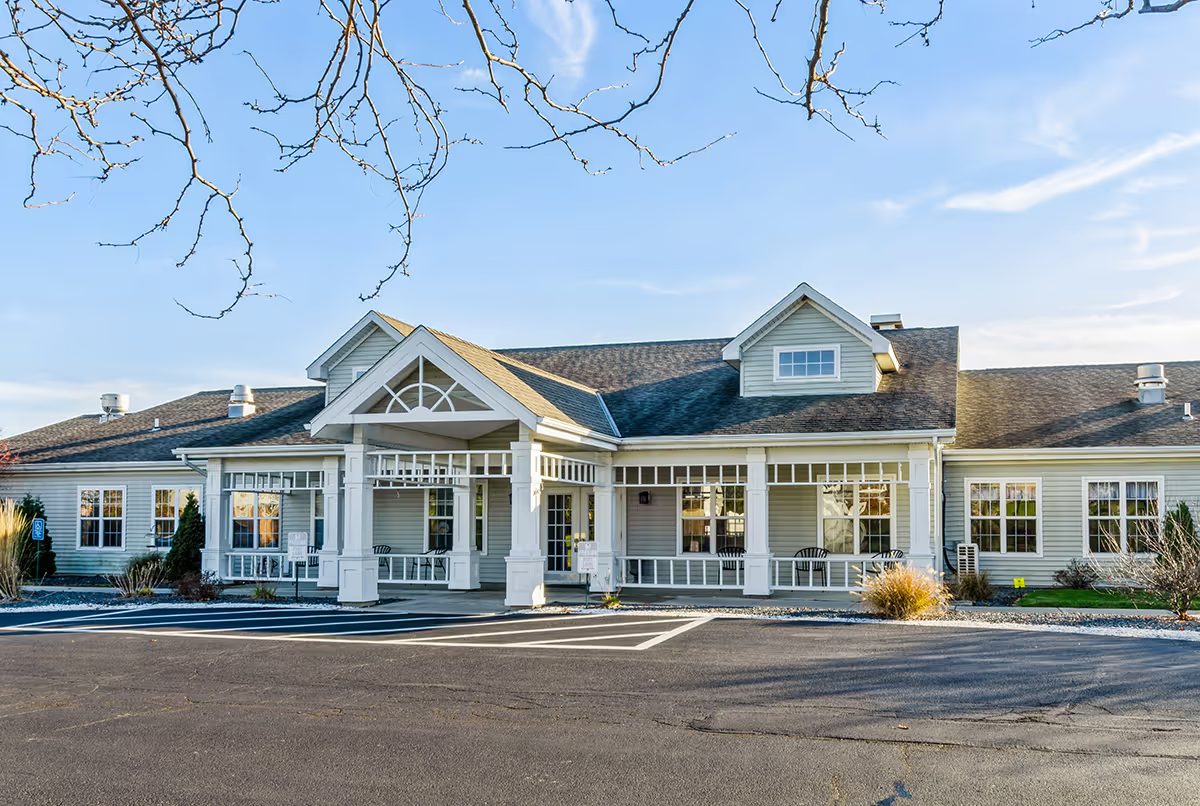
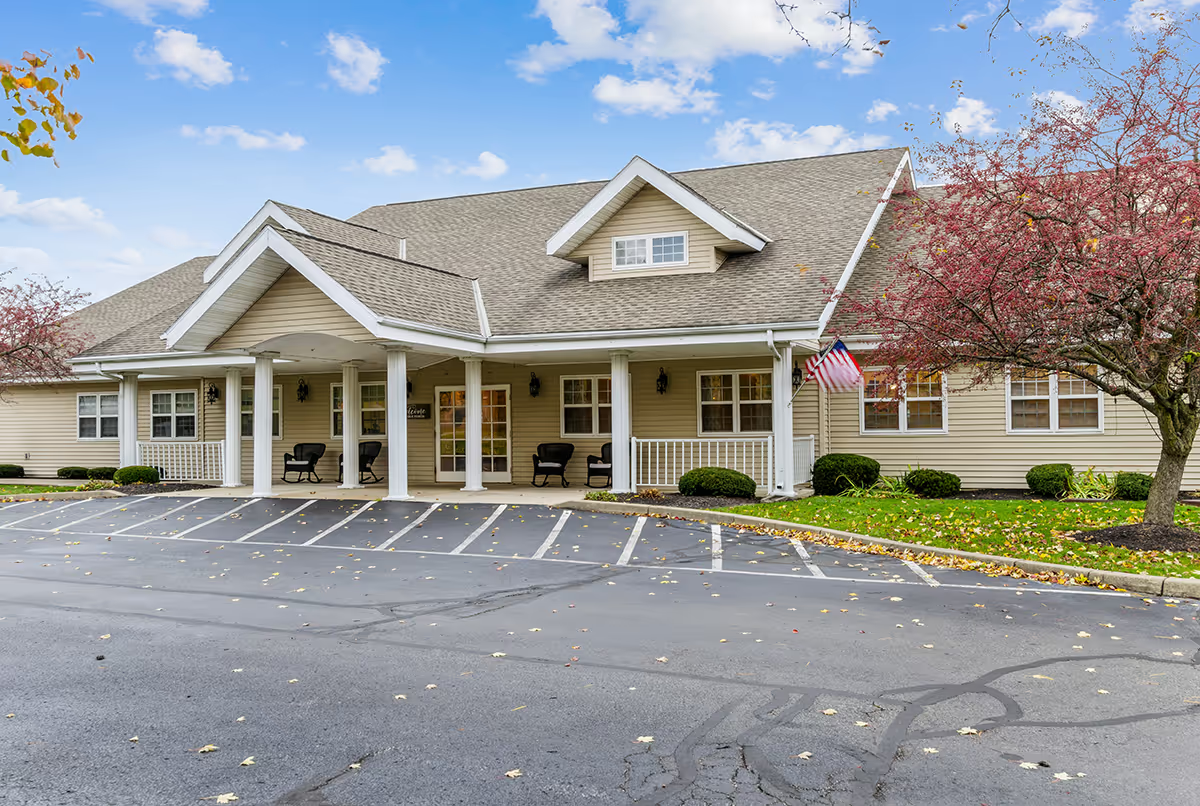
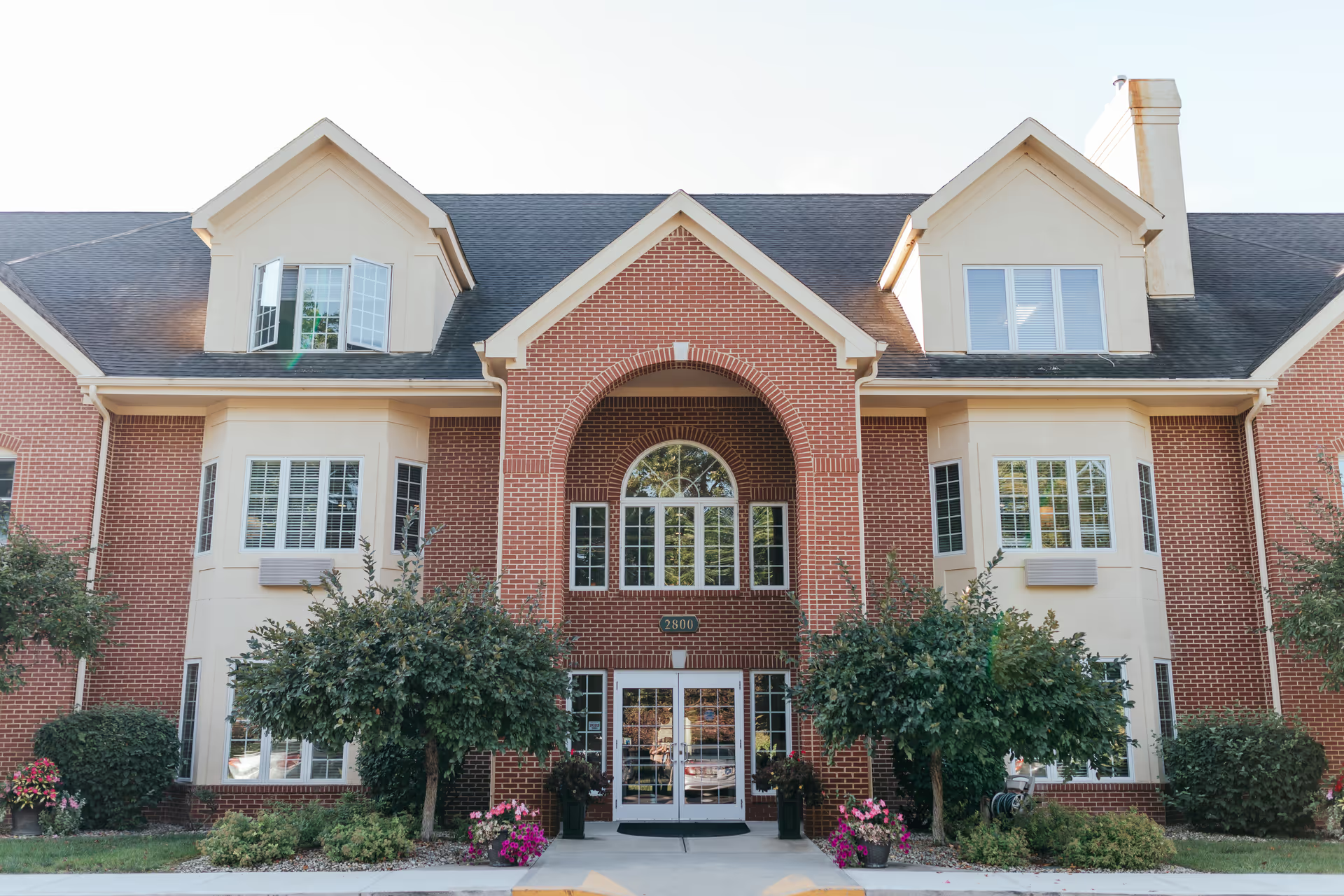
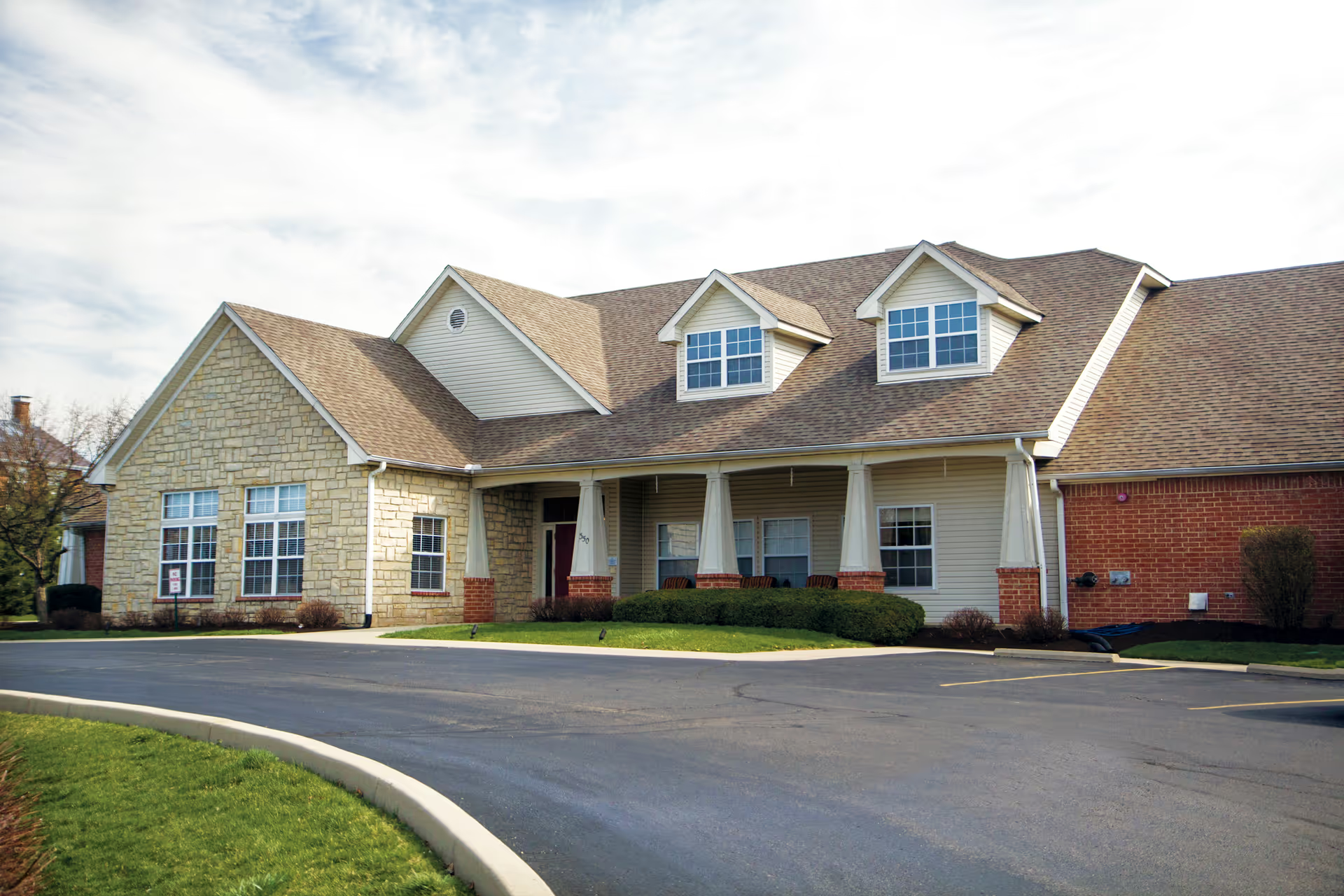
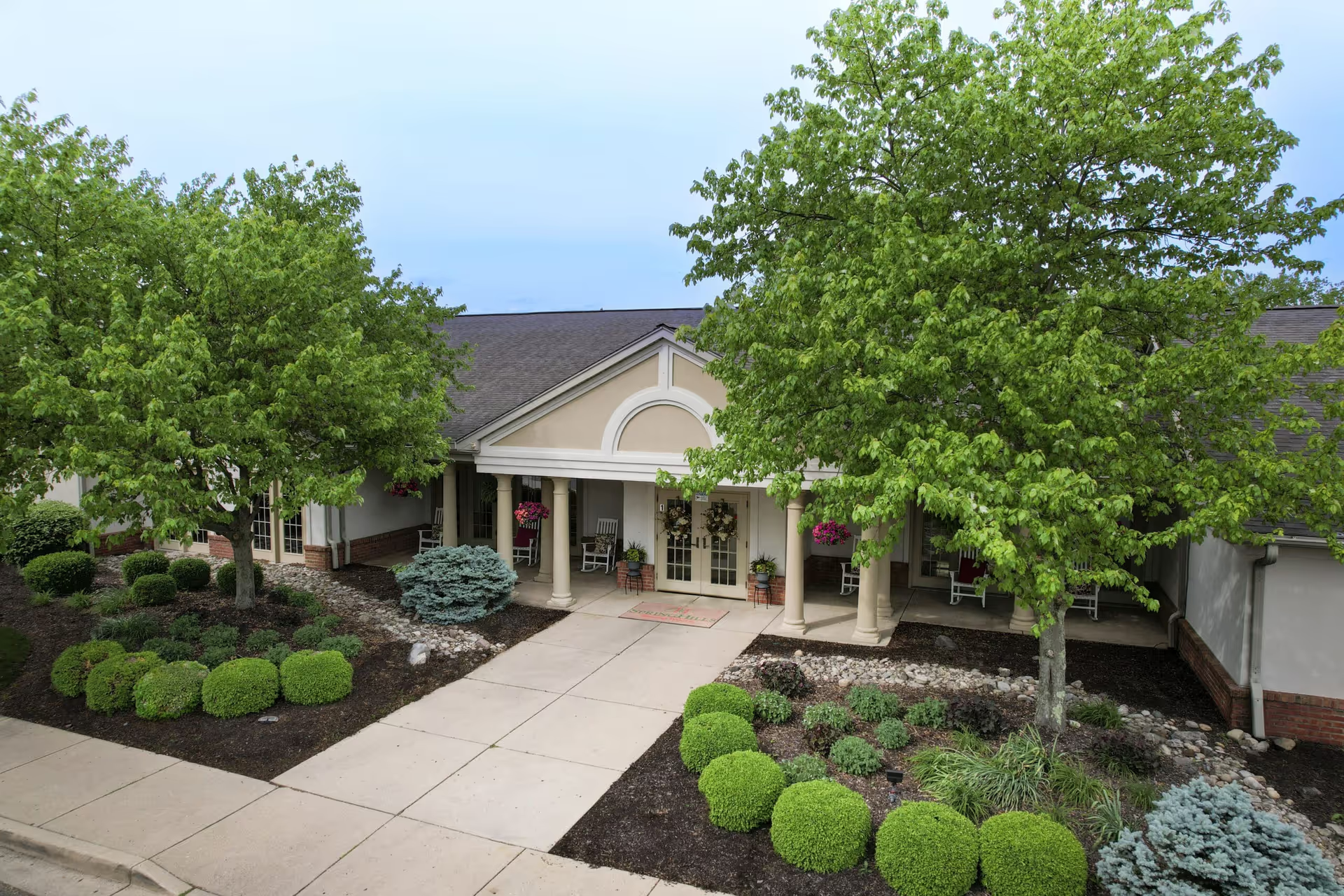
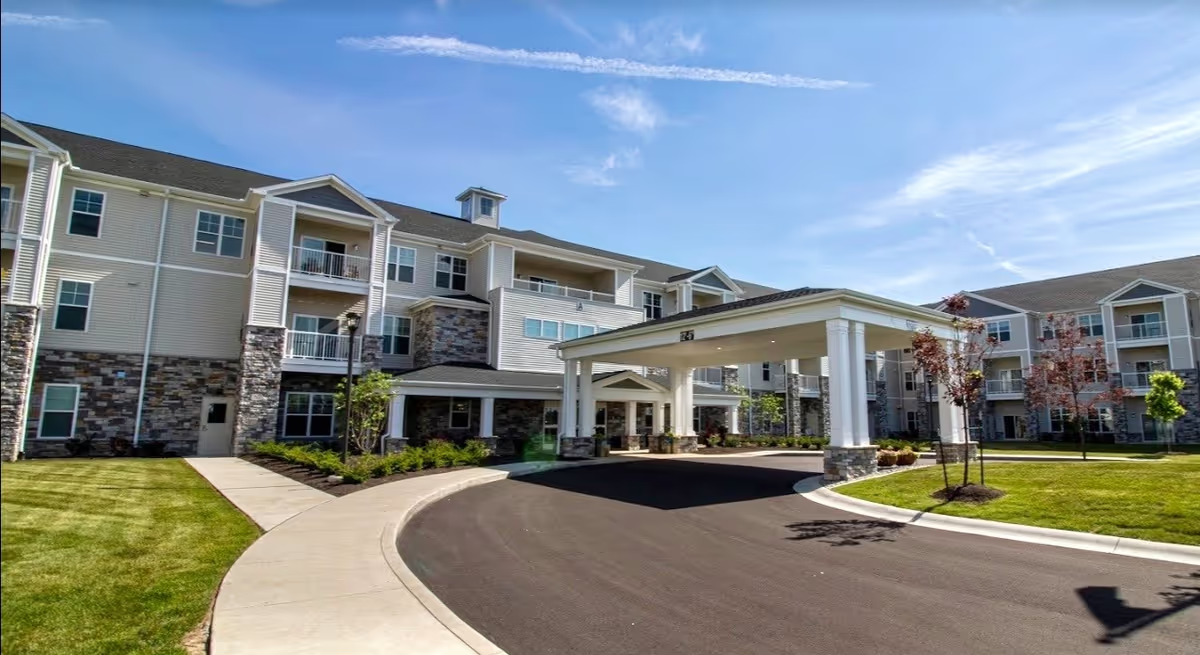
Arbor Trace presents a mixed but distinct pattern: many families and residents praise the campus, therapy outcomes, and individual caregivers, while a subset of families describe operational gaps that affected clinical care and daily living. The facility's physical environment and amenities are frequently highlighted as strengths — reviewers consistently describe clean, well-maintained common spaces, attractive dining rooms and a bistro, a small movie theatre, library and salon, and private-room options. Admissions and move-in processes, including specific coordinators, are also often characterized as smooth and helpful.
Clinical care and staff performance show considerable variability. Several reviewers described excellent nursing and rehabilitation teams who provided respectful, family-oriented care and good therapy outcomes — particularly for short-term rehab and respite stays. At the same time, a number of families reported operational failures that directly impacted safety and daily care: missed or delayed medications, slow response to call lights, missed meal/tray deliveries, and uneven attention to personal-care needs. These issues are frequently linked to understaffing and staff turnover, which reviewers identified as a contributing factor to inconsistent care across shifts.
Dining and activities offer both positives and negatives. The facility's dining venues and menu flexibility receive favorable comments, and the activities program is cited for providing bingo, outings, church services, movies and social events. However, other reviewers described inconsistent food quality, taste complaints, small portions, intermittent missed meal deliveries, and activity schedules that were not always implemented as advertised. Some observers noted residents appearing disengaged in common areas during certain shifts, suggesting variable program delivery.
Facility amenities and maintenance are generally seen as assets, with an attractive campus and functional common areas. That said, reviewers also mentioned occasional maintenance or amenity reliability problems (for example, malfunctioning bedside lights or shower issues) and temporary rooms that were sparsely furnished during short stays. The overall atmosphere was described in contrasting terms: some families felt it was warm and home-like, while others found parts of the setup more institutional.
Management and communication received both praise and criticism. Families commended admission staff, certain administrators, and business-office responsiveness in many cases, but several reviewers described inconsistent follow-up on complaints, unprofessional conduct from office staff, and difficulty obtaining timely updates about clinical issues. A number of families reported that clinical concerns prompted escalations, including inquiries to regulators; these appear to be isolated but serious events that contributed to polarized experiences.
Notable pattern: experiences are polarized — many residents and families report high-quality rehab, attentive caregivers, and an attractive campus, while a distinct subset cite operational weaknesses that materially affected care continuity and safety. Prospective residents and families may benefit from observing med-pass and mealtime operations, asking about current staffing levels and dementia-care training, and clarifying response-time expectations and complaint escalation pathways before committing. Overall, Arbor Trace offers substantial amenities and strong therapy capabilities, but operational consistency — particularly around staffing, medication administration, and timely assistance — appears to be the main area for prospective families to evaluate closely.