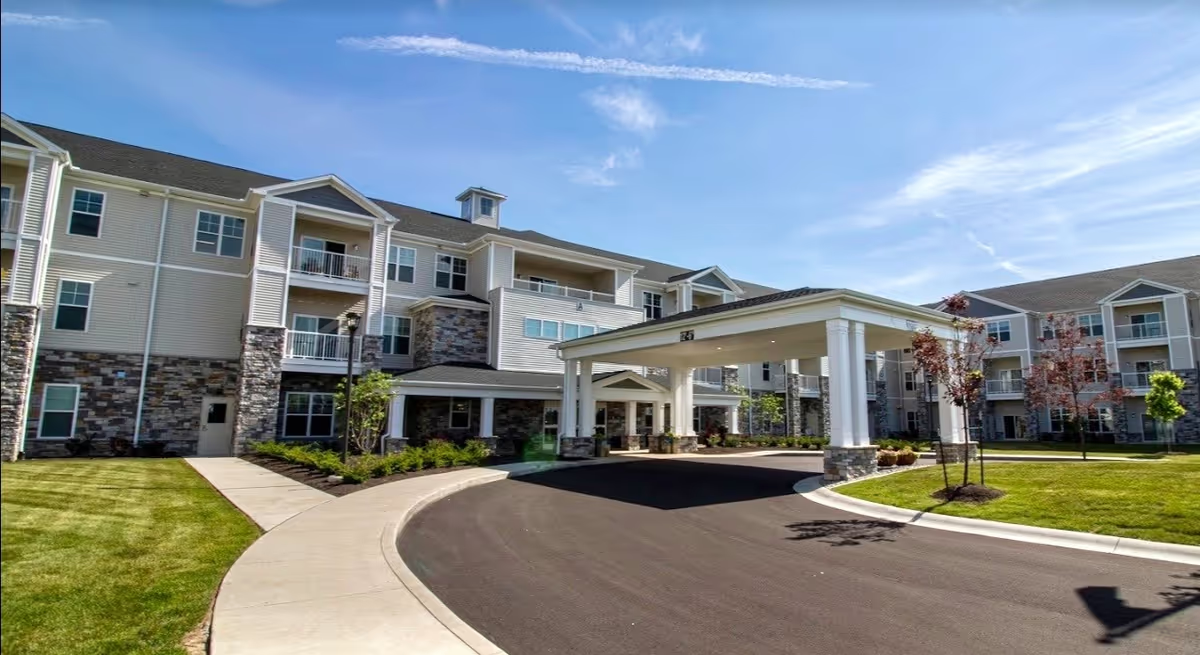
Reviews for Golden Living Center - Golden Rule are mixed, displaying distinct strengths alongside recurring operational weaknesses. Many families and visitors praised individual caregivers and therapy teams for compassionate bedside manner and measurable rehabilitation gains. At the same time, there are repeated indications of inconsistent clinical performance and breakdowns in medication and appointment management that prospective families should evaluate carefully.
Care quality appears variable by unit and shift. Several accounts describe strong, well-managed rehabilitation programs that produced rapid improvements in mobility and eating ability. Conversely, other accounts raise concerns about delayed or missed medications, missed clinical appointments, toileting and incontinence-care issues, and lapses in basic care follow-up. The memory/dementia unit elicited particular concern from some reviewers for leadership and coordination shortfalls, although other reviewers described proactive dementia admission support and attentive dementia care.
Staffing and workplace culture are described in polarized terms. Multiple reviewers named specific aides, nurses, and therapy staff as attentive, professional, and team-oriented; leadership presence on the floor and hands-on management were cited positively. Parallel comments note variable staff competency, responsiveness, and shift-to-shift inconsistency, as well as problems with telephone responsiveness and admission-staff demeanor. These contrasts suggest that quality of experience may depend strongly on which staff team and which unit a resident is assigned to.
Dining and activities show similar variability. Several reviewers complimented food quality and independence-support after clinical events, while others raised strong concerns about meal quality and kitchen management. Activity offerings range from meaningful programs to accounts of minimal engagement; activity consistency appears uneven between units and time periods.
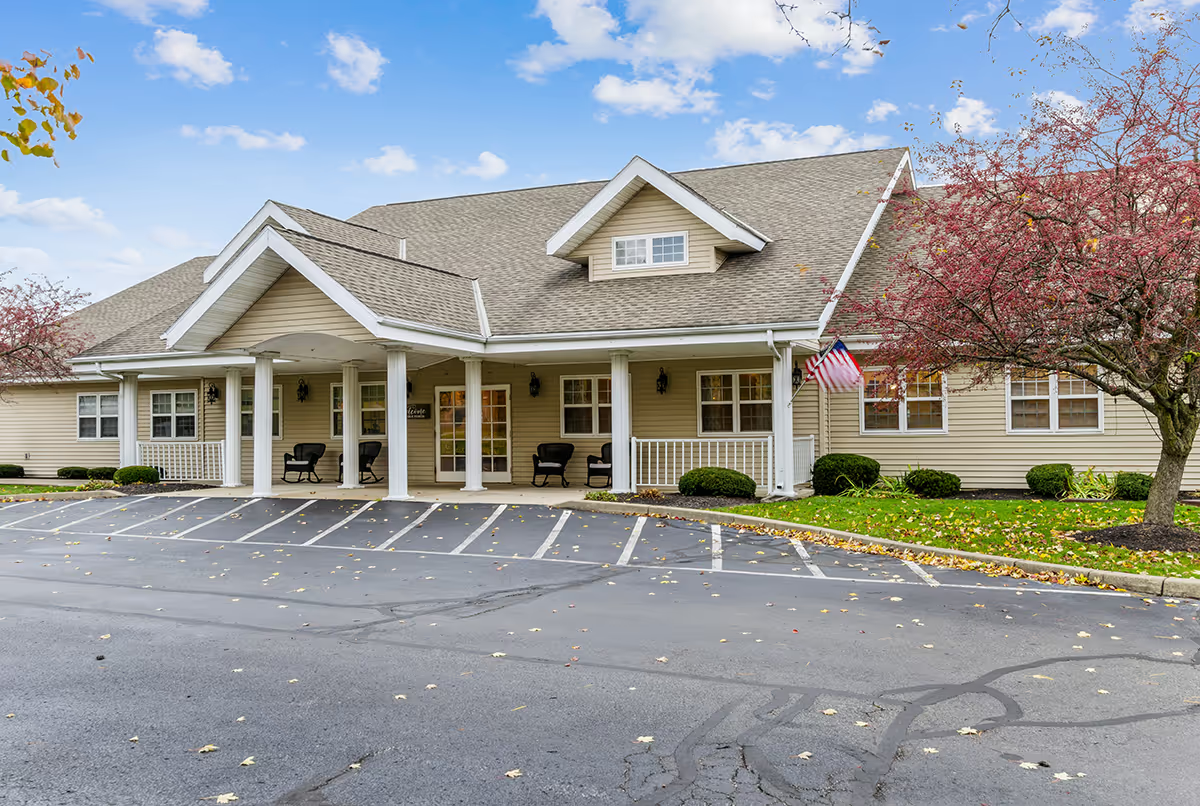
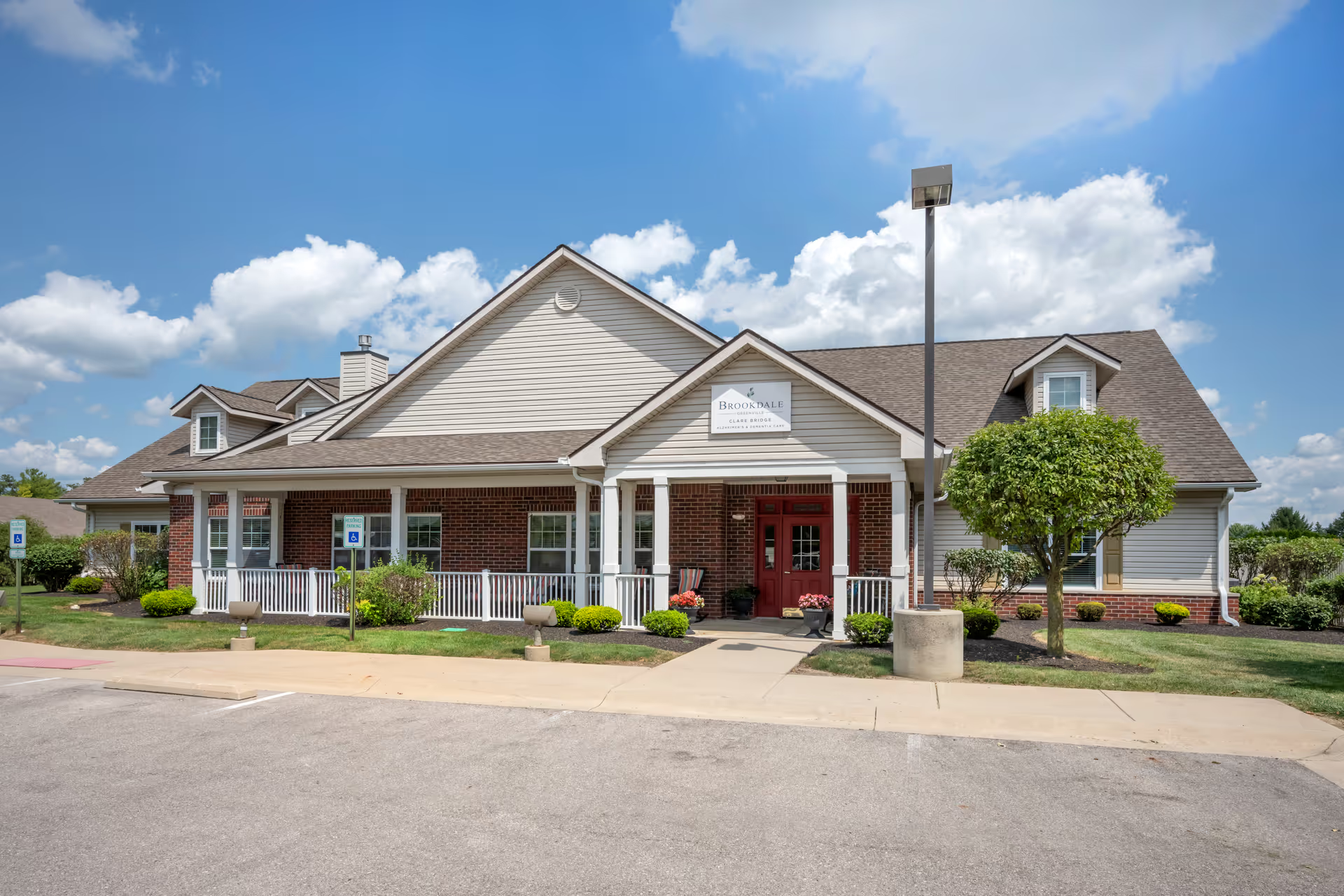
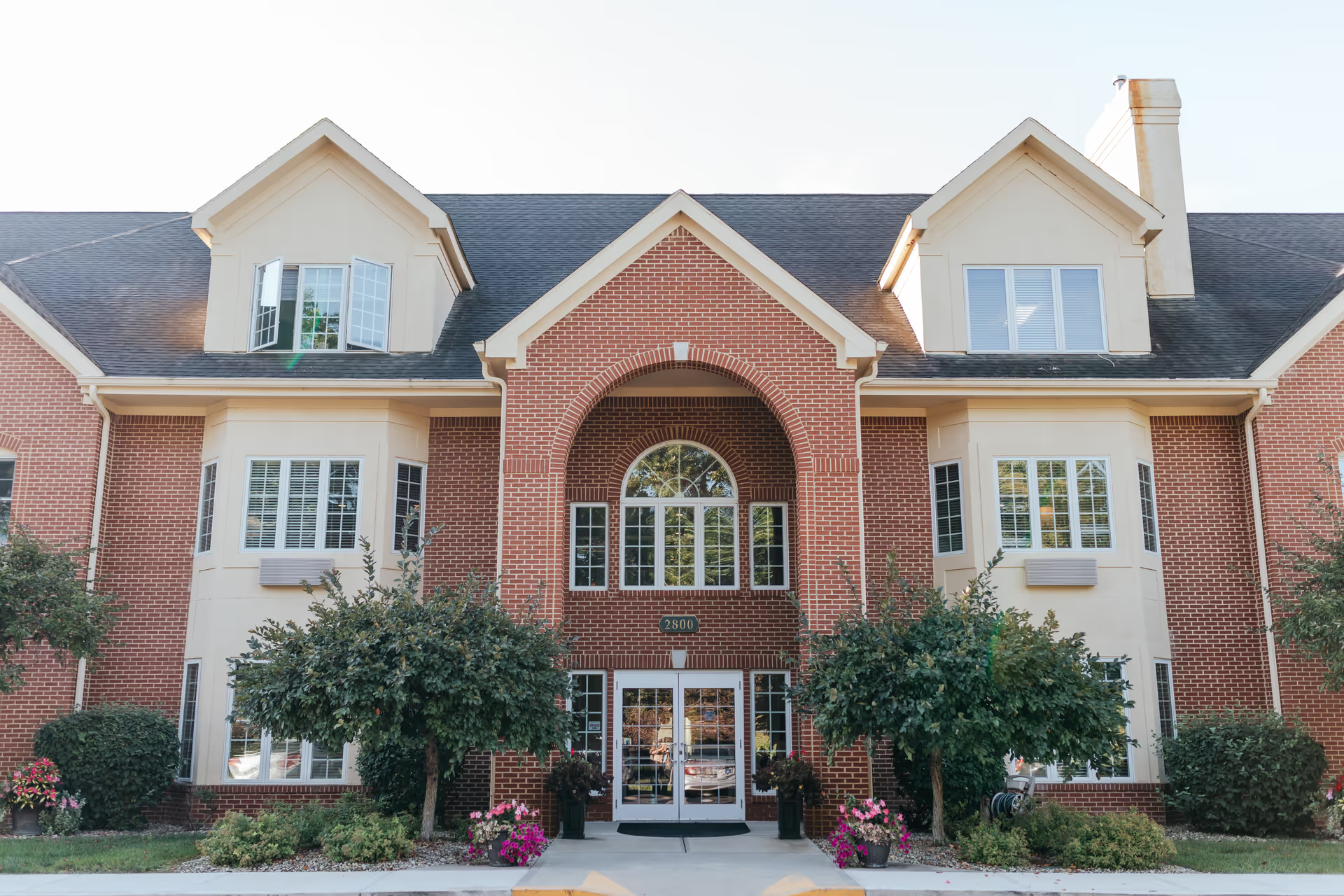
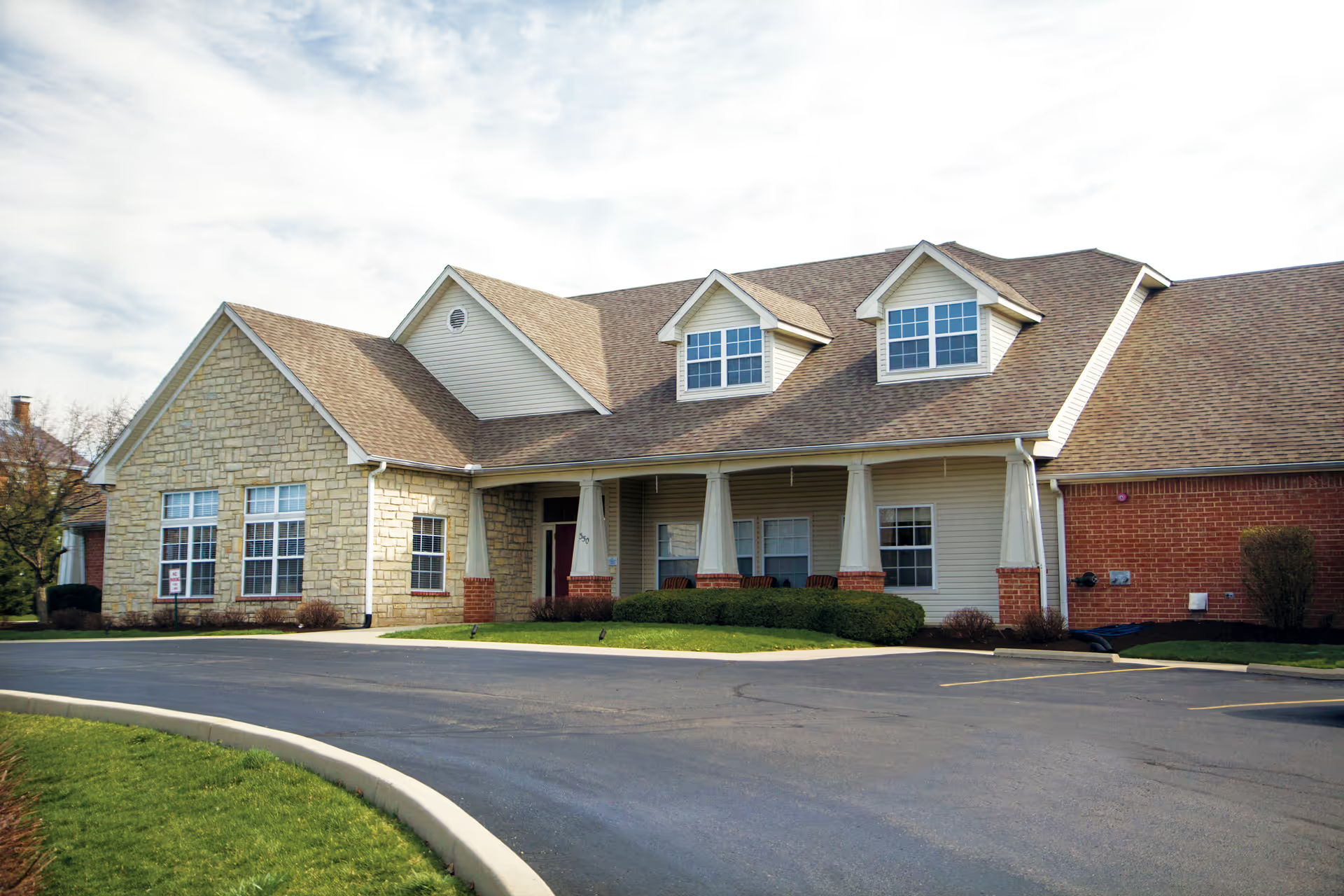
Facility conditions were described positively in some common areas and criticized in select resident rooms. Praise centered on clean, well-kept public spaces and spacious rooms that allow personal items. Criticisms included sanitation and pest-control concerns in specific rooms, shared-room issues, and general maintenance variability. Privacy and confidentiality process gaps were also cited, including alleged breaches of resident privacy.
Management, policies, and administrative practices are mixed and include serious operational concerns. Several reviews allege problems with admission and billing transparency, including questions about Medicaid versus self-pay handling and transfers without full family consent; these are significant matters that prospective families should verify directly with the facility and through state oversight records. Communication around transfers, discharges, and end-of-life coordination was described as disorganized in a number of accounts, and at least one review referenced escalation to legal action. Given these claims, families should request copies of recent inspection reports, grievance procedures, staffing ratios, and written policies on transfers and informed consent.
Notable patterns: (1) strong rehabilitation and some highly committed staff members produce positive outcomes for many residents; (2) operational inconsistency—in staffing, communication, dining, and room-level sanitation—represents the primary source of negative experiences; and (3) the memory-care unit and administrative transparency (admissions/billing/transfers) are recurring areas of concern. Prospective residents and families would benefit from targeted questions at tour time about medication administration protocols, staffing during nights/weekends, dementia-unit leadership, pest-control and cleaning schedules, privacy safeguards, and how the facility documents and communicates transfers and financial options.