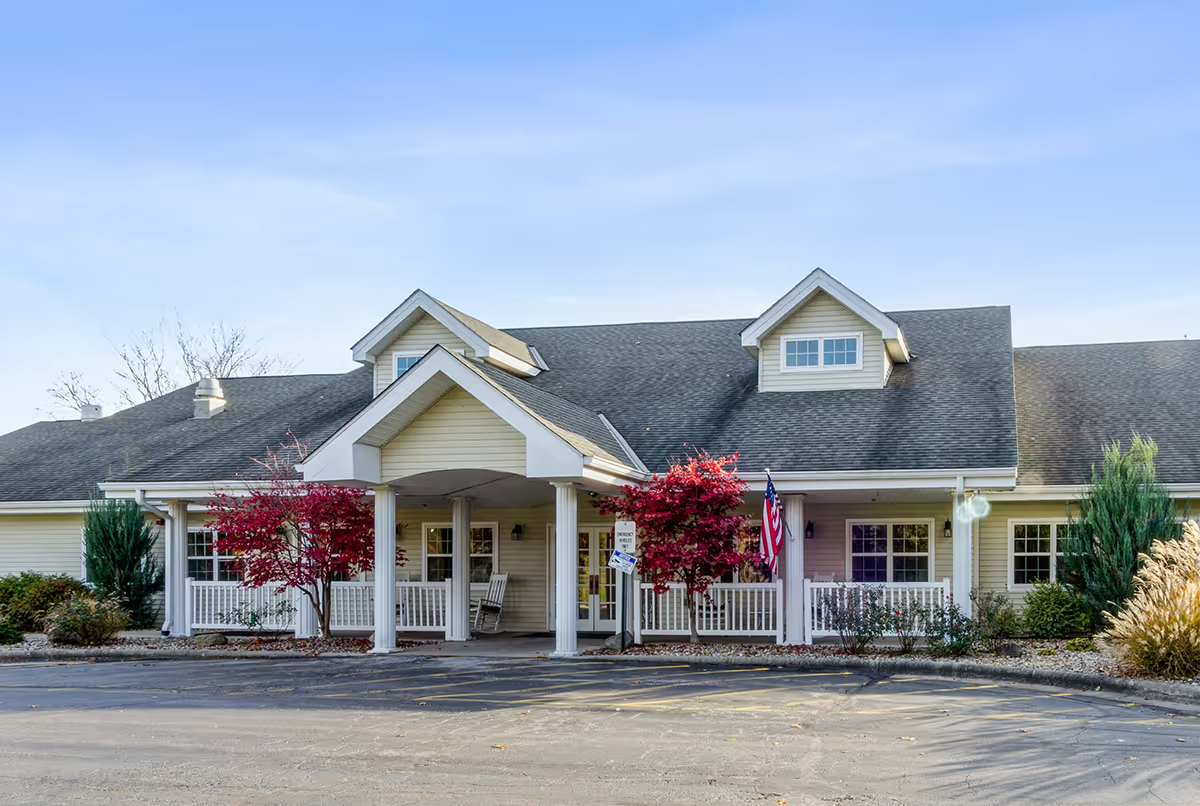
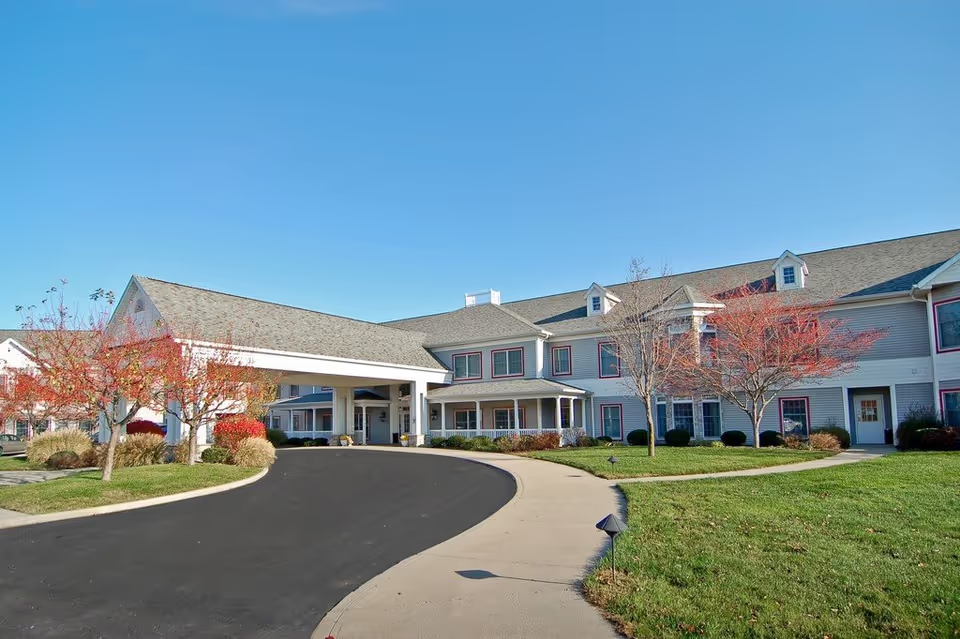
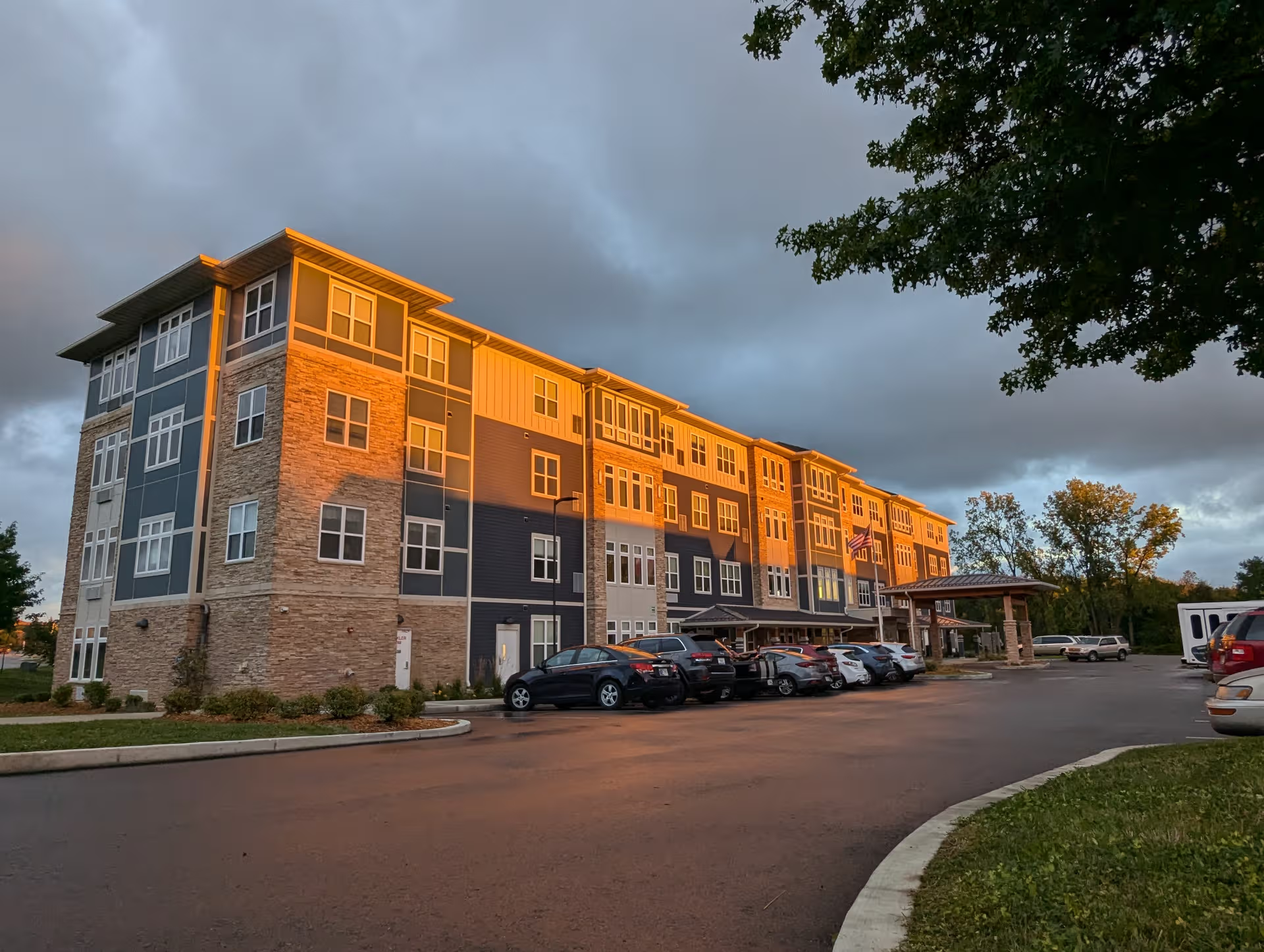
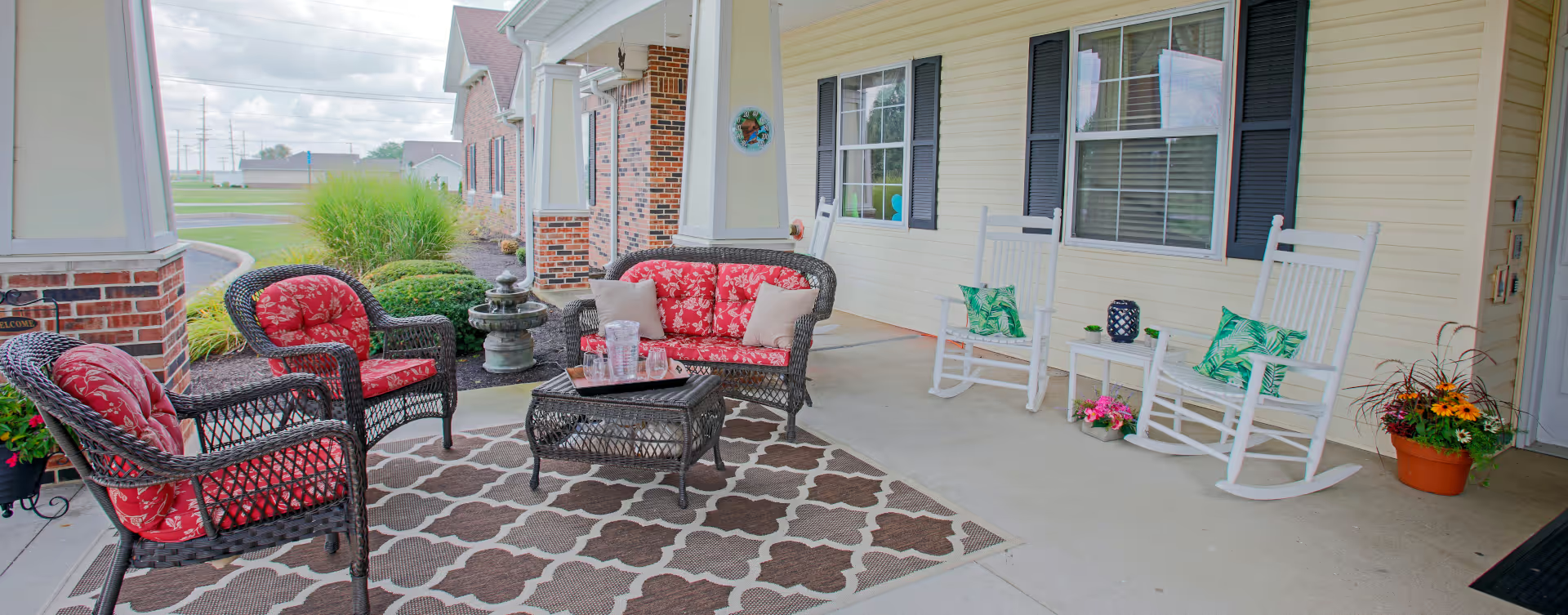
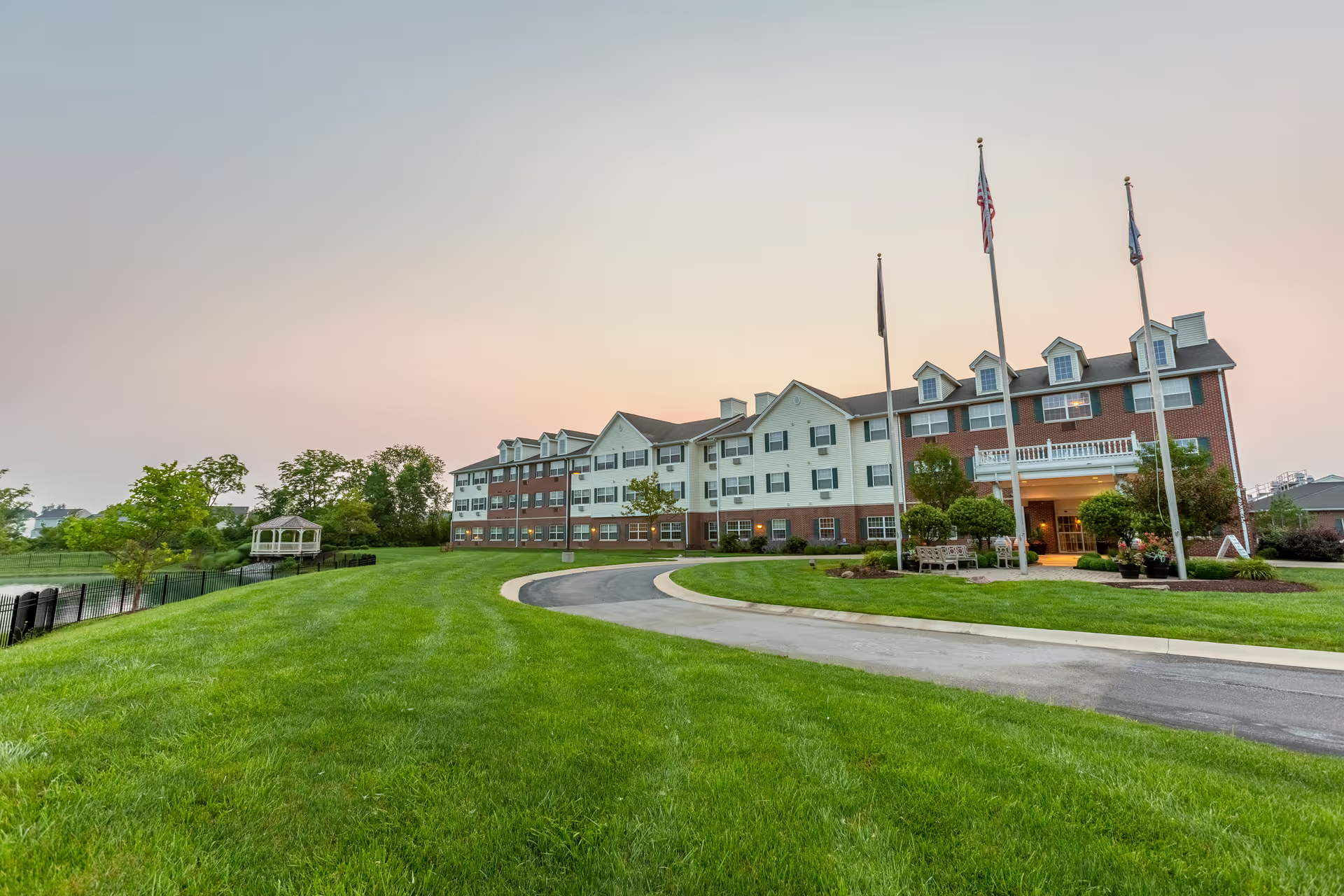
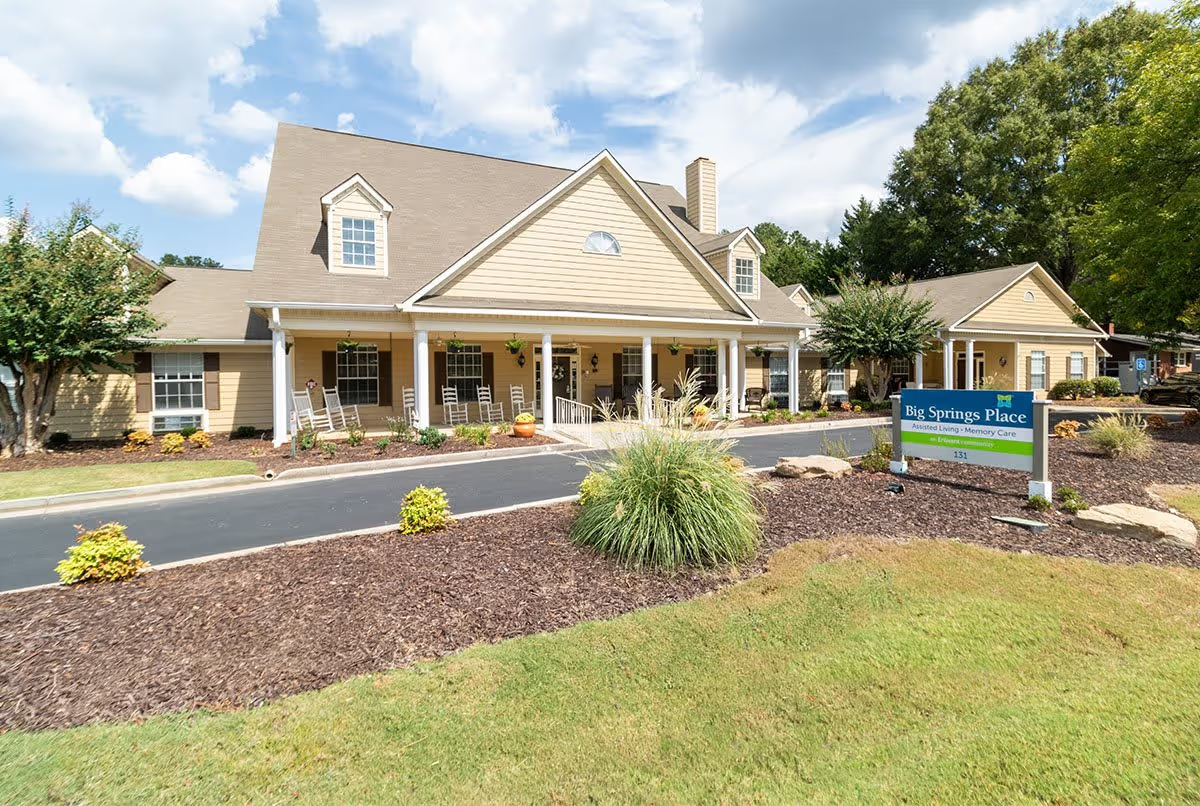
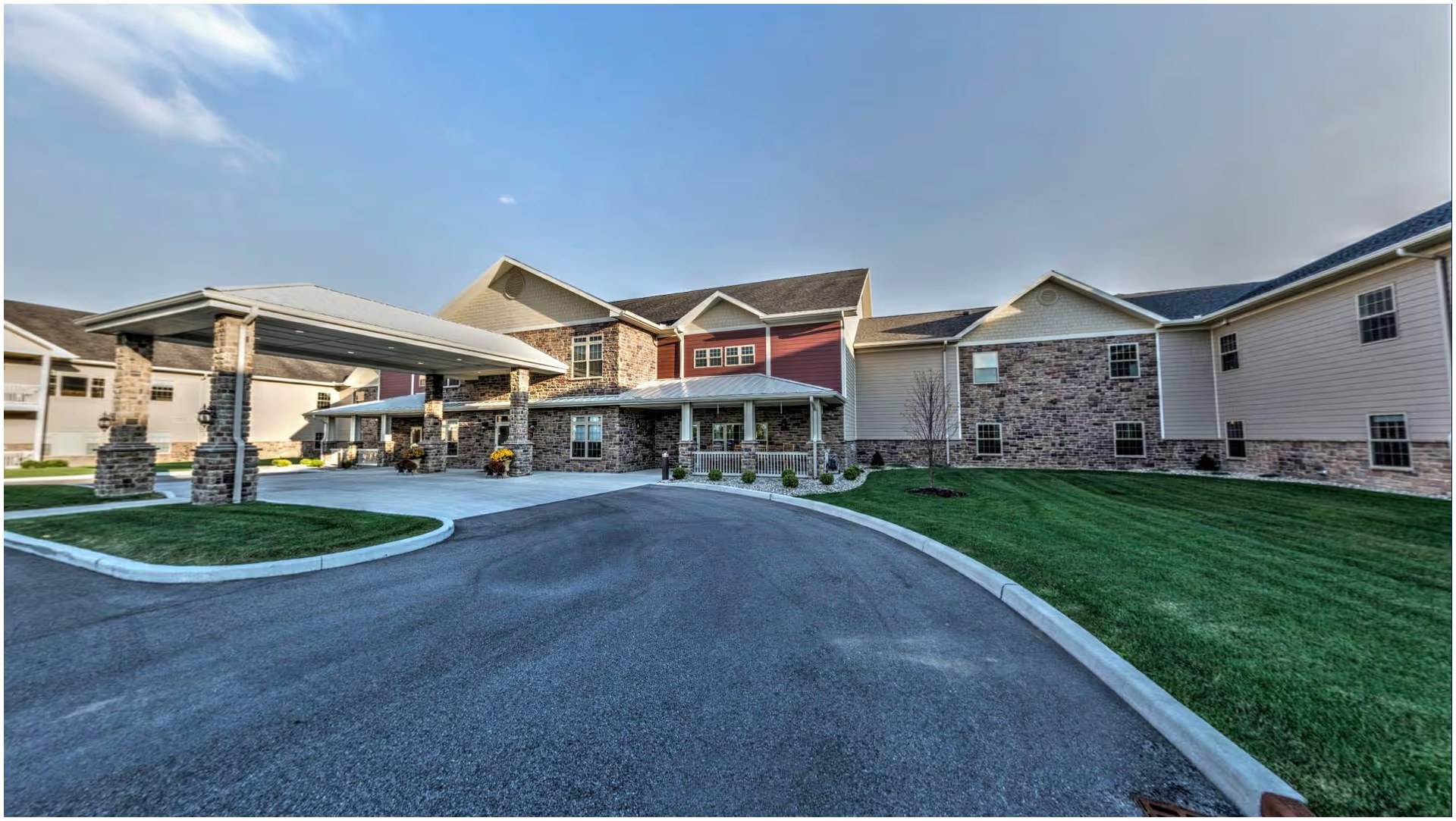
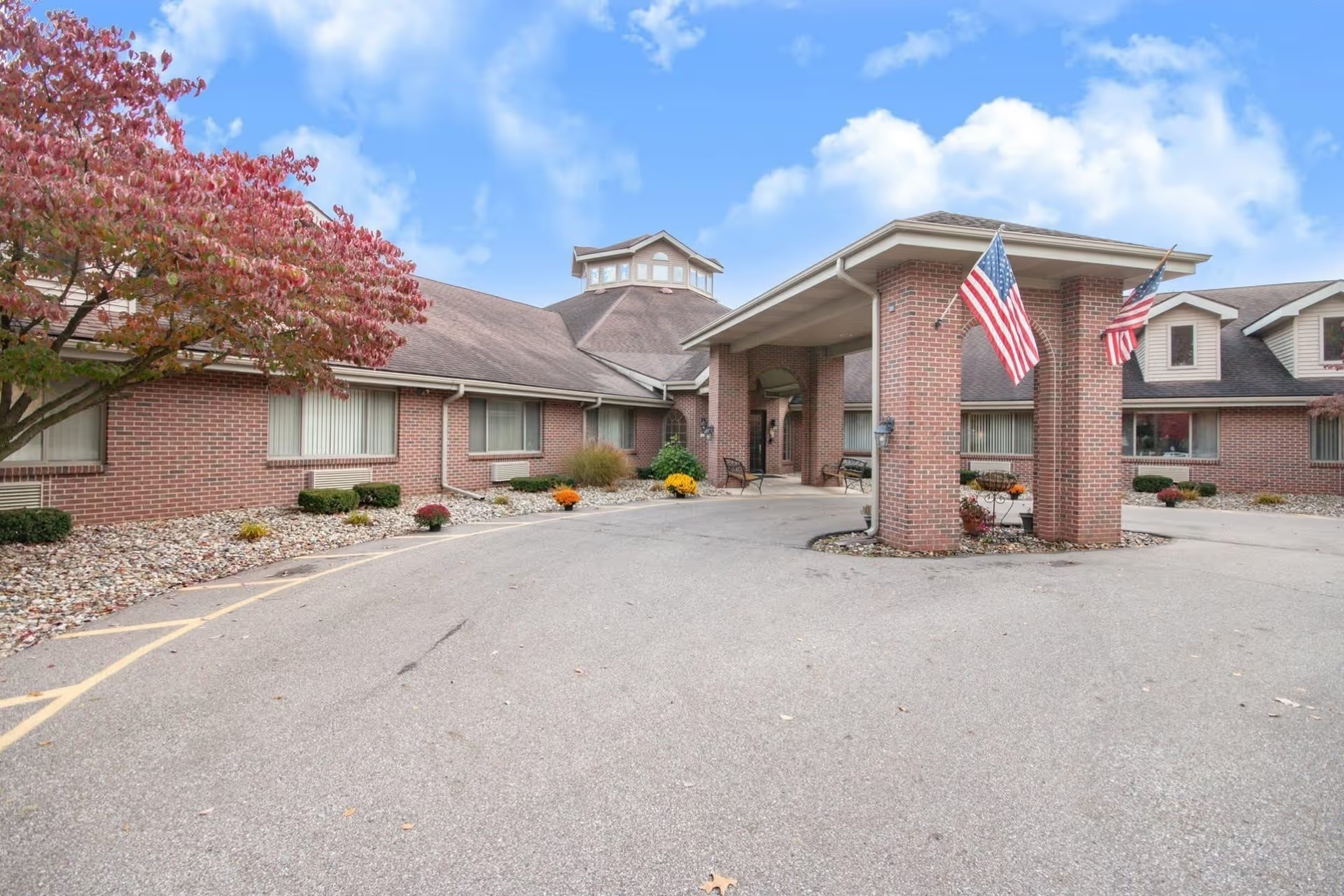
Warsaw Meadows Care Center elicits strongly mixed impressions. Positive comments focus repeatedly on the facility’s caregiving strengths: many families praise compassionate, attentive nurses and therapy teams, a robust rehabilitation program aimed at returning residents home, and dedicated Alzheimer’s/dementia services. Reviewers commonly note an active social-services department, regular activities and volunteer engagement, and a resident-focused culture that some describe as homelike. Private-room availability, family involvement in care, and visible teamwork under energetic managers and a responsive director of nursing are also recurring strengths.
At the same time, there are consistent operational concerns that prospective families should weigh. Cleanliness and sanitation practices are described as inconsistent, with specific mentions of odors, linen-handling issues, and localized evidence of mold or dirt buildup. Several reviewers pointed to maintenance shortfalls in restrooms and hallways and to the facility’s older infrastructure, even as some areas are undergoing renovation. Pest-control concerns were also raised. These items suggest variability in environmental maintenance and infection-prevention practices.
Dining and clinical operations show a similar pattern of strengths and gaps. Many families say meals are generally good and that therapy programs are effective; however, others describe inconsistent meal temperature, incomplete meal service, and limited accommodation of some dietary preferences. Clinically, positive feedback highlights attentive nursing and accurate medication administration in many cases, but there are multiple notes about medication timing errors and at least occasional administration mistakes. There are also suggestions of gaps in care coordination for complex medical needs that could affect higher-acuity residents.
Staff conduct and management visibility are another area of divergence. Numerous accounts praise warm, hardworking staff who ‘‘go the extra mile,’’ foster a welcoming atmosphere for visitors and volunteers, and keep families well informed. Conversely, some families describe inconsistent professionalism, delays in responsiveness, and unhelpful or rude communication from certain staff or managers. This variability extends to direct-care aides, where skill and maturity levels were described as uneven. Additionally, reviewers raised administrative concerns such as questions about financial management and prior unpaid bills, indicating potential organizational vulnerabilities.
Of particular note is at least one high-severity allegation regarding clinical oversight and a transition of care that is under investigation; this claim and other serious-safety concerns cited by families merit careful inquiry during any tour or admissions discussion. In summary, Warsaw Meadows appears to offer strong rehabilitative, dementia, and relational care in many cases, supported by engaged therapy and social-service teams. However, prospective residents and families should assess environmental cleanliness, meal-service consistency, medication administration processes, and management responsiveness during visits and ask for recent inspection reports, incident logs, and documentation of corrective actions for any identified issues.