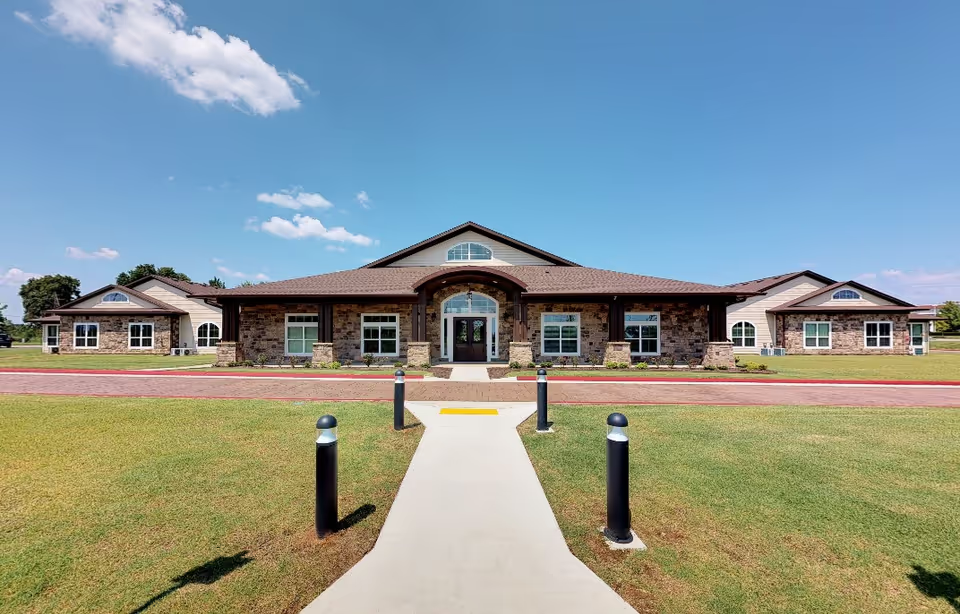
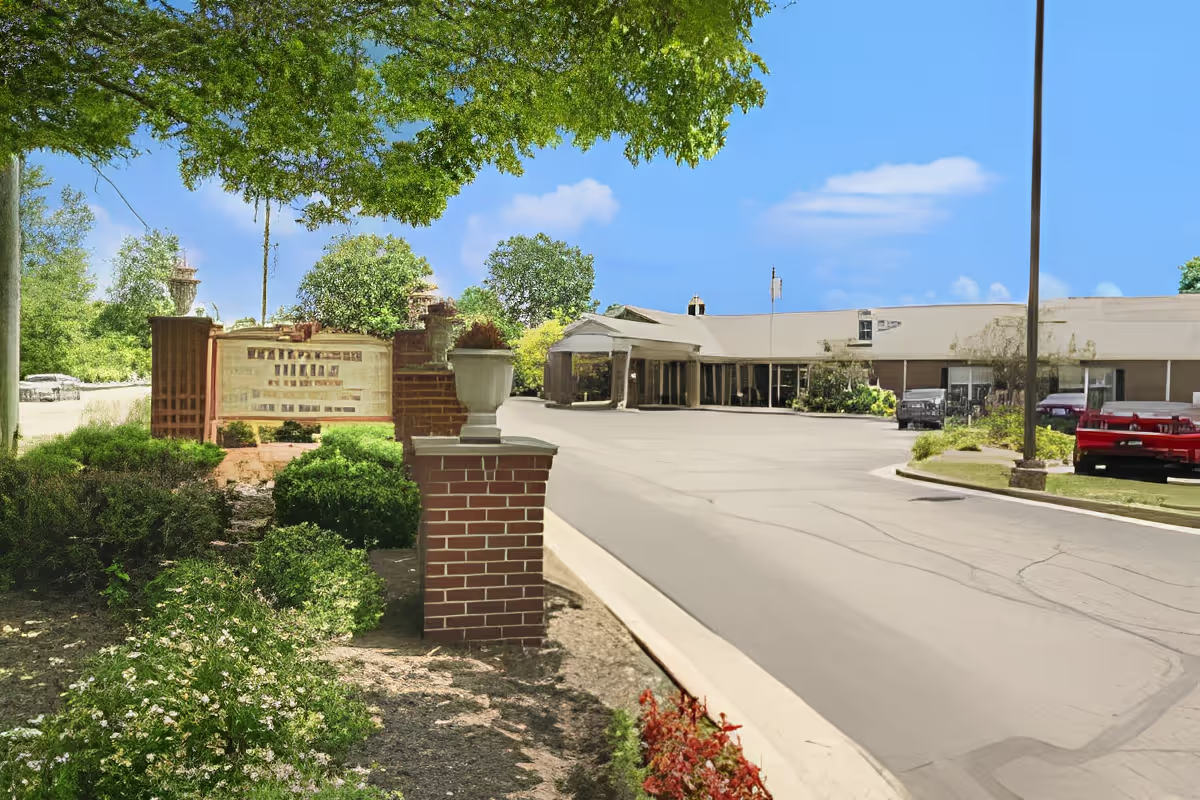
Copper Trace presents a mixed but clear pattern: the physical environment, therapy program, and many frontline caregivers receive frequent praise, while operational and leadership gaps raise substantive concerns for some families. The facility is often described as clean, attractively appointed, and well suited for rehabilitation and memory-care residents. Therapy disciplines (physical, occupational, and speech) are repeatedly highlighted as a strong point, and numerous reviewers noted individualized, compassionate attention from many nurses and certified nursing assistants. Social work and admissions staff are credited in multiple accounts for helpful insurance and placement assistance.
Care quality is uneven across units and shifts. Positive comments about attentive, patient staff coexist with reports of slow response times to call lights, delays in bathing and toileting assistance, and nutrition/hydration assistance shortcomings. Several reviews indicate medication-administration issues such as delayed or missing doses and documentation mismatches. There are also concerning accounts about how clinical incidents are handled; these describe delayed escalation, variability in emergency-response skills, and gaps in supervisory oversight. Because these are operational patterns rather than isolated compliments or complaints, prospective families should verify current staffing ratios, leadership coverage, and clinical-incident protocols during a tour.
Dining and activity offerings are generally seen as strengths, though consistency is an issue. Many residents and families compliment the dining staff, special-event meals, and a variety of activities (bingo, exercise classes, arts, church services, cooking classes). At the same time, other accounts note cold or small portions and occasional menu execution problems. Activity schedules appear robust, and social opportunities are frequently cited as beneficial to resident well-being.
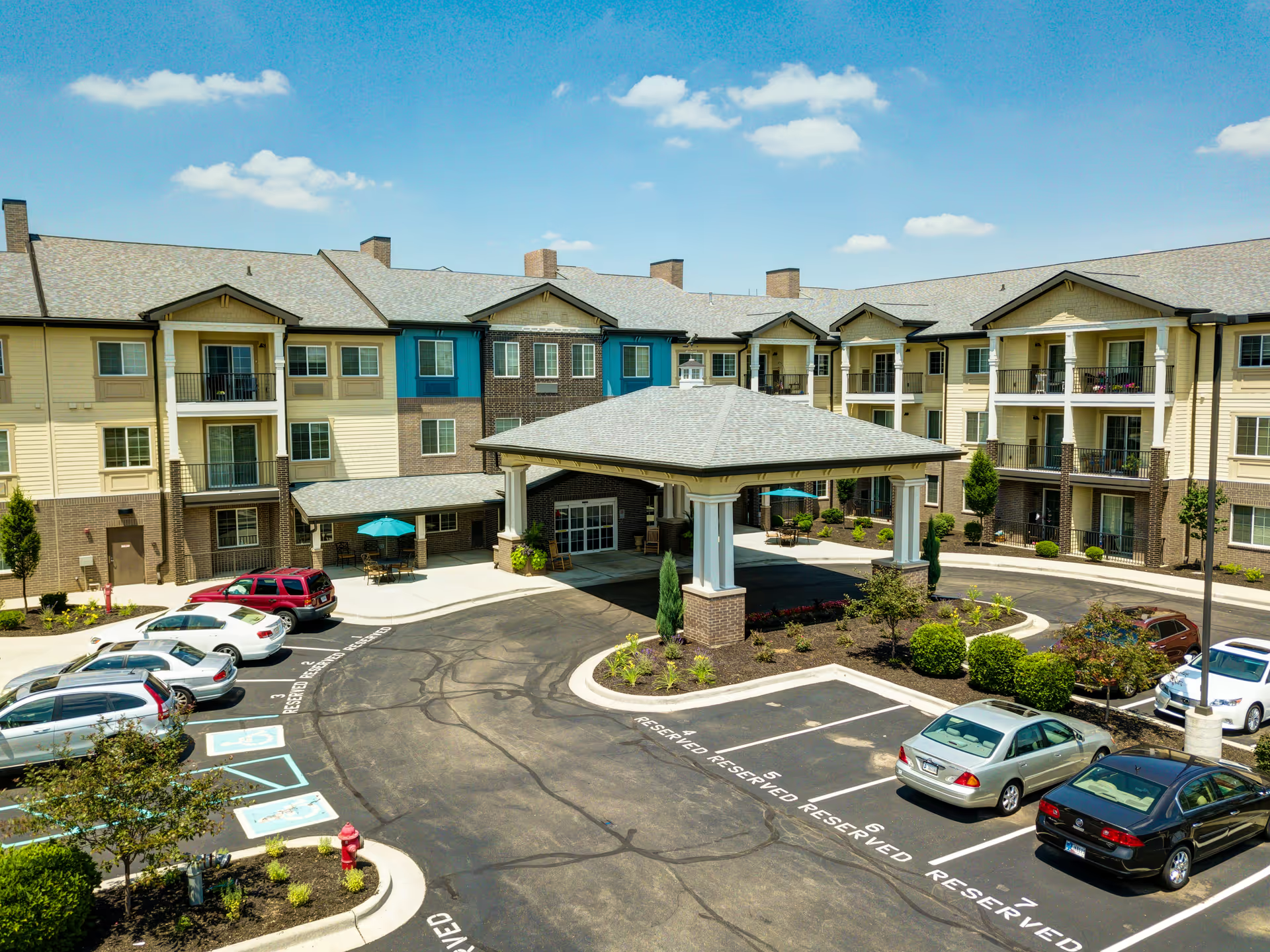
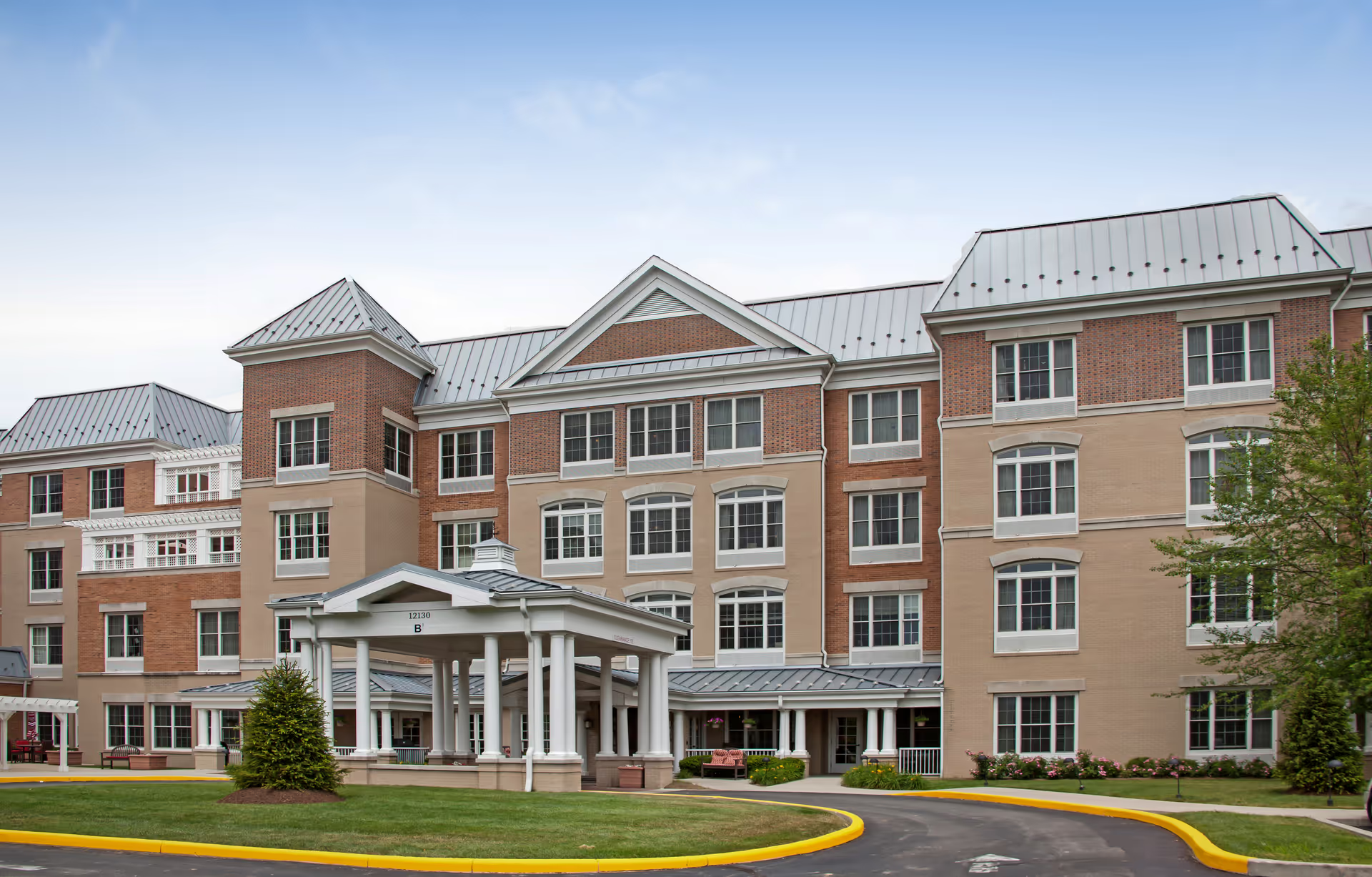
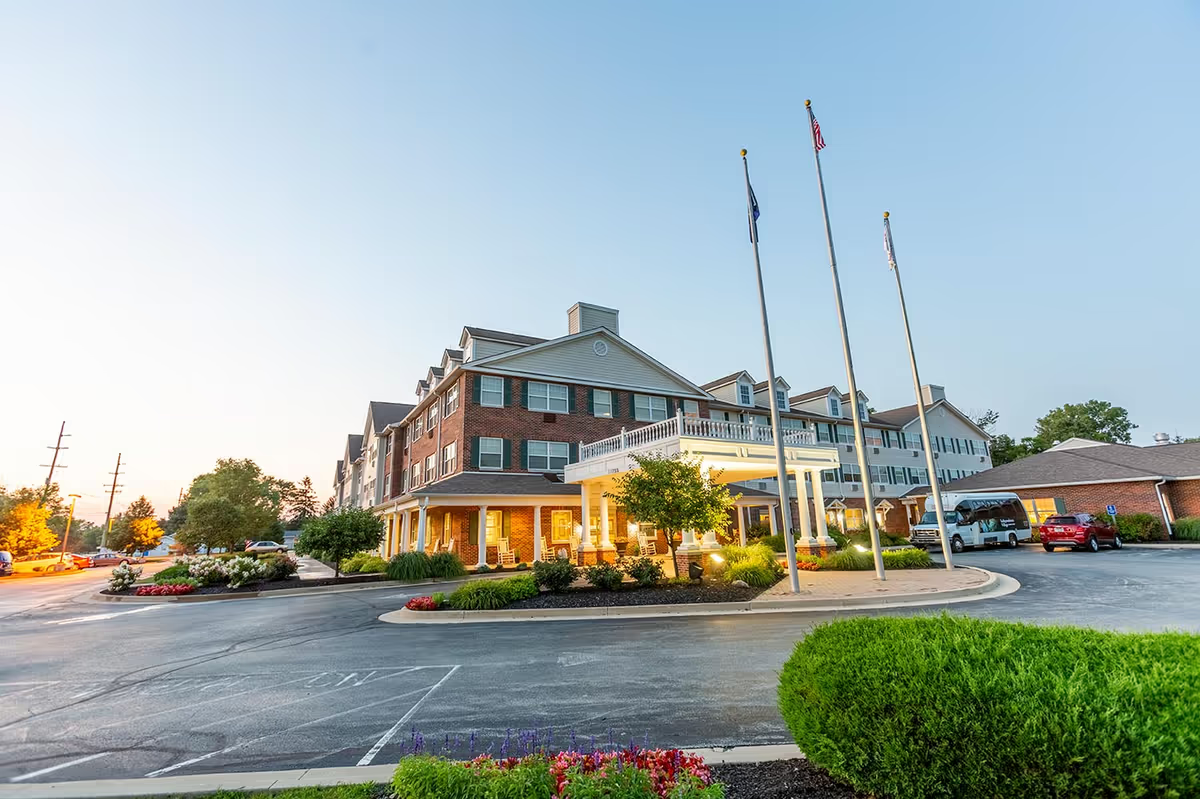
Facility upkeep and amenities are a clear positive: reviewers consistently describe clean rooms, pleasant common areas, single-room options, and well-maintained memory-care spaces. Housekeeping and environmental teams are praised for keeping the building presentable. That said, some reviews flagged lapses in property handling and housekeeping frequency in particular instances, suggesting that standards may vary by unit or time period.
Management and communication are the most polarizing areas. While admissions staff and certain administrators receive praise for responsiveness and assistance with insurance, other families describe a defensive managerial posture, billing and mattress-charge disputes, repeated call transfers, and difficulty obtaining timely information about care changes. There are also allegations regarding personal-property security and an ongoing criminal investigation referenced in reviews; such claims point to potential weaknesses in property controls and financial oversight and merit direct inquiry with facility leadership and regulators.
Bottom line: Copper Trace offers notable strengths in facility quality, rehabilitation services, and many compassionate frontline caregivers, making it a reasonable option for families prioritizing therapy and a pleasant physical environment. However, documented variability in staffing, medication and hygiene practices, communication, and management culture suggests prospective residents and families should perform targeted due diligence. Recommended steps include asking for current staffing ratios, nurse leadership coverage, incident-response policies, medication-administration audits, property-security procedures, and examples of how family concerns are handled and tracked.