Overall impression: Reviews present a mixed picture. Many commenters praise the facility’s physical plant, therapy services, and welcoming administrative staff, while others raise substantive operational concerns. Prospective residents and family members will find both clear strengths to evaluate and several areas that merit direct follow-up during a visit.
Care quality: Positive comments highlight regular nursing checks (daily vitals) and an engaged therapy team, which suggests active clinical monitoring and rehabilitation programming for some residents. At the same time, there are descriptions that imply variability in clinical competence and responsiveness, including accounts of delayed attention to resident needs and an instance prompting hospital transfer. Those items point to inconsistent execution of clinical protocols rather than uniform facility-wide performance.
Staff and management: Many reviews emphasize caring nurses, friendly front-desk personnel, and administrators who assisted with a smooth transition. Counterbalancing those observations are reports indicating uneven staff professionalism, distractions at nursing stations (personal-device use), and a general sense of weak managerial oversight. Together these suggest a work-culture and supervision gap: staffing can be strong in places but appears uneven in training, supervision, and day-to-day accountability.
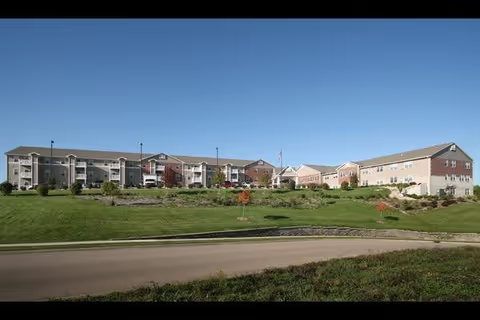
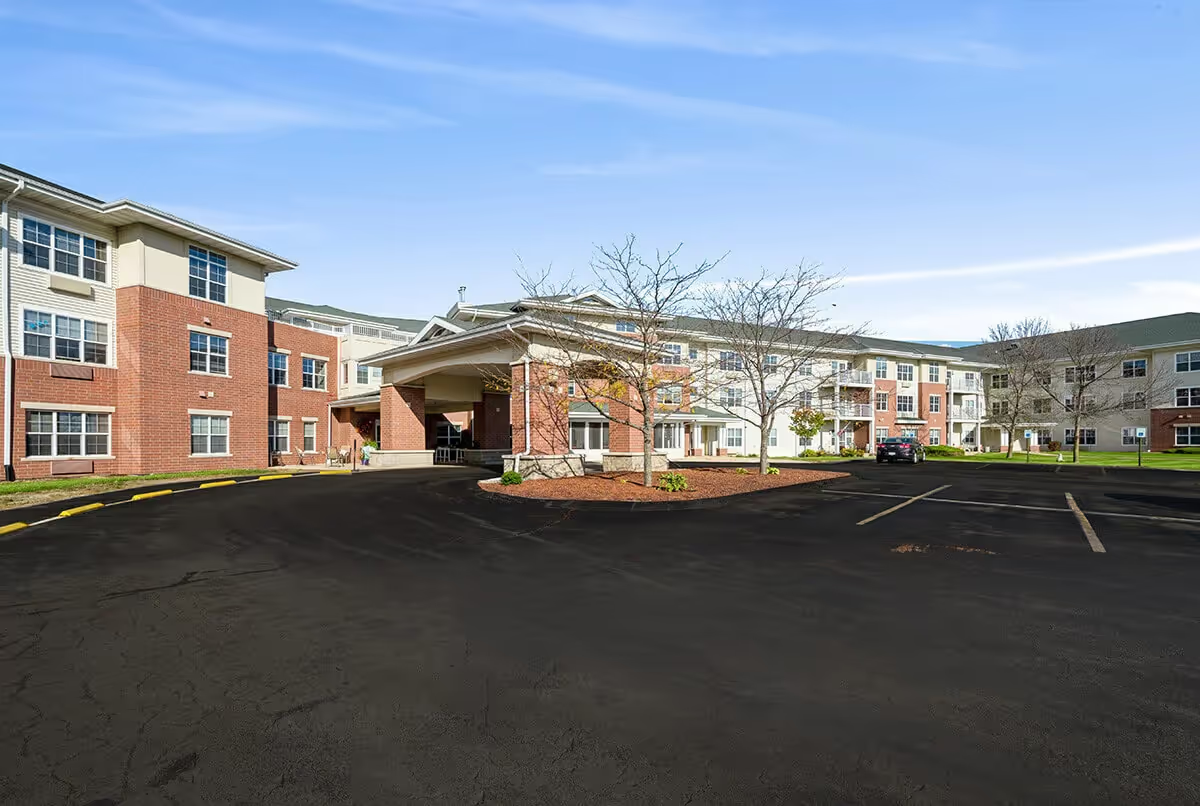
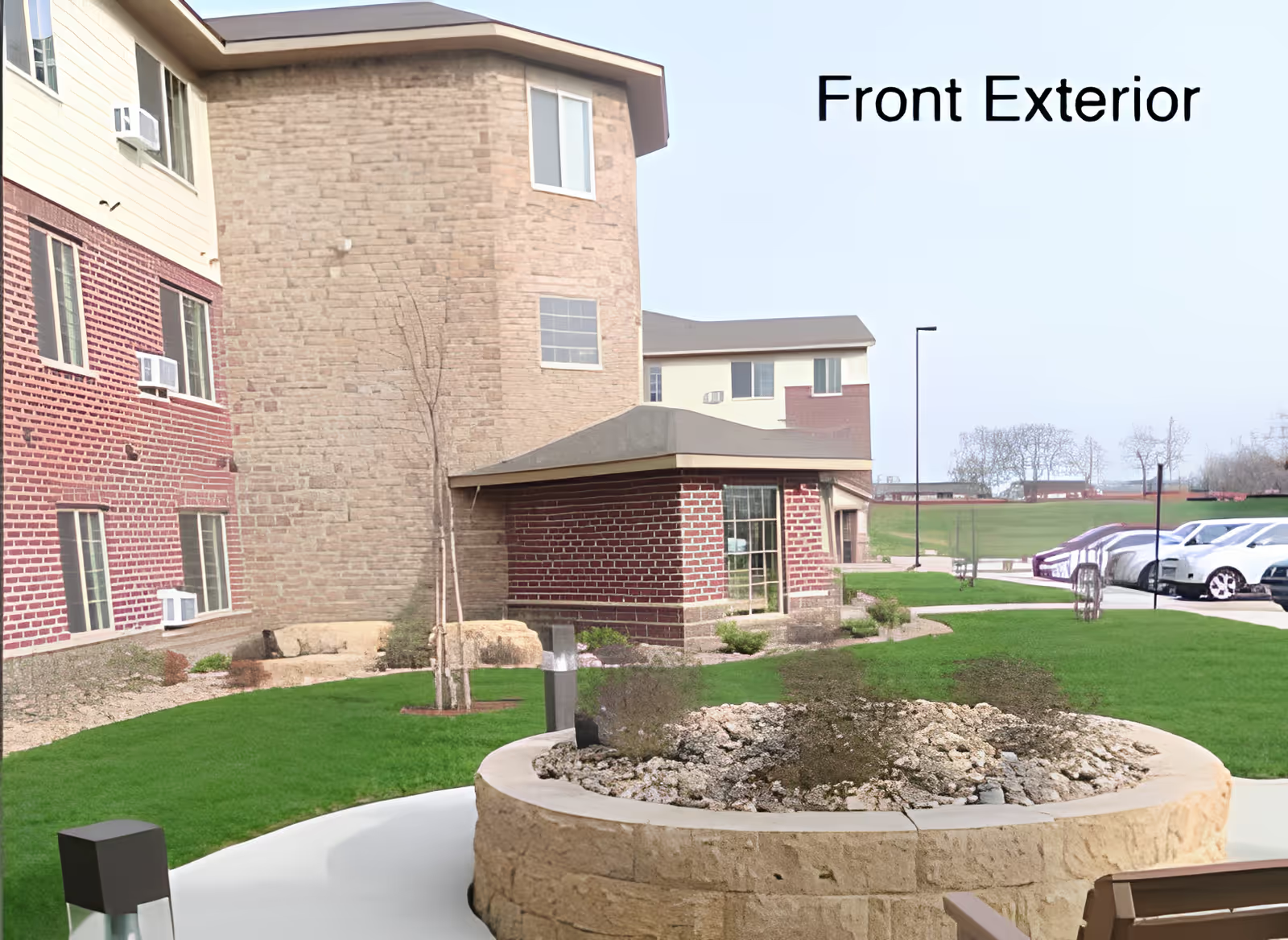
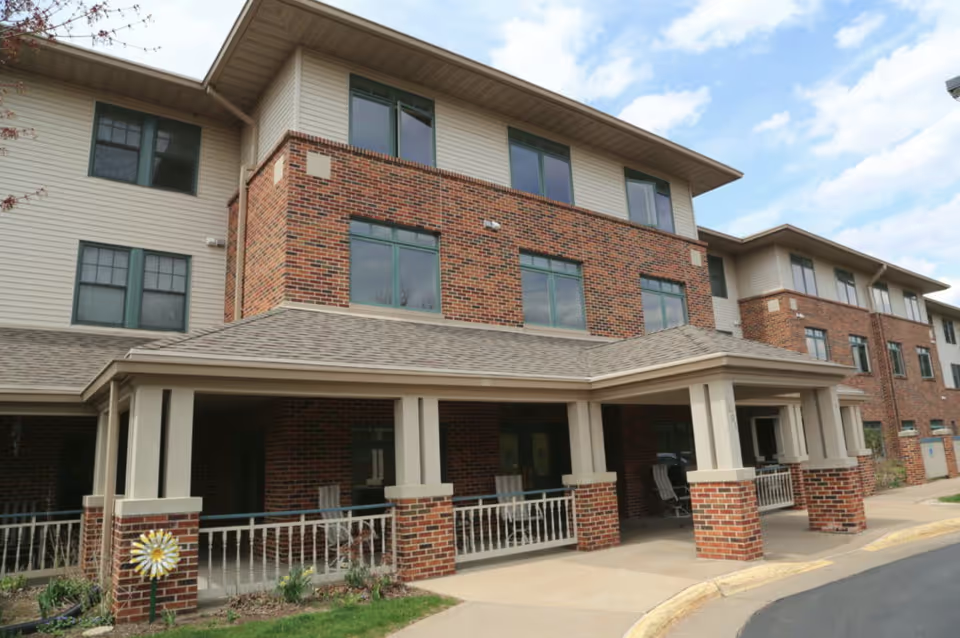
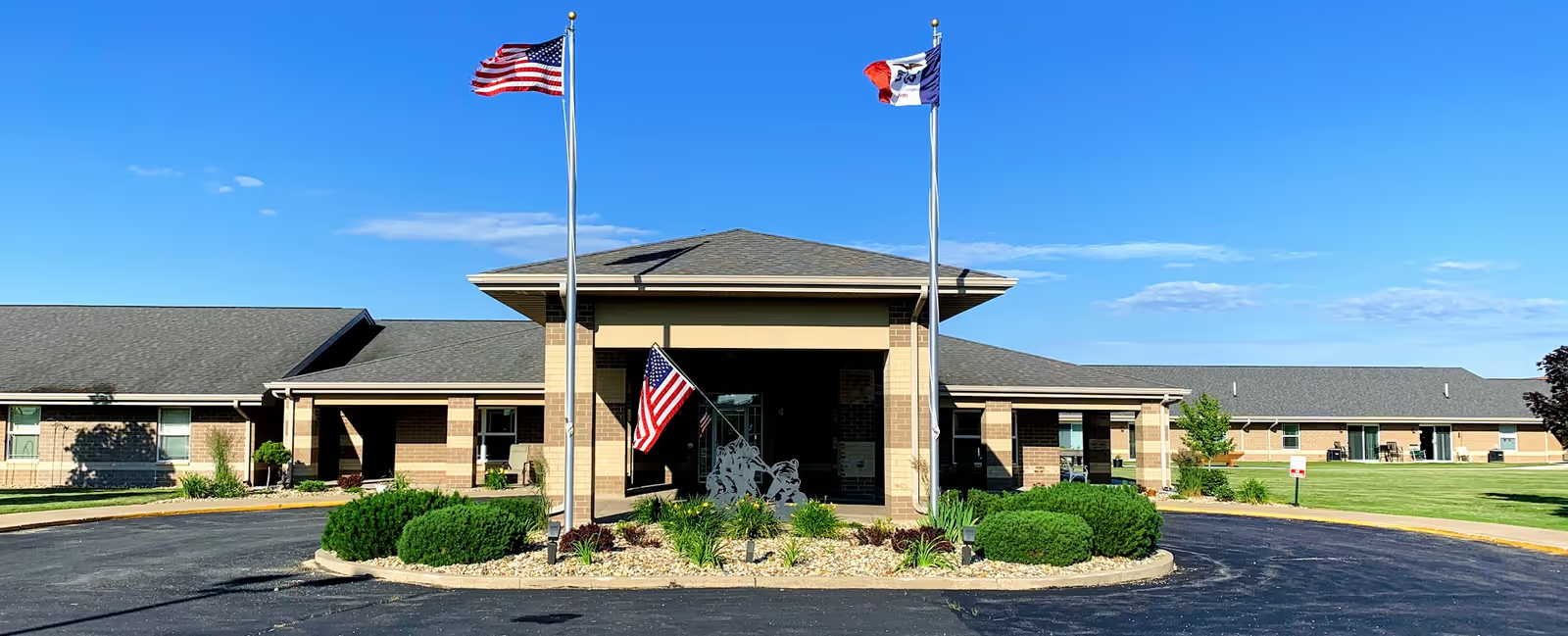
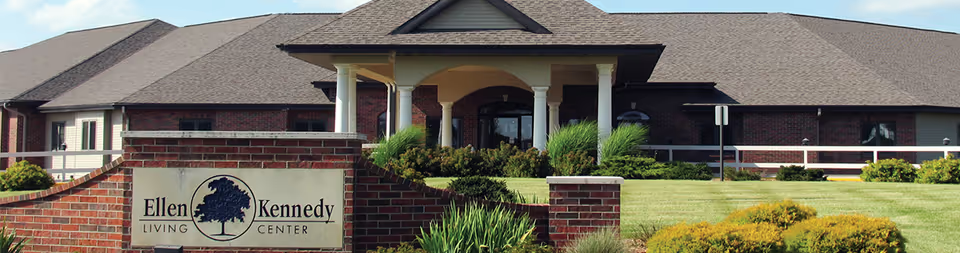
Facilities and activities: The facility is described as newer, clean, and well-maintained with large, well-equipped resident rooms and roll-in bathrooms—features that support accessibility and family visits. Reviewers also note active programming and services such as activities and grooming/hair appointments. However, some reviewers describe underutilized common areas and a quieter, sparsely populated atmosphere; others raised safety-related observations. Those comments indicate it is reasonable to ask management about occupancy levels, activity schedules, and the facility’s emergency-preparedness measures.
Dining and ancillary services: There is limited direct commentary on dining in the available summaries. Positive remarks focus on activities and therapy; for dining quality, meal schedules, and special-diet accommodations, an in-person assessment or specific questions to staff are recommended.
Notable patterns and recommendations: The dominant pattern is polarization — clear strengths in facility condition, accessibility, and certain staff/therapy interactions coexist with credibility issues around consistent clinical performance, staff supervision, and on-shift professionalism. When evaluating this facility, families should conduct a focused tour and ask for documentation or demonstrations of staffing ratios, staff training protocols, incident-response procedures, medication- and pain-management policies, personal-device/phone policies at care stations, and emergency-preparedness/fire-safety documentation. Those targeted questions will help confirm whether the operational controls are aligned with the positive elements described in many reviews.