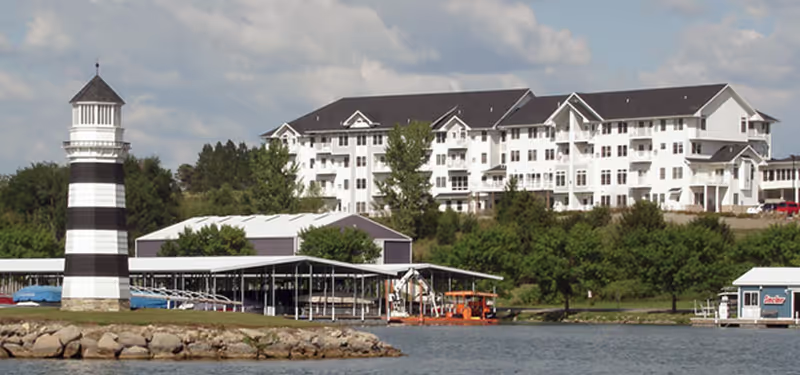
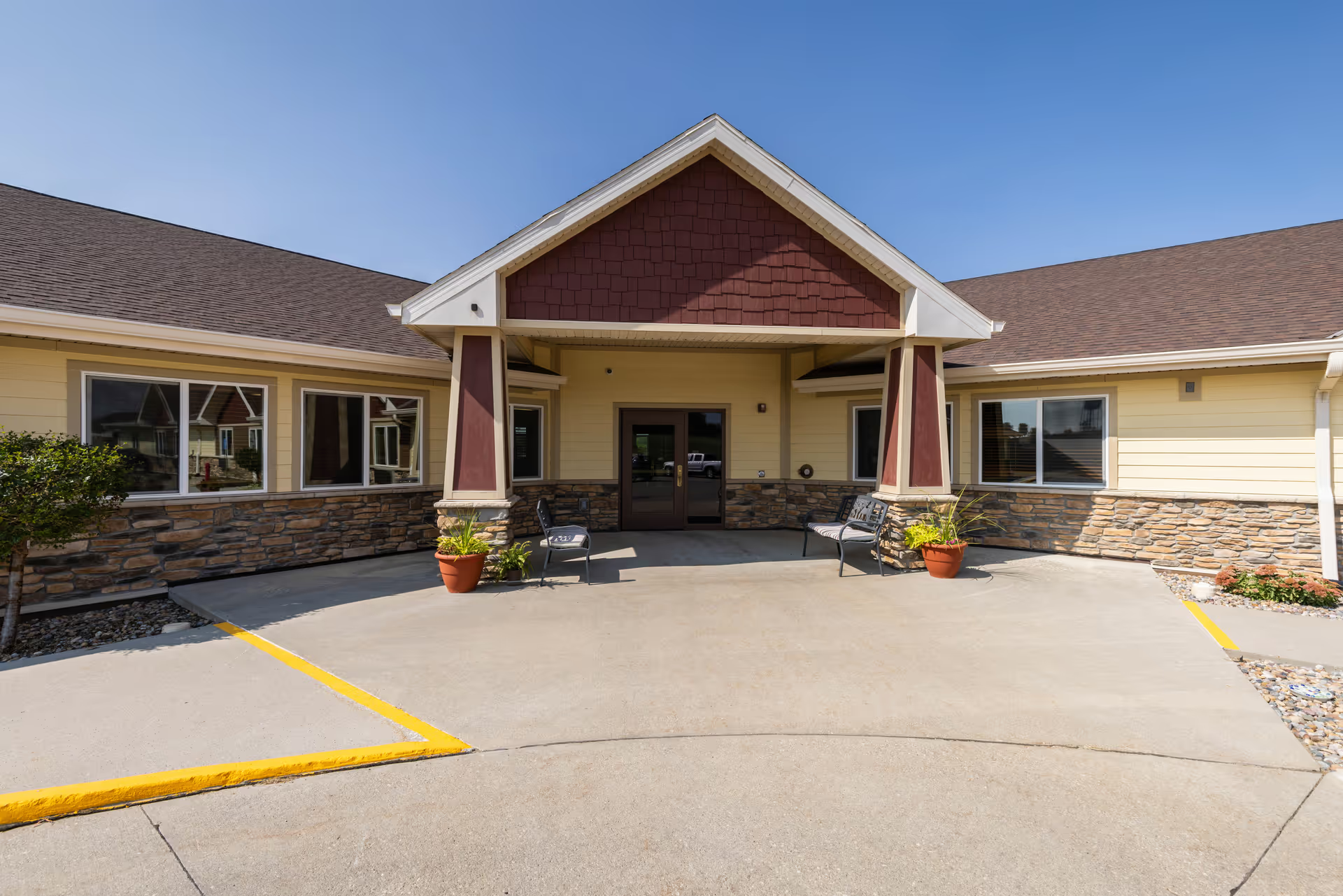
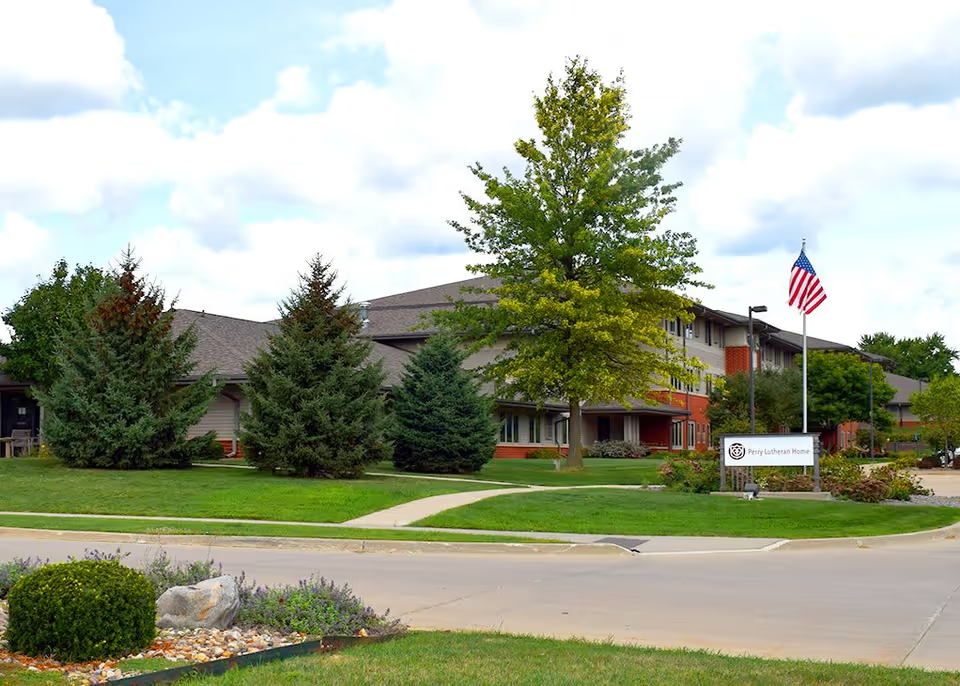
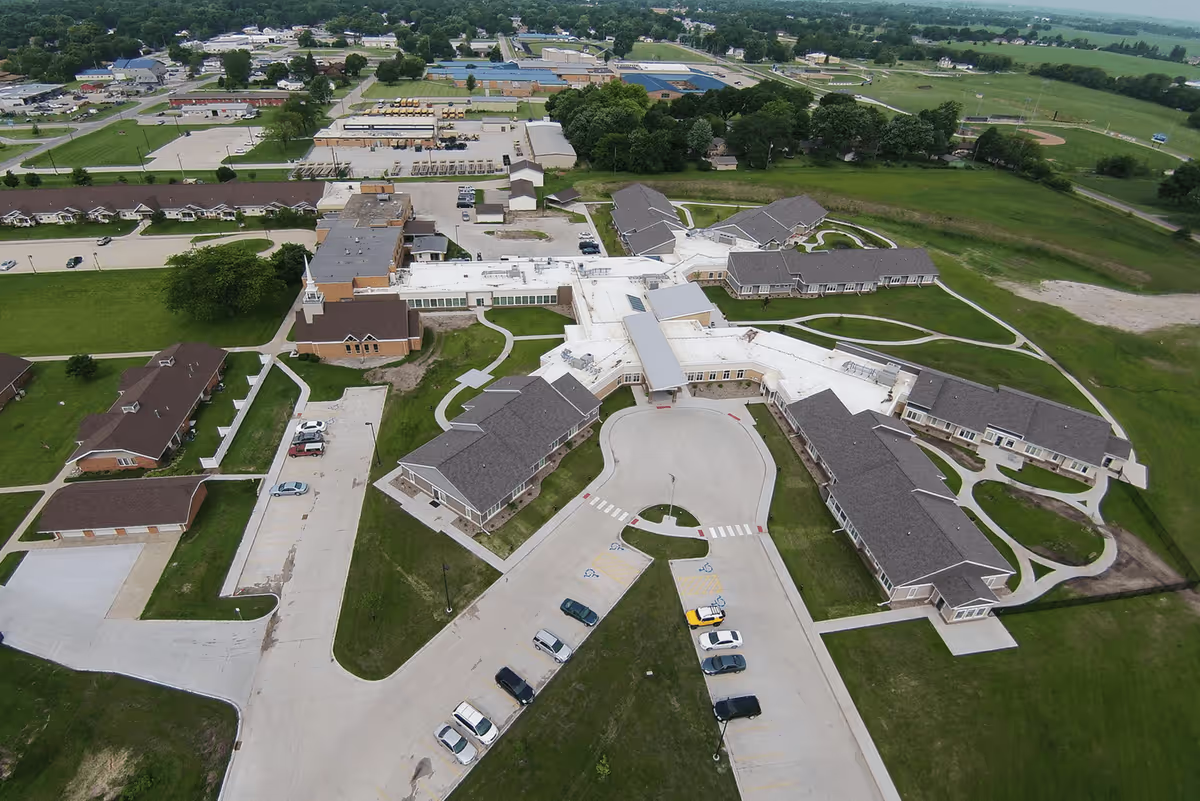
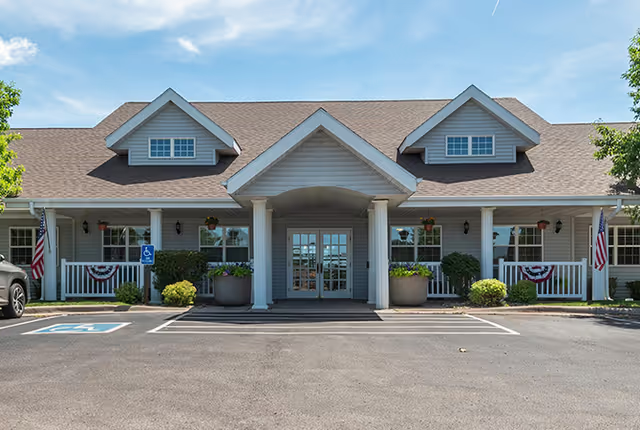
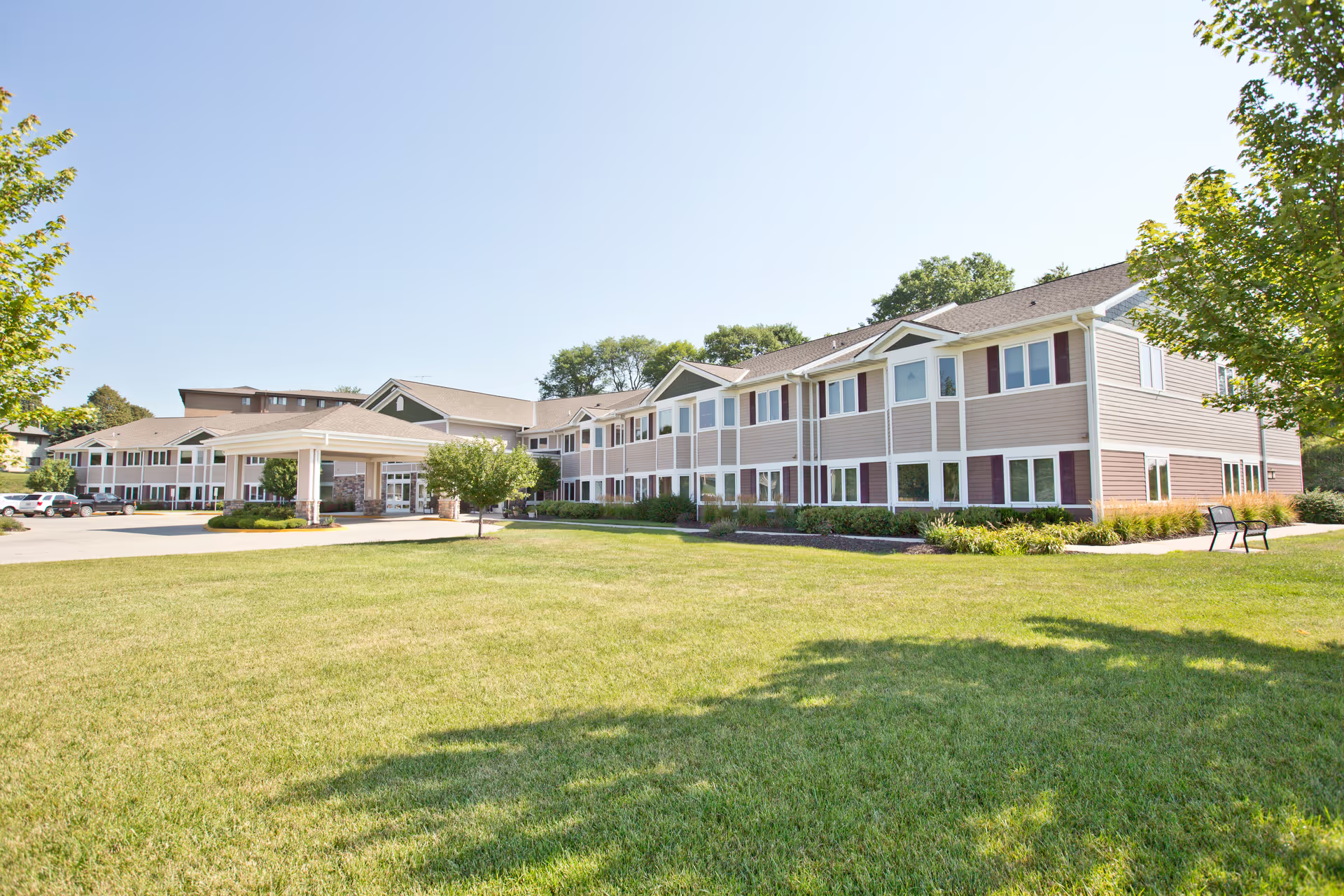
Overall impression: Thomas Rest Haven is presented primarily as a small, home-like not-for-profit facility with many enduring strengths. Reviewers commonly emphasize a family-oriented culture supported by long-tenured employees, a clean and well-maintained building, and a welcoming atmosphere. The facility’s physical layout and amenities—spacious rooms, accessible routes for wheelchairs, a cozy dining area, an aviary, and an on-site fitness room—support a comfortable daily experience for residents and reinforce the homelike character described by families.
Care and staff: Praise centers on compassionate, attentive caregivers who remember residents by name and provide personal assistance beyond basic tasks, including help with personal items and technology setup. Multiple comments highlight an effective rehab team and available physical and occupational therapy services; several notes describe meaningful therapy outcomes and proactive upkeep from staff. At the same time, reviewers raised operational concerns: staffing levels for direct care can be inconsistent, and there are occasional concerns about the professionalism or communication tone of some staff. Those issues manifest as interruptions to continuity of care and at least one concern about the facility’s handling of clinical transitions.
Dining and activities: The dining experience is characterized as homestyle, with meals served in a cozy, social setting that many residents enjoy. The activity program is described as diverse and active, offering arts and crafts, games, bowling, outdoor therapy, and other social options that support engagement. These elements contribute to a perception of good quality of life for residents who participate in programming and enjoy communal meals.
Facilities and management: The facility is noted for proactive maintenance and cleanliness, and reviewers appreciate the competitive pricing associated with its not-for-profit status. However, perceptions of management are mixed: while many praise the caregiving staff, some raise concerns about administrative competence or inconsistency in leadership decisions. A specific area of concern relates to clinical decision-making and the timing and communication around hospice or end-of-life transitions; families considering the facility should ask about policies and communication protocols for these transitions. Overall, the pattern across comments is of a facility that delivers strong personal care and engaging daily life for many residents, with operational areas—staffing consistency and leadership/communication practices—that prospective families should evaluate during a visit.