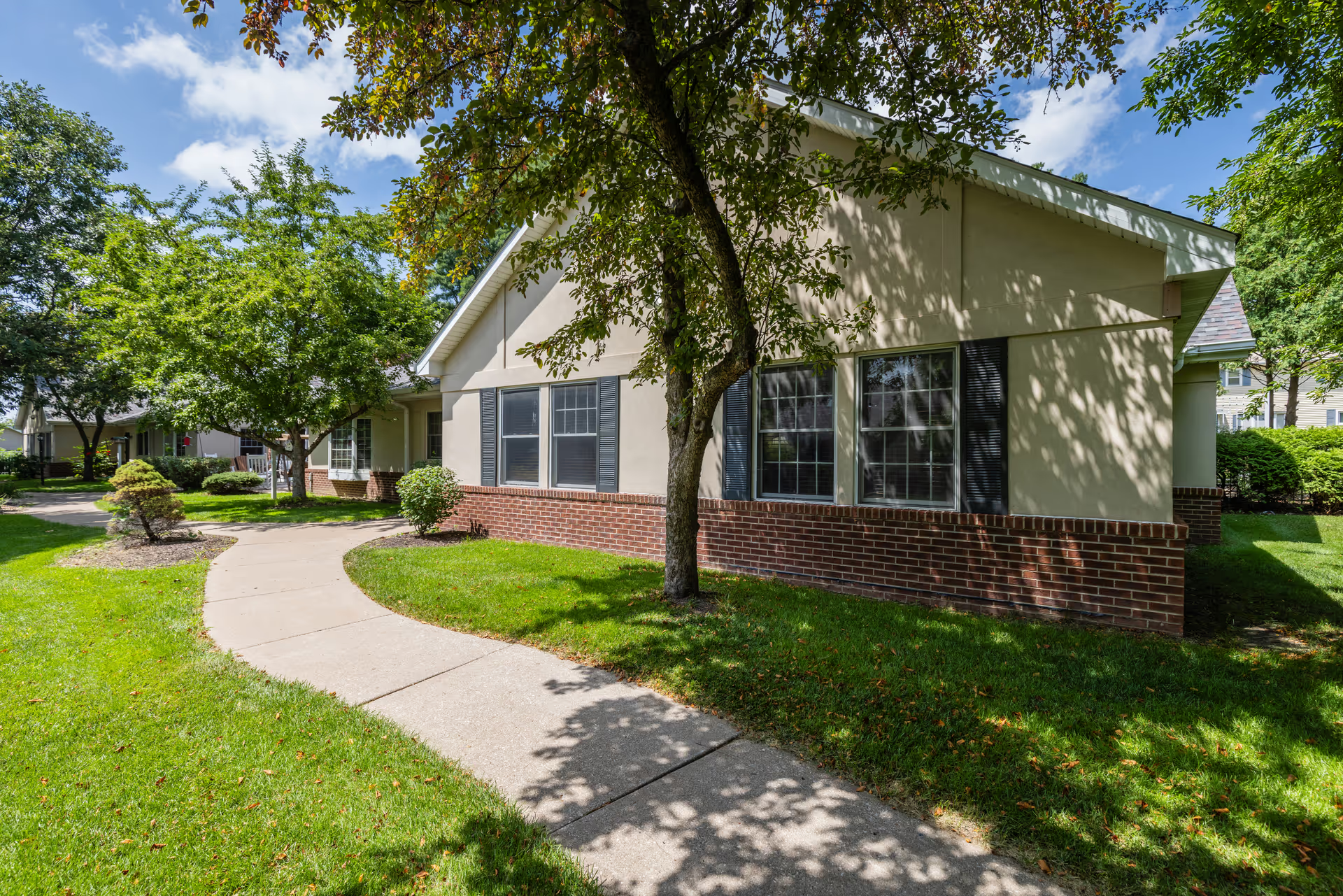
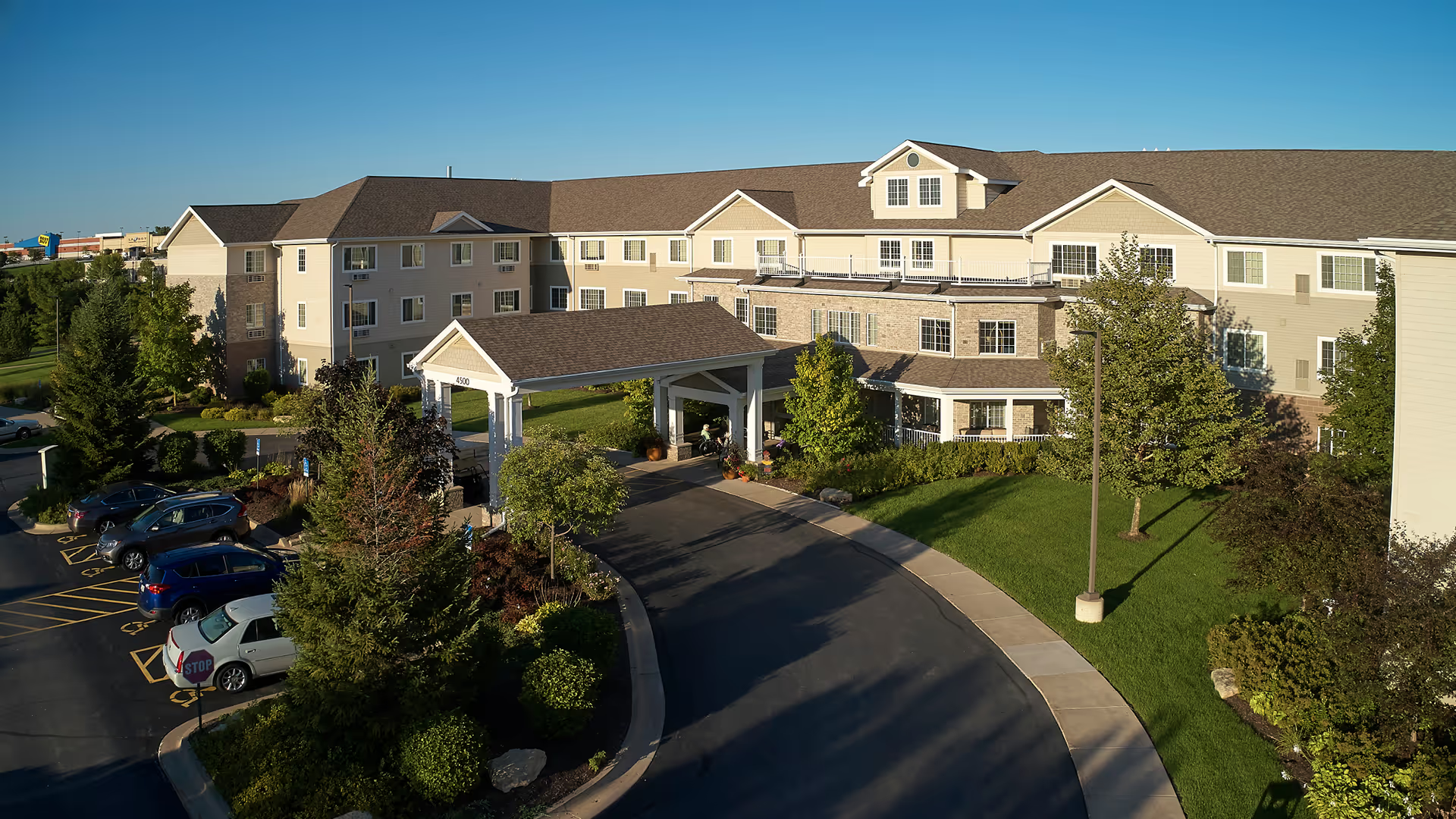
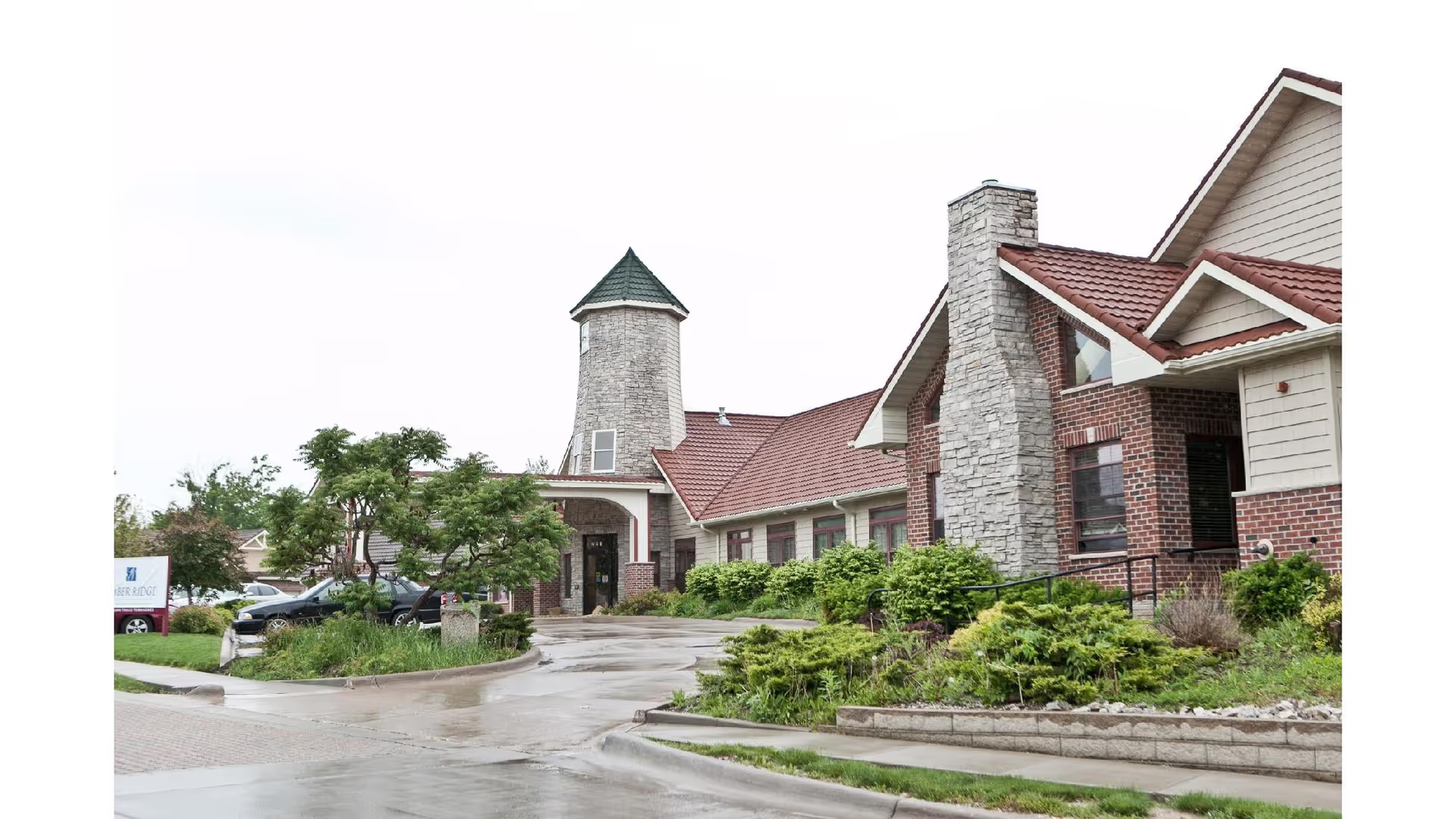
Reviews of Harmony Davenport present a mixed but consistent pattern: many families and residents praise the direct-care staff and therapy teams, while others describe operational and safety gaps that warrant attention. Strengths repeatedly cited include compassionate nursing and nursing-assistant care, effective and goal-oriented physical and occupational therapy, and a welcoming atmosphere for veterans supported by targeted events and social programming. Admissions staff and certain leaders receive positive mention for being responsive and facilitating transfers, and several accounts highlight successful short-term rehabilitation outcomes and community social events such as cookouts.
Care quality and staff conduct are described in dual terms across reviews. Numerous accounts emphasize attentive, knowledgeable nurses and CNAs who contribute to dignity and mobility restoration. Conversely, several reports indicate inconsistent staffing levels and delays in responding to clinical needs (for example, delayed attention after falls and slow response to calls for assistance). Reviews also surface concerns about medication handling and administration practices, and some serious individual accusations (including theft and possible illicit staff activity) that suggest weaknesses in staff oversight and asset security.
Dining and activities are generally viewed positively. Families noted engaging activities, therapy-driven routines, and veteran-focused programming that support socialization and rehabilitation. Food quality is described inconsistently — some reviewers praise special events and regular meals, while others call the dining experience average or variable. Housekeeping and maintenance receive mixed feedback: many reviewers commend responsive maintenance and certain clean common areas, yet others raise sanitation and odor concerns in parts of the building and point to worn furniture and peeling finishes.
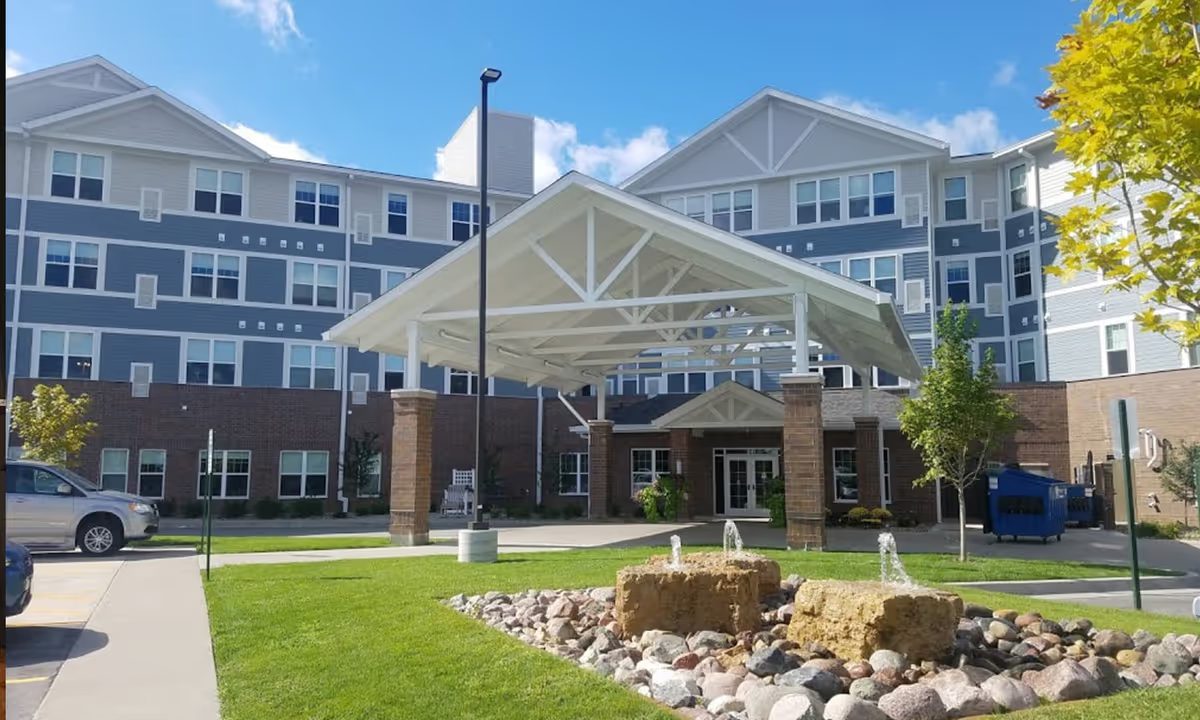
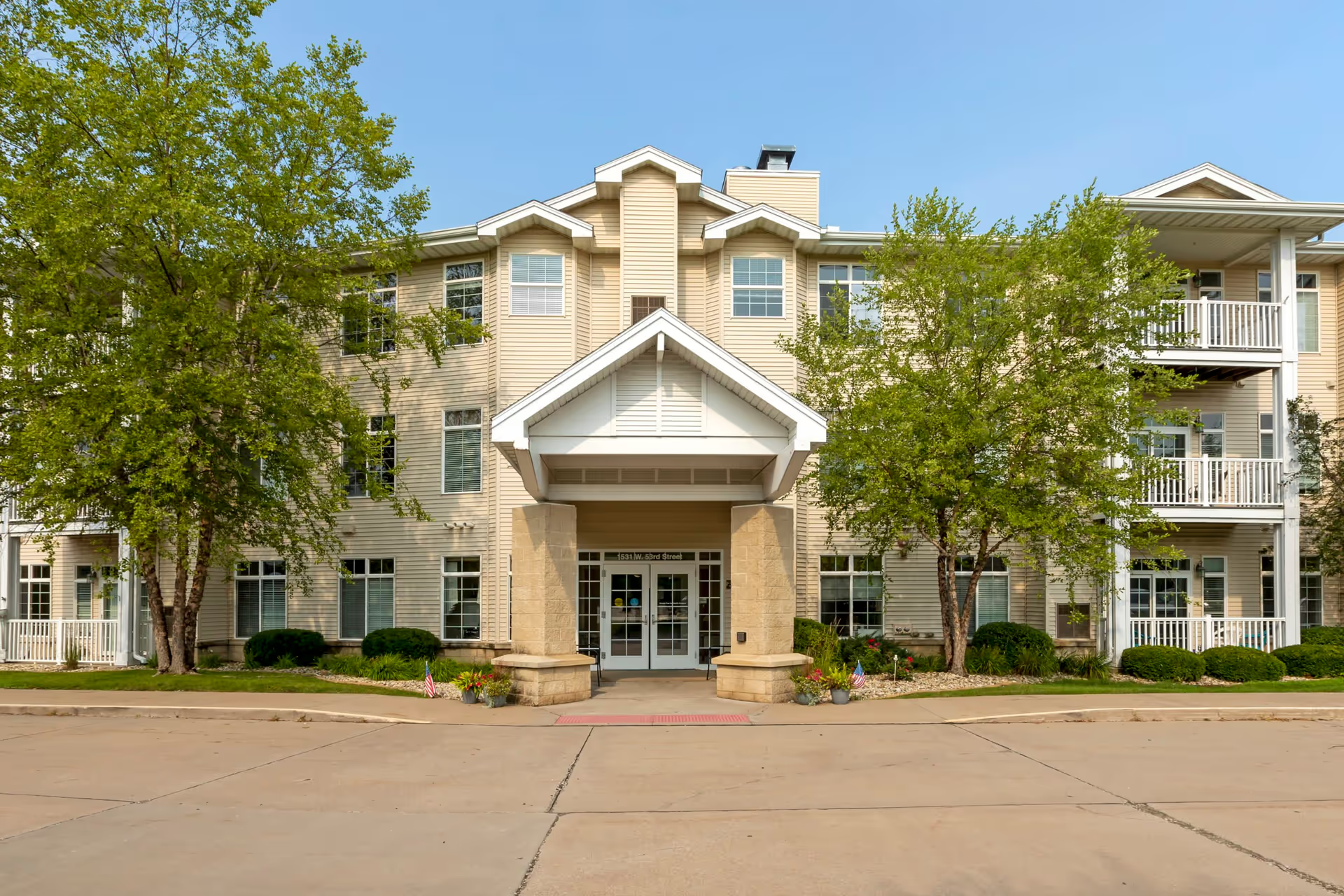
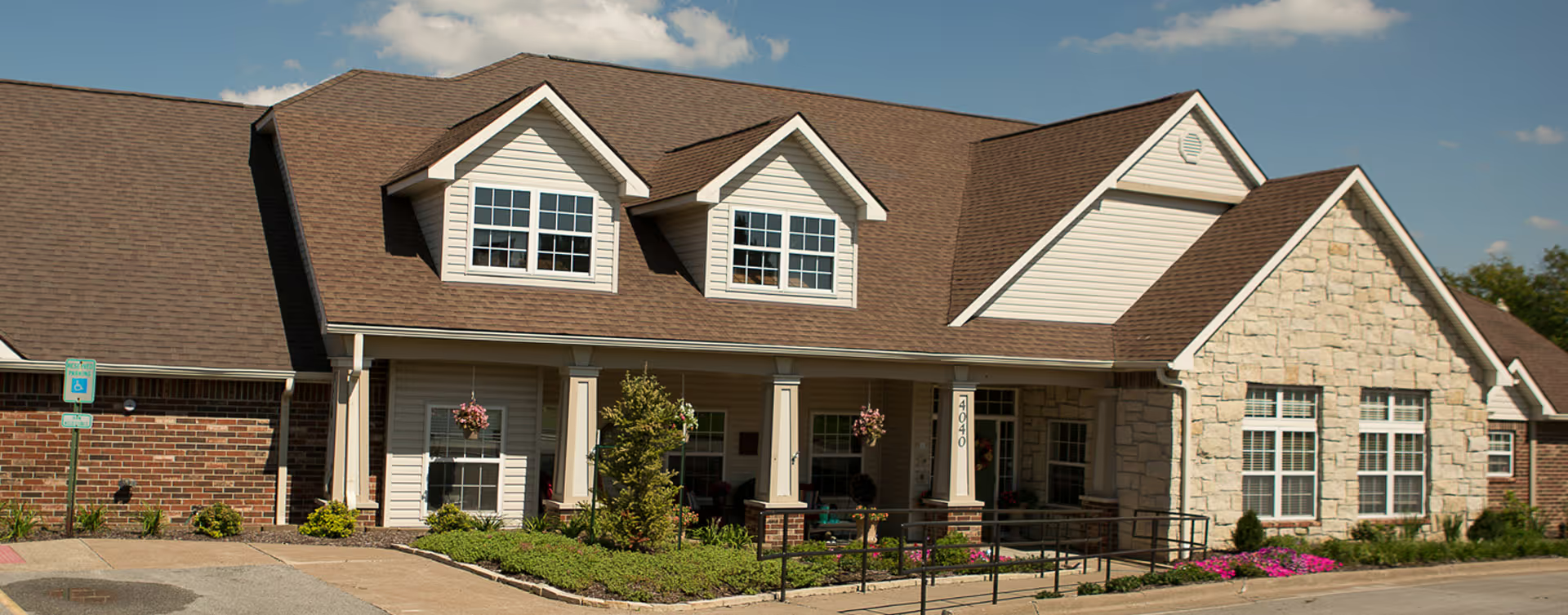
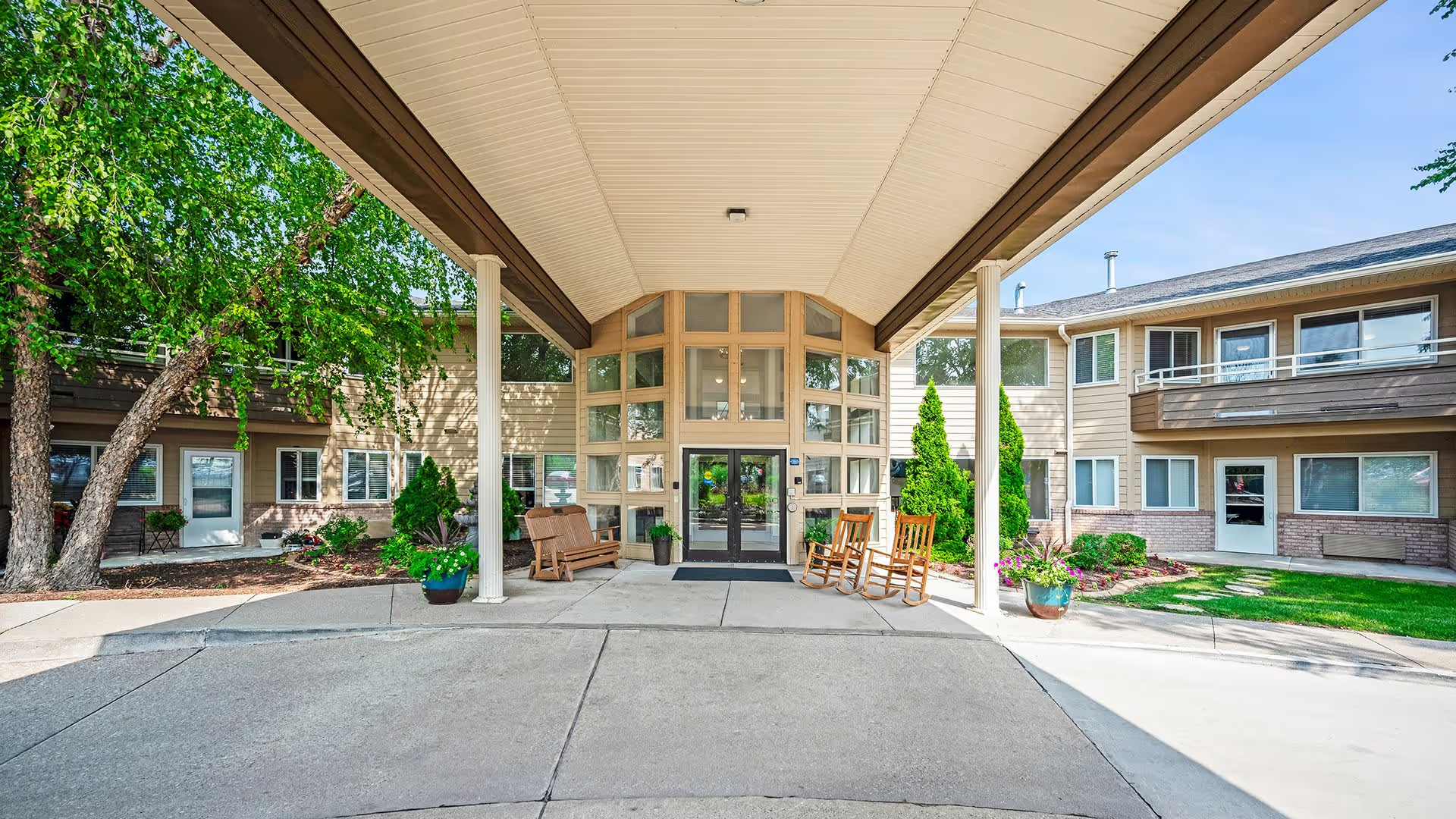
Facility condition and management practices are similarly mixed. Several reviews describe progress on renovations and improved aesthetics in areas under refurbishment; others note aging equipment, outdated beds, and deferred maintenance in sections. Communication and administrative processes draw repeated criticism for inconsistency — families reported difficulty obtaining records, delays during transfers, and poor phone responsiveness. Positive change is attributed by some to new leadership and a proactive admissions team, while negative experiences highlight uneven leadership follow-through and inconsistent shift-to-shift communication.
Overall pattern and practical takeaways: prospective residents and families can expect strong hands-on caregiving and active therapy programming in many cases, along with community-oriented events and veteran support. At the same time, evaluate operational risks during a visit: ask about current staffing ratios and night-shift coverage, review medication-administration and asset-security protocols, inspect units targeted for renovation for sanitation and maintenance standards, and request examples of recent clinical-incident response policies and record-release timelines. For concerns that reach the level of alleged misconduct, families should pursue documentation and escalate through facility leadership and appropriate oversight channels.