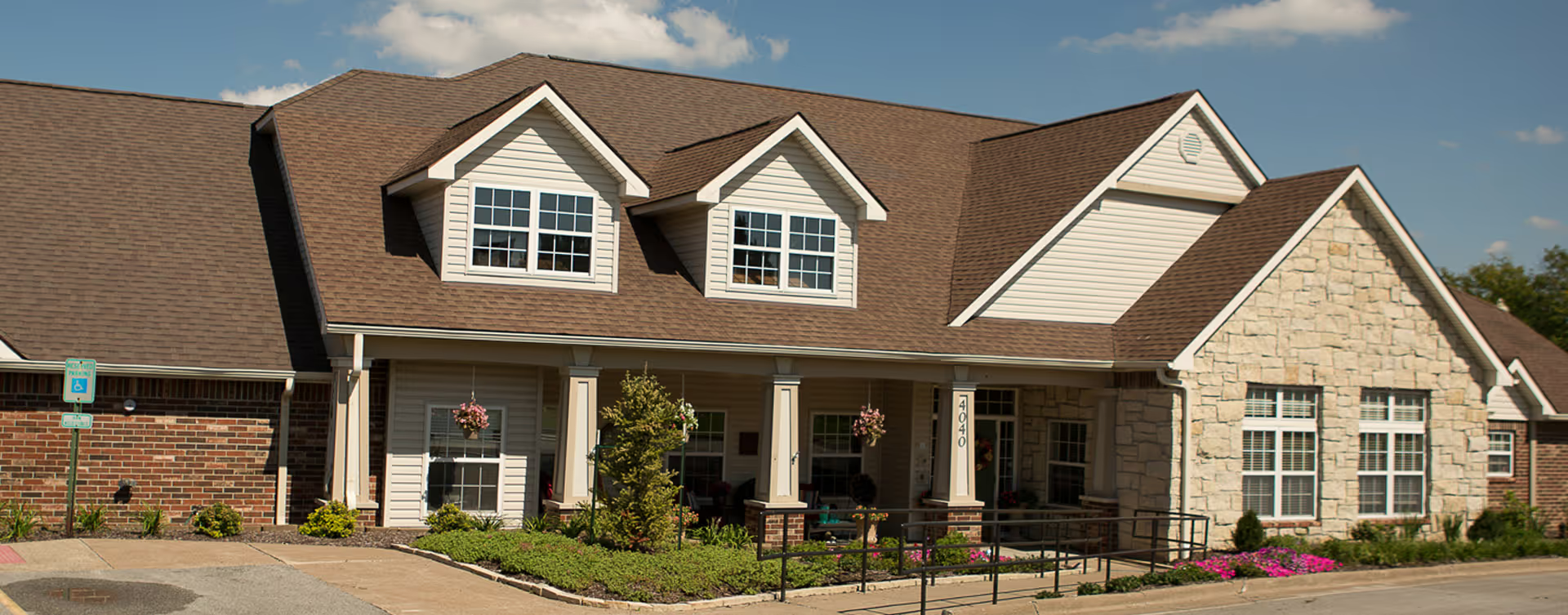
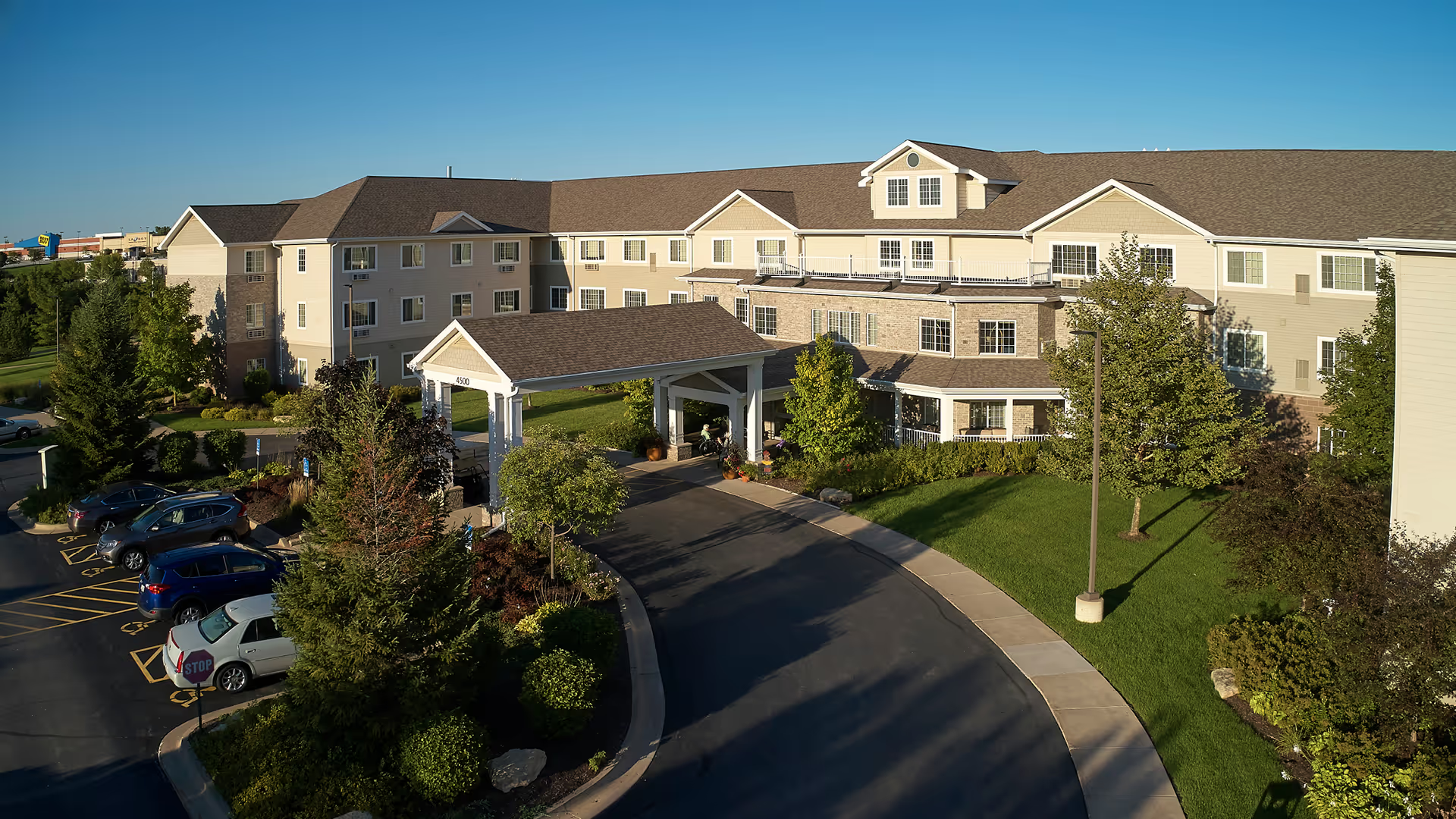
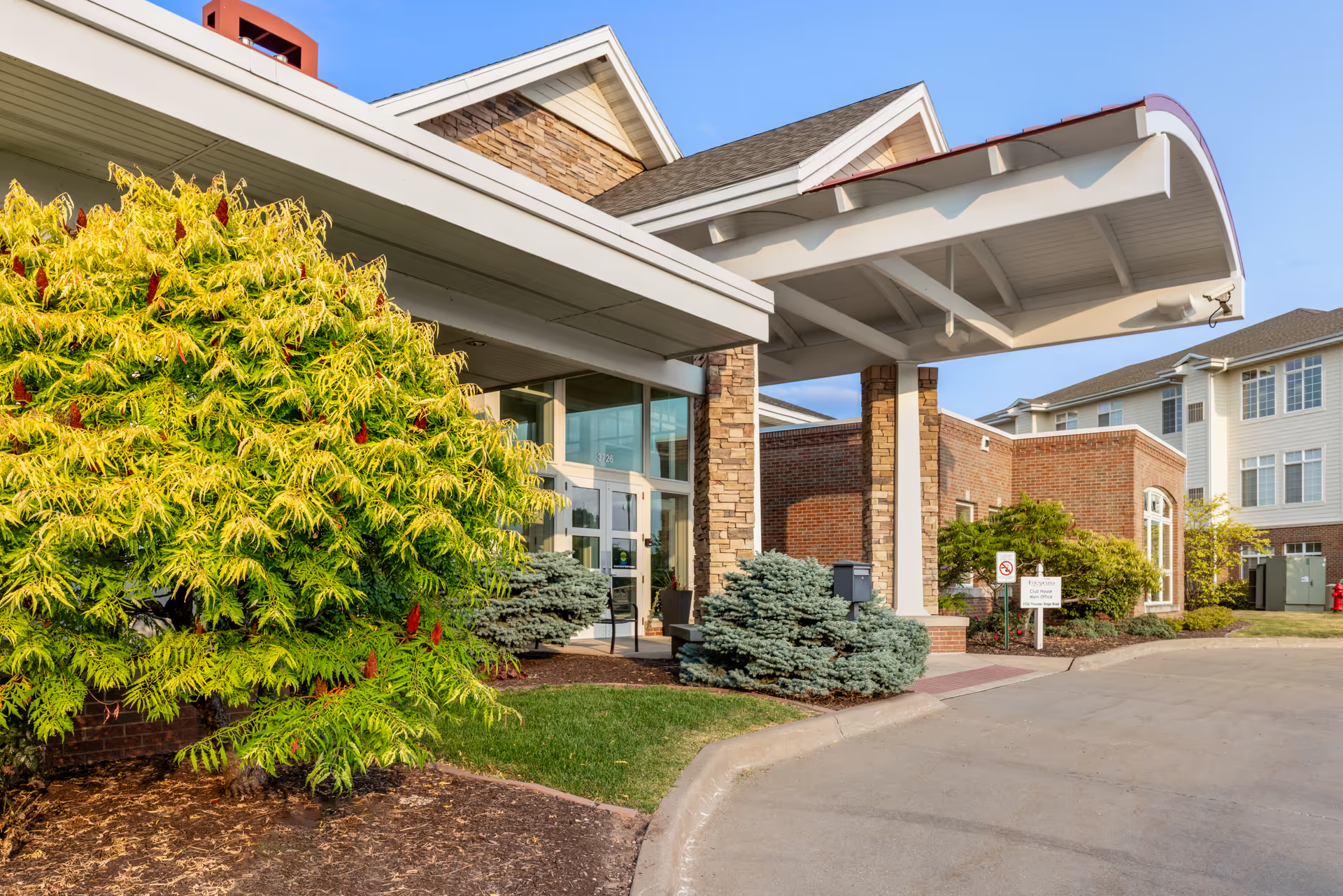
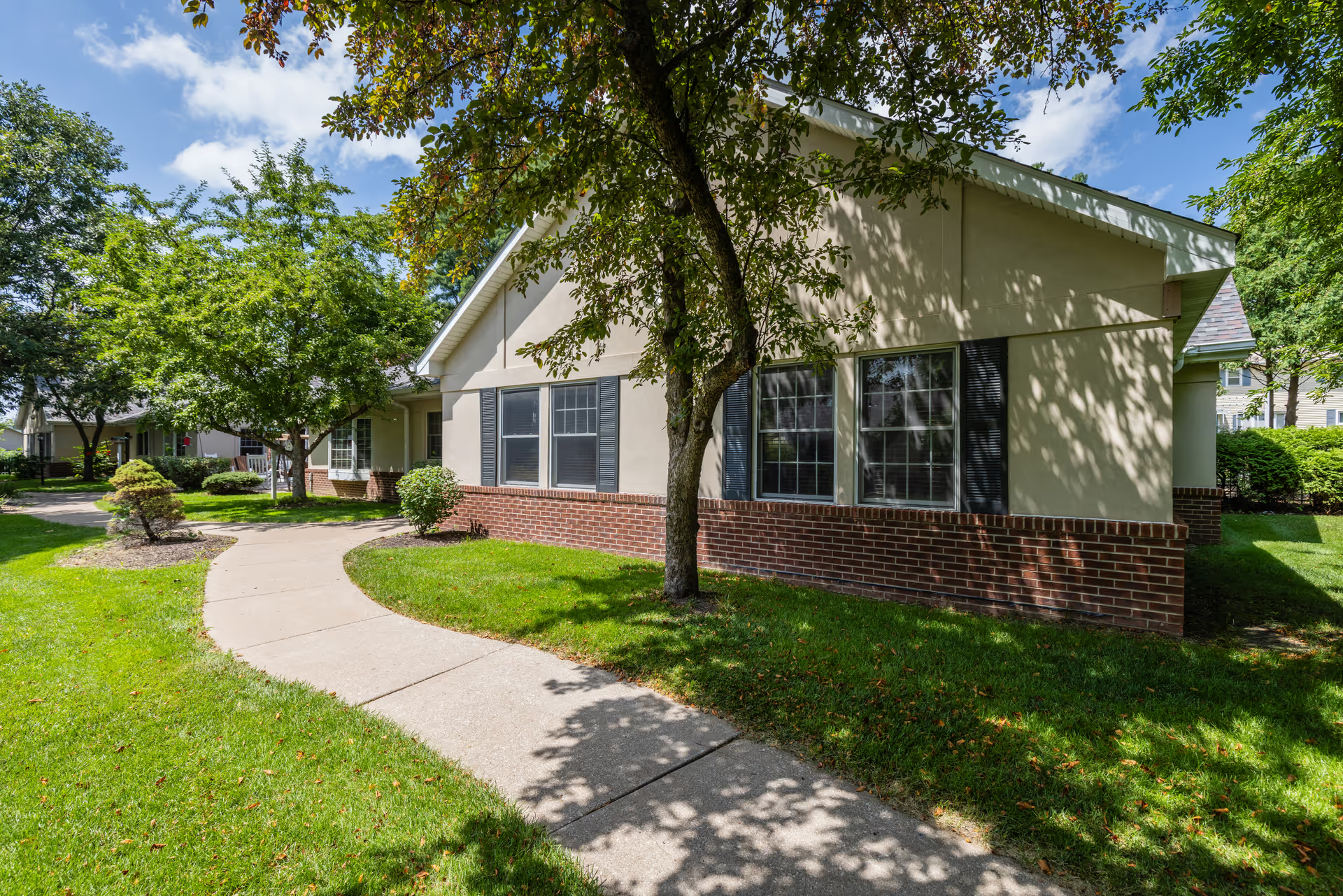
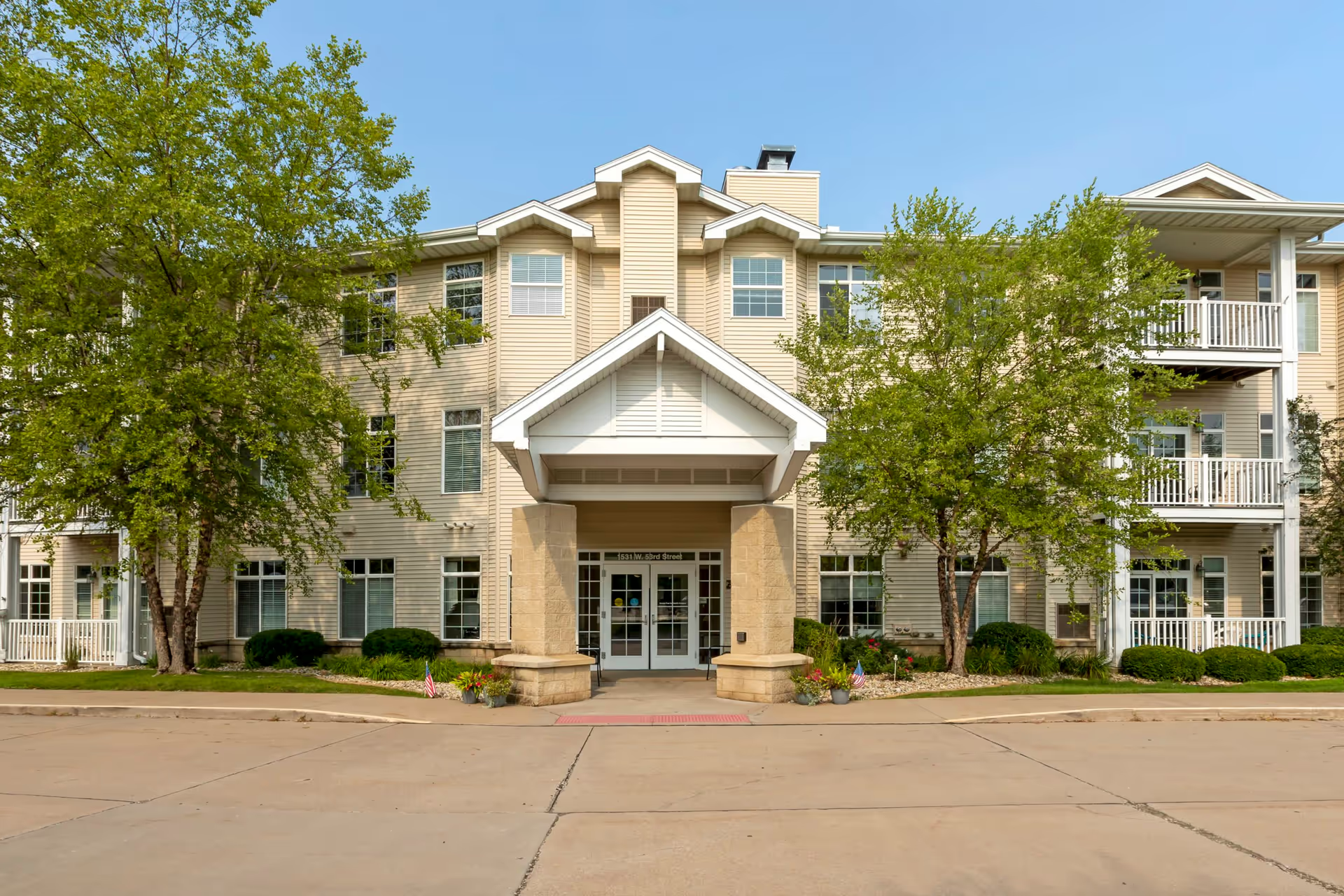
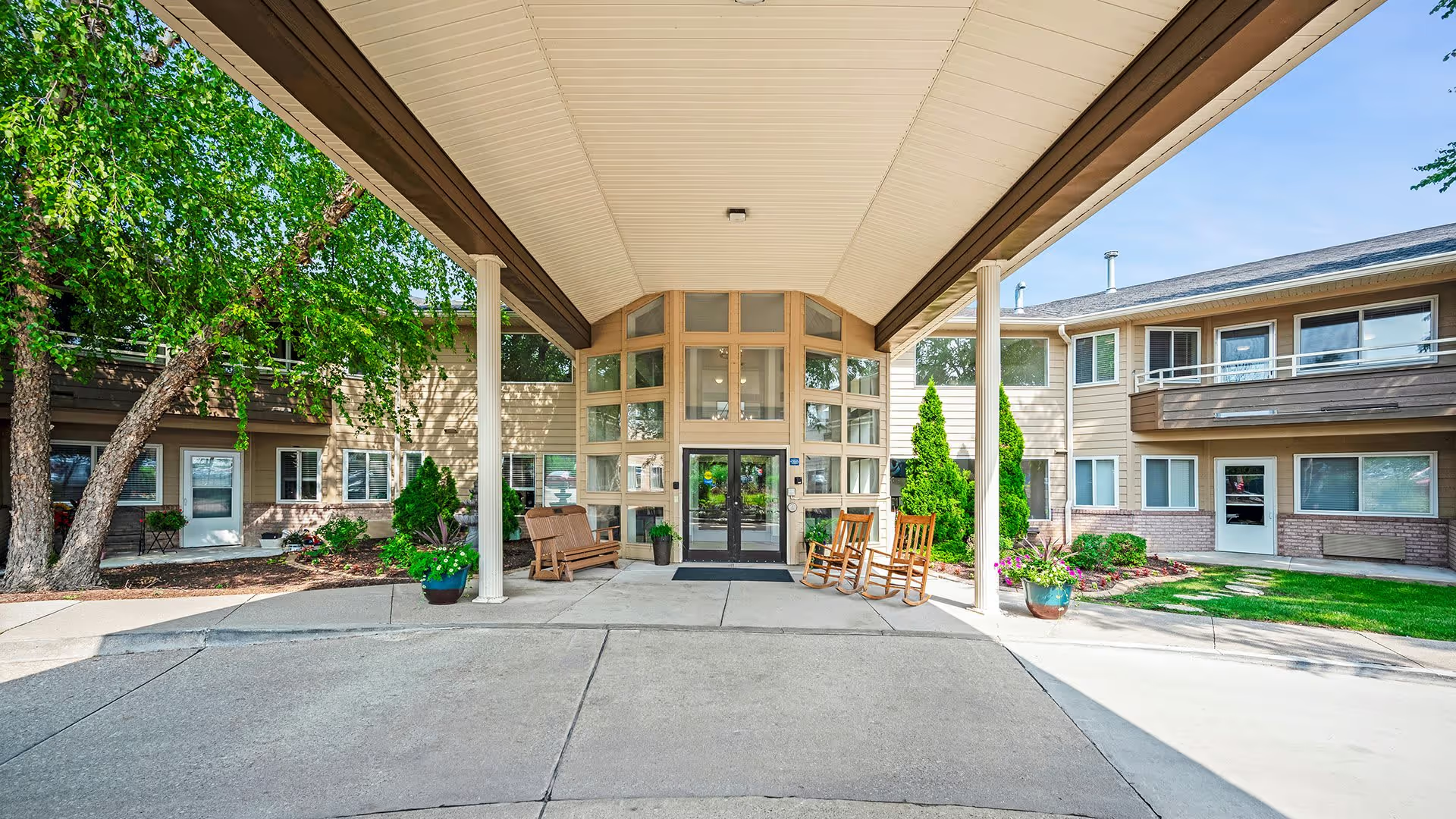
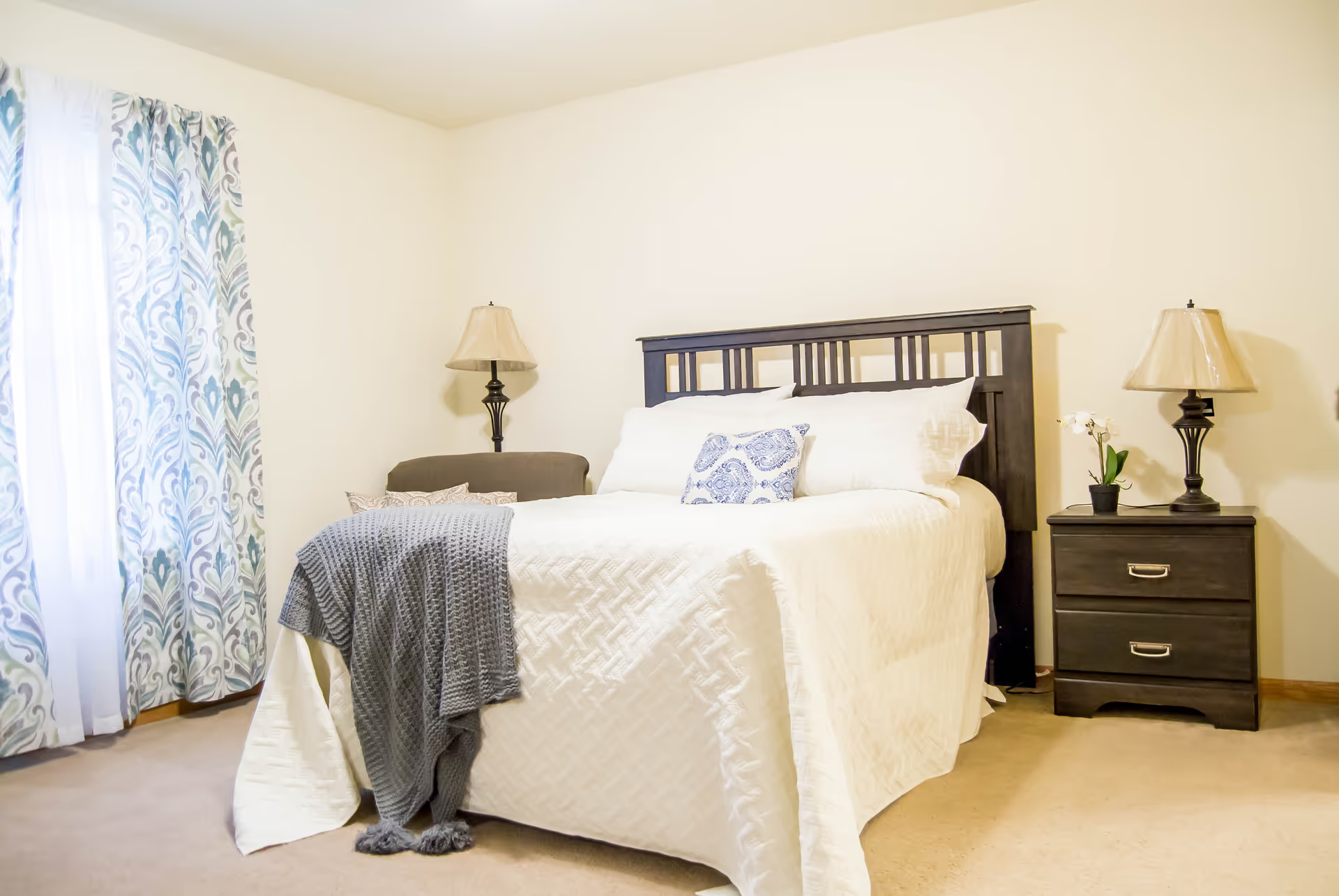
The reviews present a strongly polarized picture of Kahl Home: many families praise the facility's rehabilitation strengths, clean and modern environment, and spiritual and social supports, while others describe operational and clinical inconsistencies that materially affected care. Overall, the facility appears to deliver high-quality therapy and favorable rehab outcomes for a substantial number of residents, supported by a well-equipped therapy department, restorative programs, and staff who provide pastoral and end-of-life support. The physical plant—newly built sections, large private rooms, hotel-like interiors, and accessible outdoor areas—receives consistent positive comment.
Care quality descriptions vary by domain. Physical and occupational therapy are repeatedly cited as a significant strength, with examples of successful mobility recovery and attentive therapy staff. Nursing and day-to-day clinical care are described more unevenly: some families report respectful, timely nursing and good oversight, while others described delayed responses to call systems, inconsistencies in mobility assistance and incontinence care, and concerns about clinical decision-making. There are specific patterns related to medication-management and medical-record coordination, including disagreements over medication history and therapy-eligibility decisions; these suggest variability in clinical handoffs and documentation practices.
Staffing and conduct feedback is mixed. Positive comments highlight compassionate, respectful caregivers, helpful case managers, and engaged activities teams; spiritual services and attentive end-of-life support were also noted as important strengths. Conversely, reviews point to inconsistent professionalism among staff, front-desk communication problems, and staffing shortfalls at times that appear to contribute to slow response times and reduced resident engagement. Several reviews describe variability in competence across departments (nursing, therapy, administrative), indicating that resident experience may depend on unit, shift, or individual staff members.
Dining and activities are generally favorable but inconsistent. Many reviewers appreciated varied meal choices, dining options, and a range of social activities; others reported cold meals or service lapses. The activities program—including social events and religious services—was a recurrent positive for resident quality of life.
Facility-level operational concerns to note include sanitation and odor issues in some areas, uneven infection-control experiences (including reports of outbreaks), and inconsistencies in acute-incident handling and coordination with outside providers (for example, emergency-department transfers and follow-up). Financial and administrative friction also appears in reviews: families raised concerns about coverage decisions, therapy-discharge impacts on Medicare, and perceived emphasis on billing or eligibility rather than clinical nuance.
In sum, Kahl Home shows clear strengths in rehabilitation services, facility amenities, and spiritual/social programming, while exhibiting variability in nursing consistency, administrative communication, sanitation control in select areas, and acute-care coordination. Prospective residents and families may benefit from focused questions during a tour: inquire about current staffing ratios and call-response metrics, medication reconciliation and documentation processes, infection-control policies and recent outcomes, therapy-to-medical coordination procedures, and examples of how the facility handles escalation to external providers. These targeted checks can help determine whether the facility’s strong rehabilitation and environment align with consistent daily nursing and administrative practices for an individual resident’s needs.