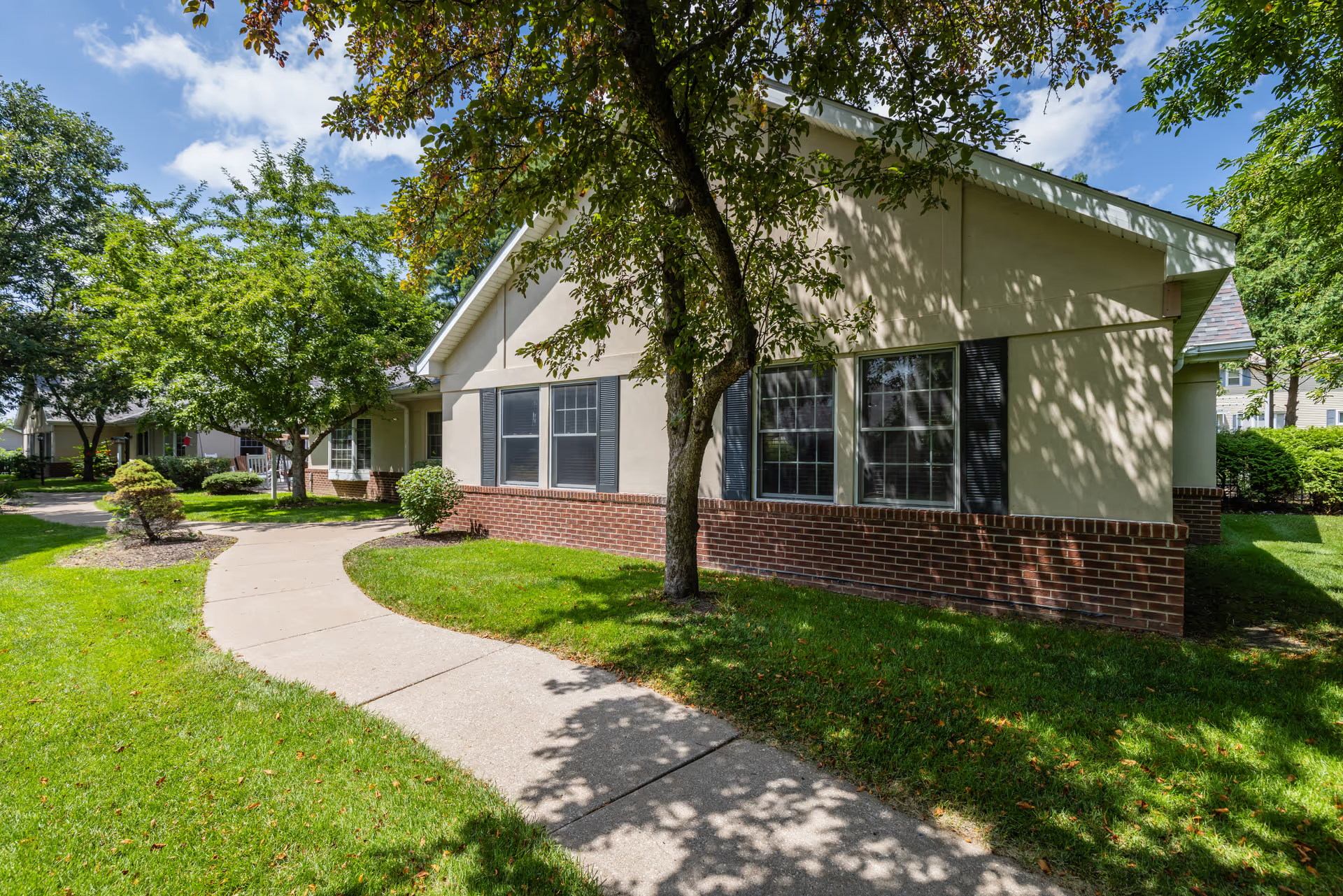
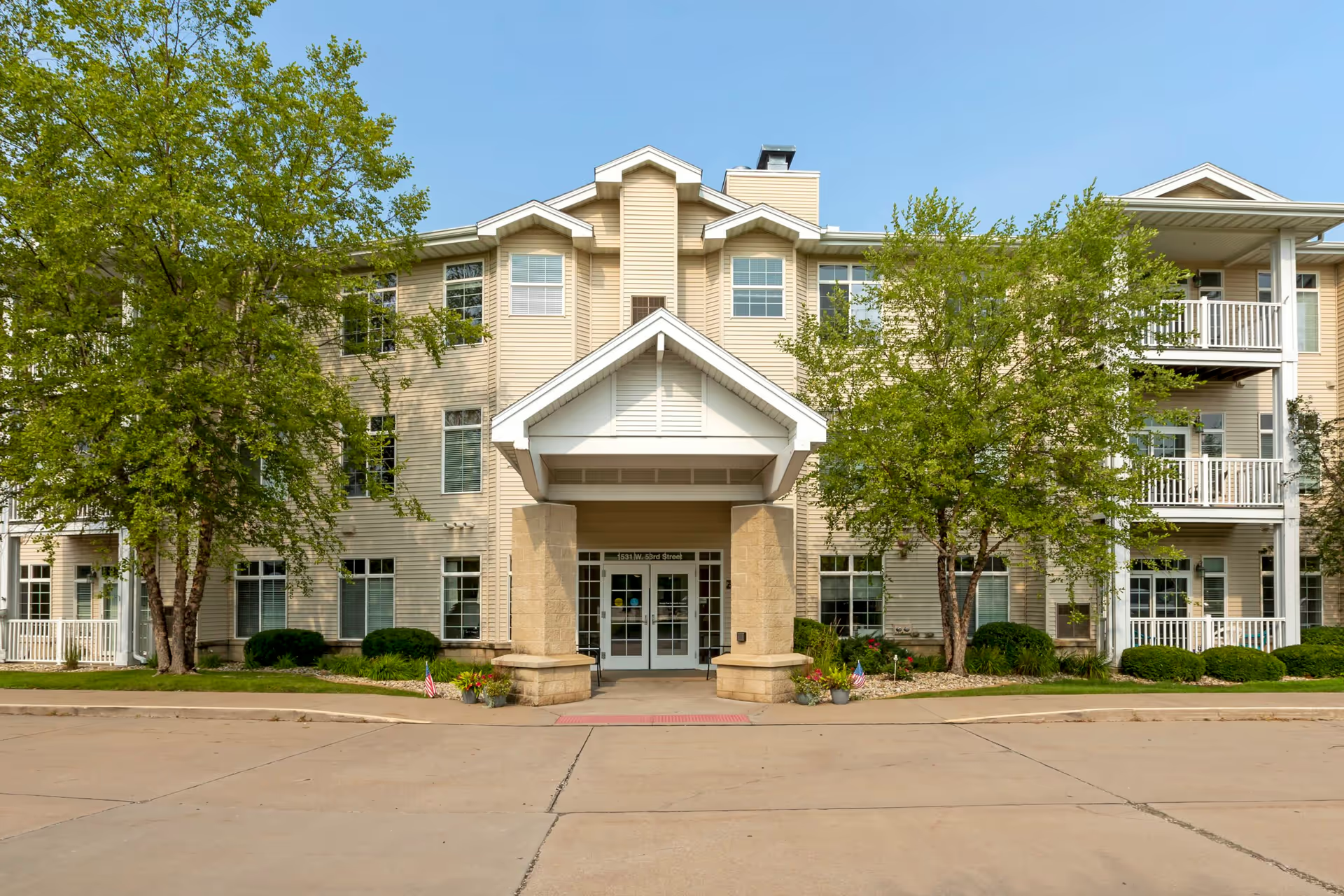
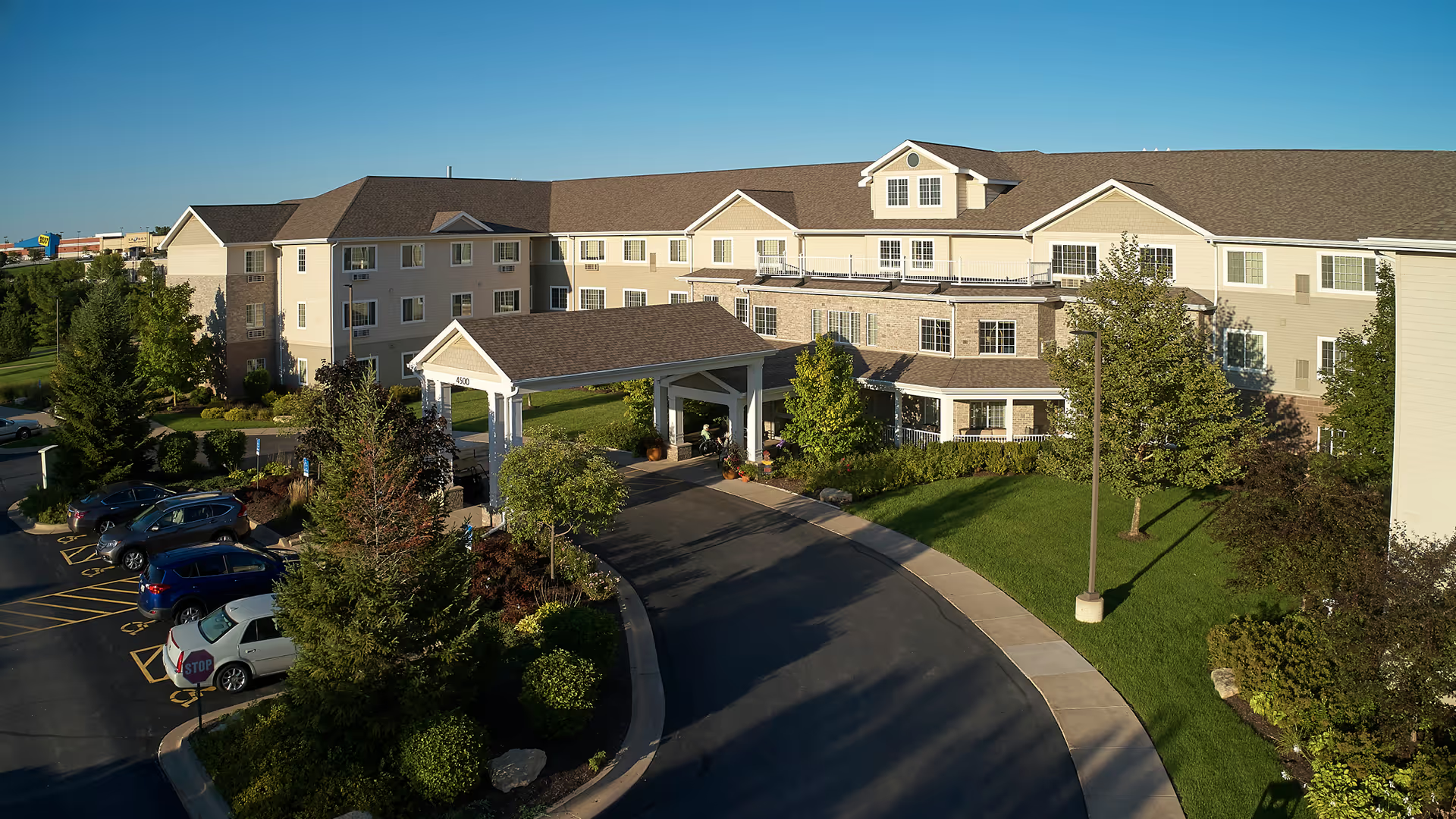
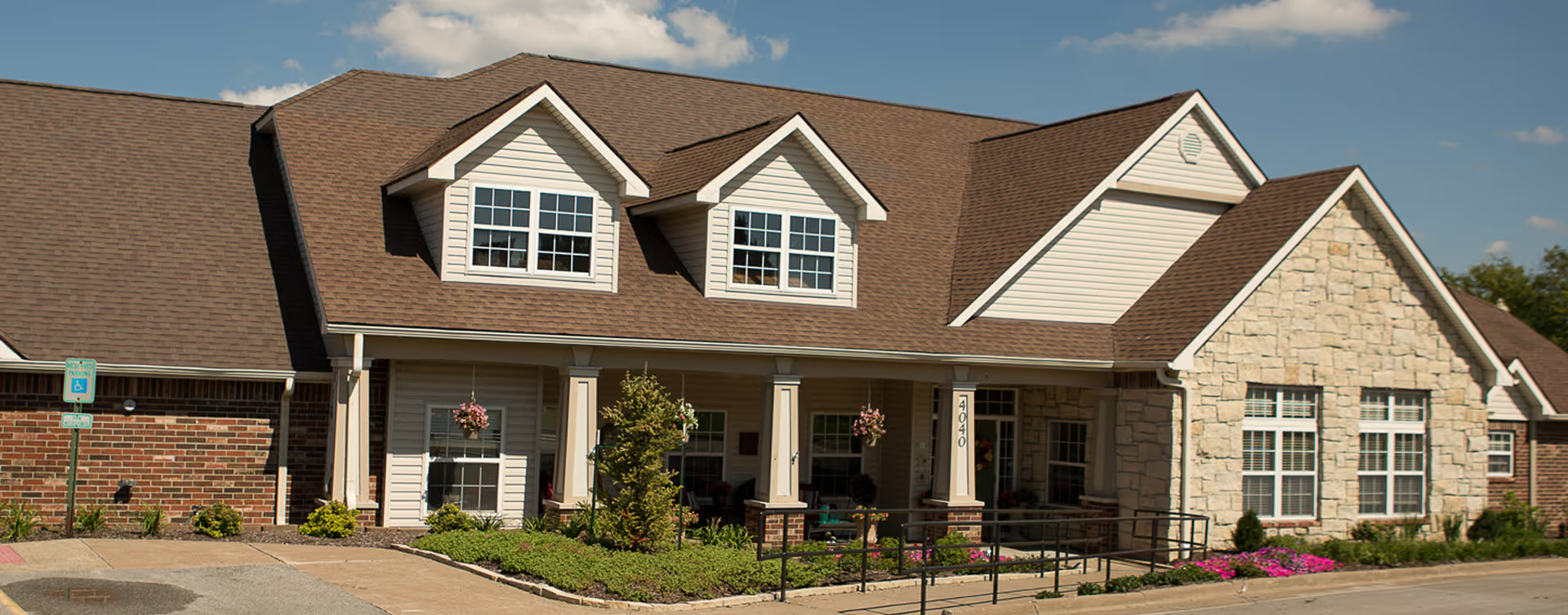
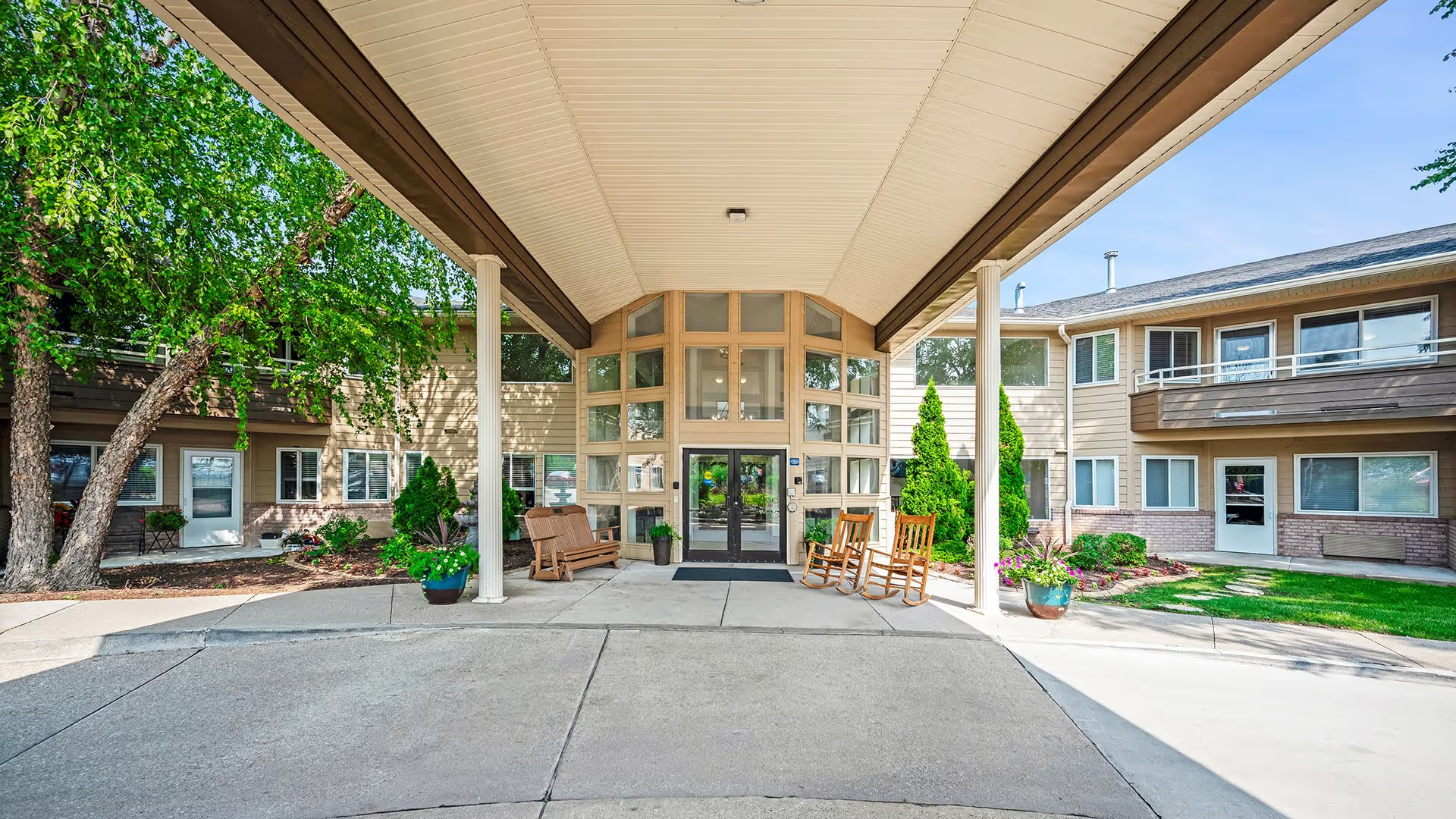
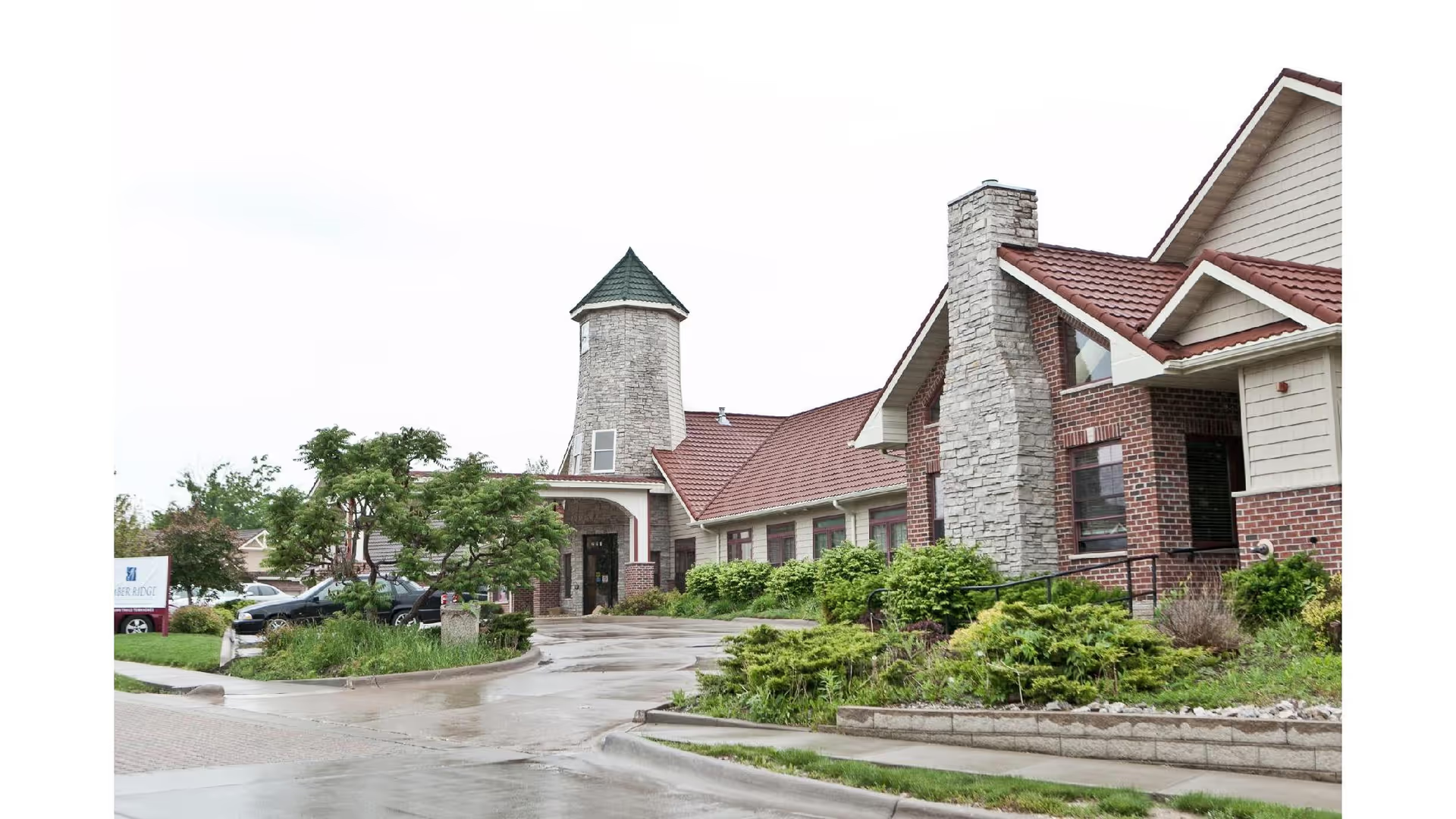
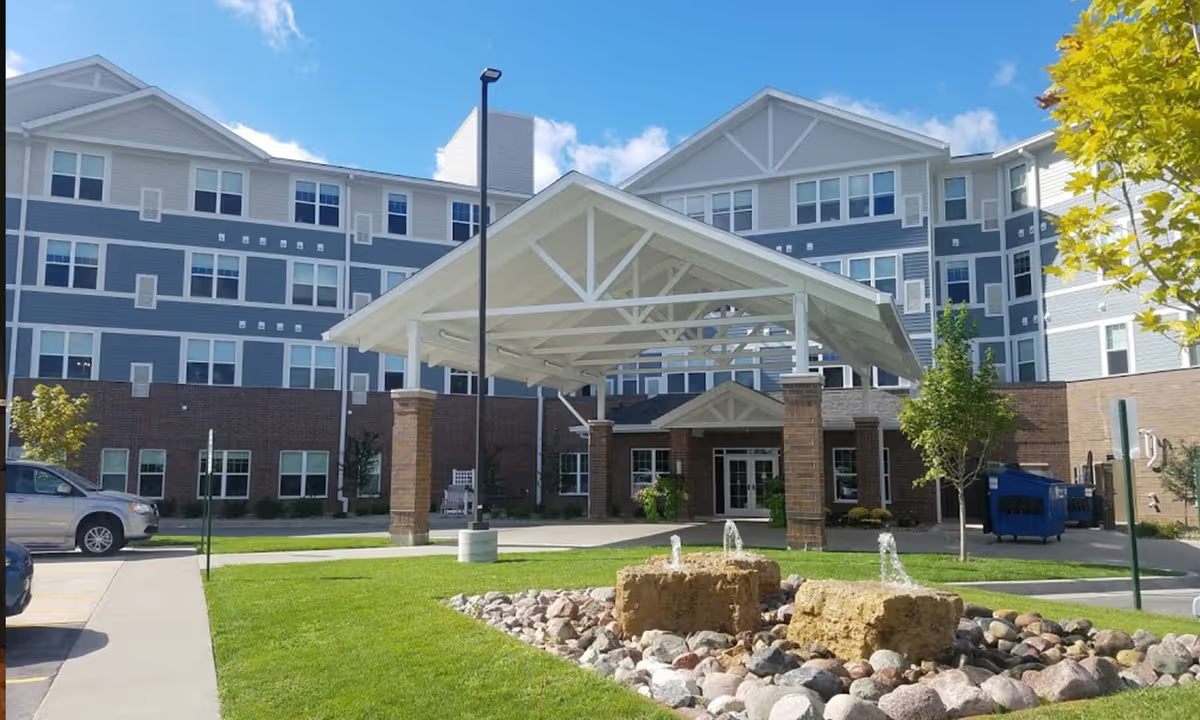
Ridgecrest Village presents a mixed but informative profile for prospective residents and families. The community is frequently described as attractive and well-maintained, with notably pleasant grounds, a large courtyard, and a range of housing types that include independent apartments, cottages/townhomes, assisted-living units, and a memory-care wing. On-site clinical resources and 24-hour nursing capacity are highlighted as important strengths for residents who expect continuity of care while remaining on a single campus.
Many reviewers praise the social environment and amenities: an active activities program (cards, mah-jong, painting, bingo and similar offerings), library and exercise facilities, laundry services, and community spaces that are suited to social engagement. Apartment units are often described as spacious with options for customization, and common areas such as the dining room and garden receive positive comments. The community’s maintenance-free services (lawn care, snow removal, housekeeping) and proximity to shopping and restaurants are further practical benefits noted by families.
At the same time, a consistent pattern of operational concerns emerges. Staffing levels and responsiveness are unevenly described; there are repeated references to long call-light response times and delays in attending to clinical needs, including delays related to symptom management and medication. While some families describe caring and long-tenured nursing staff, others report gaps in clinical responsiveness, suggesting variability in day-to-day care delivery.
Dining and food service are another area of divergence. The facility’s dining room and buffet-style offerings are praised by some, but other reviewers describe inconsistent food quality, limited menu options that do not always accommodate dietary preferences, and confusing reservation procedures tied to an outsourced food-service model. These operational issues appear to affect overall resident satisfaction with meal service.
Facility upkeep and housekeeping are generally seen as strengths for many parts of the campus, yet there are multiple mentions of localized cleanliness and odor concerns in certain common or service areas, along with pest-control issues and intermittent maintenance problems (for example, lighting or equipment outages). These items point to lapses in consistent environmental management rather than a uniformly maintained facility.
Finally, management and organizational culture elicit mixed feedback. Several accounts describe a warm, welcoming community and good family communication, while others raise concerns about management responsiveness, perceived shifts in priorities, and staff conduct — including allegations of unequal treatment. Prospective residents should weigh the facility’s strong amenities, range of services, and on-site clinical capacity against variability in staffing responsiveness, dining operations, and episodic environmental-management issues. Visiting the campus at different times of day, speaking with current residents and families, and asking for recent quality or inspection reports will help clarify how these patterns align with an individual’s priorities.