Overall impression: 3801 Grand Retirement Campus is consistently described as a small, home-like community with a personable culture and a range of on-site amenities. Families and residents frequently praise the compassionate approach of direct-care staff, the responsive nursing attention, attractive dining spaces, and the availability of activities and social programming. The campus layout, outdoor patios, underground parking and in-apartment kitchen options contribute to a comfortable, independent-feel environment that many reviewers characterized as good value compared with other local options.
Care quality and staff: Many accounts emphasize caring, attentive caregivers and nursing staff who perform routine check-ins and anticipate needs. Memory-care areas are often described as having a family-like atmosphere and staff who are familiar with residents. At the same time, reviewers describe variability in quality across shifts and units: some report delays or gaps in personal-care routines such as bathing and dressing, language barriers that affect communication, and instances that suggest uneven staff training or supervision. These mixed accounts point to generally strong individual staff relationships but inconsistent operational reliability at times.
Dining and activities: Feedback about dining is polarized. Several residents and families praise the dining room, menu variety, and special meals or themed entertainment. Conversely, other accounts note repetitive menus, bland or prepackaged items, and dissatisfaction with meal quality. Activity programming in assisted living is described as robust — card games, clubs, crafts, outings, fitness classes, and live entertainment — while memory-care programming is viewed as smaller and more limited. Some residents find activities repetitive; others appreciate the multiple activity spaces and variety offered.
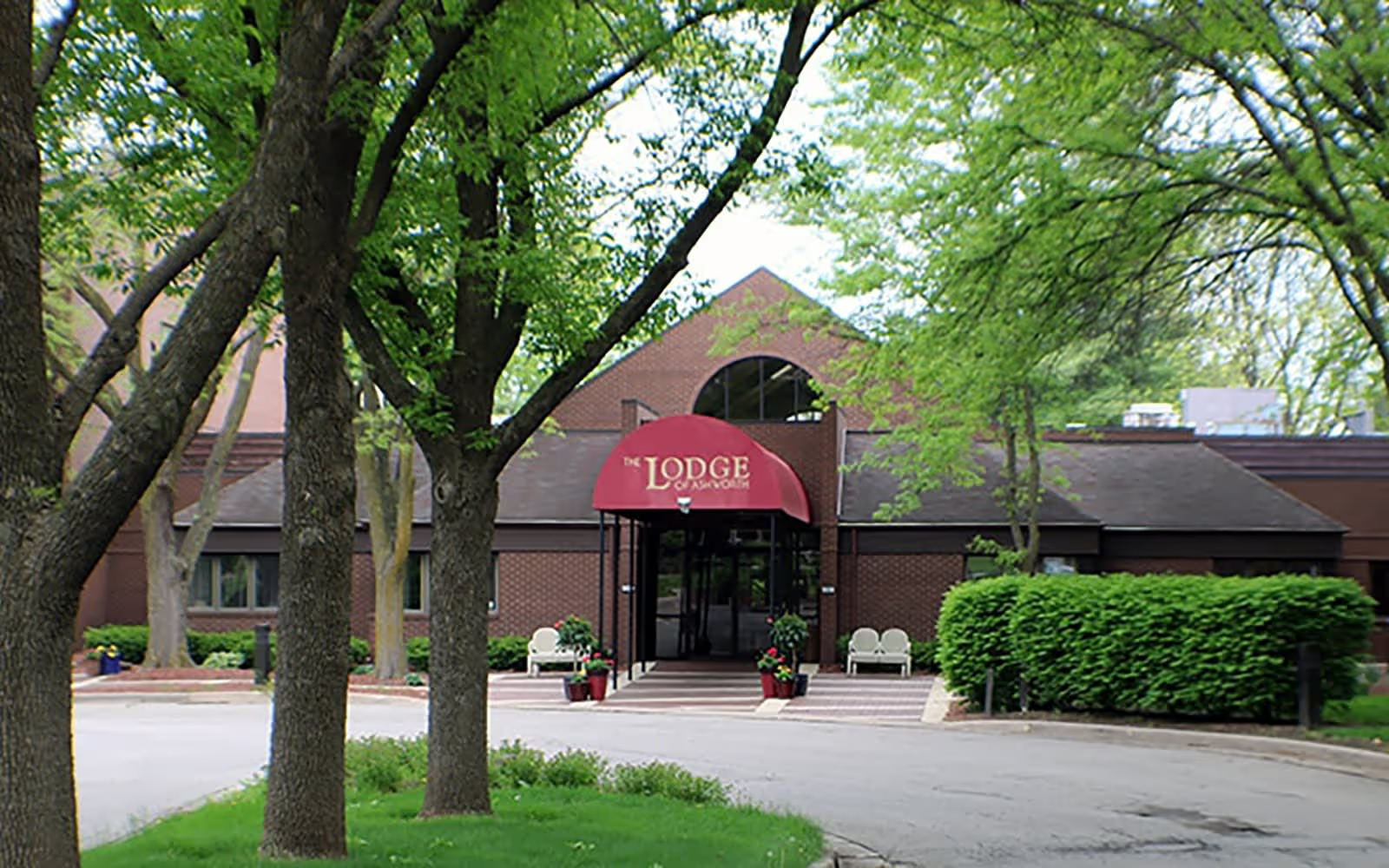
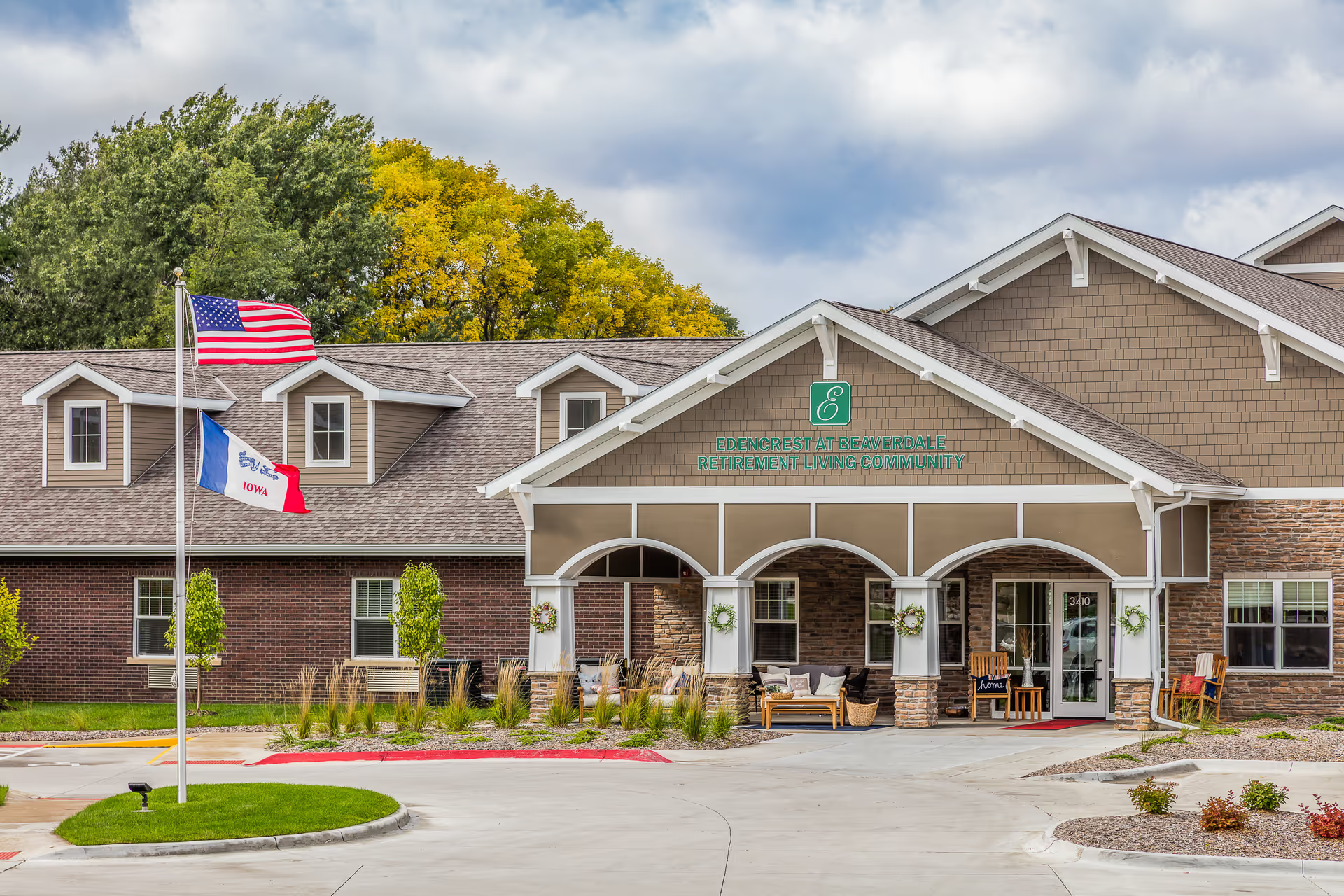
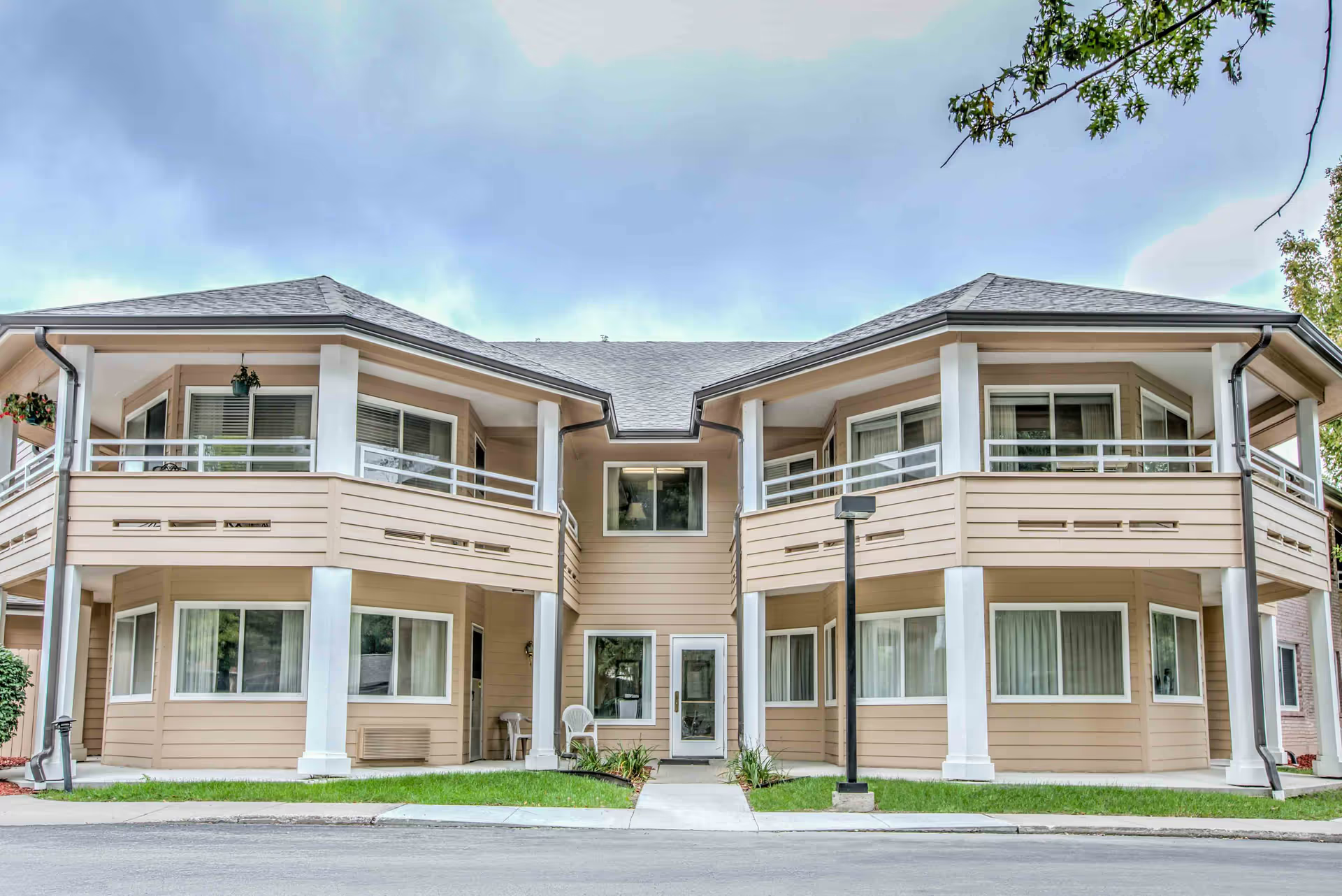
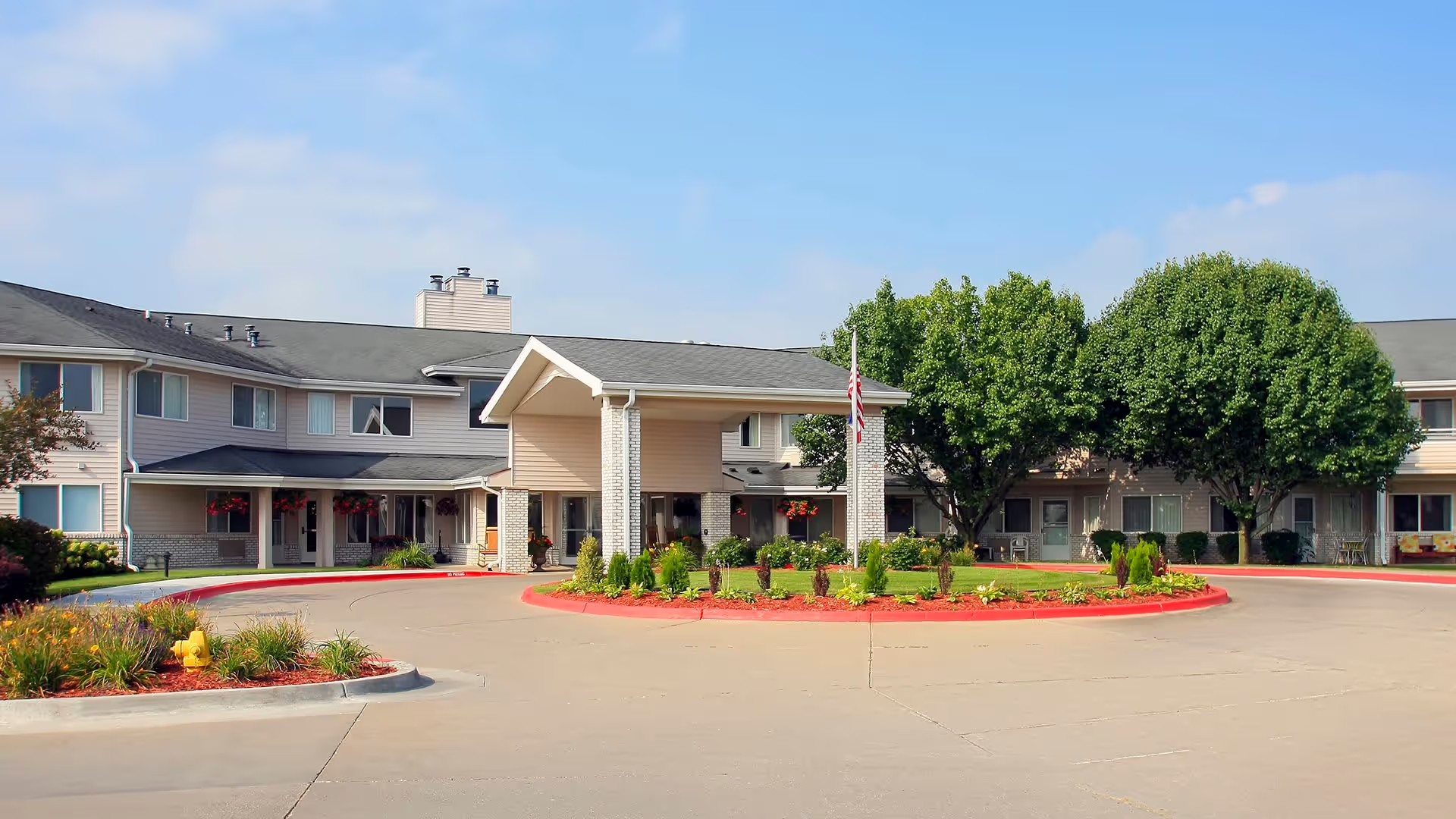
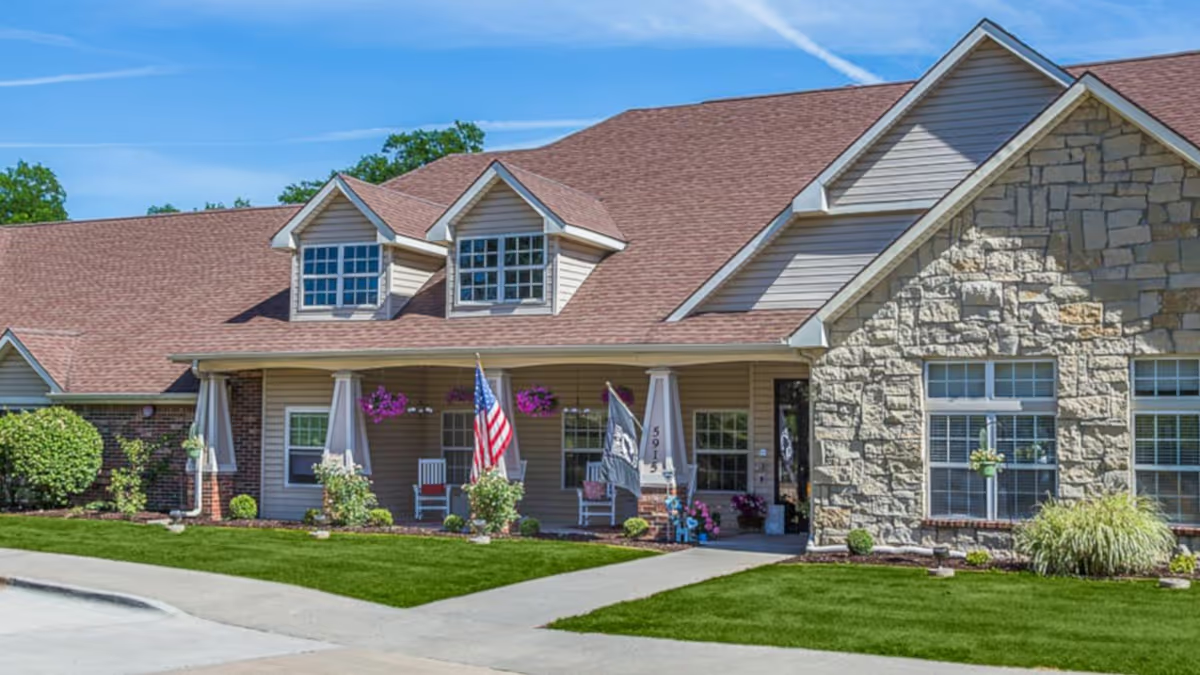
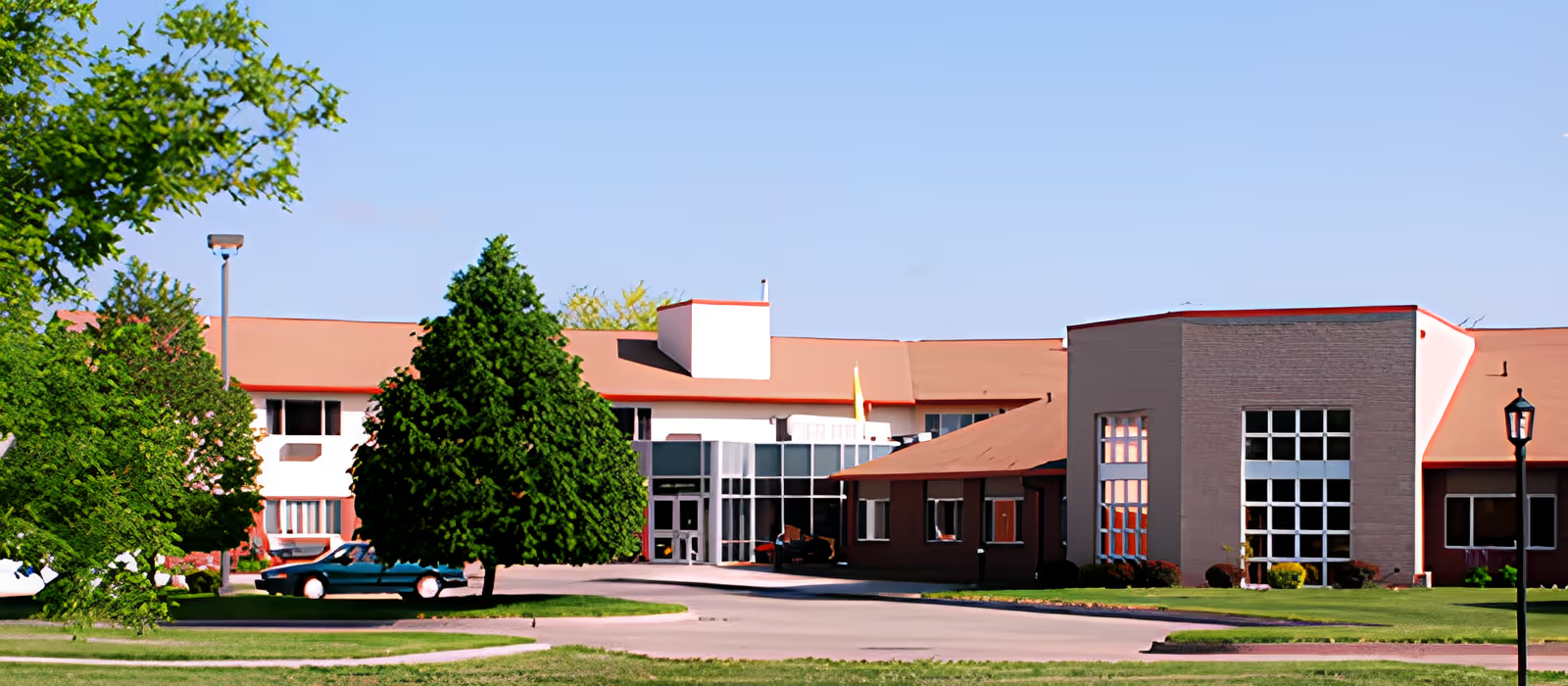
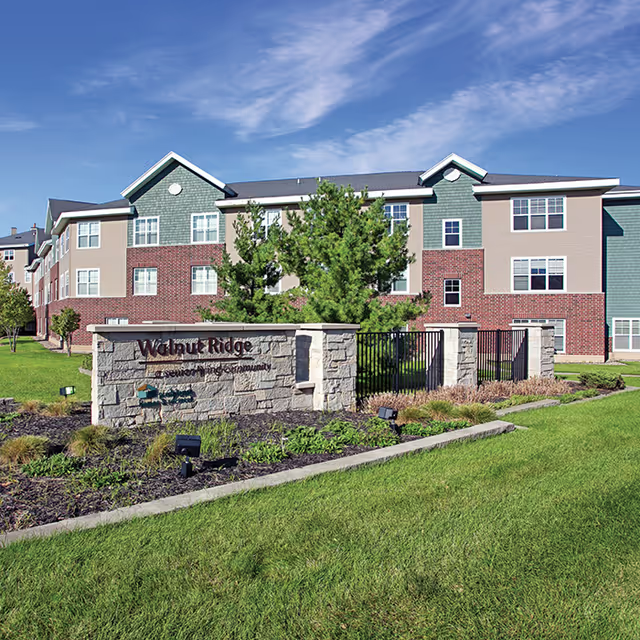
Facilities and maintenance: The physical plant is frequently described as clean, updated, and attractive, with pleasant landscaping, patios, and modern common areas. Apartments are noted as spacious relative to some competitors, and amenities such as a salon, library, gym, and underground garage are positives. Maintenance responsiveness appears mixed: some reviewers report timely fixes, while others experienced delays that were later resolved.
Management and operational patterns: Administrative responsiveness is a recurring theme — several reviewers commend hands-on administrators and helpful admissions staff — but there are also repeated concerns about management follow-through, delayed services (for example, move-in readiness items), and communication around policy or fee changes. Financial concerns include dissatisfaction with short-notice rent increases and at least one serious allegation relating to theft/financial management that merits direct inquiry. Staffing patterns (notably evening and weekend coverage) and questions about staff qualifications and supervision are operational weaknesses that reviewers highlight.
Notable patterns and guidance for prospective families: The community tends to suit people who value a smaller, less institutional atmosphere, active social life in assisted living, and a scenic, well-kept campus. Key areas to evaluate on a visit include current staffing levels by shift, dementia-specific programming and continuity of care for residents with Alzheimer’s, the dining menu rotation and food-preparation practices, language support for non-English speakers, the facility's supervision and training protocols, and written policies on fees and rent increases. Given the mix of strong individualized care experiences and operational inconsistencies, prospective residents and families should ask targeted questions and, where possible, observe multiple meal periods and a range of staff shifts before making a placement decision.