Overall impression: Reviews describe a polarized picture. Many families and visitors praise Edencrest at Riverwoods for warm, attentive caregivers, a busy activity calendar, pleasant common areas and comfortable rooms. At the same time, a set of operational weaknesses — particularly around memory-care support, staffing levels, and administrative processes — recur across accounts and create significant variability in resident experience.
Care and staff: Positive comments emphasize kind, patient staff who engage residents and create a family-like atmosphere. Activity aides, dining staff, and frontline caregivers are frequently described as friendly and respectful. However, there are consistent concerns about training and staffing: dementia-specific training appears inconsistent, and staffing shortages and turnover are cited repeatedly. These factors are associated with delays in attending to residents, incontinence-care delays, inconsistent bathing schedules, weight changes in residents, and gaps in fall/incident monitoring. There are also accounts indicating medication-administration errors and staffing handoffs that require closer oversight.
Dining and activities: Dining receives generally favorable remarks for quality, healthy options, flexible mealtimes, and amenities such as a salad bar. Some reviewers note cold meals, delivery fees, or intermittent declines in meal quality. The activities program is a strong point for many families: regular offerings include bingo, music, exercise, outings, and shopping transportation, which help keep residents engaged. A few accounts request wider variety (including more male-oriented programming) and larger-scale memory-care activities; the memory unit is described as smaller and more confining by some.
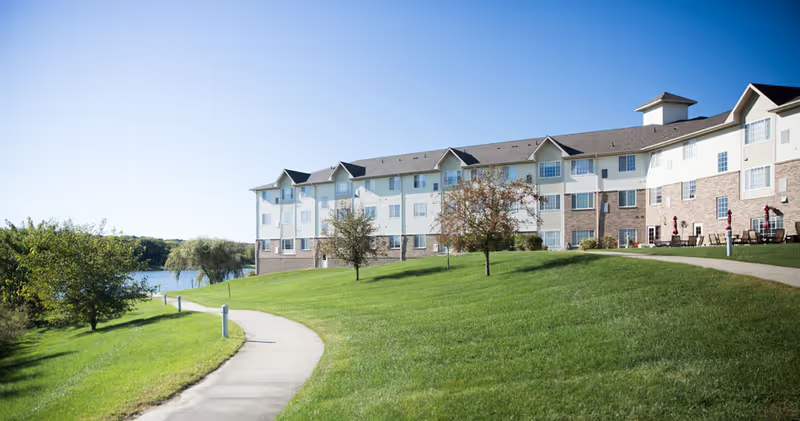
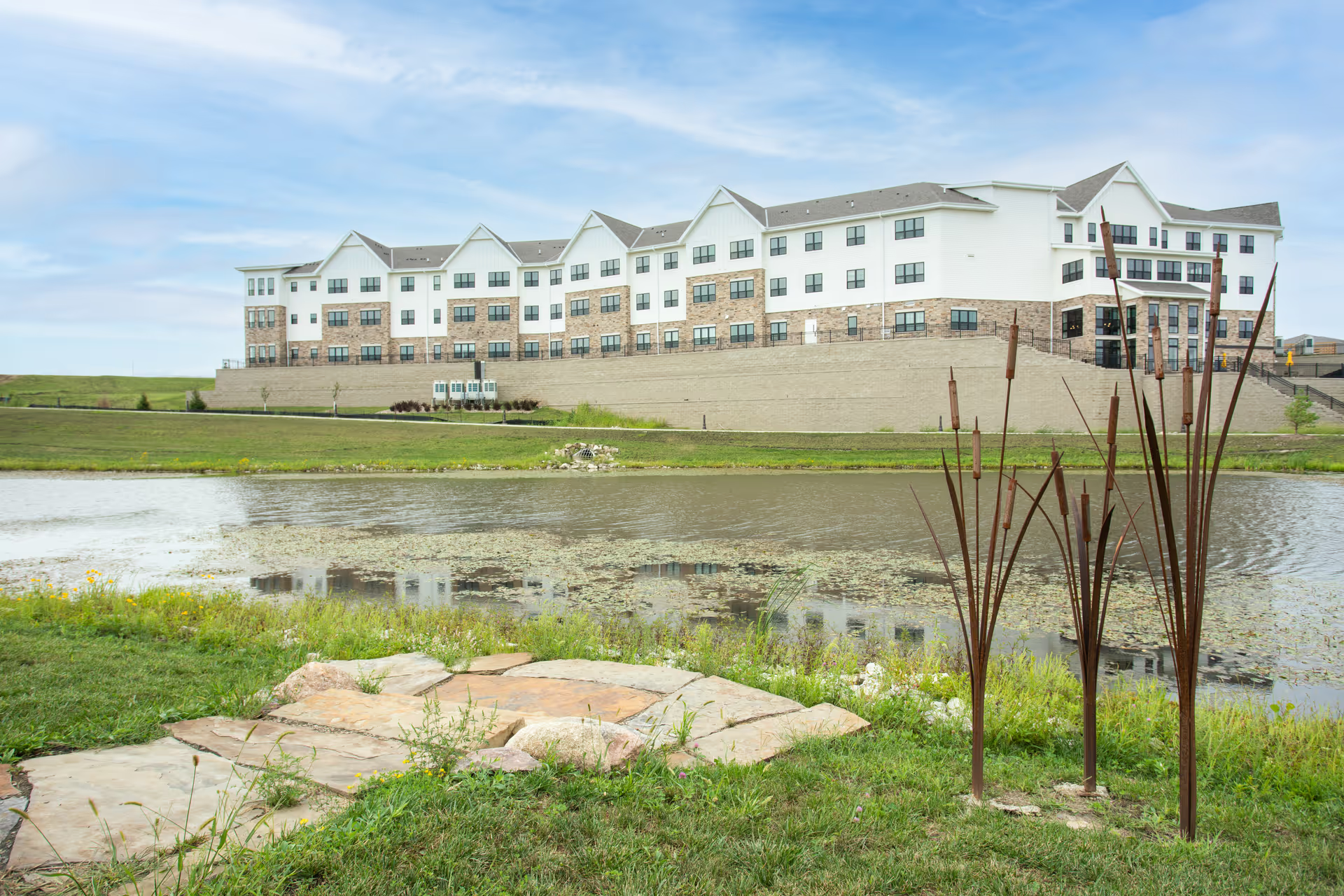
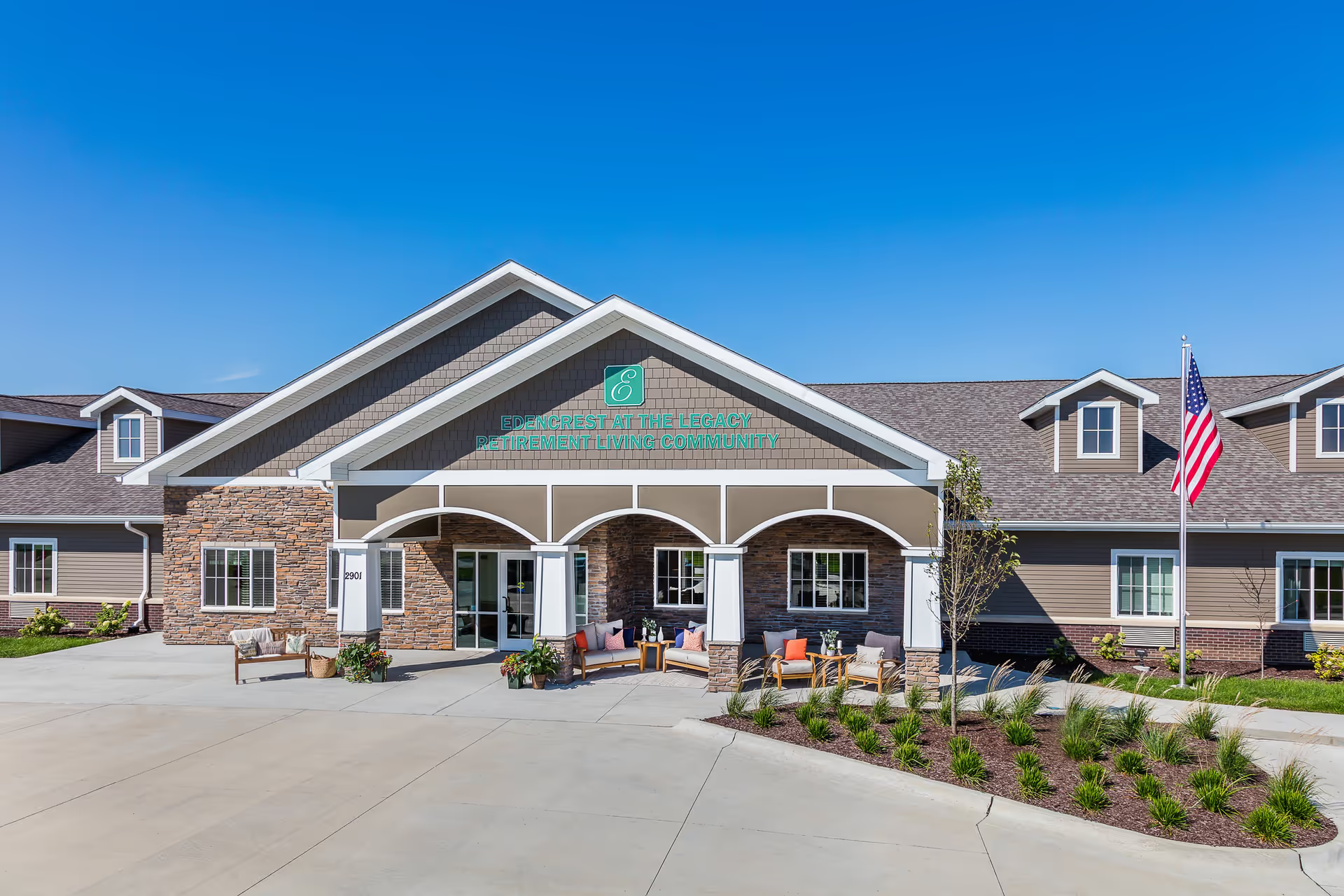
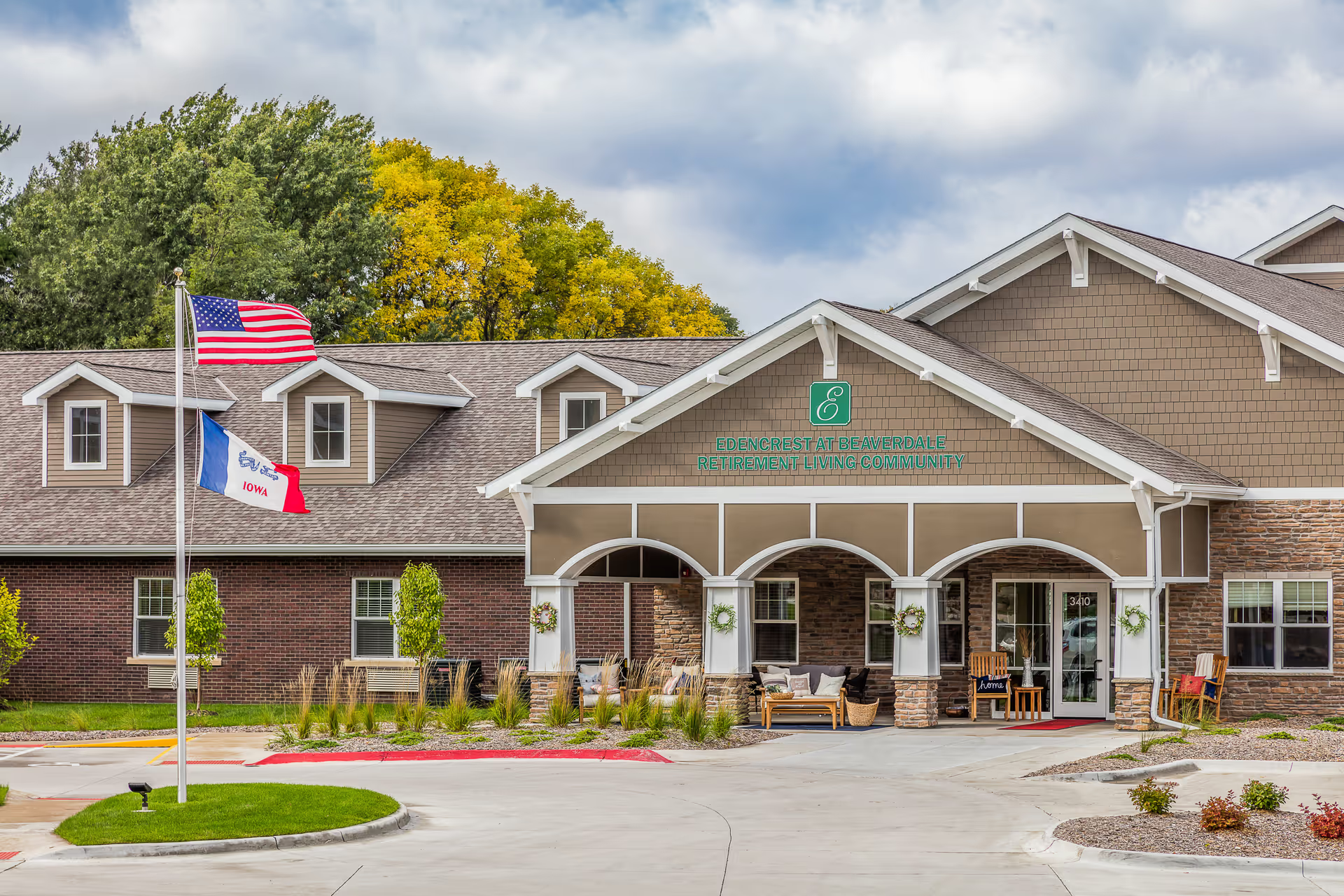
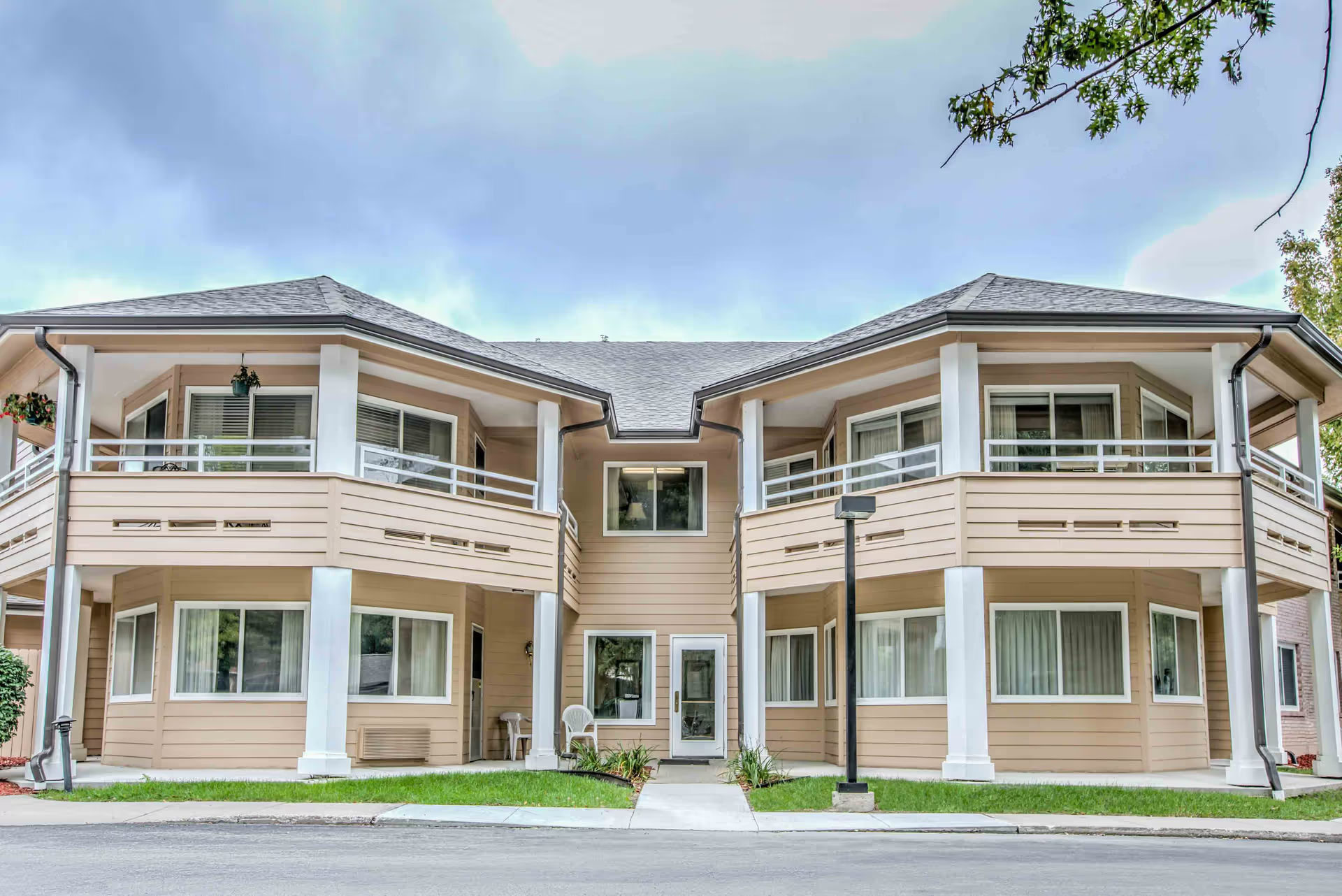
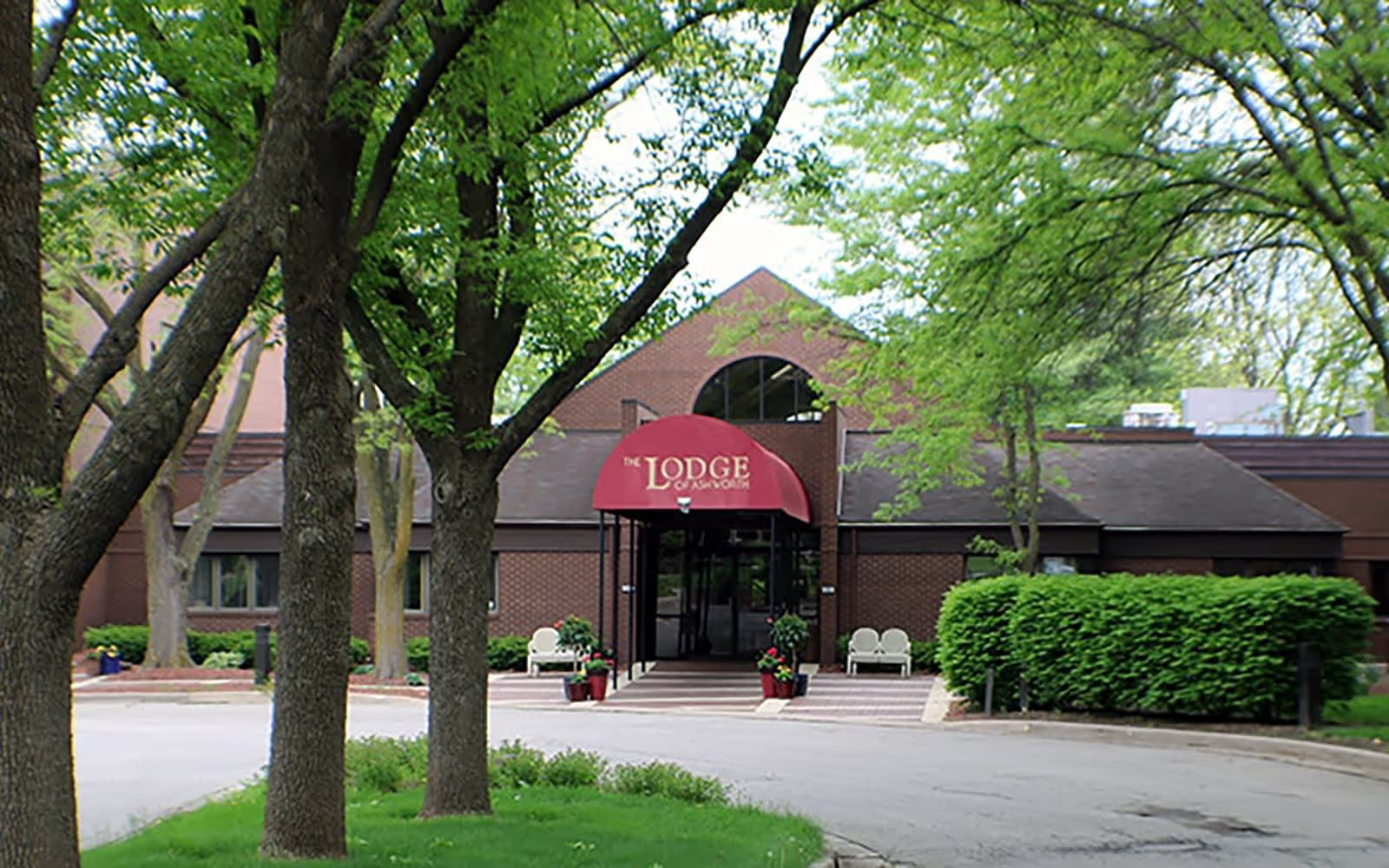
Facilities and cleanliness: The campus is frequently described as clean, well-maintained, and comfortable, with multiple common areas and spacious apartments. Countervailing concerns include inconsistent housekeeping in certain rooms, supply or equipment shortages that affect care delivery, and explicit pest-control concerns in at least one account. Maintenance improvements are described as in progress in some places.
Management and administration: Experiences with management and administration vary widely. Positive feedback highlights responsive regional support and engaged ownership at times. Negative feedback centers on inexperienced or disengaged local leadership, disputed move-in charges, billing errors, lease/documentation mistakes, and difficulty reaching staff by phone. These administrative issues compound clinical concerns when families must escalate care or financial disputes.
Notable patterns and guidance for families: The dominant pattern is variability — many residents appear well cared for and enjoy an active, clean community, while others describe operational breakdowns that have material consequences for vulnerable residents, especially those in memory care. Prospective residents and families should tour the memory-care unit in person, ask for specifics about dementia training and staff ratios, request details on medication-administration policies and incident-response protocols, review recent inspection or pest-control records, and get billing and move-in charges in writing. Where clinical vulnerability is high, confirm staffing coverage for evenings/weekends and documented housekeeping and incontinence-care protocols before deciding.