Reviews of this Genesis Senior Living Center present a polarized picture: many families describe attentive, compassionate caregivers and a home-like, family atmosphere, while others relay serious operational concerns that merit careful inquiry. Several reviewers praised engaged staff, active programming (Bible studies, Bingo, pet and animal visits), and management statements about future building improvements. Those positive accounts emphasize personalized attention, social engagement, and occasions when families felt their relatives were well cared for.
Care quality appears inconsistent. Positive accounts describe attentive staff who provide comfort and reassurance, whereas negative accounts point to lapses in clinical processes such as medication administration, oxygen provision, and timely assistance with activities of daily living and dining supervision. There are also specific, serious claims — including allegations following a resident's death — that families should treat as high-priority items to investigate through medical records and regulatory channels. More broadly, reviewers highlighted gaps in fall prevention and transfer safety that could increase risk for vulnerable residents.
Staffing and culture likewise show a mixed pattern. Many comments commend caregivers for compassion and dedication and describe a family-like staff–resident dynamic. Conversely, other reviewers noted low morale, concerns about staff conduct and professionalism (including references to potential impairment), and claims that low pay contributes to instability and variability in care. These statements suggest staff performance may vary by shift or caregiver, creating inconsistent experiences across residents.
Dining and daily support services receive mixed feedback. Positive notes focus on resident participation in meals and activities; negative feedback describes inconsistent meal quality, cold food at times, and insufficient supervision during dining (for example, residents left unattended or without needed assistance). Reviewers also mentioned issues with assistance during routine tasks and with maintaining consistent bathing and toileting schedules, indicating possible gaps in ADL support on some shifts.
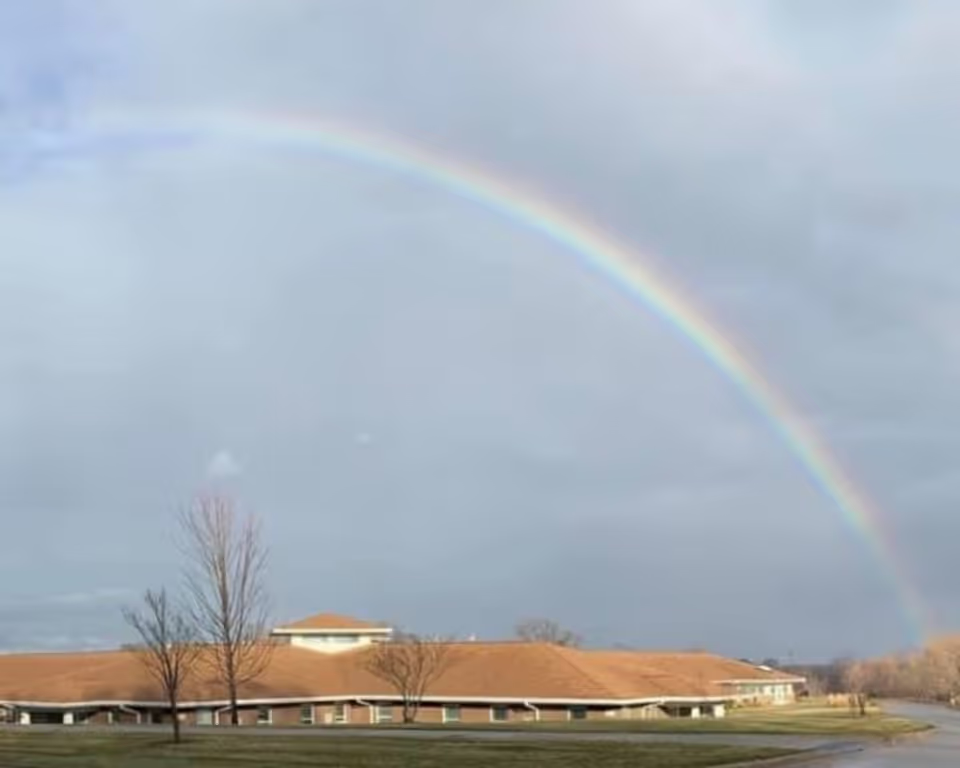
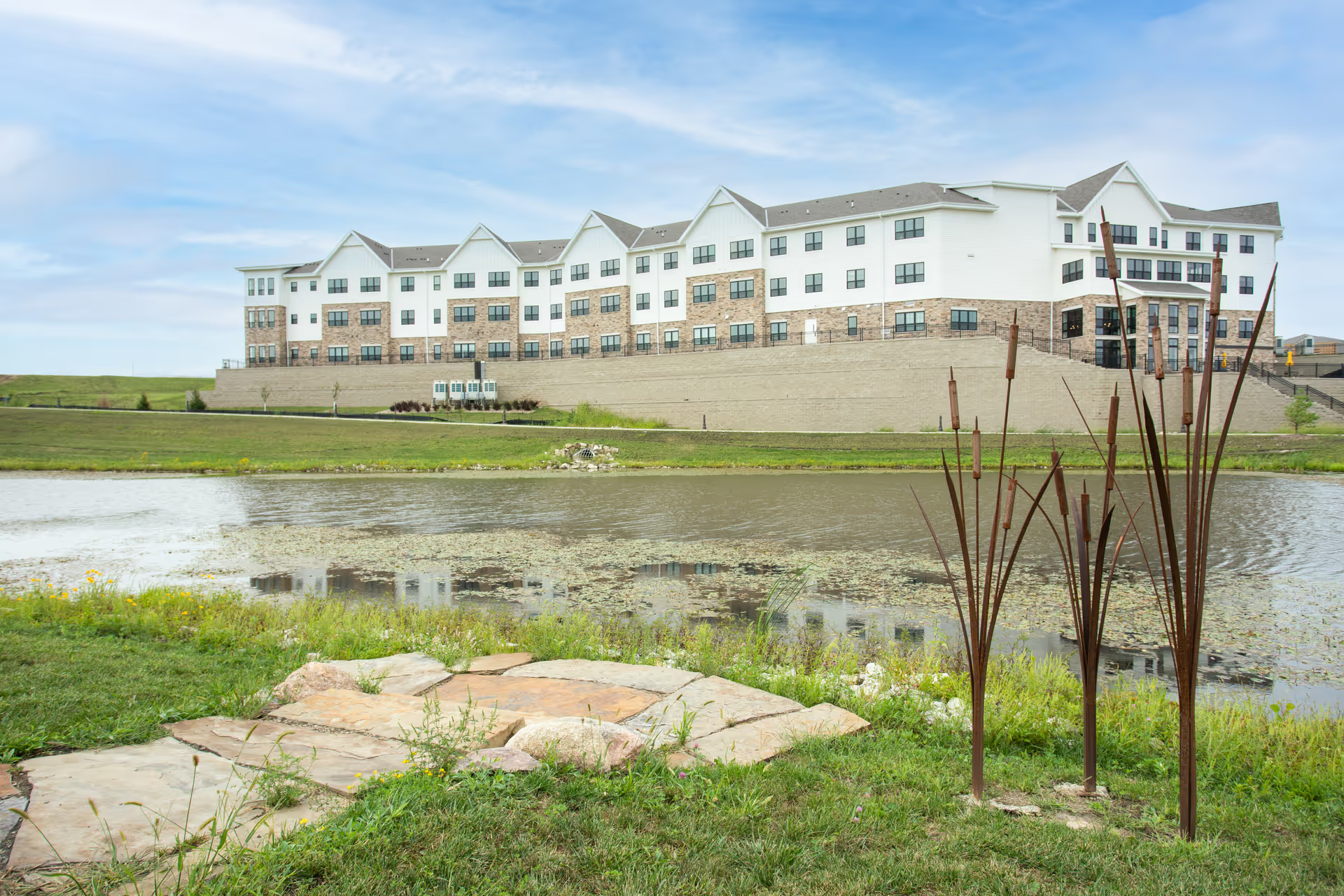
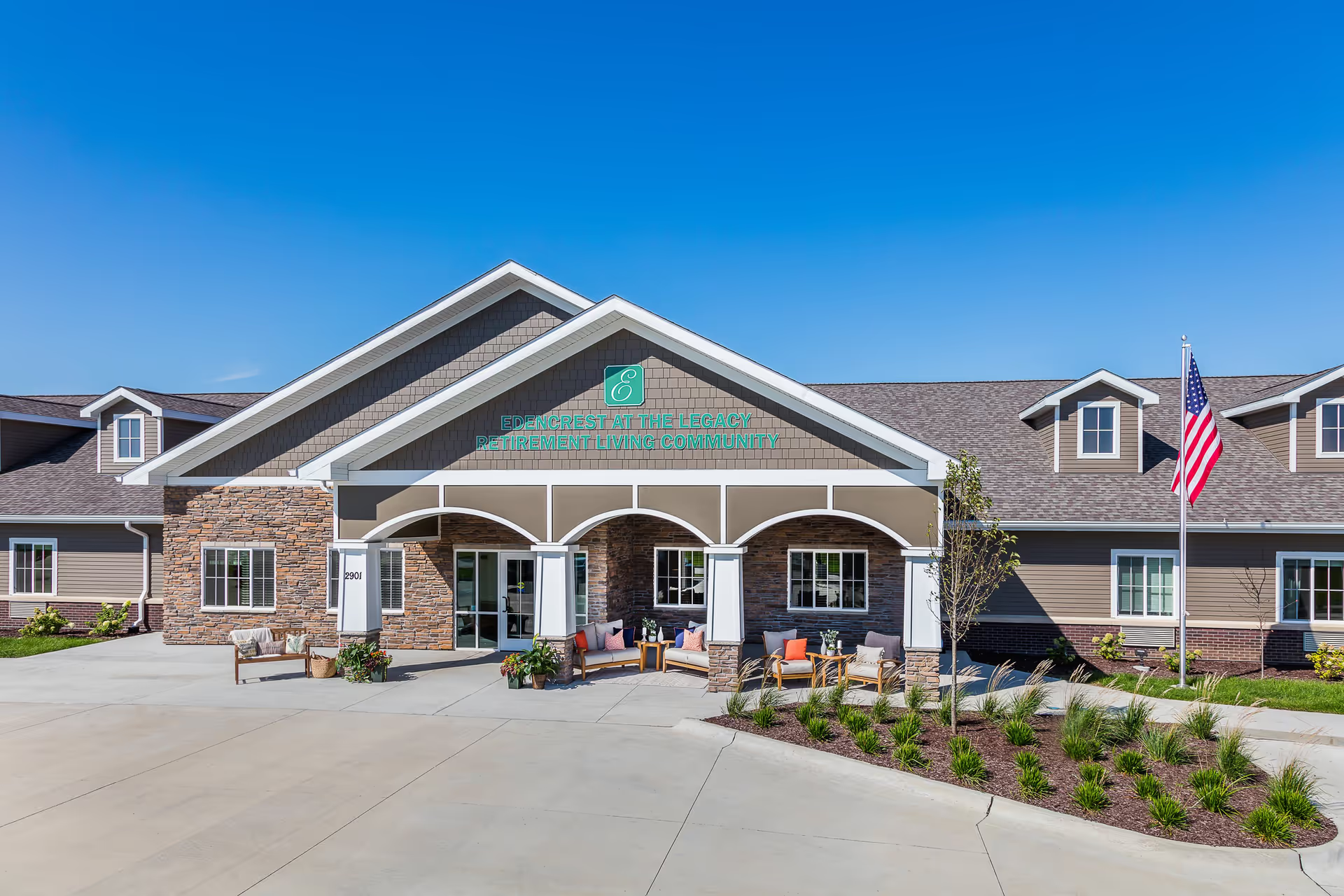
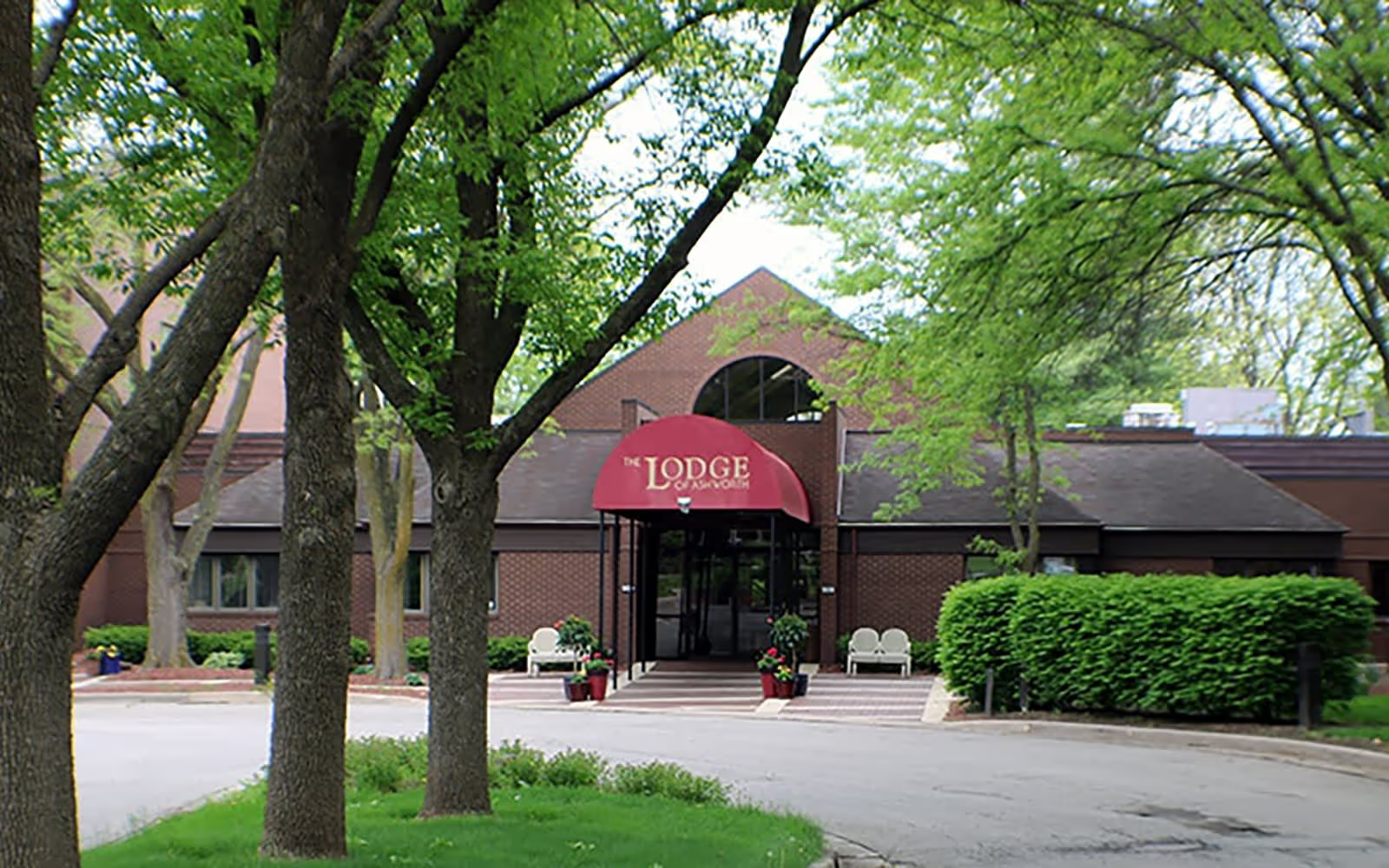
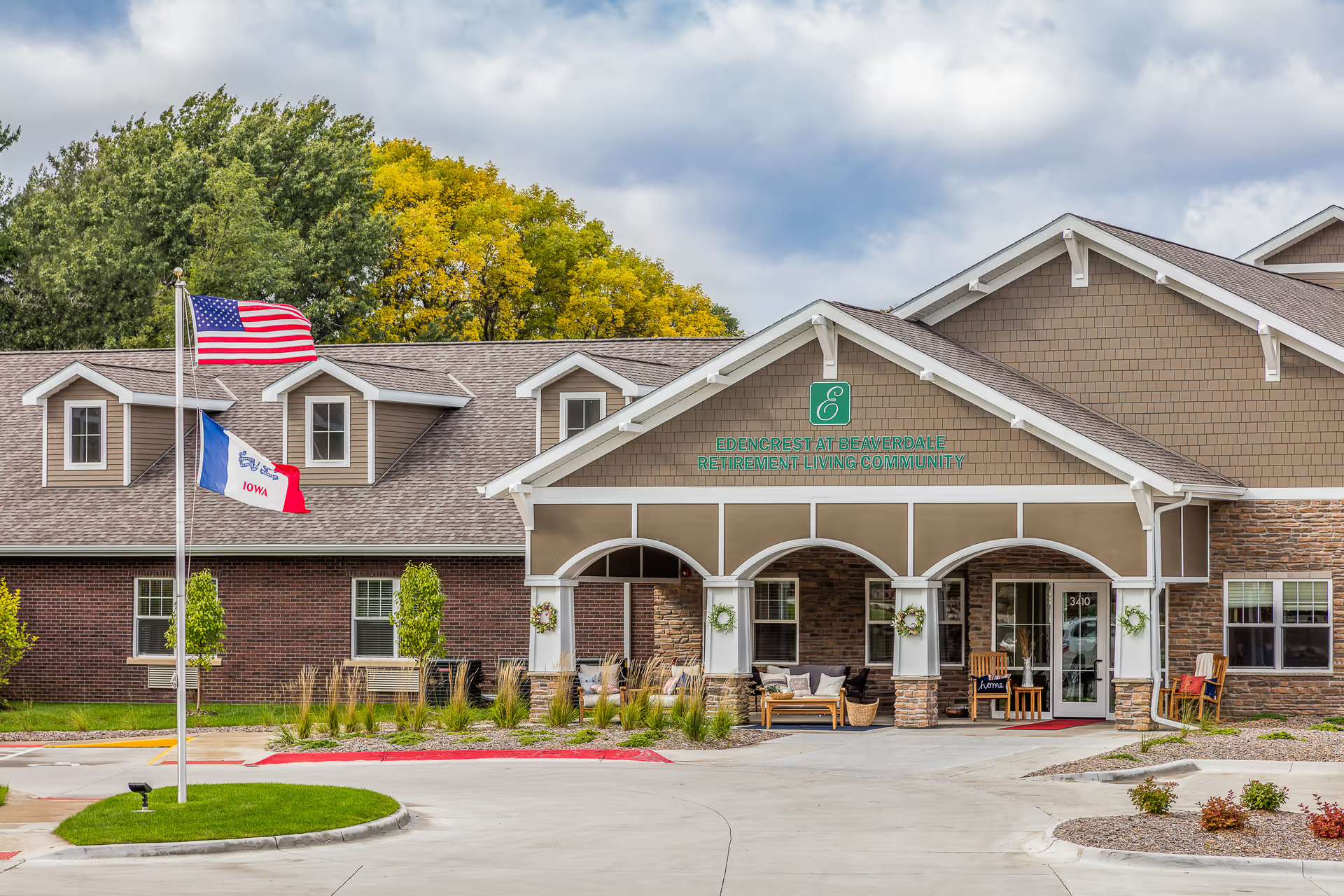
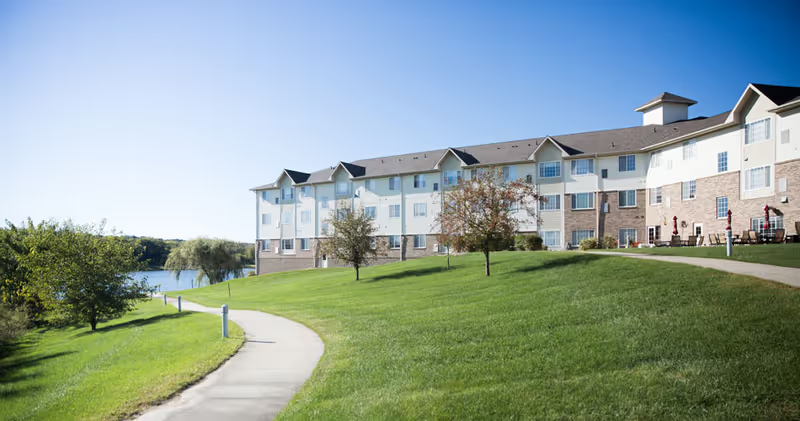
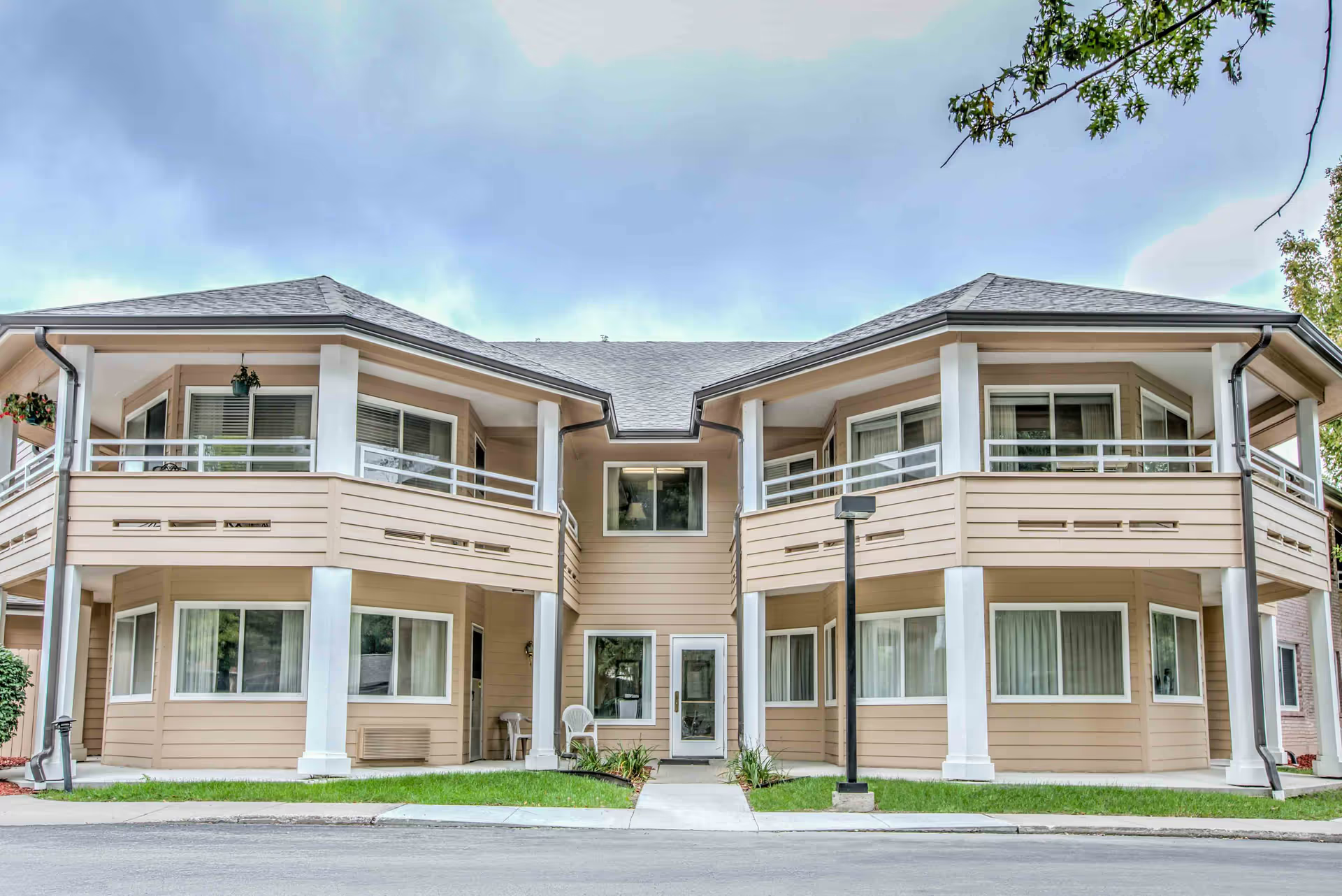
Facility condition and management responsiveness are another area of division. Some families observe a comfortable, home-like setting and leadership engagement with planned renovations. Others described a run-down building, cleanliness and odor concerns in certain areas, and unresponsive management or poor communication from the care coordinator. These contrasts suggest that physical maintenance and administrative follow-through may be improving in places but remain uneven across the facility.
Activities and engagement are a relative strength: many reviewers noted active, varied programming that keeps residents involved and socially connected. This programming, when consistently delivered, appears to contribute positively to quality of life for many residents.
In summary, the facility displays clear strengths in caregiving relationships and resident programming, but recurring operational weaknesses are present around clinical-process reliability, staffing consistency, cleanliness/maintenance, dining supervision, and communication with families. Prospective residents and families should consider an in-person tour, request documentation on medication administration protocols, staffing ratios, fall-prevention policies, infection-control measures, recent inspection reports, and follow-up on any specific serious incidents. Asking for references from current families and observing multiple shifts can help assess whether the observed strengths or weaknesses are dominant at the time of placement.