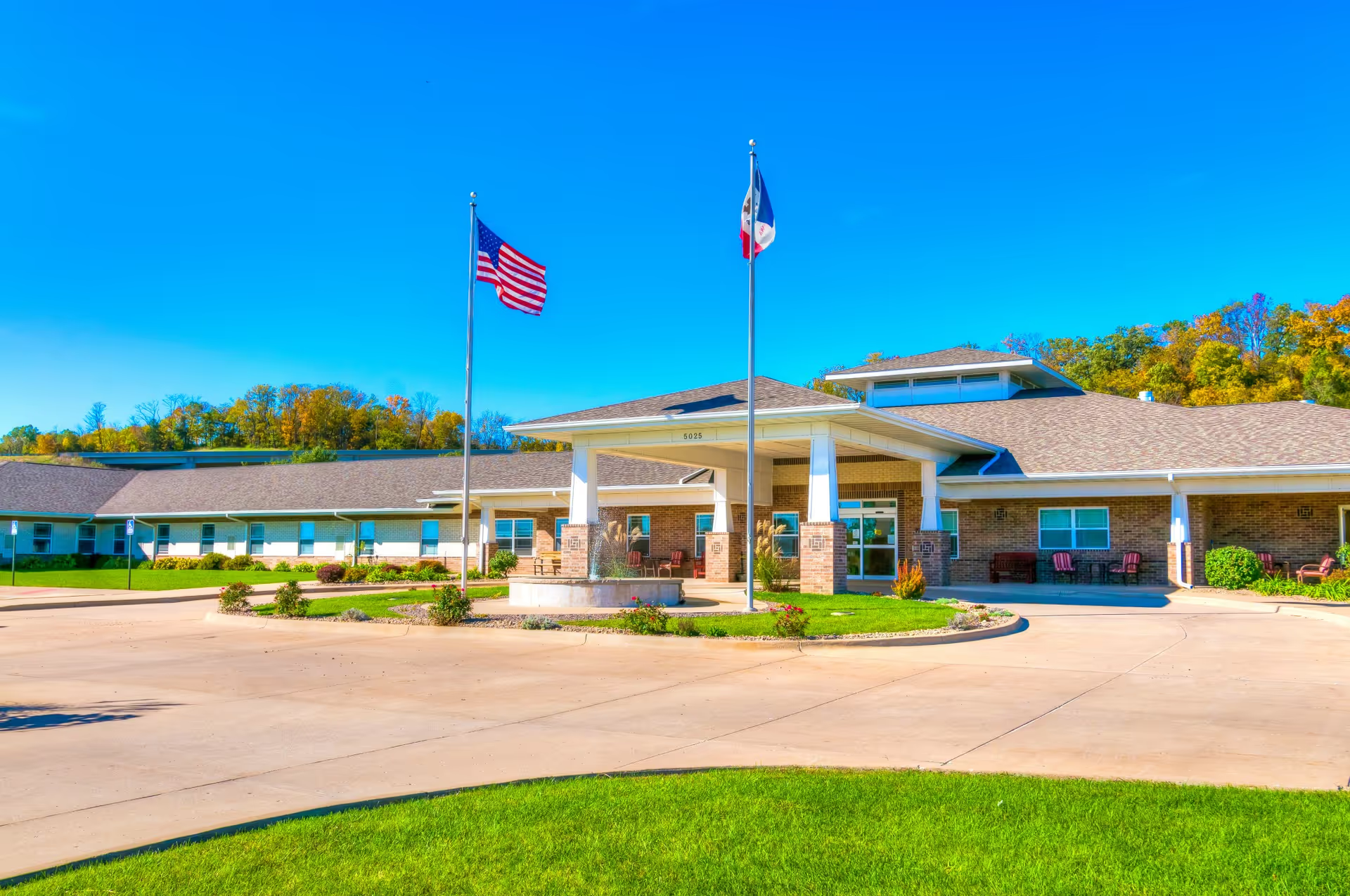
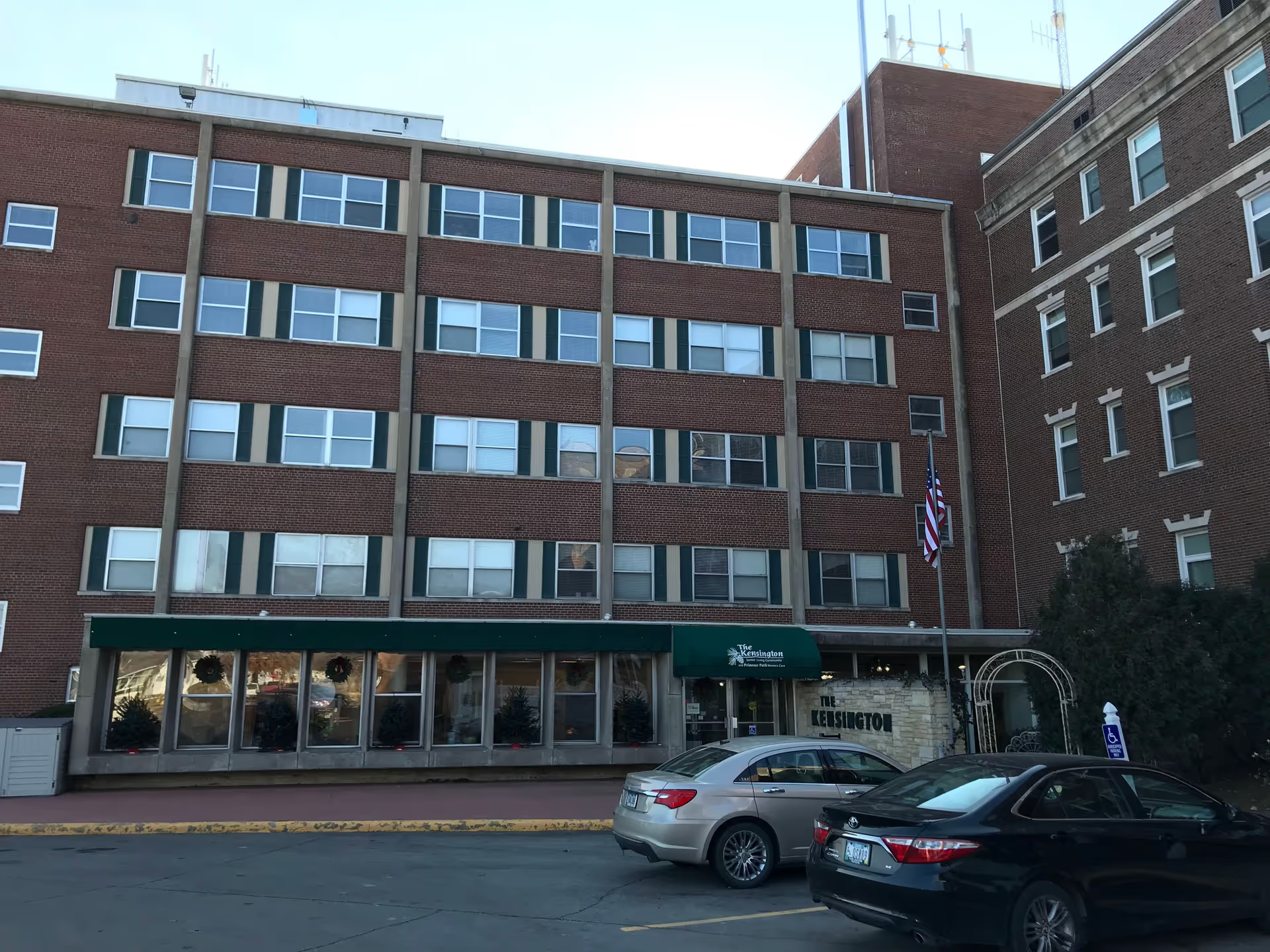
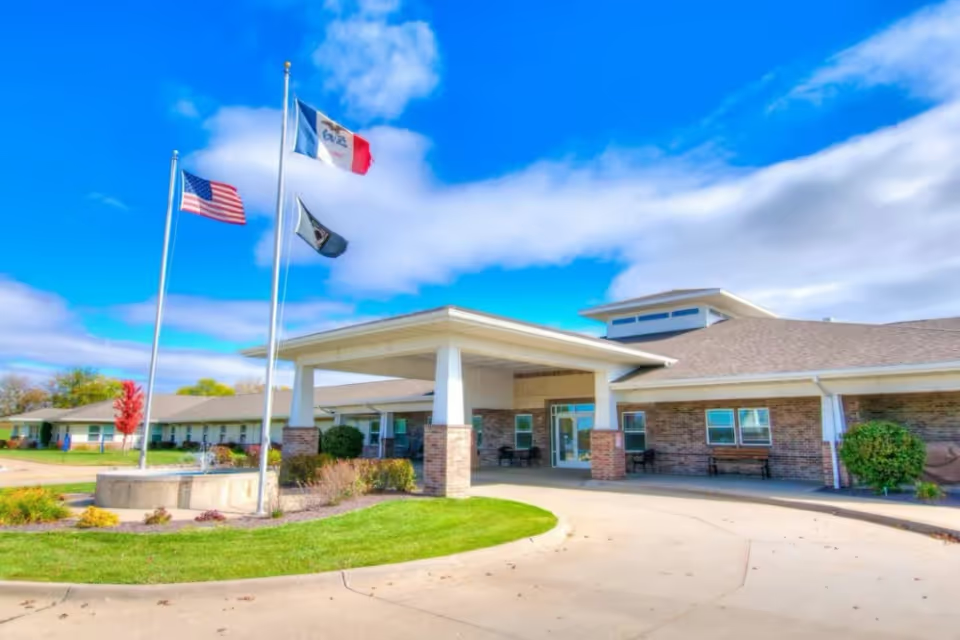
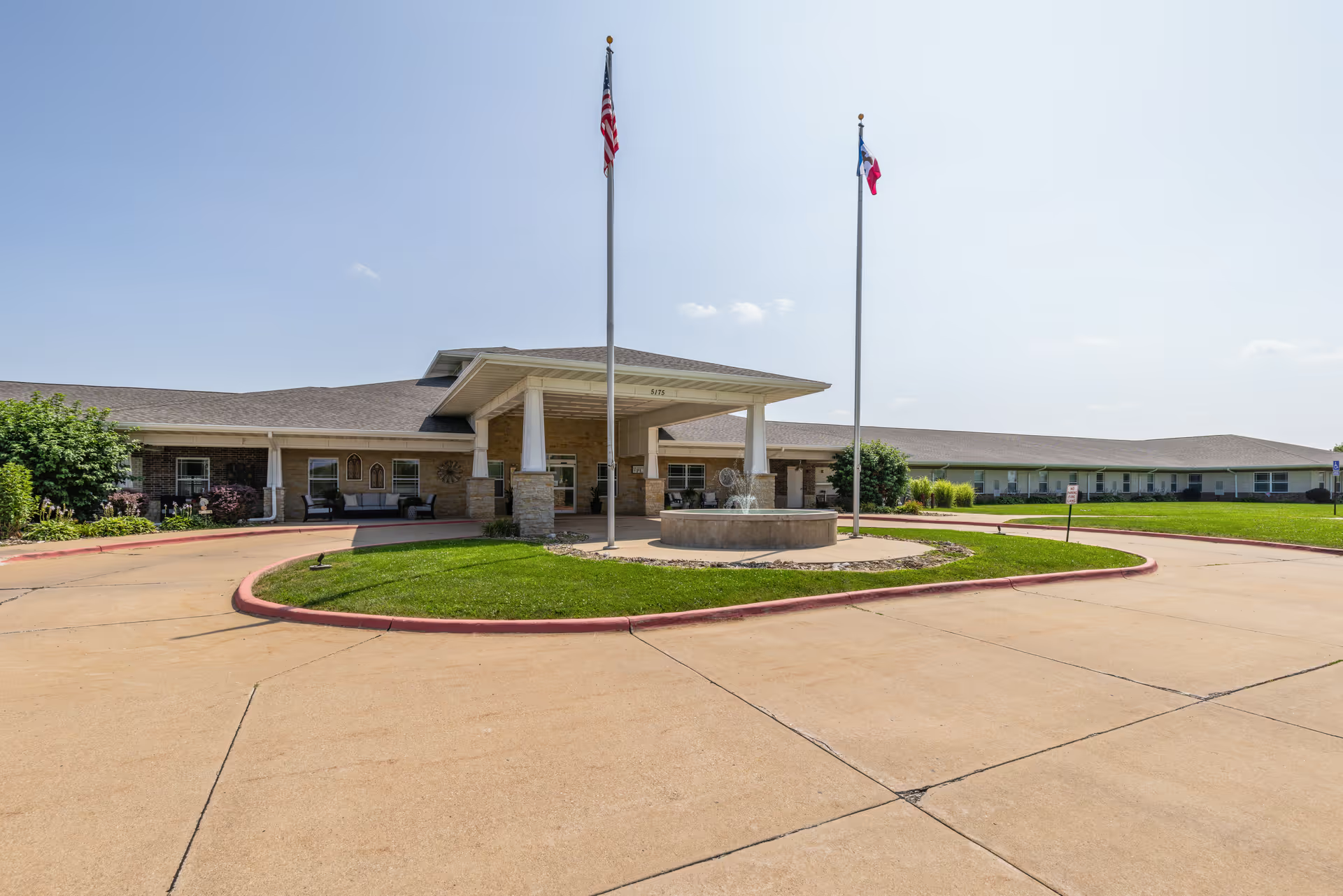
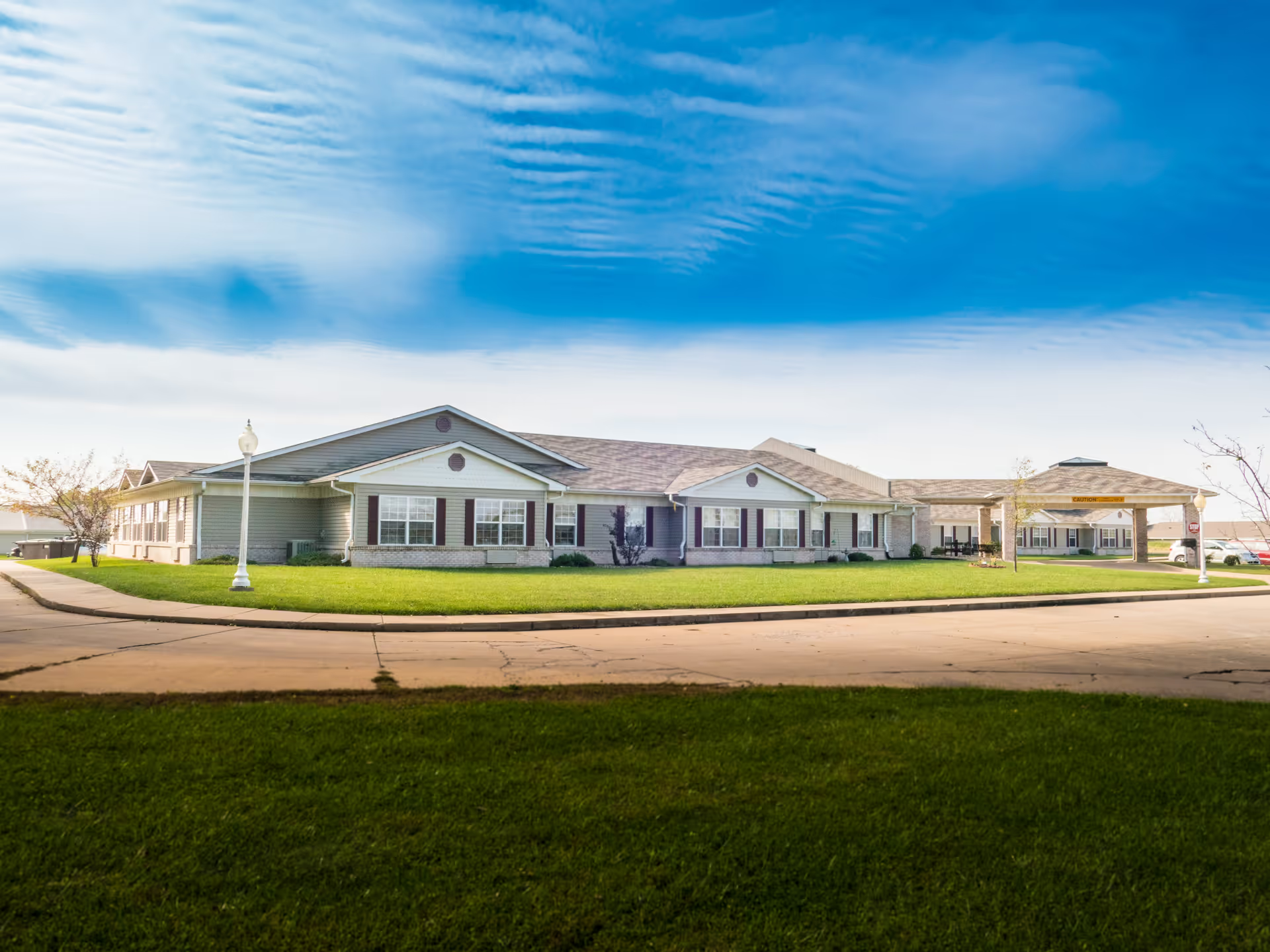
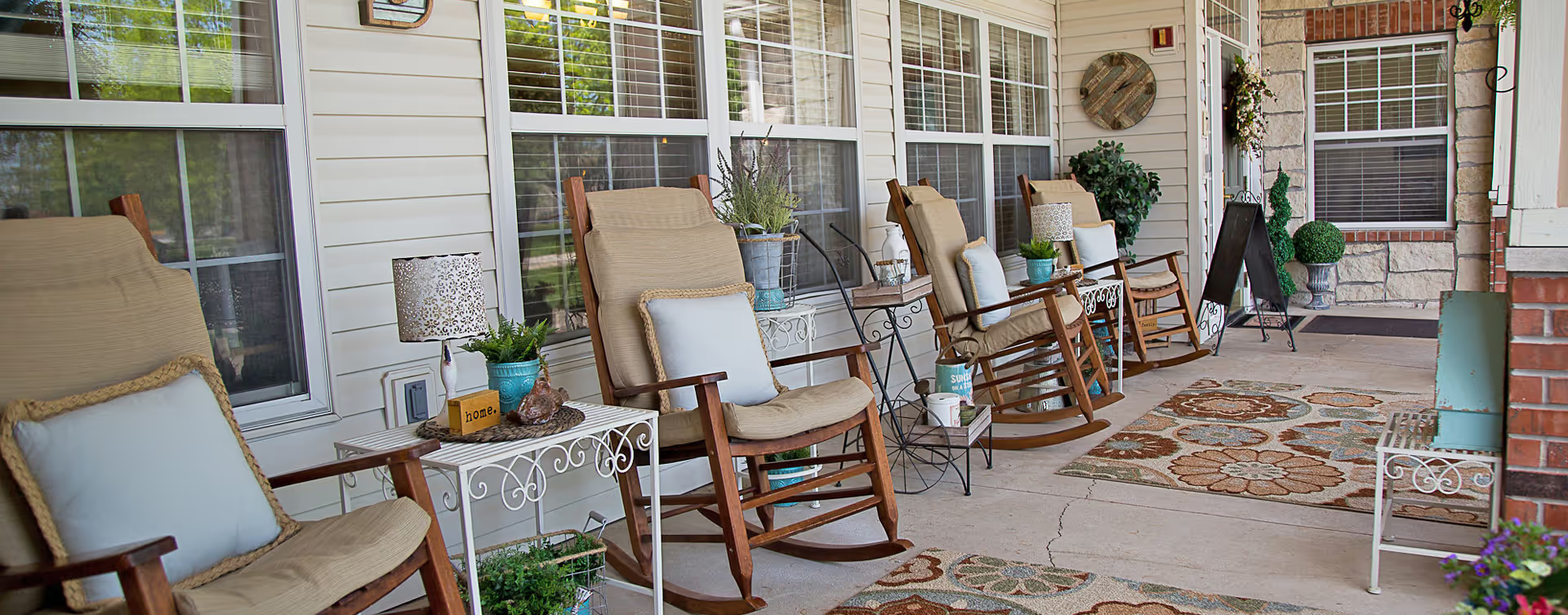
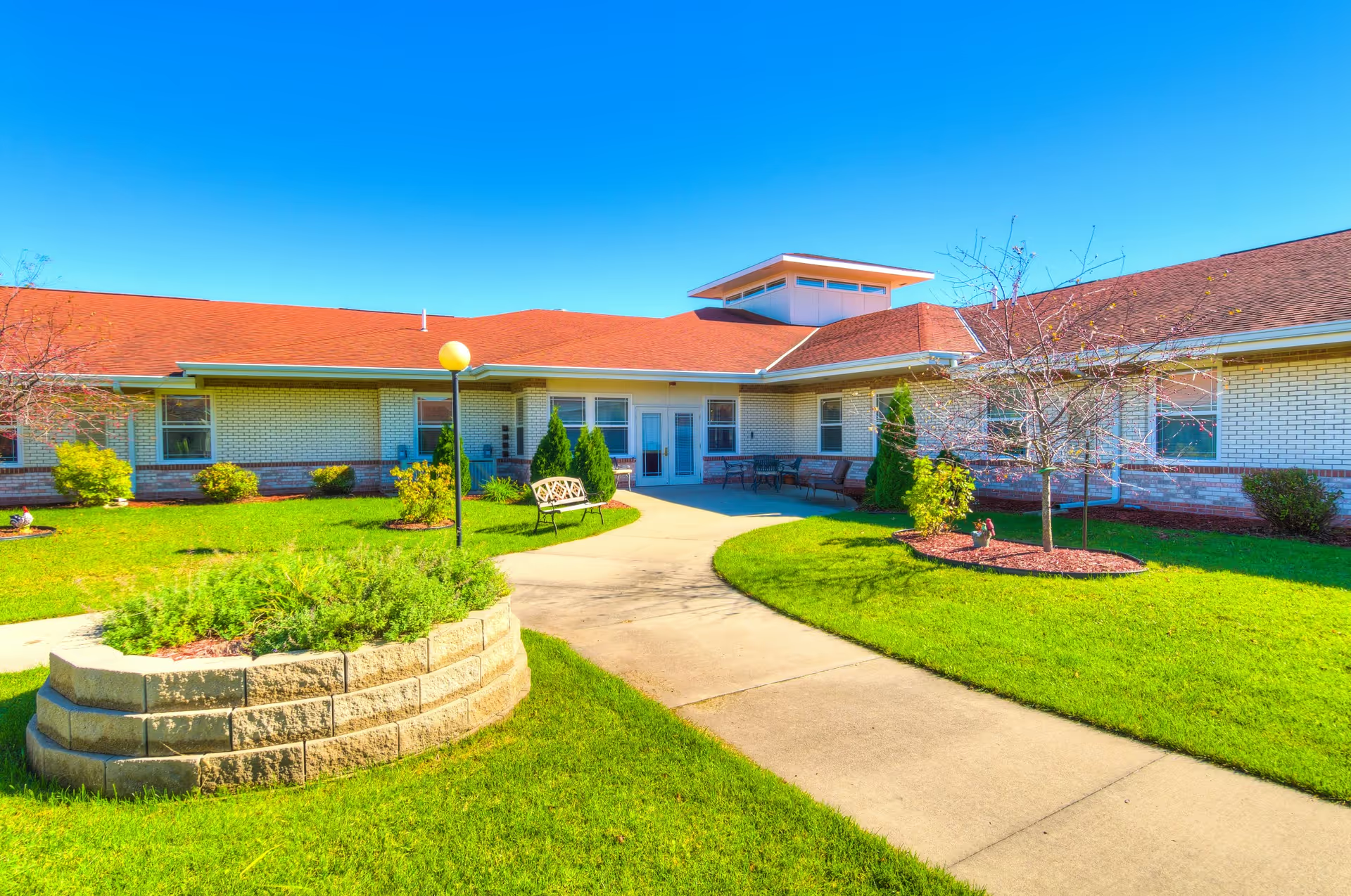
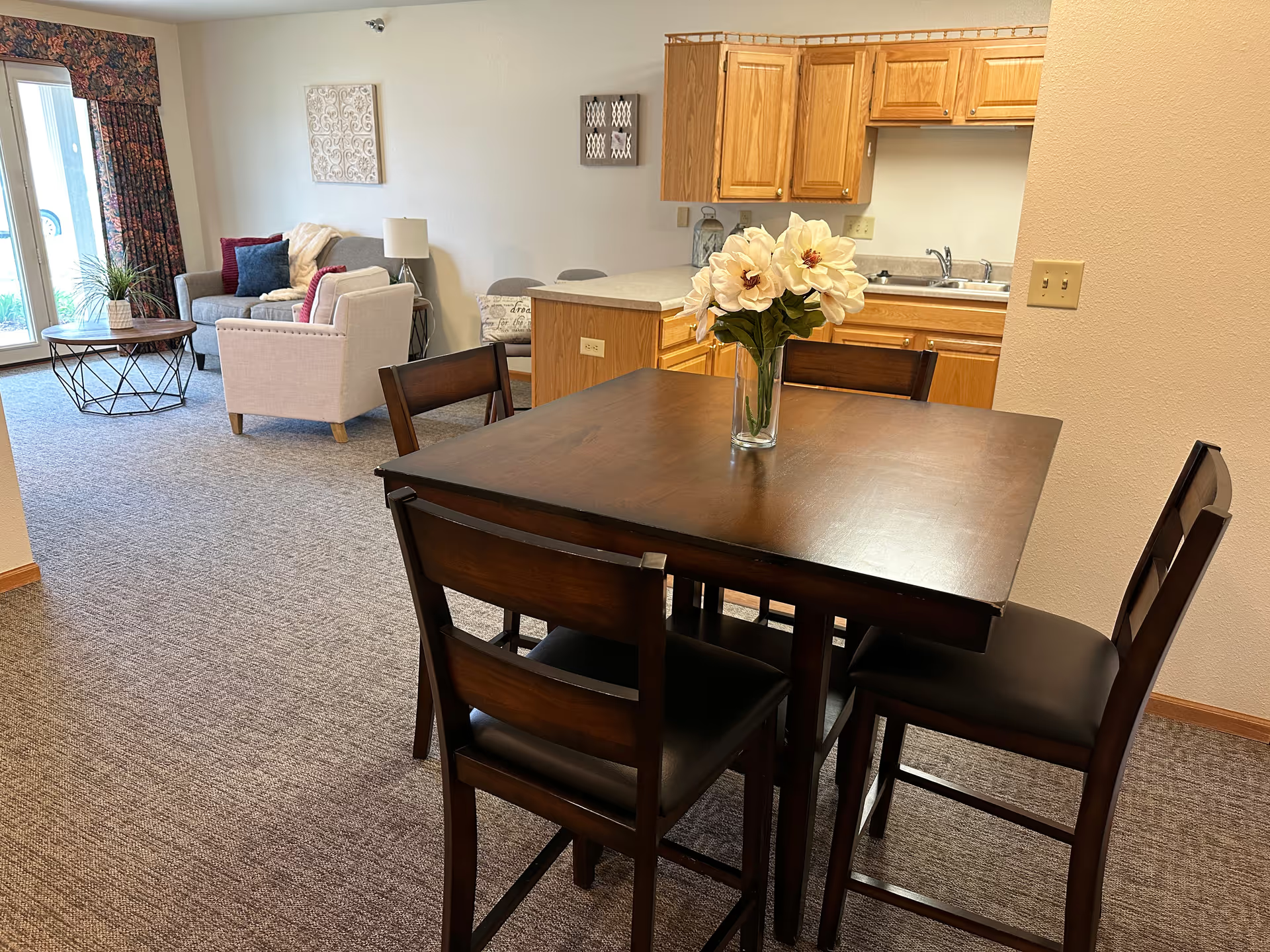
Reviewer feedback for Donnellson Health Center reflects a clear division between families valuing the community’s personalized, small-facility approach and others raising operational and clinical concerns. Positive comments emphasize a small, family-like atmosphere with hands-on, one-on-one attention; an engaged activity director and visible programming; accessible spaces for family visits; and generally friendly nursing staff who communicate clearly with families. For prospective residents who prioritize close personal interaction and local community orientation, these aspects appear to be meaningful strengths.
Care and staff: Many reviewers highlighted personalized attention and a sense of safety from staff who are approachable and communicative. At the same time, several accounts describe inconsistent professionalism and lapses in staff communication tone, suggesting variability in staff behavior and training. Related themes include concerns about how facility policies are enforced and how resident autonomy and privacy are managed; these policy practices have been described as restrictive by some families and have raised questions about consistency in application.
Clinical operations and safety: Multiple comments point to gaps in clinical supply and medication-management practices as well as coordination around transfers to higher-level care. Some families described instances where clinical supplies were unavailable or where transfer decisions required outside intervention; combined, this suggests potential weaknesses in inventory controls and in clinical incident response protocols. These issues are linked in a few accounts to delays or disruptions in the continuity of clinical care.
Hygiene, facilities and meals: Reviewers noted sanitation concerns in bathing areas and with linens, inconsistent assistance with hygiene and bathing schedules, and an aging physical plant with outdated towels, bedding, and furnishings. Meal quality was described inconsistently across comments, with some families indicating substandard dining experiences. Together these items point toward maintenance, housekeeping, and dining-service areas that may need attention and investment to meet family expectations consistently.
Activities and community life: The facility’s activity programming, led by a describedly engaged activity director, and the presence of on-site TV/lobby entertainment were identified as positive contributors to resident engagement. The small size and community orientation were repeatedly cited as enabling closer relationships between staff, residents, and families.
Management and notable patterns: The overall pattern in reviews is mixed. Strengths center on personalized care, approachable activities, and family accessibility. Weaknesses are operational and managerial: inconsistent staff professionalism, restrictive or uneven policy enforcement that can affect privacy and property handling, clinical-supply and incident-response gaps, sanitation and maintenance shortfalls, and uneven meal service. A small number of more serious individual accounts (including one involving law-enforcement interaction) indicate the potential for isolated high-severity events; these are not presented as facility-wide findings but do suggest the importance of careful pre-placement conversation about policies, clinical protocols, and how the facility handles escalations.
Recommendations for families: Visit the facility during meal and activity times; ask to speak with the director of nursing and the activity director about staffing patterns, supply-management processes, and incident-response protocols; review the facility’s written policies on resident property, privacy, and visitor access; and request recent inspection or compliance documentation if available. These steps can help families weigh the benefits of a small, community-oriented setting against the operational concerns raised in reviews.