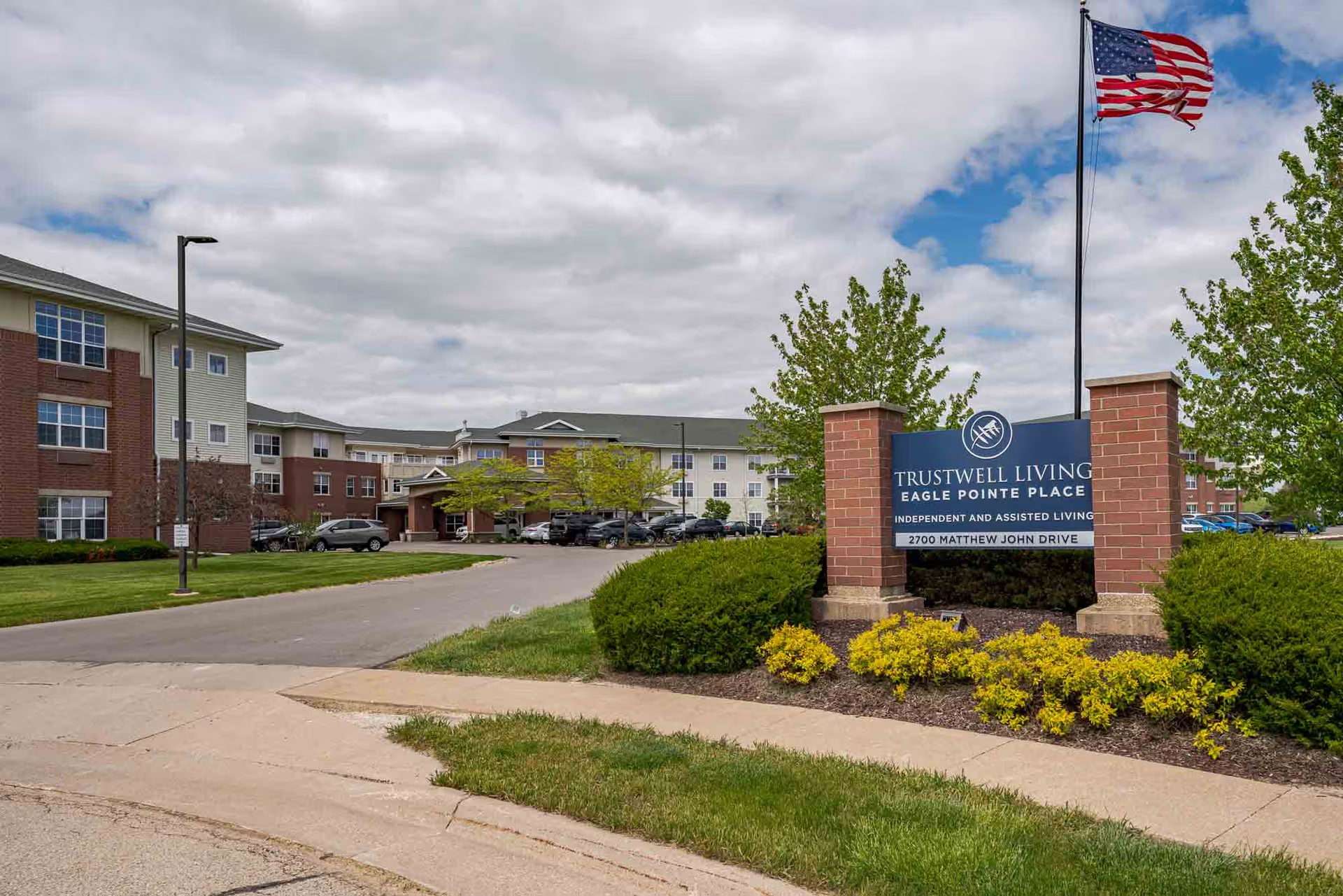
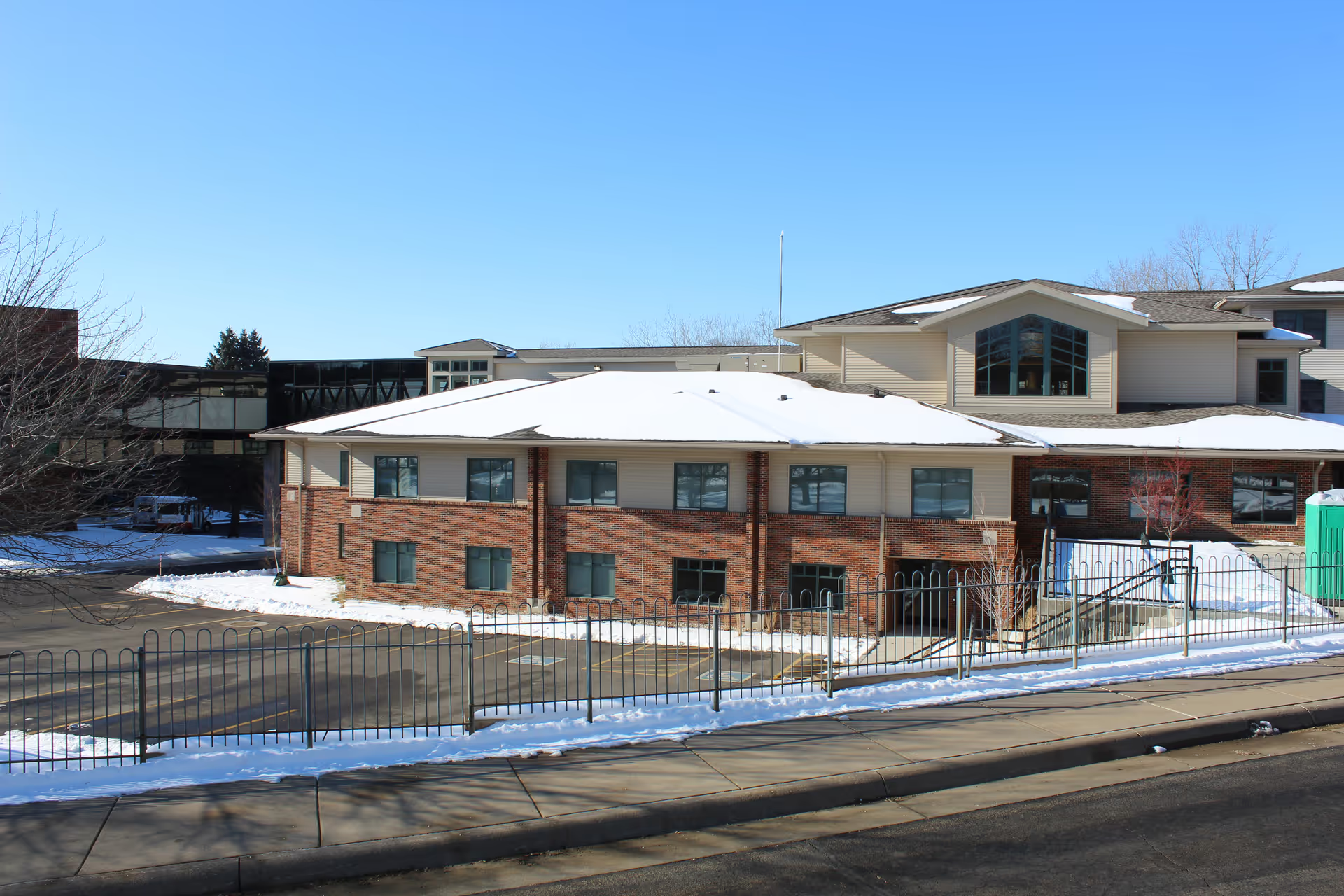
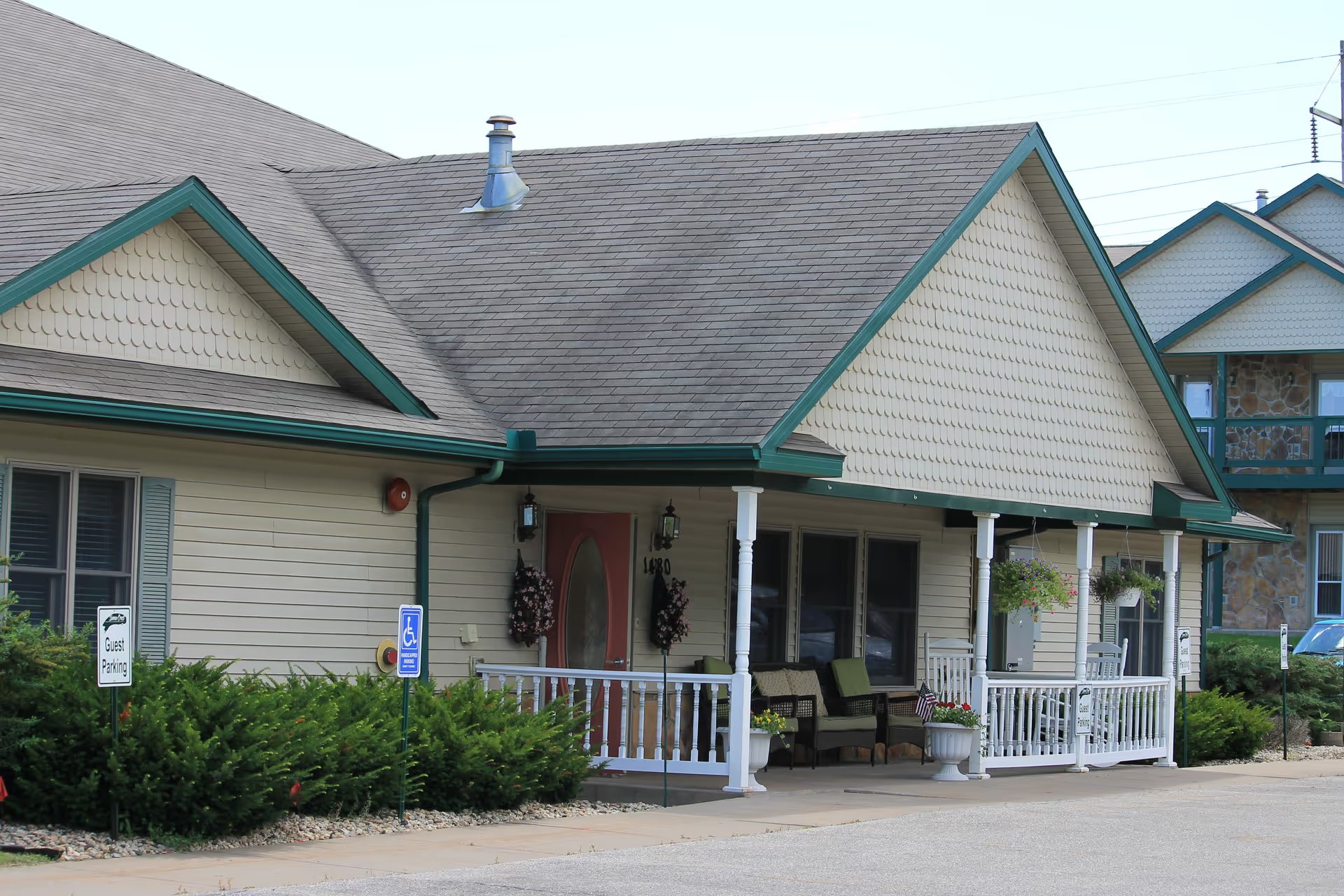
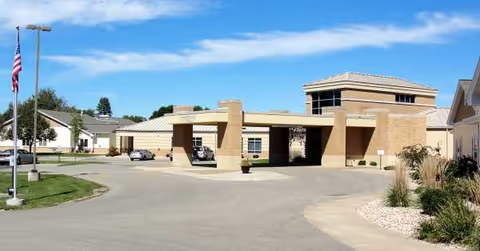
The reviews portray a facility with clear strengths at the frontline level and recurring operational weaknesses at the administrative and systems level. Many families praise the direct-care staff and therapy teams for being caring, attentive and recovery-focused; physical and occupational therapy are described as effective in helping residents regain function, and several comments highlight staff members who go beyond routine expectations. The activities program is consistently noted as robust, with an active activities director organizing social games, hobby supplies and group events that contribute to a home-like atmosphere. Facility maintenance and cleanliness are also common positives—recent renovations, odor-free common areas, and tidy rooms are described alongside comfortable lounge spaces.
Care quality appears mixed depending on the unit, shift or clinical scenario. Positive accounts emphasize engaged nursing staff, responsive therapy teams, and support for mobility and social participation. However, multiple accounts indicate delays in responding to call lights, variability in daily care tasks (for example, bathing and dietary adherence), and inconsistent proactive monitoring of vital signs. These descriptions suggest gaps in clinical oversight and night/shift coverage that could affect continuity of care for some residents.
Management and administrative practices are a notable area of divergence in the reviews. Several families express dissatisfaction with leadership decisions, communication tone, and handling of belongings and transitions; others note improvement under newer management and praise a generally deficiency-free regulatory record. There are also concerns about infection-control practices during the pandemic period, including inconsistent PPE enforcement and policies related to staff attendance when ill. Relatedly, placement and readmission processes have been called into question in a few instances, including concerns about how complex behavioral or psychiatric transitions are managed.
Dining feedback is generally positive with available choices and acceptable meal service cited, though a few reviewers found food disappointing or inconsistent. Facility-level strengths include a non-profit orientation focused on care spending, a welcoming environment, and regulatory compliance noted in surveys. Overall, prospective residents and families are likely to find strong interpersonal care and an active social environment, while they should also investigate administrative practices, staffing patterns across different shifts, infection-control protocols, and property-handling and transition procedures to assess fit for complex clinical needs.