Overall impression: Reviews present a predominantly positive view of Grand Meadows Senior Living as a modern, well‑kept facility with a strong rehabilitative focus and a generally warm, family‑oriented culture. Many families and former residents praise the skill and compassion of the caregiving and nursing teams, the effectiveness of the physical and occupational therapy programs, and the facility’s cleanliness and contemporary design. The property’s private rooms and bathrooms, bright dining area, active calendar of events, and on‑site memory care unit are cited repeatedly as important strengths for both short‑term rehabilitation and longer stays.
Care and staff: Clinical strengths center on attentive nursing coverage, accurate medication practices, and a proactive therapy staff that many credit with improving mobility and facilitating return home. Reviewers describe caregivers as compassionate, professional, and responsive; staff continuity and a resident‑centered approach are emphasized in favorable accounts. However, there are recurring concerns about inconsistency in staff conduct and responsiveness in certain situations, and a subset of reviews raises serious concerns about racially discriminatory behavior by staff. These allegations merit direct inquiry during any tour and discussion with leadership about staff training, diversity policies, and complaint resolution processes.
Dining and activities: The dining program receives largely positive commentary for variety and taste, and the dining space is described as bright and comfortable. The activities program is frequently highlighted as robust, with a dedicated activities team, regular entertainment, and encouragement of family involvement. That said, a few reviewers express dissatisfaction with meal quality or options, suggesting variability in dining satisfaction that prospective families may wish to sample in person and discuss with the director of dining.
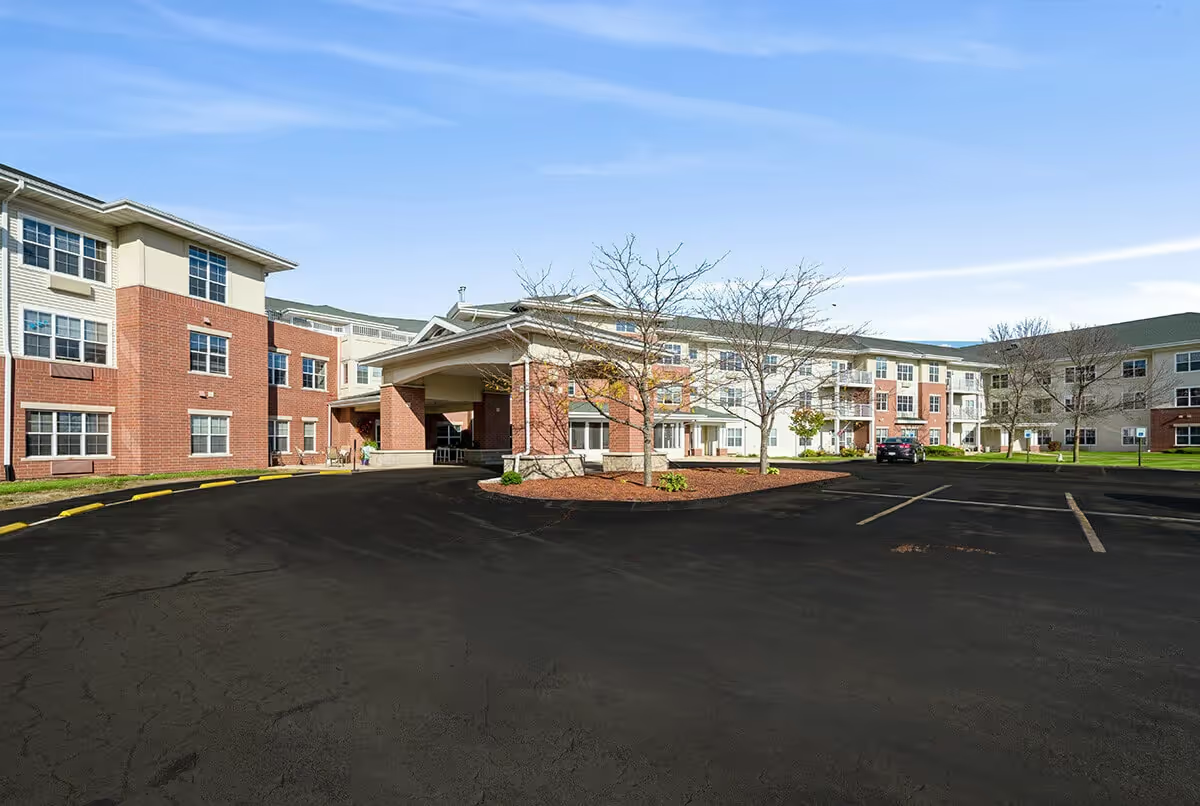
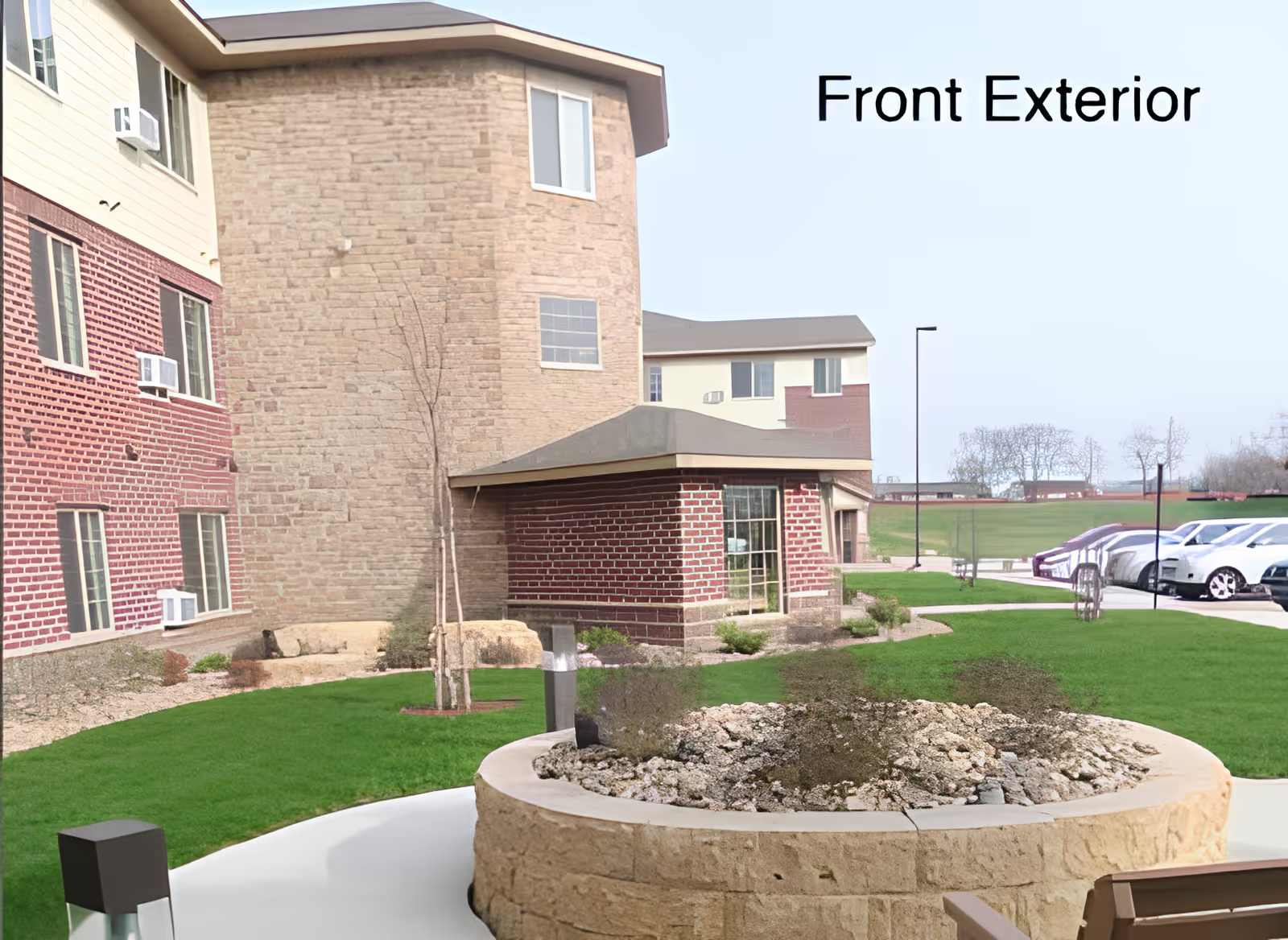
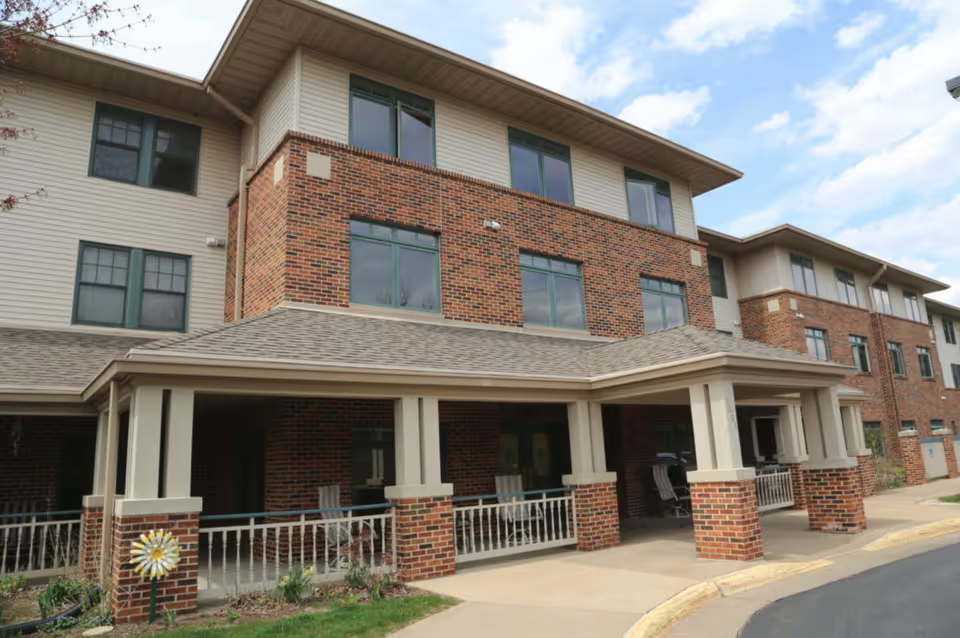
Facilities and amenities: The facility’s physical environment is a clear asset: newly constructed or recently updated spaces, well‑maintained common areas, and private rooms with accessible bathrooms and bariatric options where needed. Practical amenities such as rentable clubhouse space and multiple visitation options have been noted positively. Some practical limitations were flagged by reviewers including limited internet/cable service options and the presence of ancillary charges; families should clarify included services and fees before contracting.
Management and operational patterns: Communication from clinical staff and admissions personnel is generally described as helpful and timely, and several reviewers praised placement assistance during transitions. Conversely, there are recurring operational weaknesses that prospective families should explore: inconsistent enforcement of infection‑control practices (including PPE use), gaps in clinical oversight linked to safety events, weaknesses in billing transparency and dispute resolution, and isolated concerns about staff accountability (for example, property handling). These patterns suggest it is important to ask management about staffing levels, quality‑assurance processes, incident investigation procedures, billing statements, and formal mechanisms for resolving complaints.
What to ask on a visit: Based on the mix of strengths and concerns in reviews, prospective residents and families should consider asking about staffing ratios and turnover, infection‑control protocols and PPE policies, diversity and anti‑discrimination training and complaint procedures, sample menus and meal‑service scheduling, internet and ancillary fee schedules, medication‑management safeguards, and how the facility documents and follows up on safety incidents. Overall, Grand Meadows appears to offer high‑quality rehabilitation, a pleasant physical environment, and many compassionate caregivers, while also showing some operational areas that require clarification and active oversight by families and representatives.