Overall impression: Harmony Dubuque is repeatedly recognized for strong rehabilitation services and a supportive caregiving culture. The therapy department — including physical and occupational therapists — is frequently cited as a major strength, with many residents achieving measurable functional gains and successful discharges back to home or assisted living. Across accounts, nurses, CNAs, kitchen staff, and office personnel are described as compassionate, friendly, and engaged; families often describe staff as emotionally supportive and willing to coordinate care and transitions.
Care quality and clinical responsiveness: Clinical strengths center on organized, therapy-driven short-term rehab, effective discharge planning, and helpful social-work support for applications and assisted-living transitions. Several accounts emphasize prompt medication delivery and knowledgeable education around wound care and medication management. However, there are recurring operational concerns: reviewers raise issues consistent with inconsistent staffing levels, occasional delays in basic daily care tasks, and variable responsiveness during clinical changes. These operational gaps appear to be more prominent in longer-term placements than in short-term rehab stays.
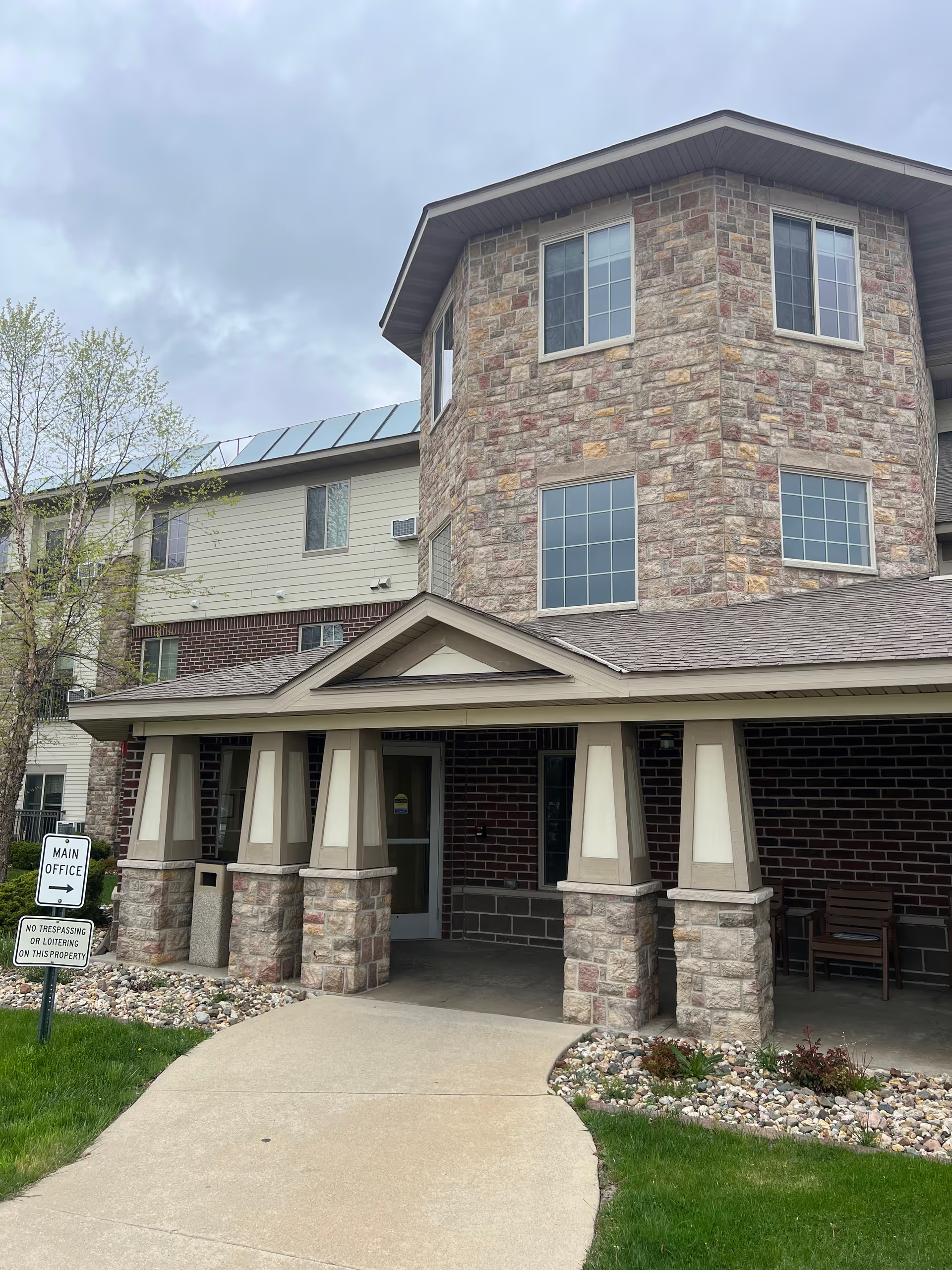
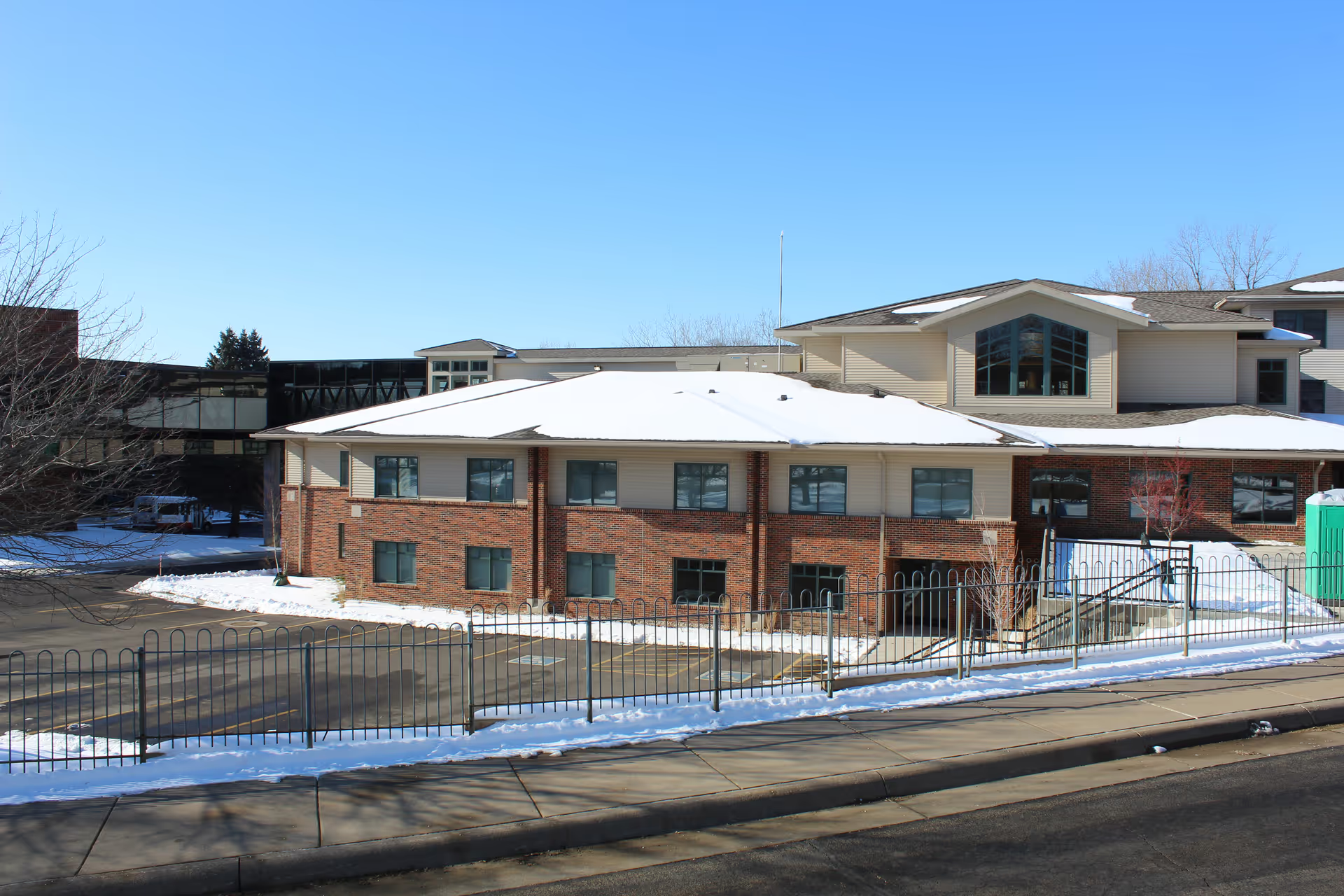
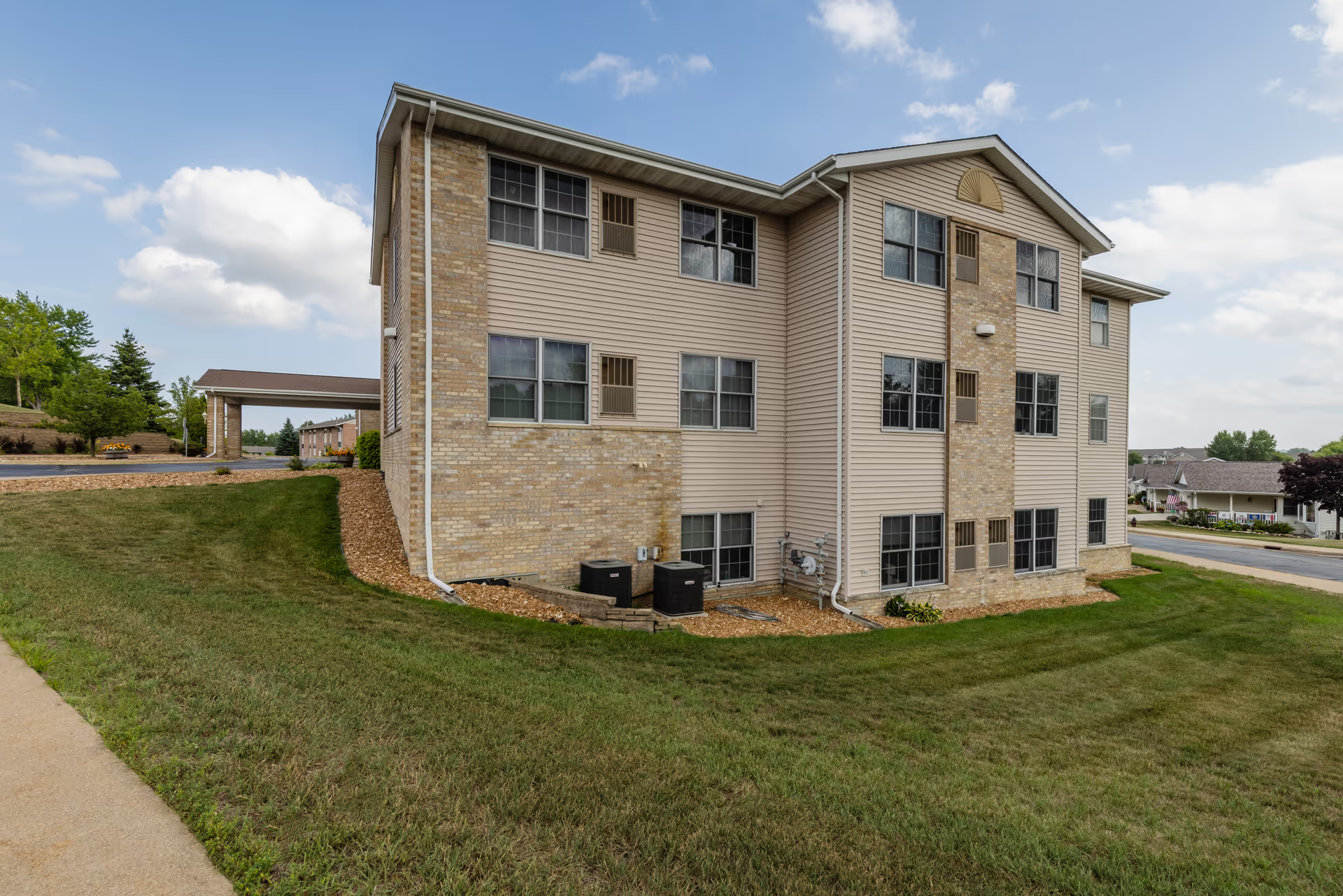
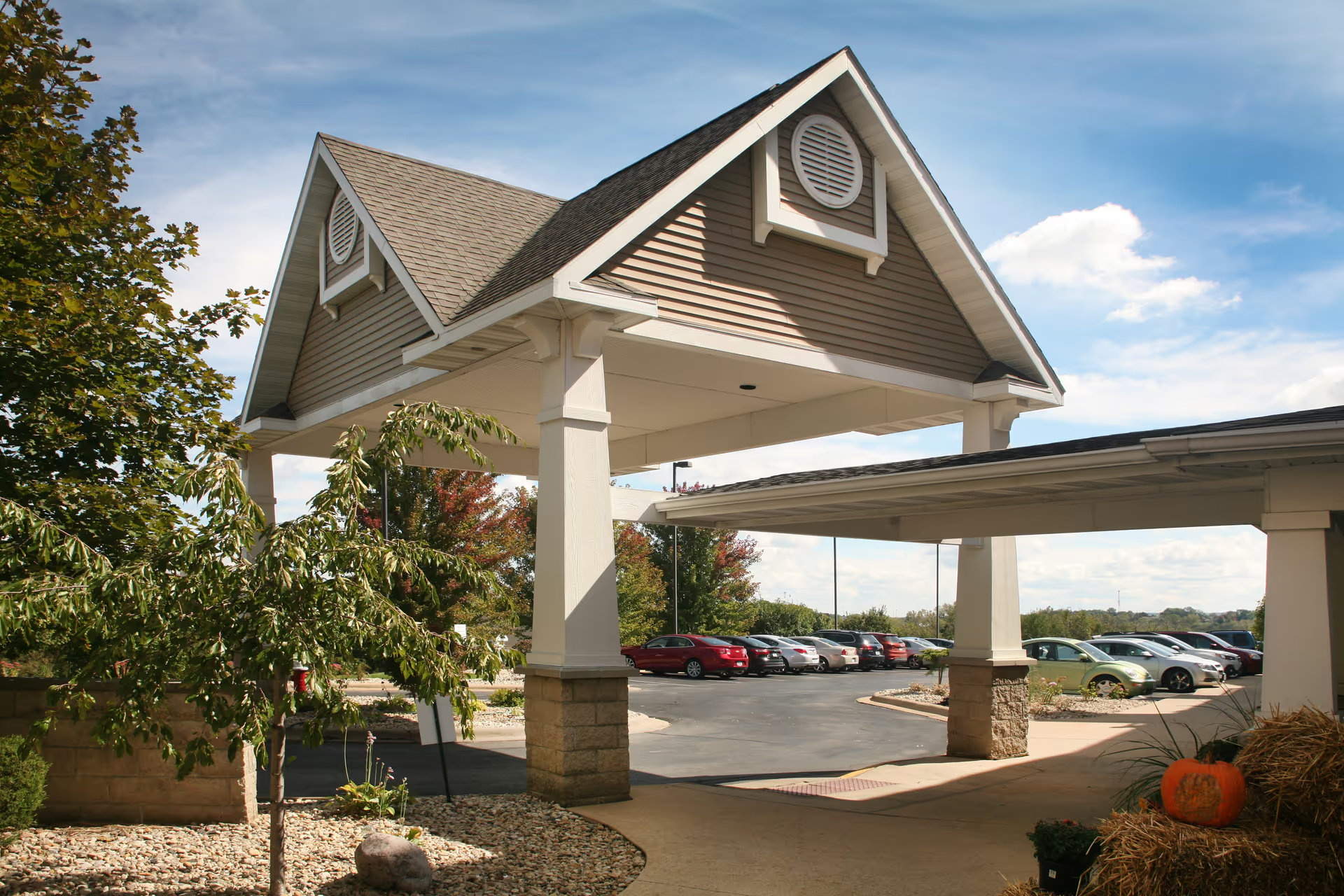
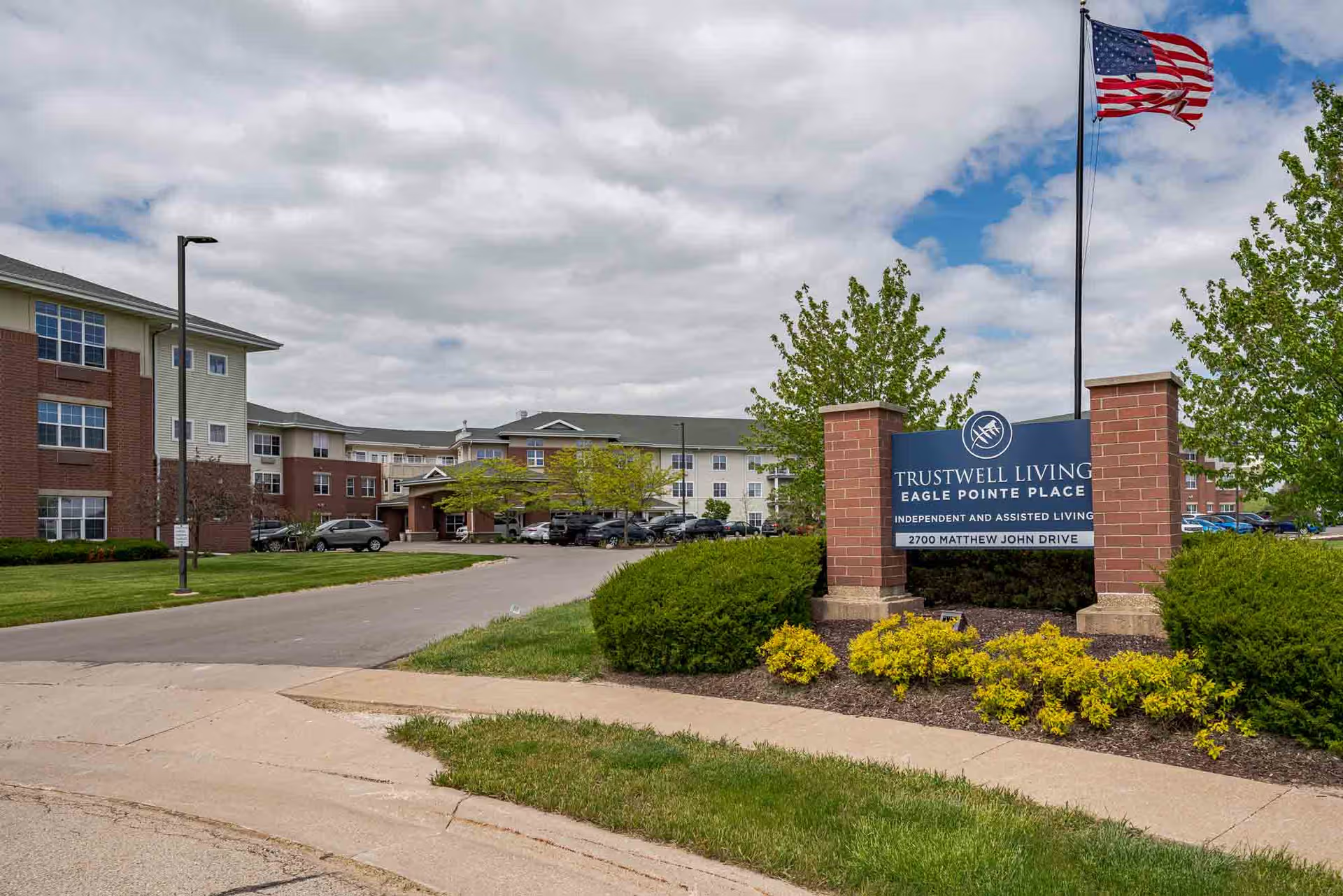
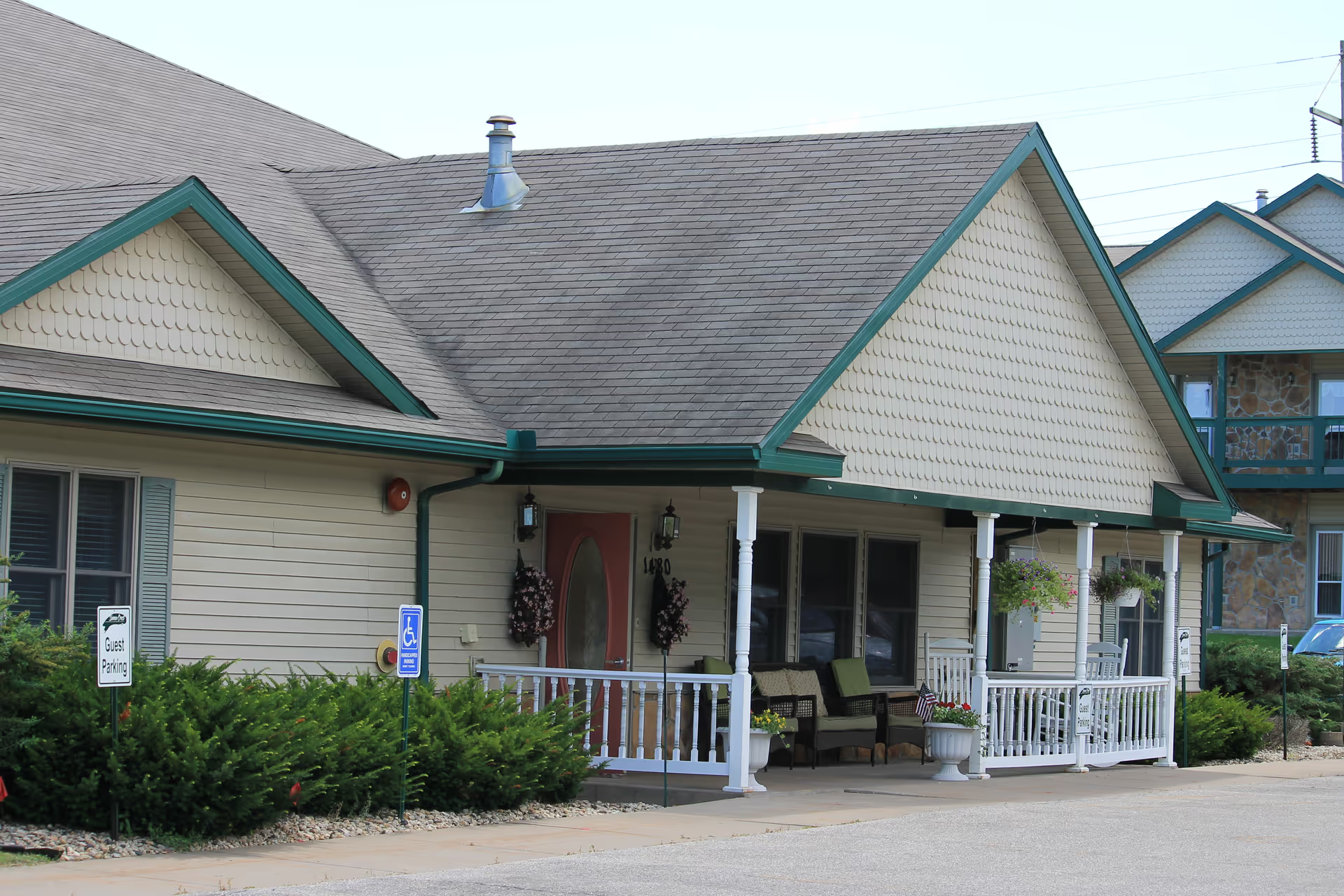
Dining, activities, and environment: Dining services and dietary counseling receive positive feedback; many found meals enjoyable and accommodating to preferences. The facility offers a range of activities (cards, bingo, crafts, church services) and attempts to maintain resident engagement. The building and grounds are generally described as clean and well-kept, with a quiet location and private spaces for visits, though some families noted that certain areas and rooms could benefit from updating to feel less institutional.
Management, communication, and policies: Communication strengths include proactive therapy-family coordination and adaptive measures during COVID (FaceTime, window visits). The facility is credited with rapid admissions and efficient intake processes. Conversely, several reviewers described administrative concerns such as billing disputes, management turnover, and uneven transparency. Visitation policies during infection-control events have at times been experienced as restrictive. There are also occasional reports suggesting elevated frontline turnover, which may contribute to variability in day-to-day care continuity.
Notable patterns and risk signals: The dominant pattern is excellence in short-term rehabilitation and a generally compassionate staff culture. Counterbalancing that, there are repeated operational-level weaknesses — inconsistent staffing, sanitation and basic-care responsiveness concerns, and administrative/billing instability — that prospective residents and families should evaluate further. A small number of serious allegations regarding staff conduct appear in the feedback; these warrant follow-up through facility leadership or regulatory channels when making placement decisions. Prospective families should prioritize direct conversations about staffing ratios, long-term care supports, infection-control visitation policies, and billing/administrative procedures to align expectations with the facility’s strengths and known areas of variability.