The reviews present a mixed picture of care and operations at this facility. Many families and employees describe compassionate, dedicated caregivers, reliable hospice and end-of-life support, an active activities program, and generally adequate staffing with qualified clinical personnel. Several accounts characterize the facility as a comfortable, well-run home for residents with positive notes about attentive day‑to‑day care, supportive administration, and reasonably good meals.
Counterbalancing those positives are recurring operational concerns. Families describe gaps in communication and care‑planning inclusion, including exclusions from care meetings and failures to involve designated medical powers of attorney. These communication gaps are linked to broader weaknesses in clinical coordination: missed or delayed treatments, difficulties ensuring adherence to scheduled therapies, and delays recognizing or escalating acute changes in condition. Collectively these point to a pattern of care‑coordination risk rather than isolated scheduling problems.
Several reviewers raised concerns about assistance with activities of daily living, citing inconsistent help with eating, hydration, grooming, and oral care. There are also accounts of unexplained skin injuries and family questions about how those events were documented and investigated; reviewers characterized follow‑up communication as vague or dismissive in some cases. Alongside these caregiver‑level concerns, reviewers cited deficiencies in institutional transparency and accountability, including regulatory action and a monetary fine, delayed corrective measures, and at least one hiring decision that drew scrutiny because of a prior criminal conviction involving an older adult.
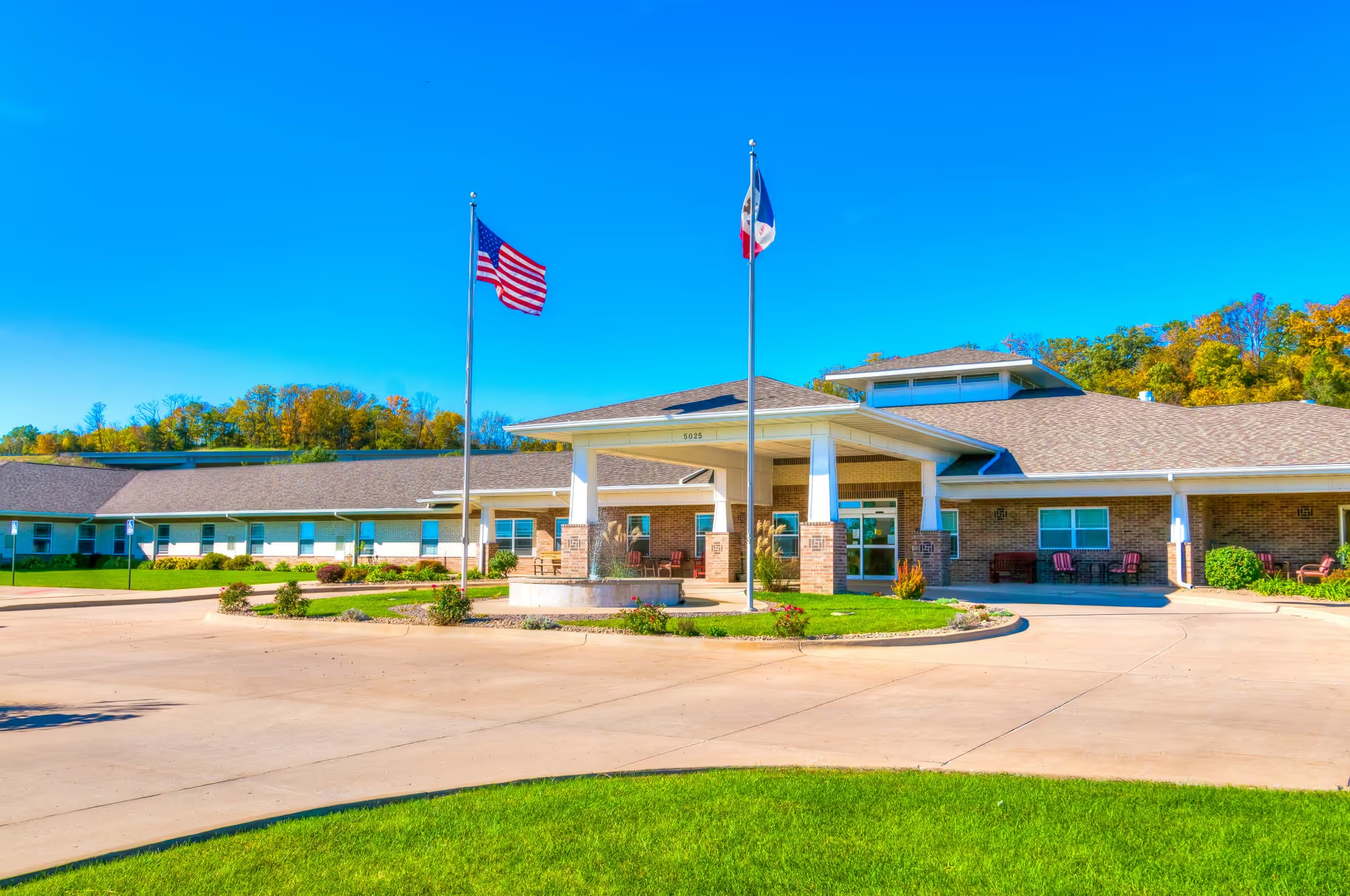
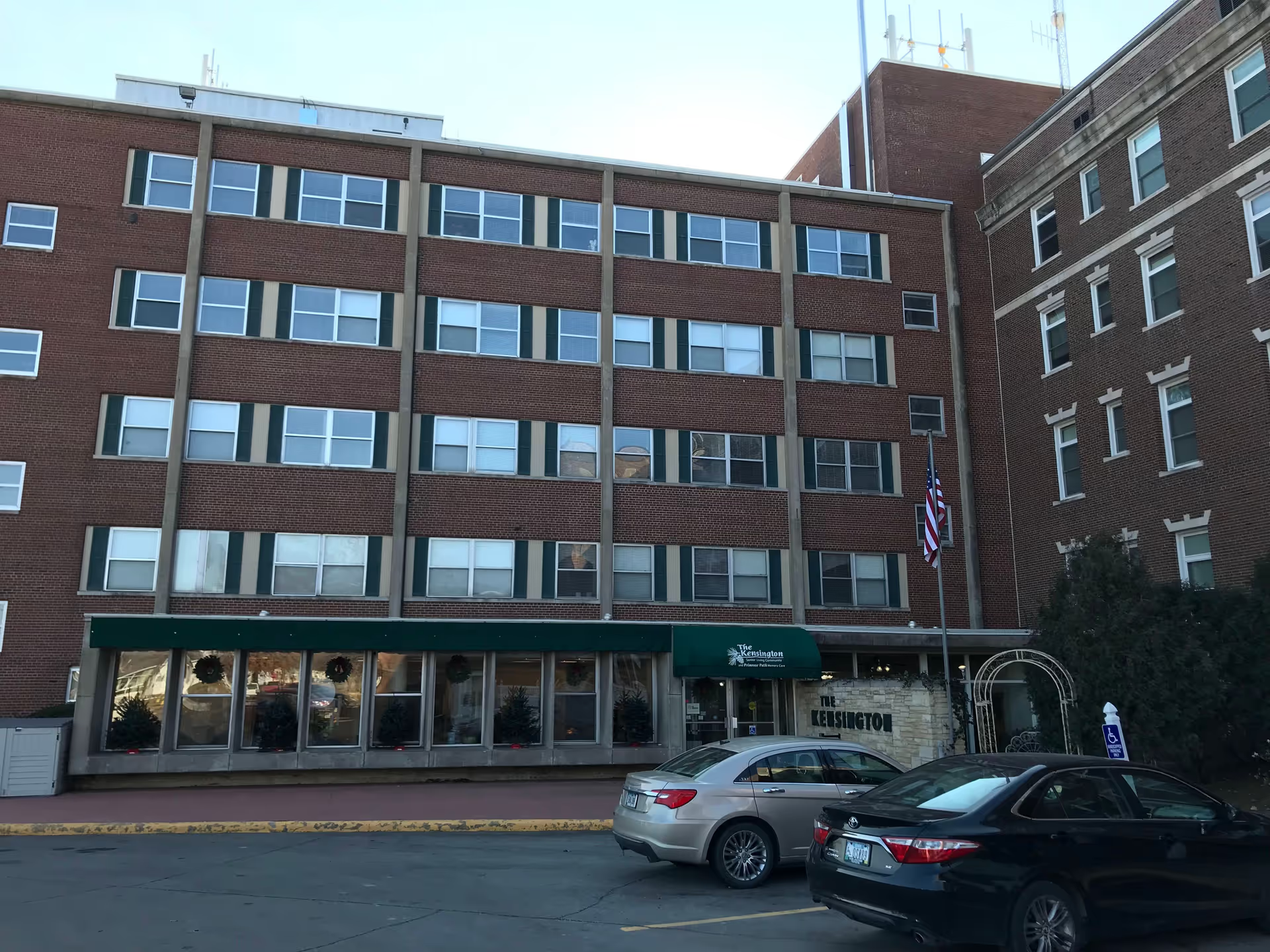
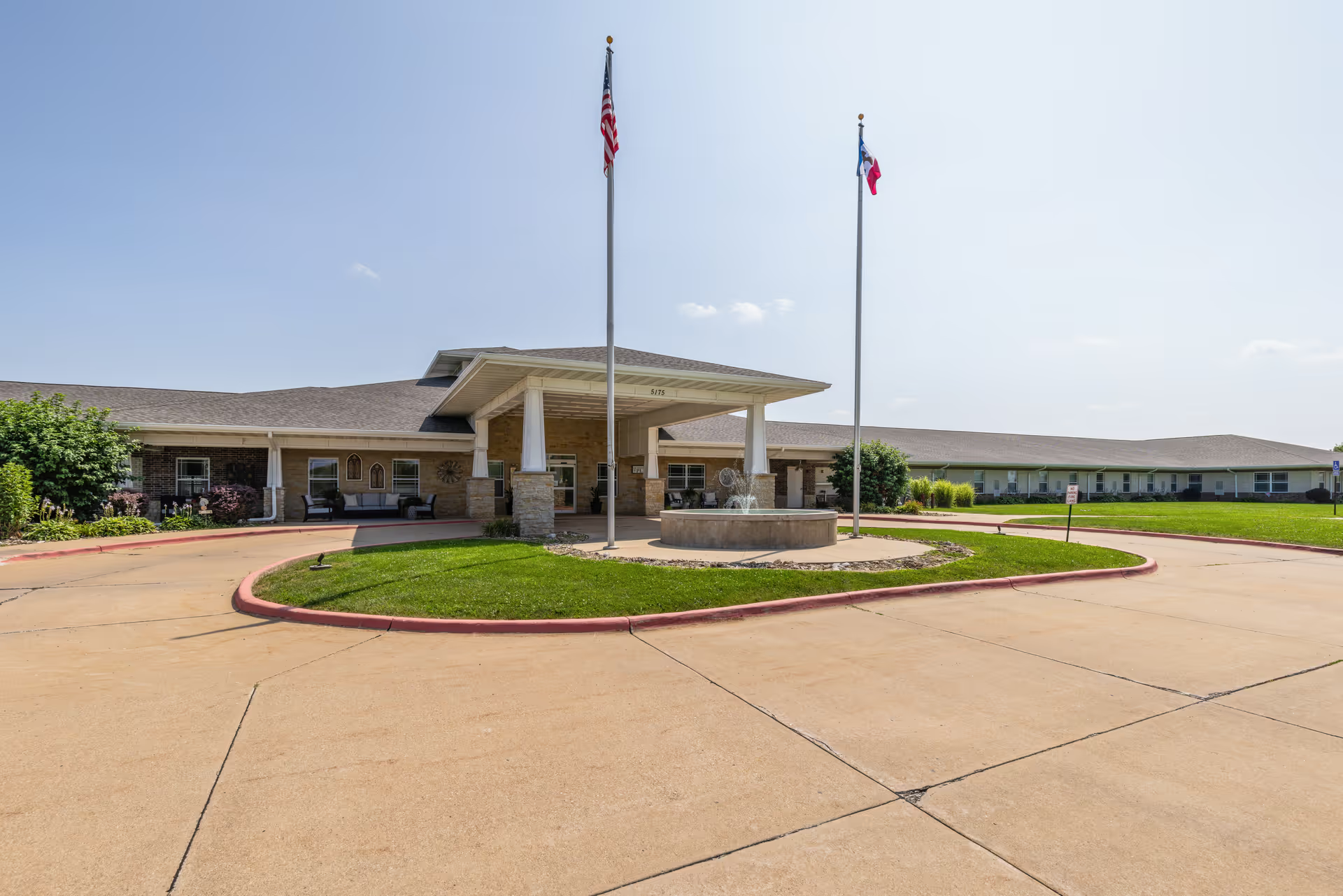
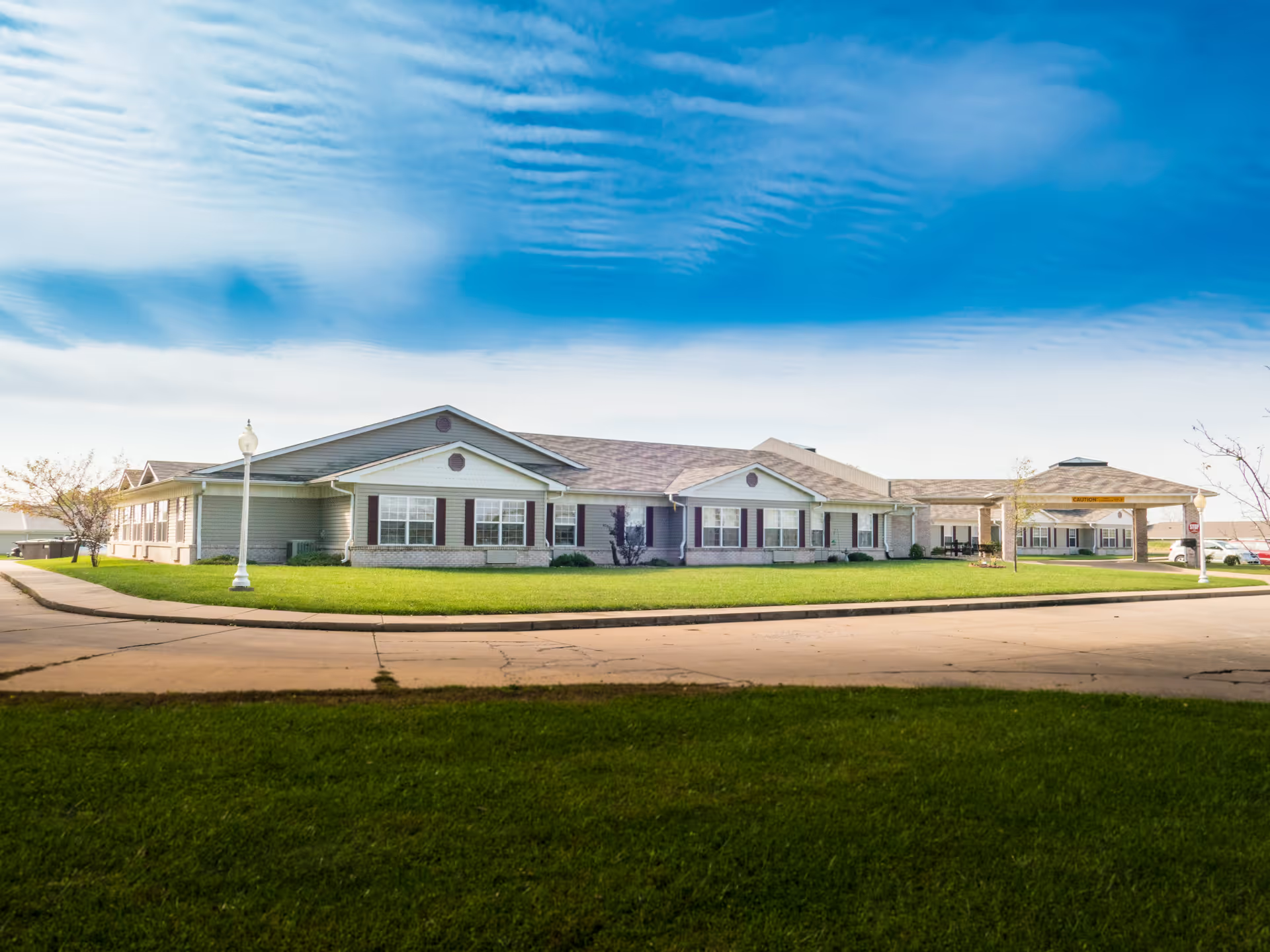
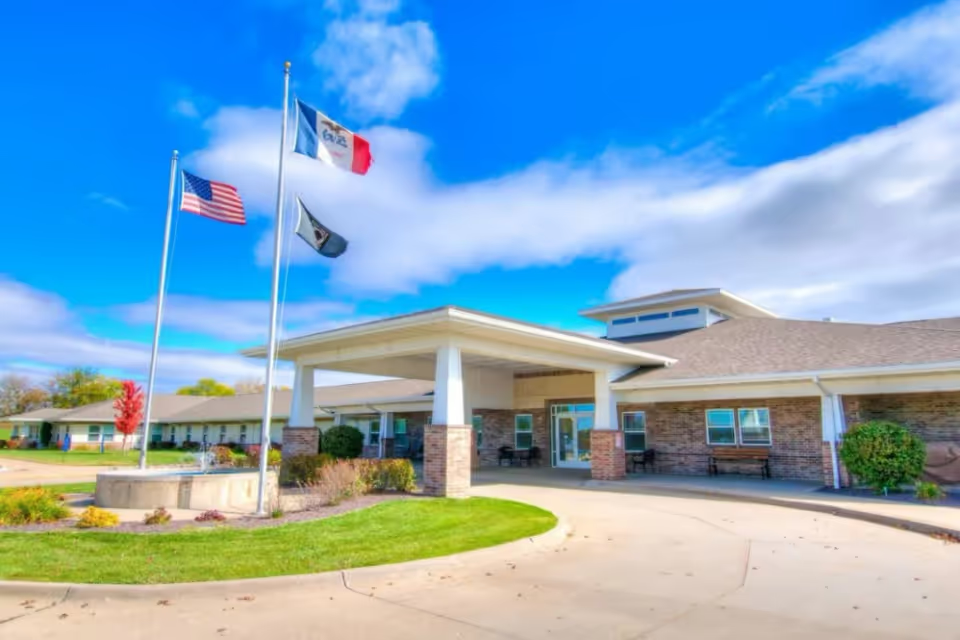
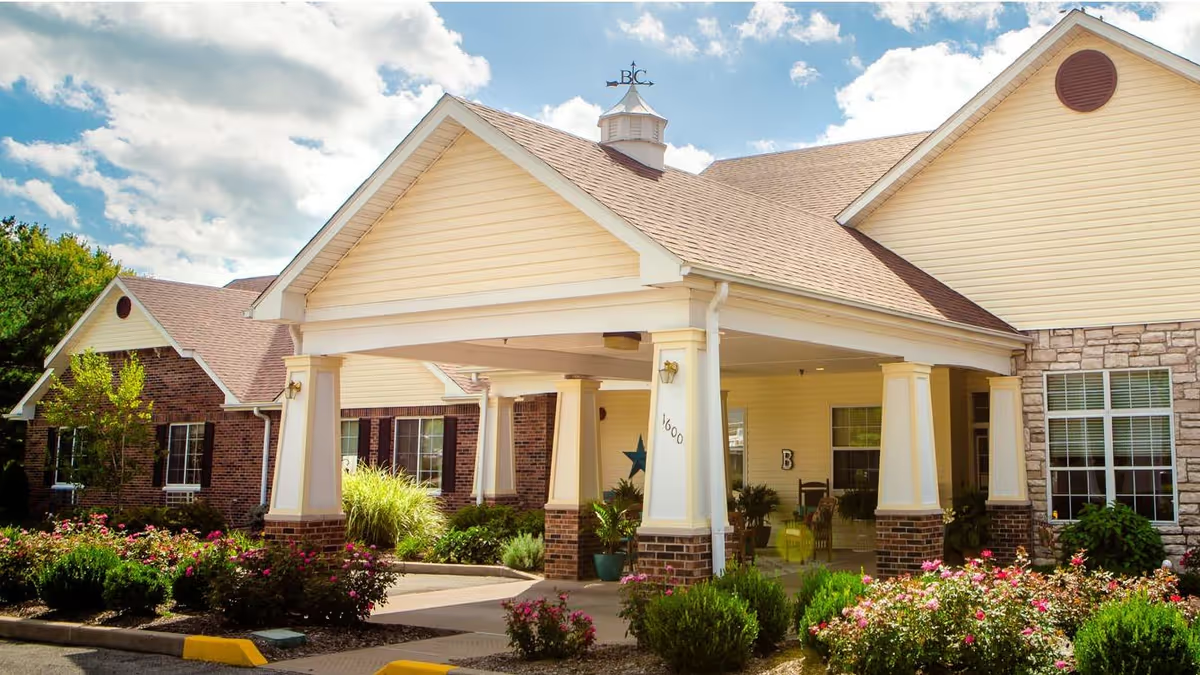
Facility and safety issues were also noted: documentation gaps for fire drills across shifts and limitations in fire‑suppression infrastructure were mentioned. These items, together with cited regulatory penalties, suggest that prospective families should review inspection histories and corrective action plans closely. On the positive side, the on‑site environment and activity offerings received strong praise, and multiple reviewers described the facility as a good place to work — indicating that many staff members are engaged and invested in resident wellbeing.
In summary, the facility demonstrates clear strengths in compassionate caregiving, hospice support, activities, and adequate staffing, but reviewers describe persistent operational weaknesses in family communication, clinical coordination, ADL assistance consistency, transparency around incidents, hiring oversight, and emergency‑preparedness documentation. Prospective residents and families would be well advised to tour the unit, meet care planners and clinical leaders, request recent inspection and corrective‑action records, and discuss specific protocols for care coordination, incident reporting, background checks, and emergency drills before making a placement decision.