Overall impression is mixed but informative for decision-making. Many comments emphasize strong clinical care: nursing staff and CNAs are frequently described as attentive, caring, and stable (with low turnover), and medication administration is seen as dependable. Rehabilitation services show strength in clinical knowledge—several therapists are identified as capable—but availability and intensity of therapy appear uneven; some families describe limited therapy time or improvised programming rather than a consistent, well-resourced rehab plan.
Staffing and interpersonal dynamics are a distinguishing feature. Positive accounts highlight thoughtful, patient, and helpful caregivers who facilitate outings and social engagement. Conversely, there are descriptions indicating inconsistent staff conduct and responsiveness, and a perception that some employees or supervisors can be stern or uncommunicative. These patterns suggest variability in team performance and communication, rather than a uniform culture across the facility.
Dining and activities present a contrast. The menu is noted to offer variety and some flavorful choices, and the facility supports accessible dining, wheelchair-friendly entertainment spaces, and religious services. Activity programming is relatively broad—examples include happy hour, card club, arts and crafts, and organized outings—which supports social engagement. At the same time, food quality is described inconsistently across accounts, ranging from acceptable or good to unsatisfactory for some residents, indicating variability in meal experience.
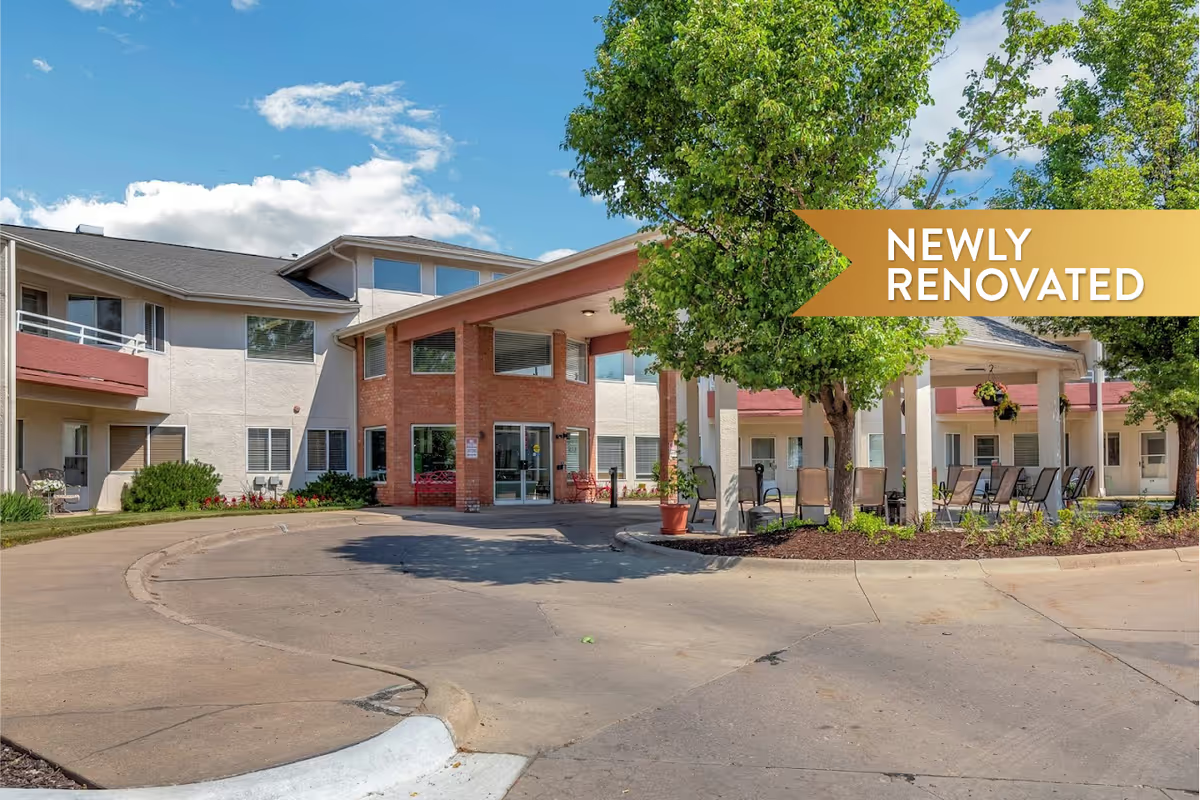
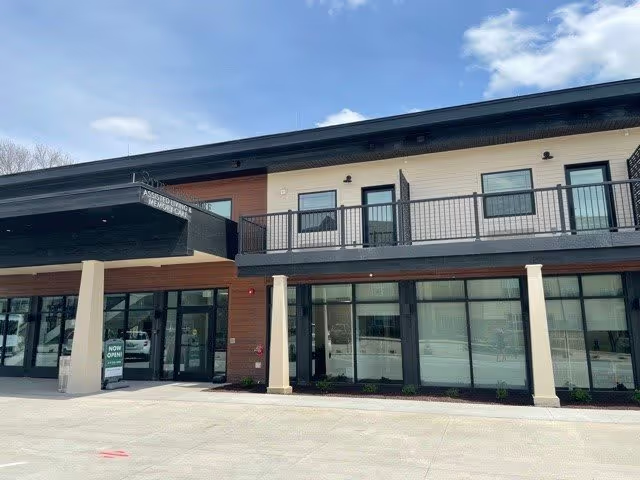
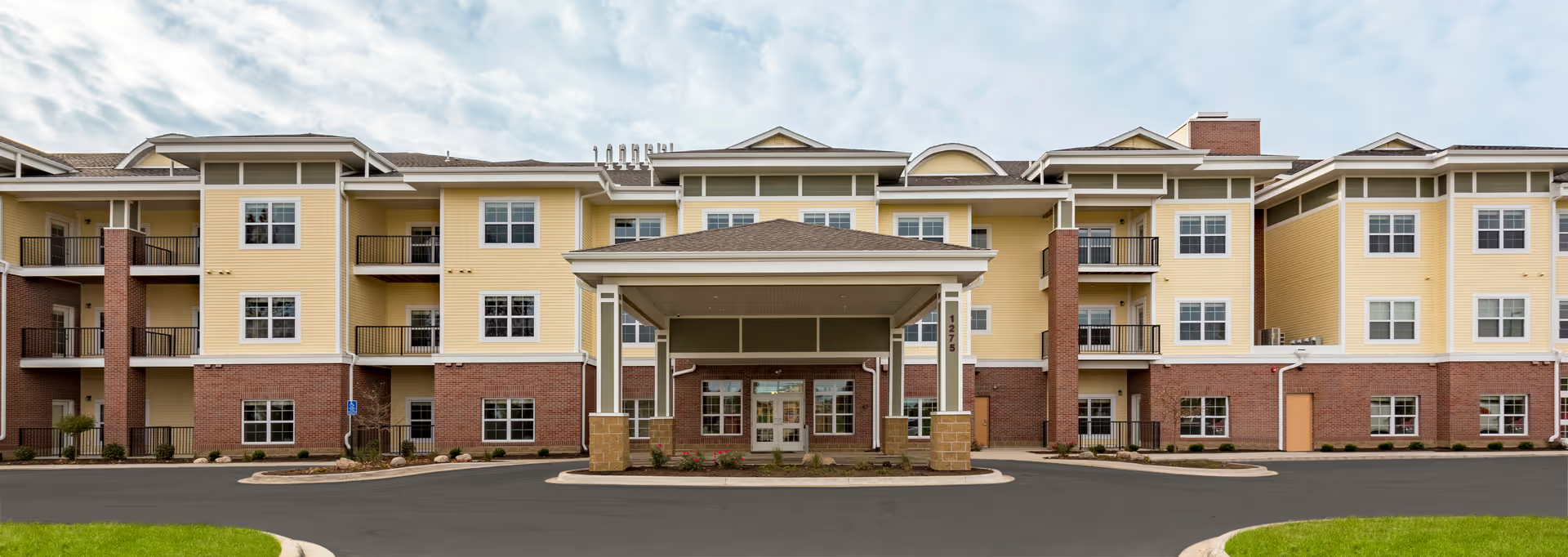
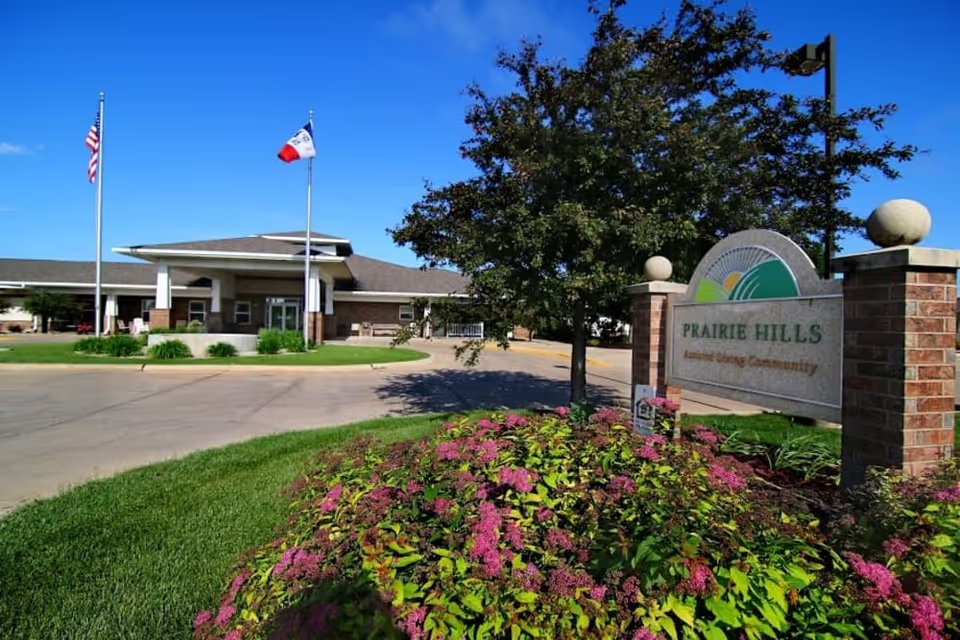
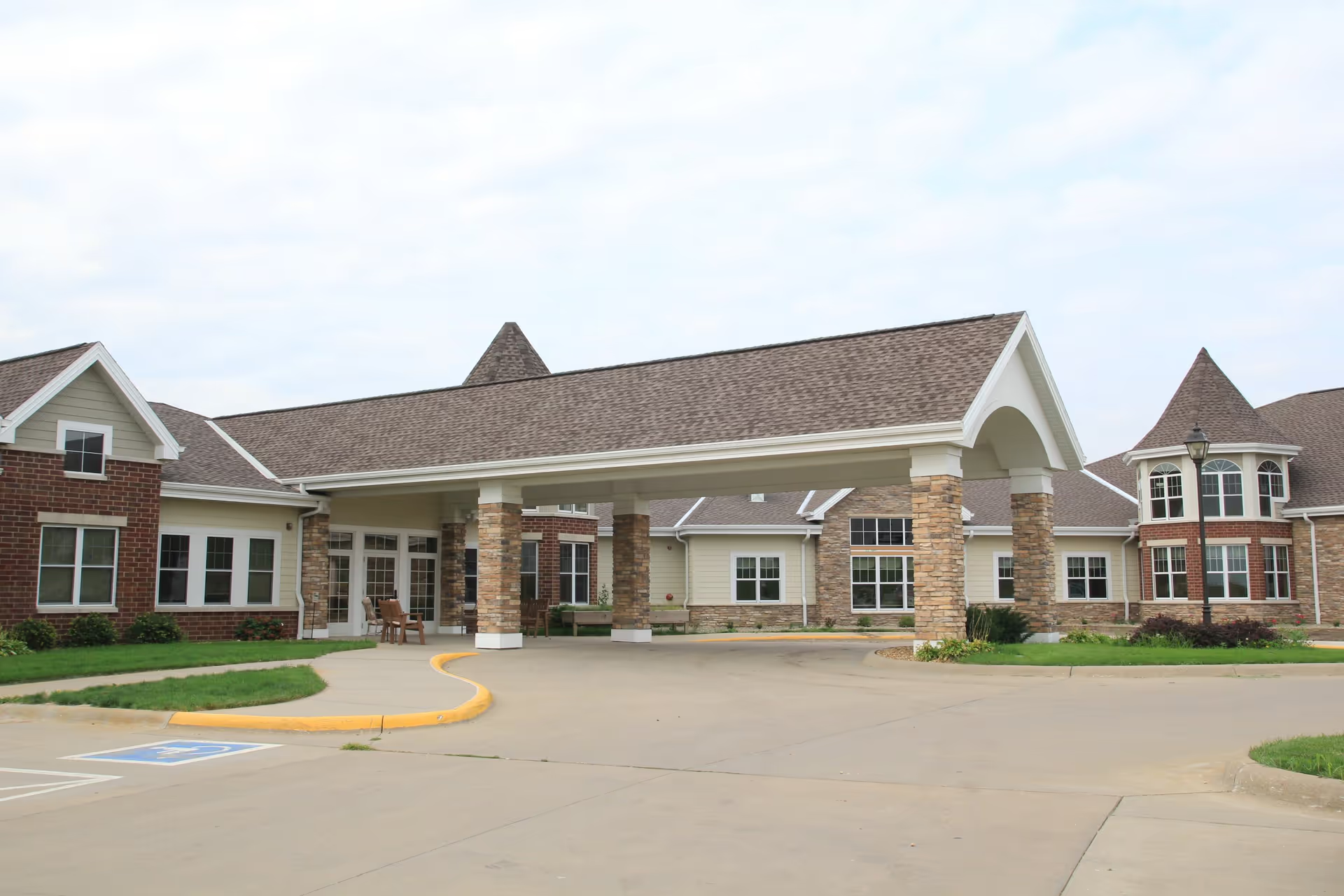
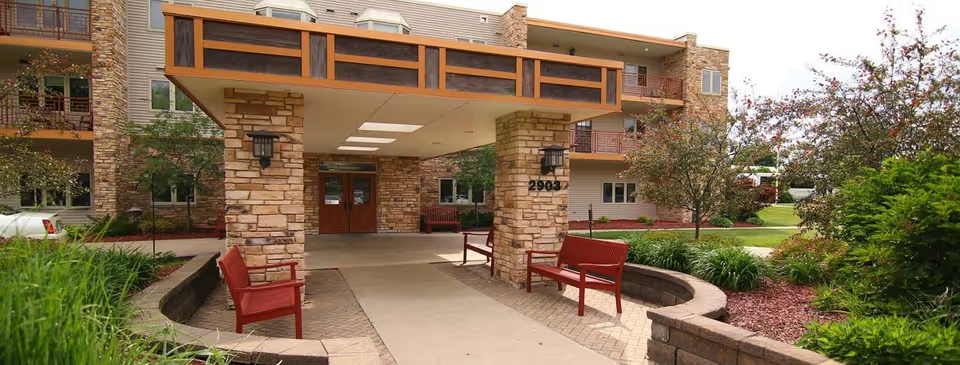
The physical plant is an important consideration. Multiple comments characterize the building as older and dated, with institutional-style rooms, darker color schemes, limited windows or natural light in some areas, and visible infrastructure elements. At least one account contrasts this by calling the facility clean and functional, so the overall judgment depends on whether aesthetics and modern finishes are a priority. Operationally, families note the facility can be more expensive than its physical amenities might suggest.
In summary, Briarwood Health Care Center appears to deliver solid hands-on nursing care with several committed clinicians and a comprehensive set of activities, while exhibiting facility-level limitations in building condition, décor, and consistency of services—especially around rehabilitation intensity, food experience, and day-to-day staff responsiveness. Prospective residents and families should weigh the strengths in clinical staffing and programming against the dated environment, potential variability in service delivery, and cost considerations; visiting in person to observe mealtime, therapy sessions, and staff–family communication is recommended to assess fit.