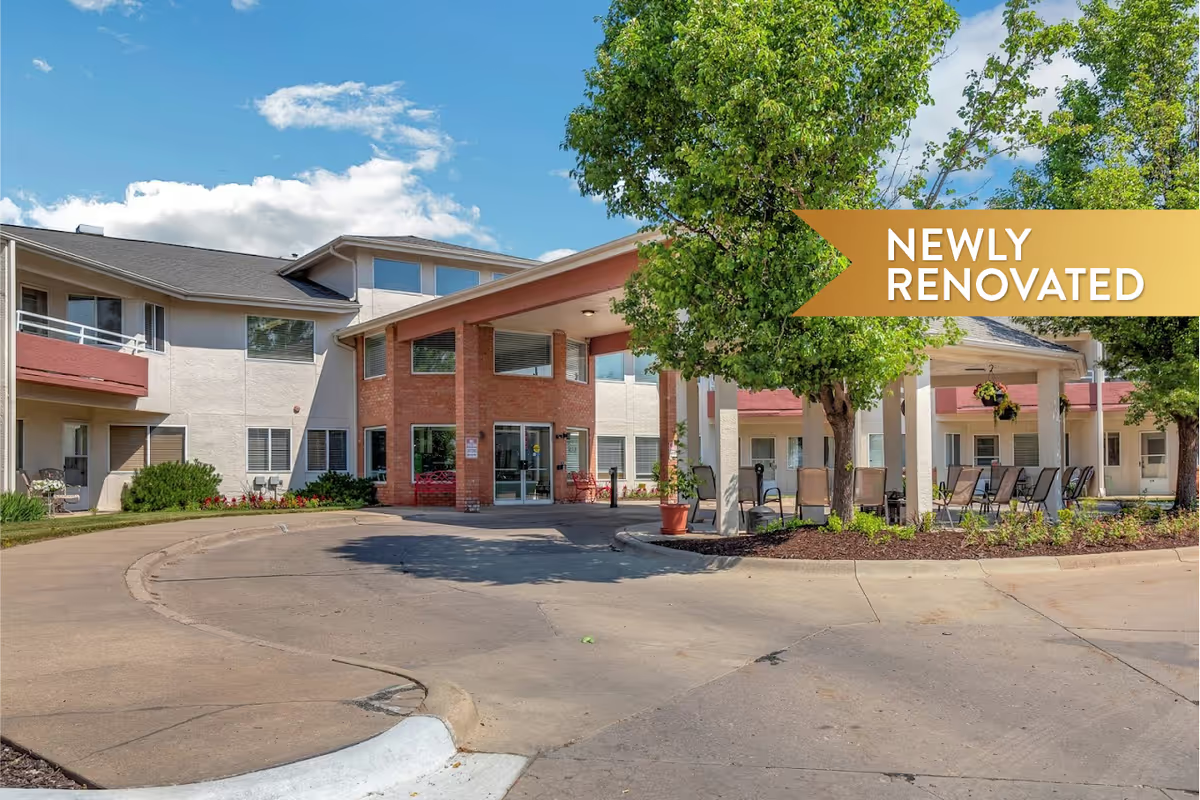
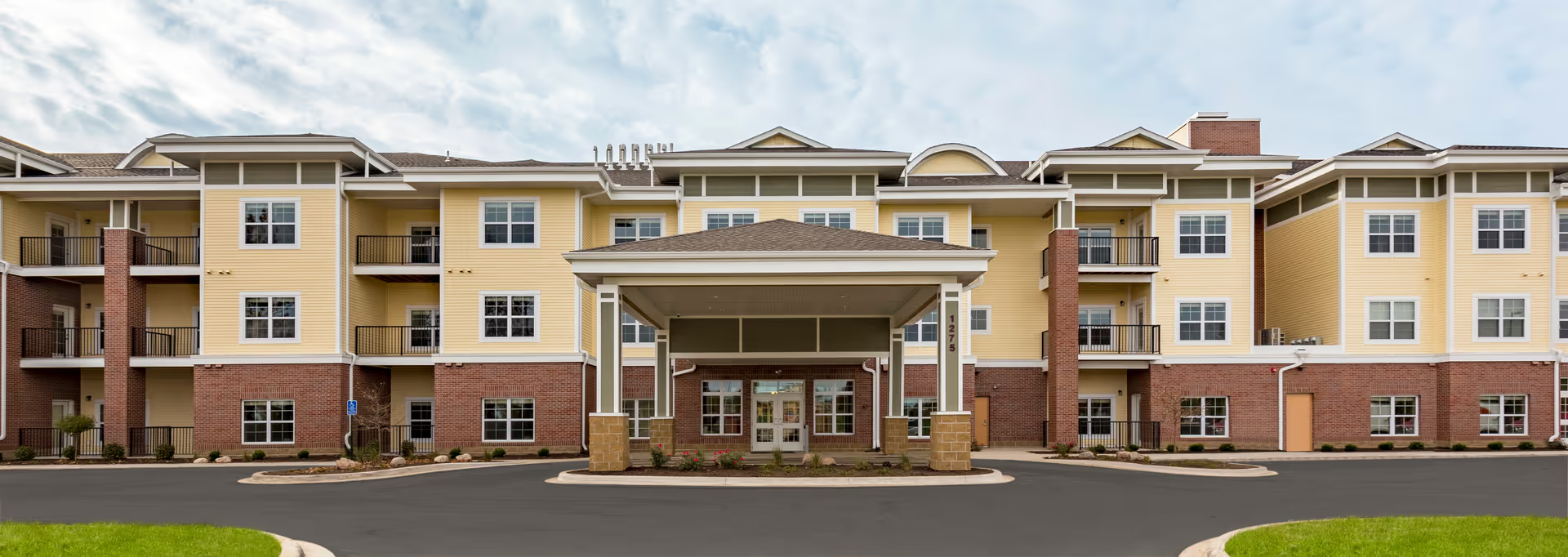
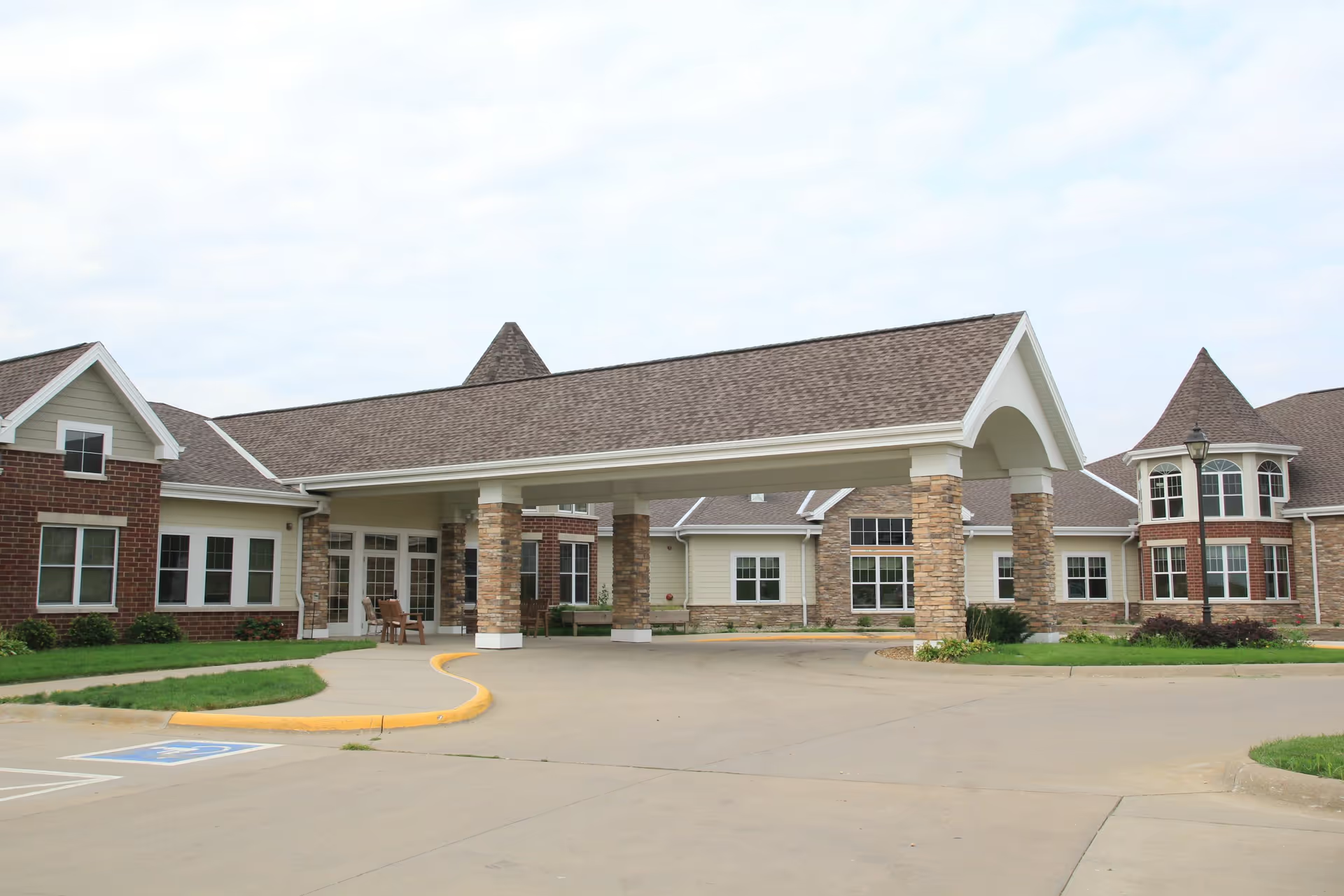
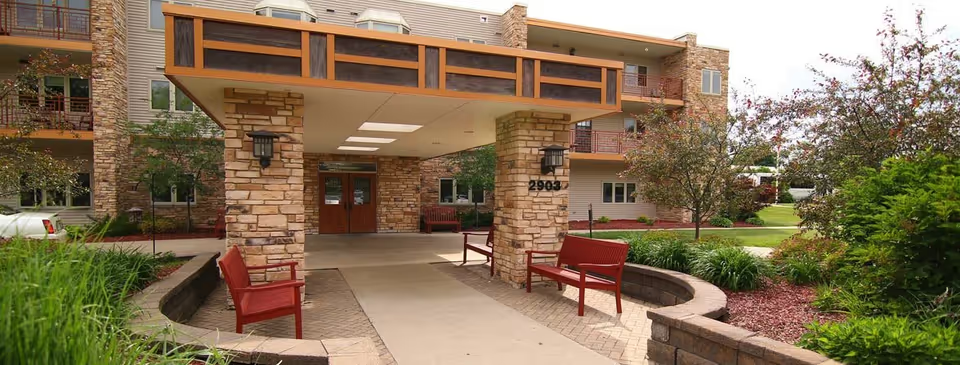
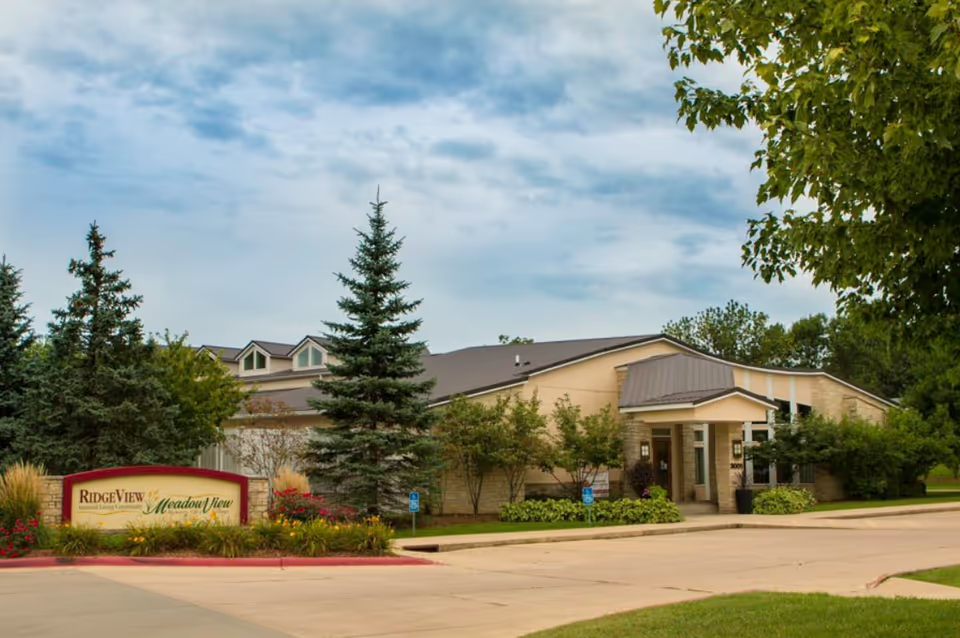
Overall impression: Emerson Point presents as a well-maintained assisted-living environment with strengths in clinical responsiveness, family collaboration, and personal comfort. Several comments emphasize a caring, attentive staff and administration, a clean facility, and private apartment units that include full kitchens. There is also specific praise for clinical staff acting quickly in urgent situations, which suggests generally effective clinical oversight.
Care and staff: Reviews convey a strong emphasis on resident-centered care and staff kindness. Families highlighted attention to individual resident needs and good communication with relatives, indicating established processes for family engagement. At the same time, there are concerns about staff conduct and communication tone in certain interactions; this suggests variability in interpersonal performance across staff that management may need to address through focused training or supervision. Clinical responsiveness is a consistent strength, with examples of prompt action by nurses when urgent care was required.
Dining and activities: Dining quality is a notable area of concern; some feedback describes the food as unsatisfactory, indicating inconsistent meal satisfaction. Meal-service continuity or menu quality may benefit from review. There is limited commentary about organized activities in the provided summaries, so it is difficult to assess programmatic offerings for engagement and recreation from these reviews alone.
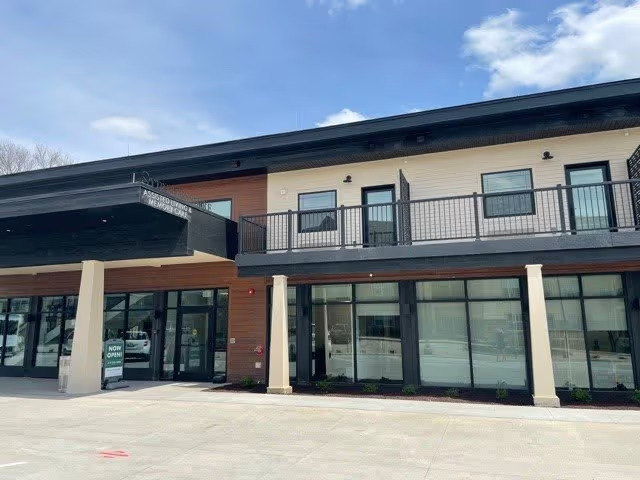
Facilities and living space: The physical environment is described positively for cleanliness and comfort. Apartments are private and equipped with full kitchens, which supports autonomy and a homelike feel; however, unit size is mentioned as small in some cases, which could affect residents who require more space for mobility aids or personal items.
Management and operational patterns: Administration is viewed as attentive and collaborative with families, which supports transparent communication and care planning. Operational weaknesses inferred from the feedback include inconsistent admissions and entrance-control procedures (an incident during move-in points to potential gaps in logistics or signage enforcement) and variability in staff behavior and dining quality. Addressing these facility-level processes—through standardized admissions protocols, reinforcement of communication standards, and a review of food services—would help align the positive clinical and environmental strengths with more consistent day-to-day experience.
Notable patterns: The strongest themes are compassionate care, effective clinical response, and a clean, comfortable setting. The recurring operational issues center on staff conduct variability, dining dissatisfaction, and procedural lapses during admissions or at entry points. Prospective residents and families should weigh the facility’s clinical strengths and family collaboration against the potential for uneven service experiences in communication and dining.