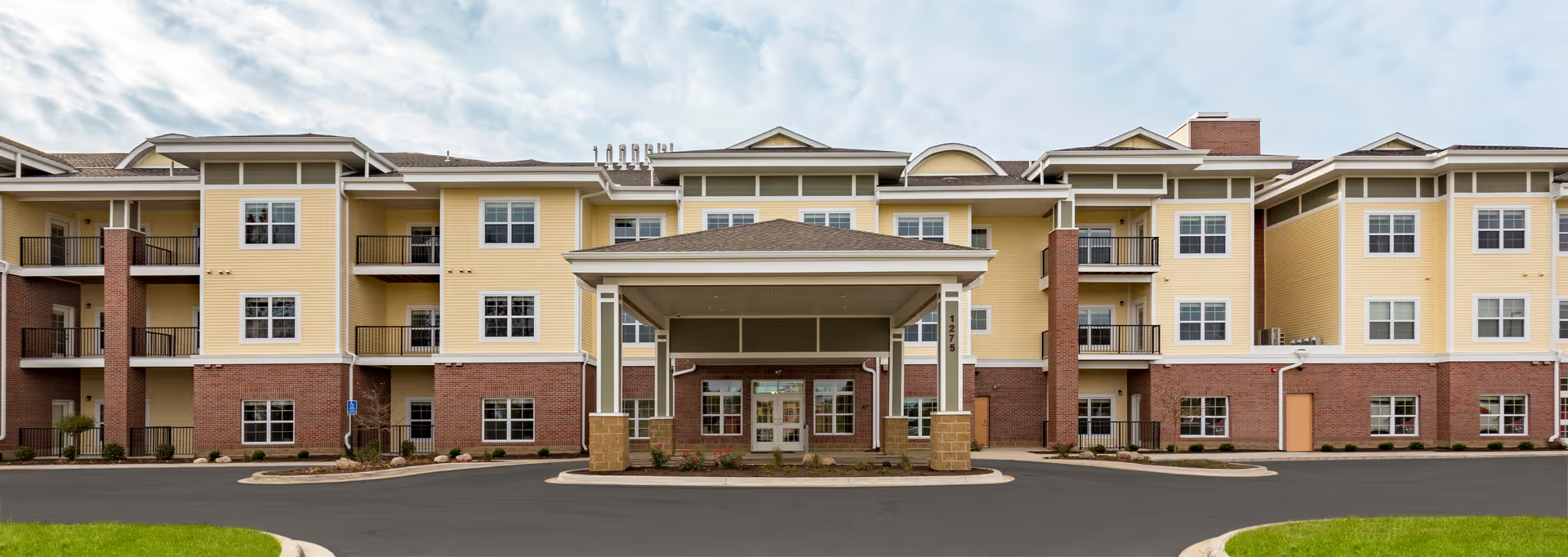
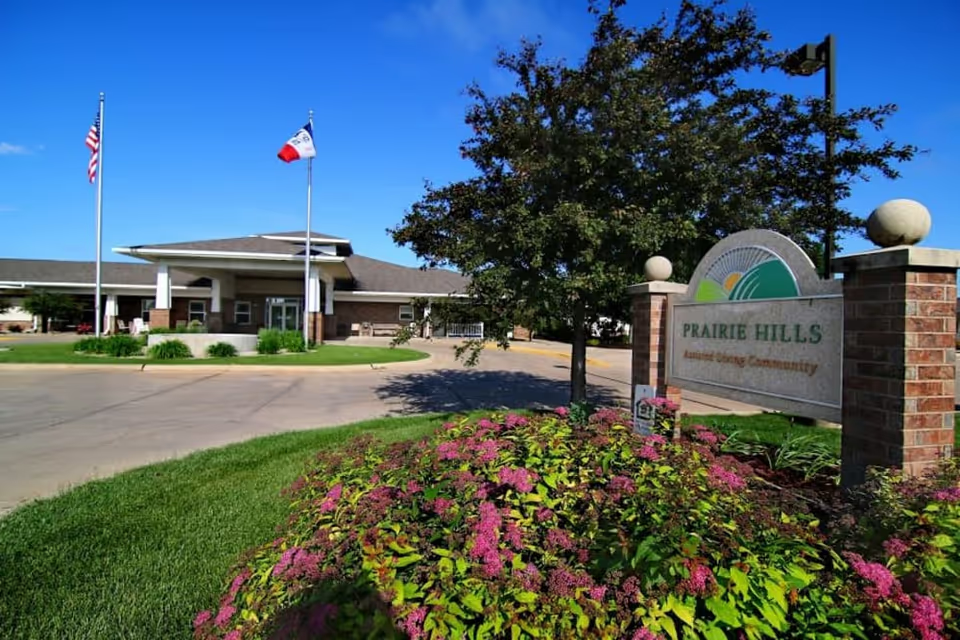
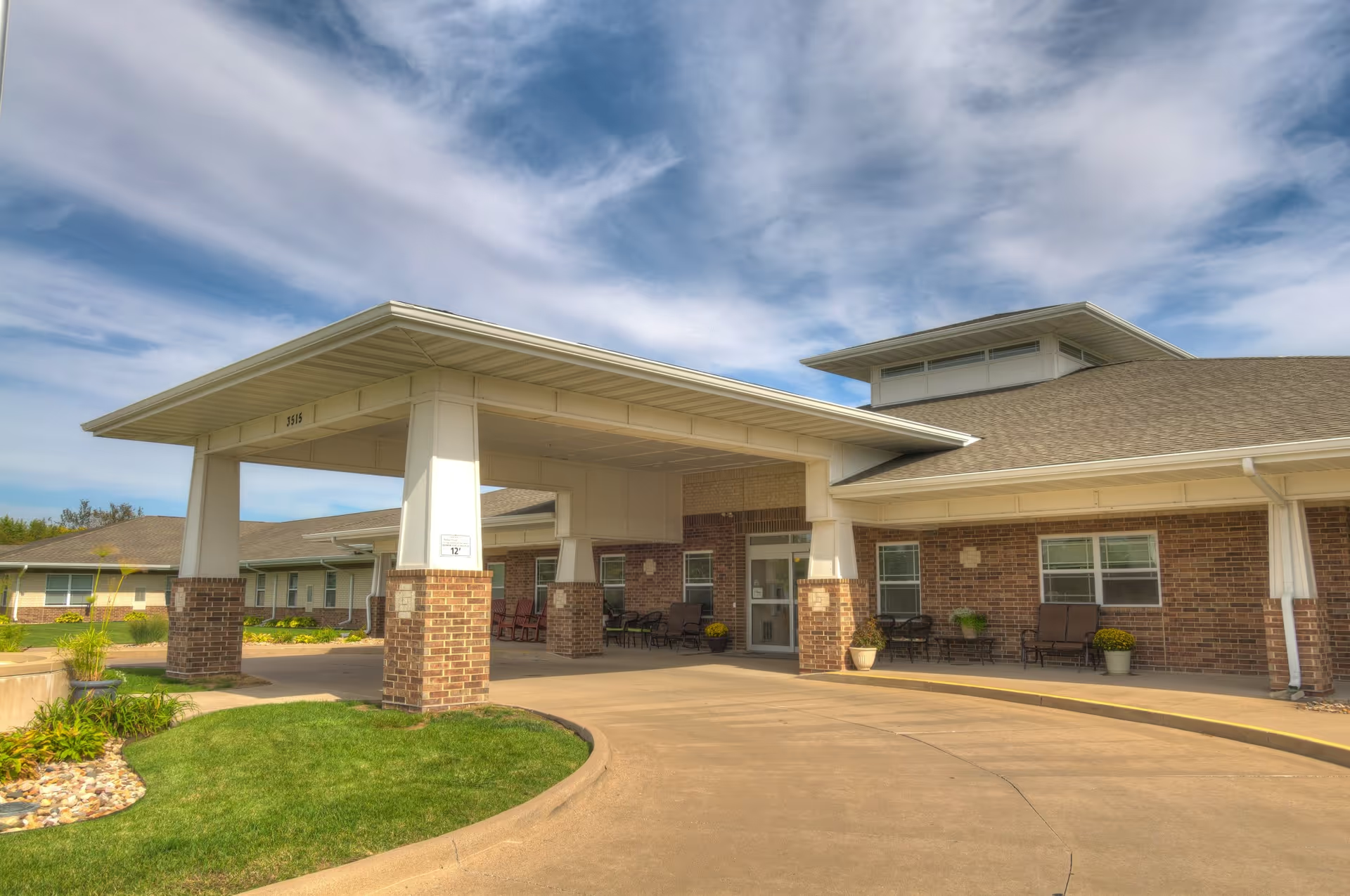
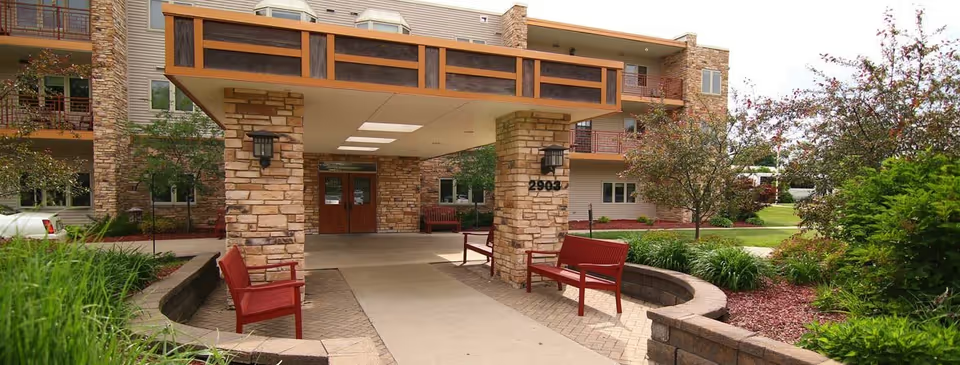
Overall impression: Legacy Pointe is consistently described as a modern, well-maintained assisted-living community with bright, clean interiors and sizable apartments. Common areas and the dining room are frequently characterized as comfortable and homey, and the campus design includes dedicated memory-care space and outdoor-access options that some families valued. Many accounts emphasize the facility’s approachable move-in process, visible on-site management, and neighborhood convenience.
Care and staff: Reviews indicate a generally caring clinical team with staff who know residents and demonstrate frequent, responsive interactions. Nursing staff and some clinical personnel were noted for geriatric experience and continuity of care in many instances. However, there are recurring operational concerns: reliance on agency staff has been linked to variability in training and care continuity, and families have described uneven staff quality. These staffing inconsistencies can affect day-to-day reliability of services and require active management attention.
Dining: Dining is a clear strength for many families. The dining room atmosphere, meal presentation, and menu variety (including fish options and vegetable sides) received positive comments; dining staff are described as attentive, and boxed-meal options are available. At the same time, reviewers also described variability in meal quality and portion sizes, with a few noting portions smaller than expected. Prospective residents should consider tasting meals during a tour and asking about portioning and meal-planning practices.
Activities and social life: The community offers an active engagement program, with crafts, music, outings, religious services, and social activities that many residents enjoy. Reviewers describe a family-like community where neighbors check on one another and ambassadors/welcome committees facilitate social integration. Transportation for medical appointments and an activities director who plans diverse programming are cited as positive operational elements.
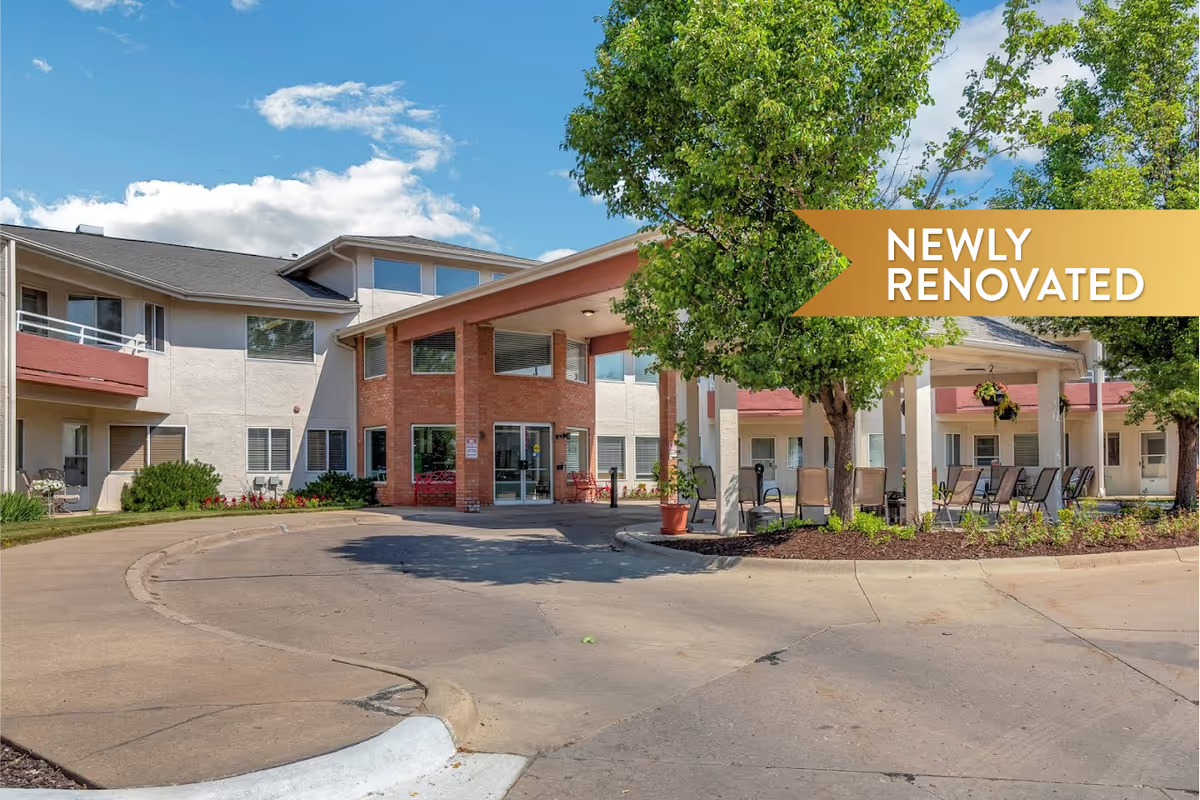
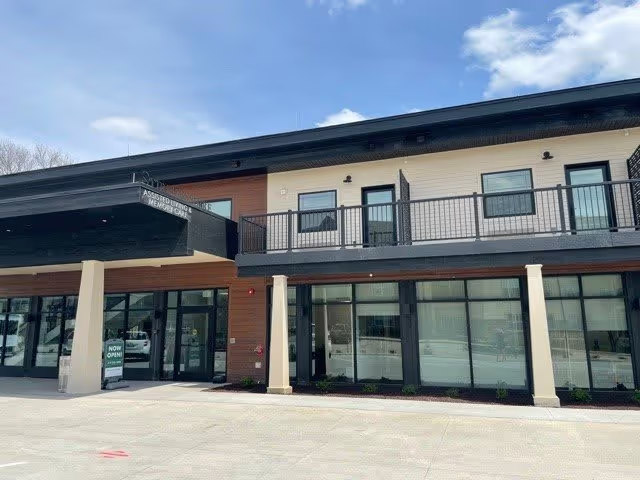
Facilities and amenities: The physical plant is frequently described as spotless, bright, and newly remodeled, with multiple sitting nooks, attractive dining spaces, and larger-than-typical apartments. Some units have desirable views or balcony/outside access. Amenities such as housekeeping, laundry, and on-site clinical presence support daily living. Limitations mentioned include lack of certain personal-care amenities on site (for example, salon services) and variability in unit views depending on floor/placement.
Management and operations: Administrative responsiveness is mixed in the narratives. Many families praised on-site leadership and smooth move-ins, but others reported delays in communication, difficulty getting timely responses to email or phone inquiries, unclear billing statements, and occasional trouble with prescription coordination. A notable pattern of operational instability has been described in the memory-care program, including abrupt unit changes or transfers that affected families; this points to a need for clearer transition policies and advance communication.
Safety and regulatory concerns: Several comments raised security and supervision issues specific to memory care, including weaknesses in resident access controls and room-entry procedures. These reports suggest attention is needed to resident-identification, door-control, and supervision protocols to ensure consistent safety standards across the memory-care unit.
Cost and value: The community is positioned at a premium price point relative to some alternatives; multiple families characterized assisted living as expensive but defensible given apartment size and amenities. Prospective residents should weigh the higher monthly costs against the facility’s cleanliness, programming, dining, and staff strengths, and should verify all fees, pet-deposit policies, and what services are included.
Recommendation and patterns to verify on tour: Legacy Pointe offers many attributes that families value — cleanliness, modern units, an active activities schedule, and an engaged dining program — but also shows operational fault lines around staffing consistency, administrative responsiveness, and memory-care stability. During a visit, ask for current staffing ratios, the use and training standard for agency personnel, memory-care security policies and transition plans, sample menus for portion sizing, examples of billing statements, and how prescription and supply shortages are handled. These checks will help prospective residents and families balance the facility’s strong environmental and social features against the operational risks highlighted in reviews.