Reviewer feedback presents a mixed but informative picture. Many families and visitors highlight consistently compassionate, family-oriented caregiving and frequent praise for individual employees — nurses, CNAs, office staff, and kitchen personnel — who made residents and families feel supported. Several accounts emphasize strong hospice and end-of-life support and described good communication between staff and families during critical moments.
Clinical care elements received both positive and negative notes. Positive observations include attentive nursing, professional physical-therapy/rehabilitation services, and examples of staff going beyond basic duties to comfort residents. However, multiple reviewers raised concerns about uneven staffing and staff being stretched thin; these operational pressures were linked to reduced responsiveness at times. There are also concerns about staff training consistency and conduct that prospective families should consider when evaluating day-to-day care quality.
Dining and therapy were commonly cited as strengths. Meals were often described as tasty and well-prepared, with kitchen staff described as attentive. Physical therapy and rehabilitation services were specifically noted as professional and effective. Facility cleanliness earned repeated positive mention for hallways and resident rooms, contributing to a generally comfortable stay in many accounts.
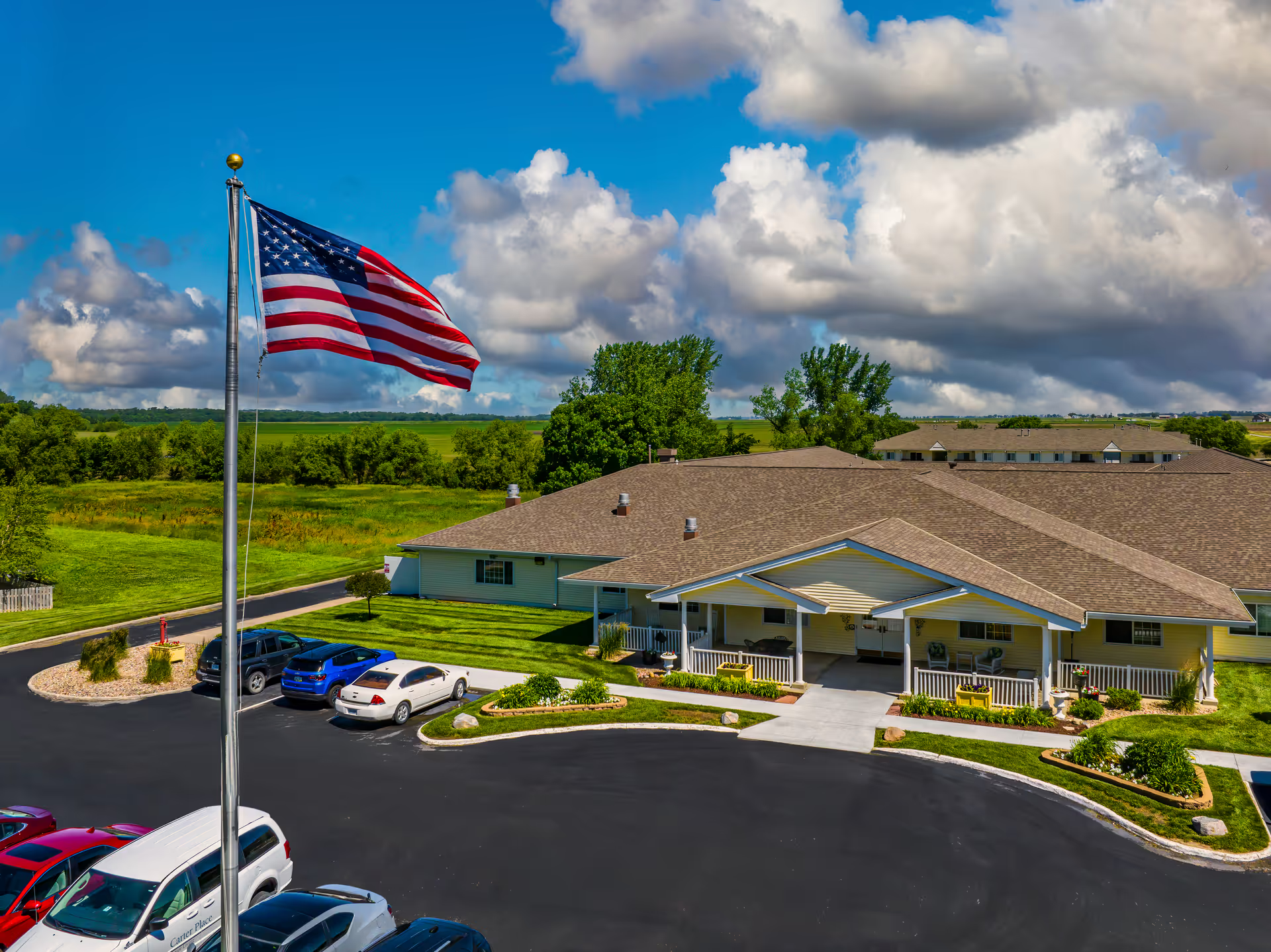
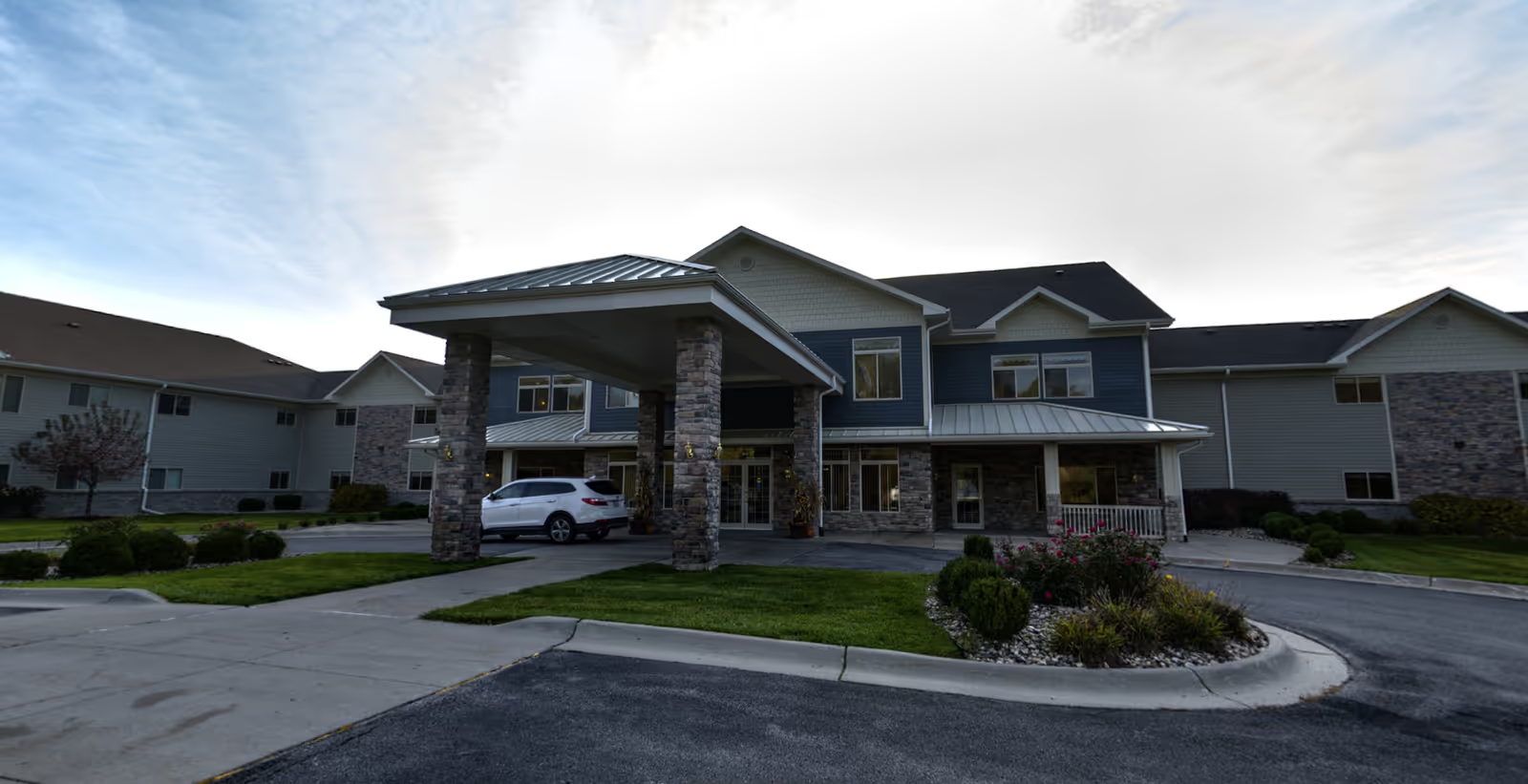
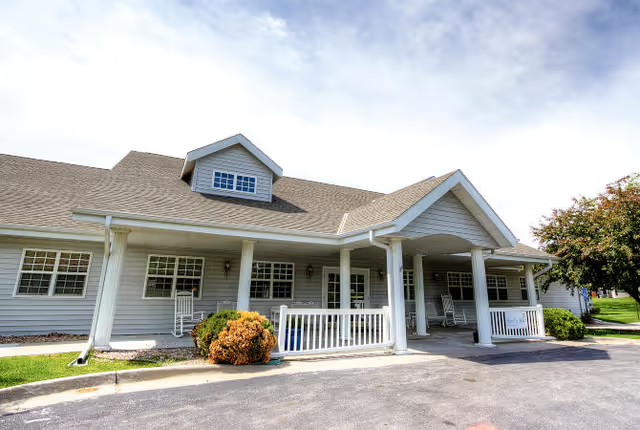
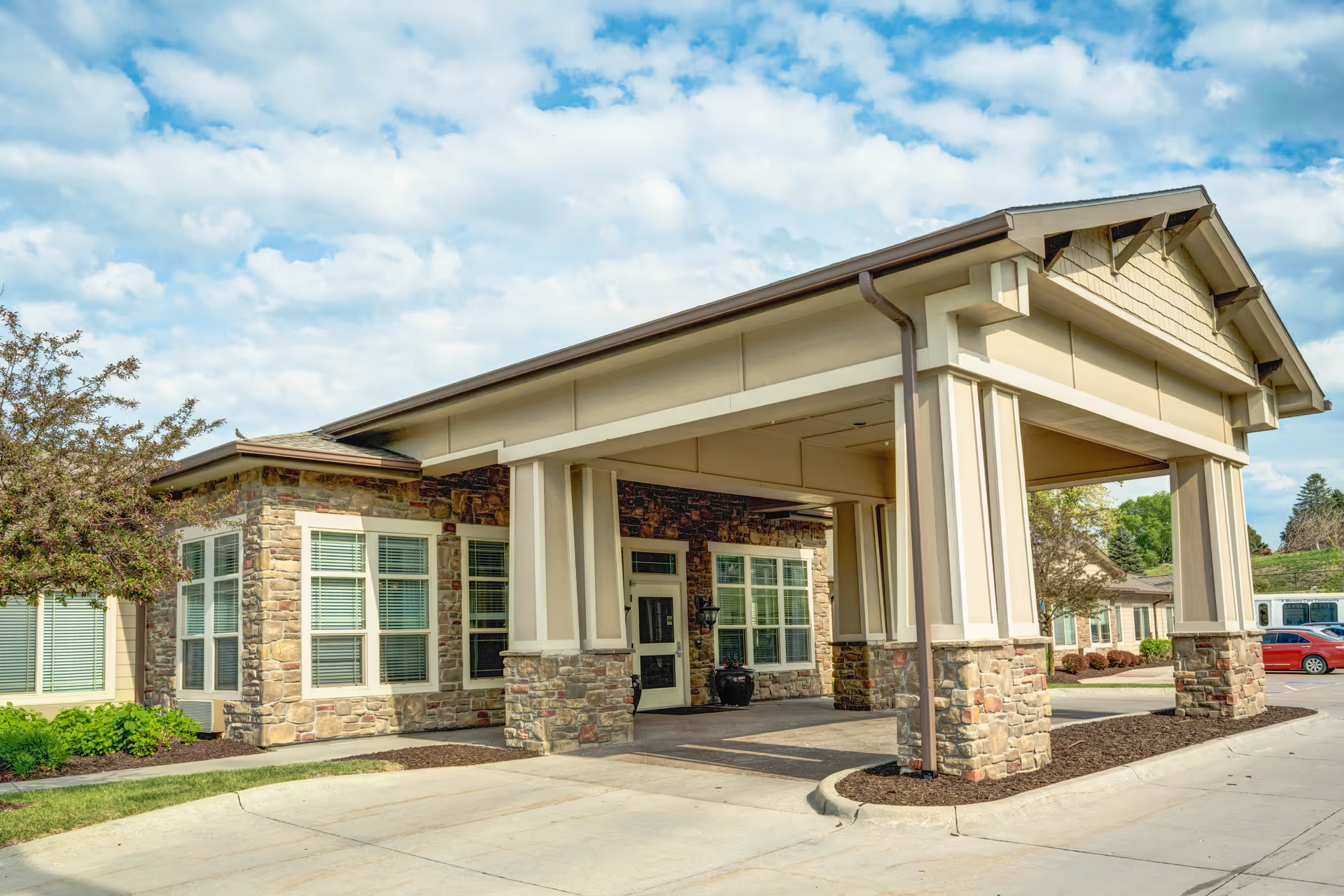
Activity programming and building condition are mixed. Some reviewers described robust on-site activities and happy residents, while others noted underused amenities, few organized activities in particular units, and an older or dated building atmosphere. Rooms with pleasant views and proximity to nurse stations were highlighted as positives, but the facility’s infrastructure may feel dated in places.
Significant operational and safety concerns appeared repeatedly enough to warrant attention. Reviewers cited sanitation and infection-control inconsistencies, instances suggesting gaps in fall-prevention and resident-safety protocols, and perceptions of unstable or ineffective management and leadership. A small number of accounts included serious claims framed as allegations of exploitation; these merit direct inquiry and verification with regulatory or facility sources. Admissions responsiveness and tour scheduling were also mentioned as an area for improvement.
For prospective residents and families: the facility shows many strengths in compassionate caregiving, meal service, and therapy, but operational issues — staffing consistency, training, safety protocols, sanitation practices, and leadership stability — are notable patterns to investigate. Recommended follow-ups include asking about staffing ratios and turnover, fall-prevention and infection-control protocols, CNA training programs, usage schedules for common-area programming, recent inspection or incident records, and any steps management is taking to address the cited concerns.