Overall impression: The available reviews present a mixed picture. Many comments emphasize strong day-to-day caregiving, an active social program, and a clean, welcoming building with a family-like culture. At the same time, at least one detailed, strongly negative account raises serious concerns about management practices, financial interactions, and responsiveness to family concerns. Prospective residents and families will see evidence of both substantive strengths and important operational risks.
Care and staff: The dominant theme in positive comments is the quality of hands-on care. Reviewers highlight compassionate nurses and CNAs, staff who create warm, supportive relationships with residents, and personal attention that leaves family members grateful. Several comments describe residents as happy and comfortable; one frequent descriptor is that staff treat residents like family. These observations suggest consistently respectful staff–resident interactions and a caregiving culture focused on individualized attention.
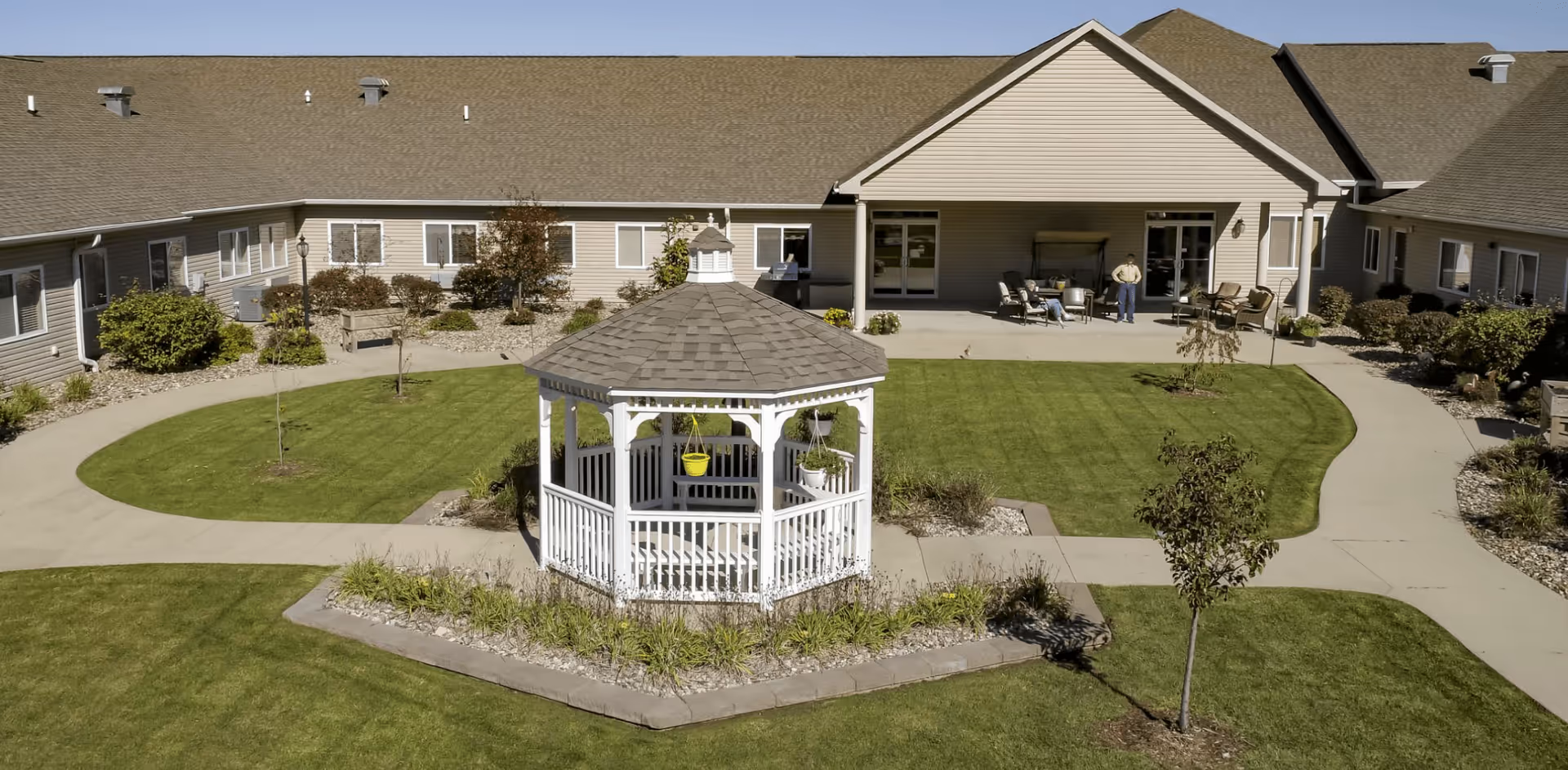
Activities and daily life: The facility appears to offer an active programming calendar. Reviewers mention group activities, outings and trips, frequent events around holidays (including gifts), and services such as hair and nail care. These elements contribute to social engagement and a cheerful atmosphere. Where described, common areas are characterized as bright and well-maintained, and staff-facilitated activities are an identifiable strength.
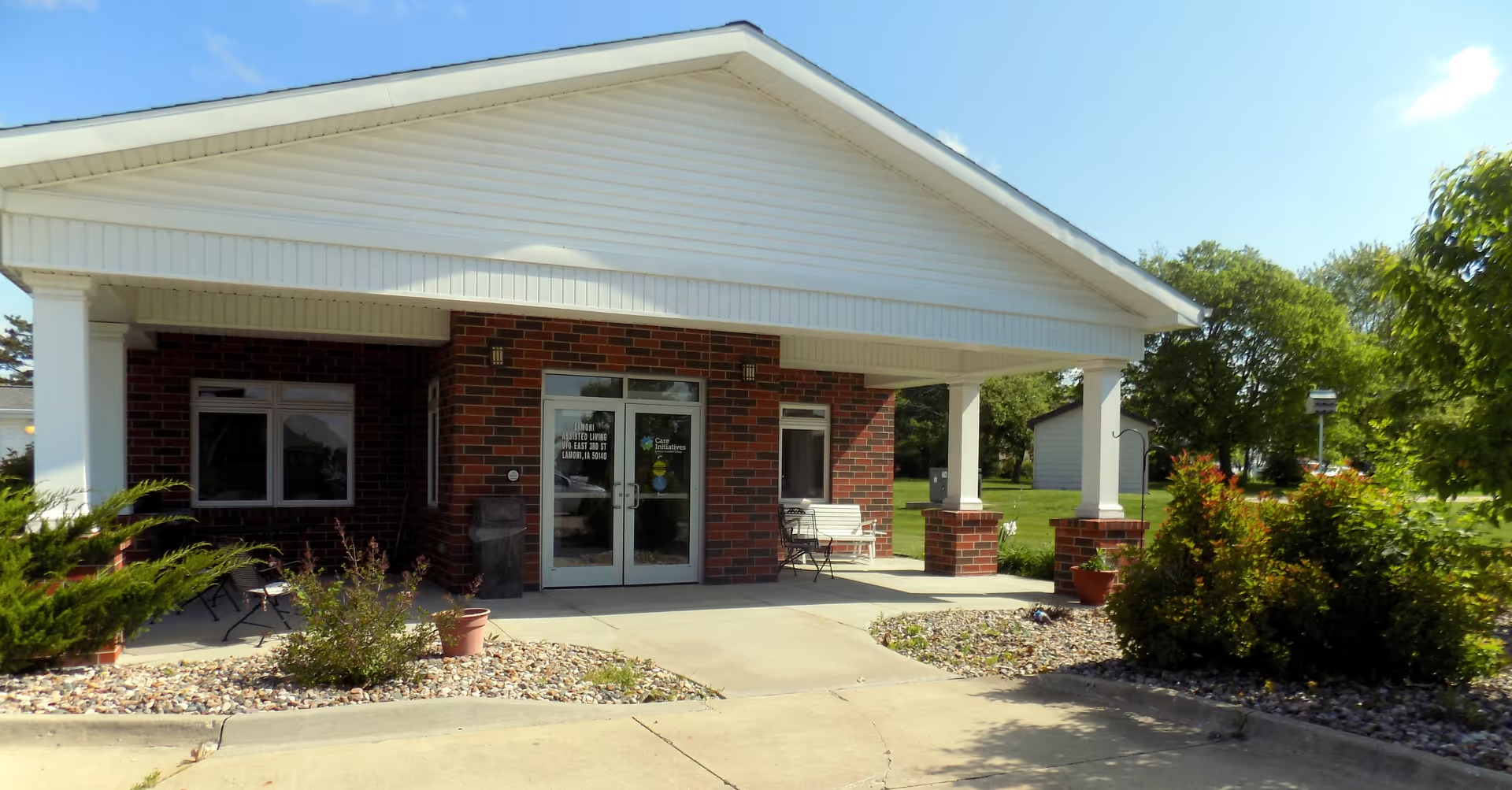
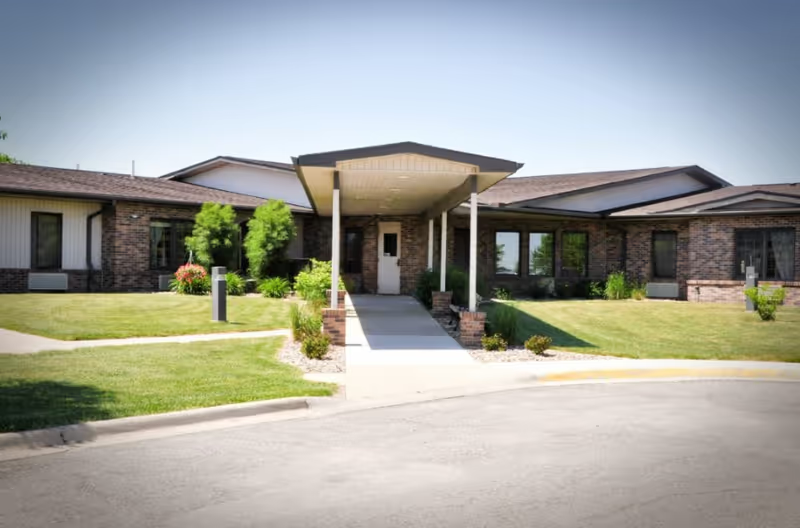
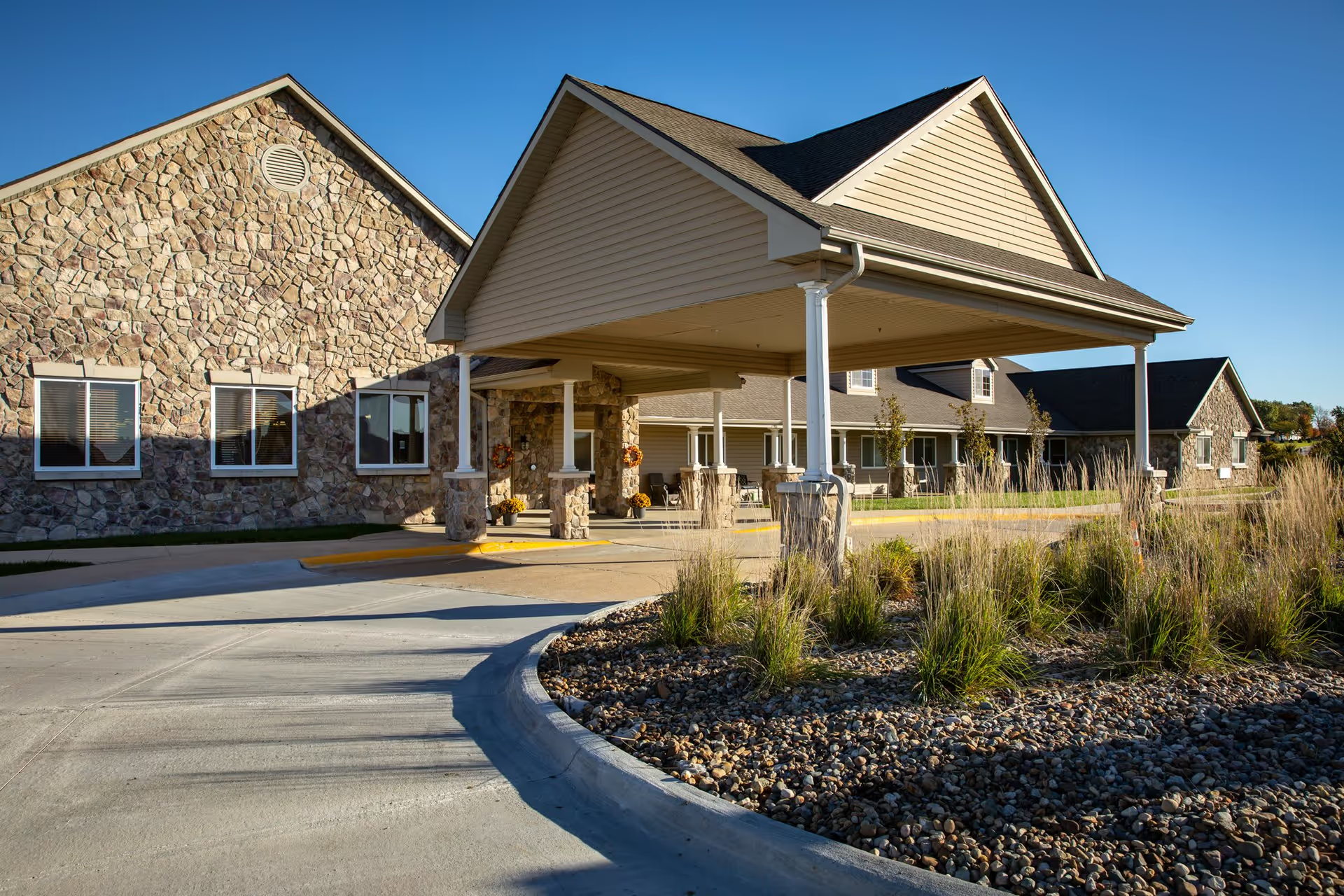
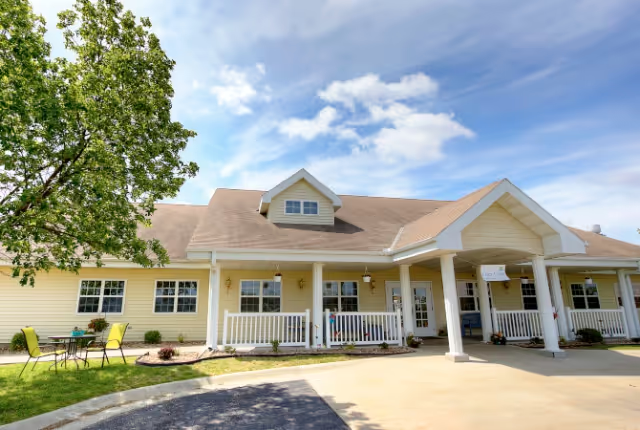
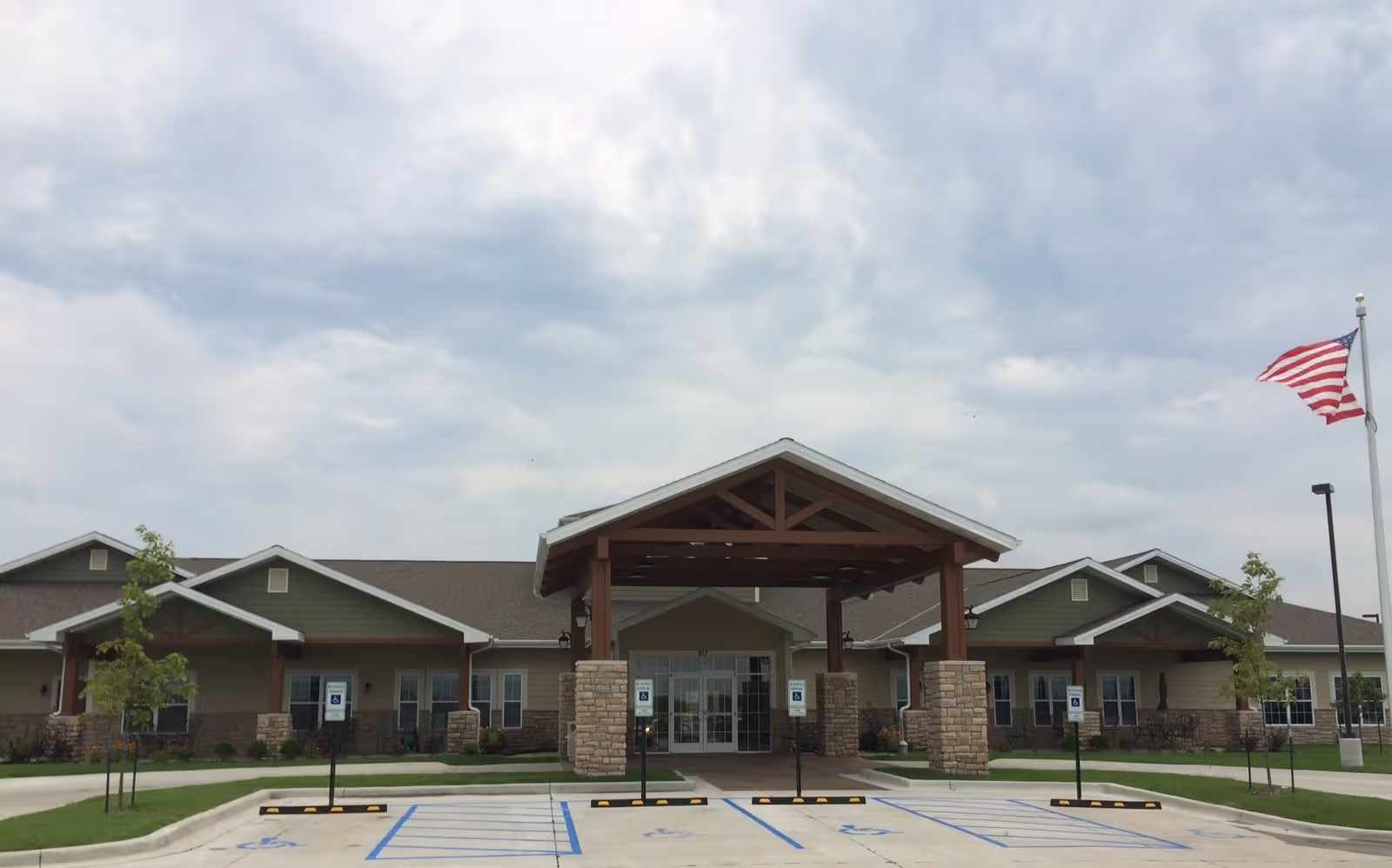
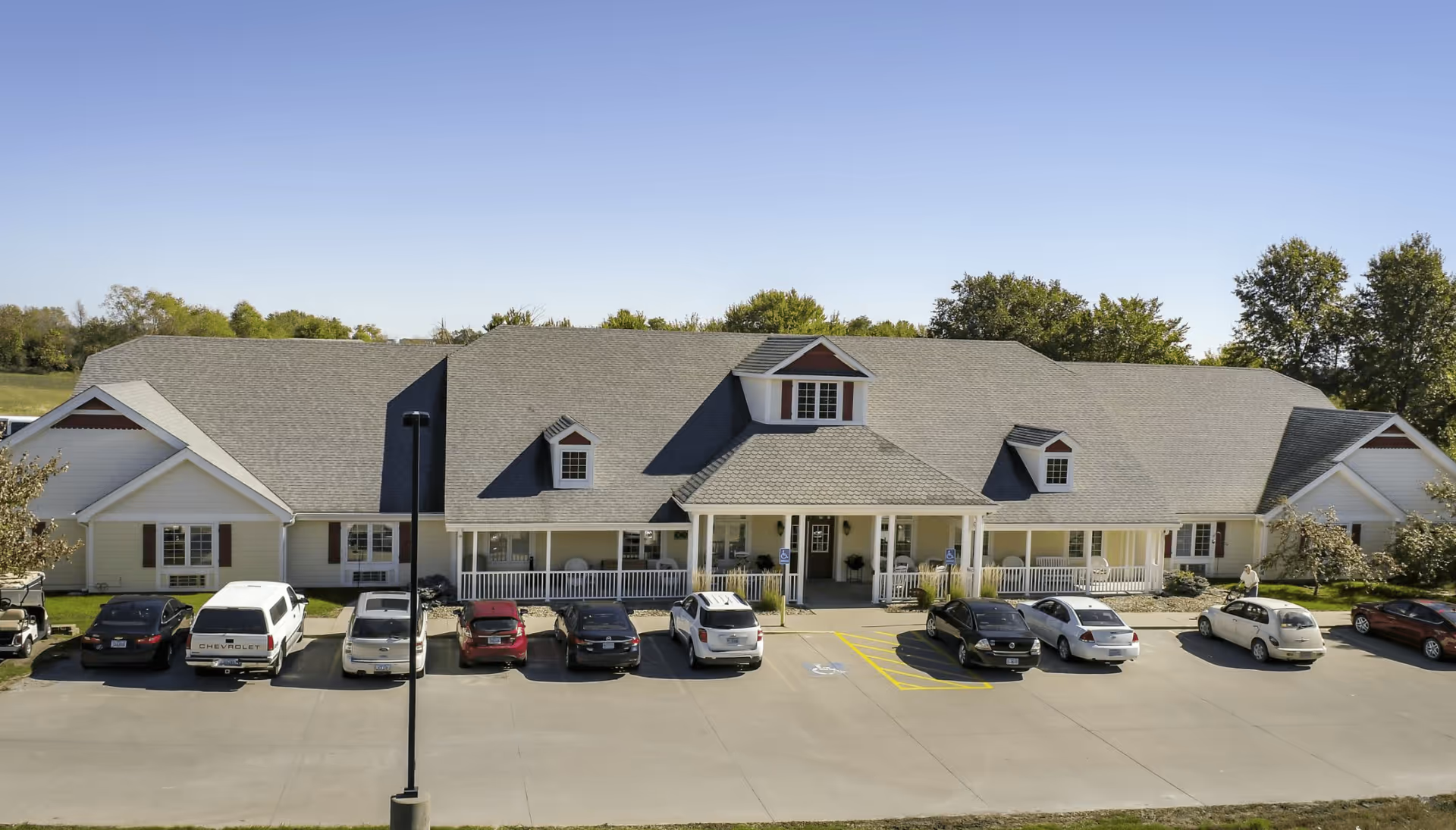
Facilities and environment: Multiple comments describe the interior as clean, cheerful, and well-kept, reinforcing the sense of a comfortable, home-like environment. Personal grooming services and attention to resident appearance are noted positively, which supports impressions of routine personal-care attention and facility-level housekeeping standards.
Management and operational concerns: A contrasting set of concerns centers on management practices, communication, and financial interactions. Themes include perceived lack of accountability, slow or unresponsive communication with families, and worries about billing or financial transparency. One reviewer explicitly described actions they linked to health decline and emotional distress; another alleged suppression of negative feedback. These are serious claims that point toward potential weaknesses in escalation procedures, complaint resolution, and financial-administration oversight. While the majority of comments praise frontline caregivers, the critical account suggests an operational disconnect between direct-care staff and higher-level management or administrative processes.
Dining and clinical continuity: The summaries provided little consistent information about dining quality and mealtime experience. There is limited direct feedback on nutrition or menu variety in these excerpts. However, there are mentions that raise a broader concern about clinical decision-making and continuity of care in at least one account; this indicates families should seek more information about care-planning, medication oversight, and transfer procedures during a tour or inquiry.
Notable patterns and guidance: The prevailing pattern is strong hands-on caregiving, robust activity programming, and a clean, family-like environment, contrasted with at least one serious complaint about management responsiveness and financial interactions. Given that divergence, families should weigh both sets of observations: observe staff–resident interactions in person, ask for written policies on billing and complaint escalation, inquire about recent state inspections or quality-of-care reports, and speak with current resident families about ongoing communication practices. Doing so will help distinguish consistent operational strengths from isolated or systemic management issues.