Reviews for Valley Vista for Nursing and Rehabilitation describe a highly mixed picture: several families express clear satisfaction with therapeutic services, activities, and individual staff members, while other reviewers raise substantive operational and clinical concerns. Positive comments focus on the facility’s dementia program, active engagement opportunities, and the availability of rehabilitation and wound-care services. Critical comments identify recurring themes around medication administration, infection-control practices, responsiveness, cleanliness, and communication.
Care quality appears variable. Strengths cited include an established dementia care team trained to manage behavioral needs, on-site physical therapy, and wound-care interventions that have helped some residents improve or transition home. However, there are consistent concerns about medication-administration reliability and timeliness, delayed clinical responses to resident needs, and gaps in wound and pressure-injury management. Infection-prevention and PPE practices are also mentioned as areas needing improvement. These mixed accounts suggest that clinical consistency across units and shifts is a key issue.
Staffing and professionalism receive polarized feedback. Many reviews praise individual caregivers and activity staff as compassionate, friendly, and attentive; specific staff members are named for exemplary care. At the same time, other reviewers describe delays in staff response, instances of unprofessional conduct or poor communication tone, and inconsistent use of staff identification. Short staffing is referenced as contributing to slower response times and diminished oversight, indicating systemic workforce and training pressures rather than isolated interpersonal issues.
Dining and dietary management show recurring operational shortcomings. Multiple reviews note inconsistent meal temperature and quality and shortcomings in managing dietary restrictions and allergies. These indicate a need for clearer kitchen-to-nursing communication and more reliable meal-delivery procedures to ensure nutritional and safety needs are met.
Activities and social programming are consistently reported as a relative strength. The facility’s activity calendar, which includes group exercise, bingo, Bible study, crafts, monthly celebrations, and outings, is described as engaging and supportive of resident socialization. Reviewers who emphasize the activity program describe noticeable improvements in mood and engagement for their family members.
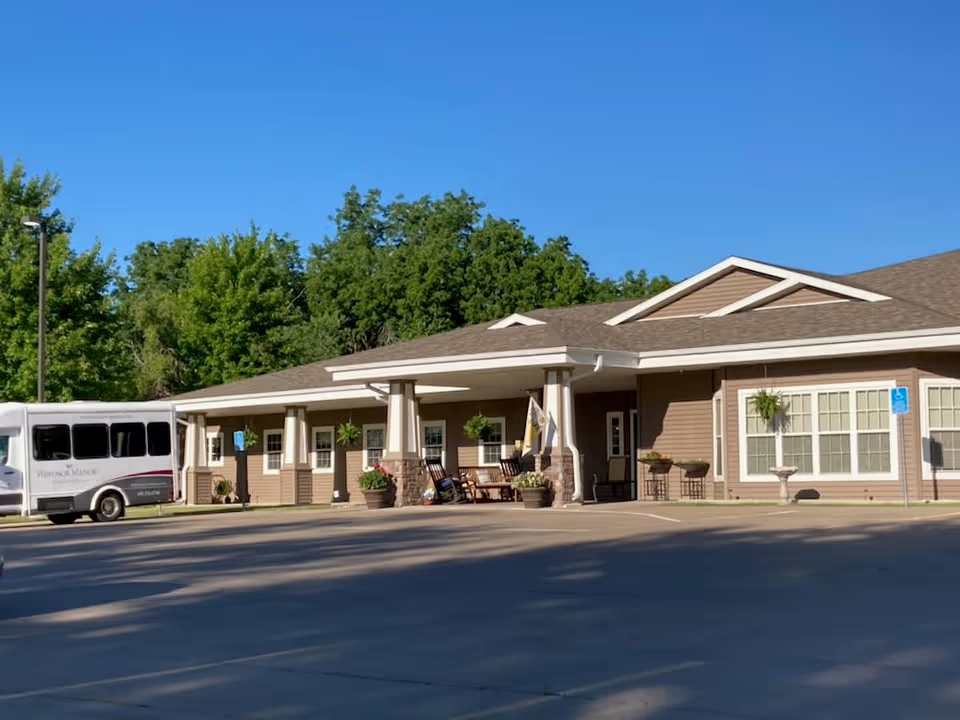
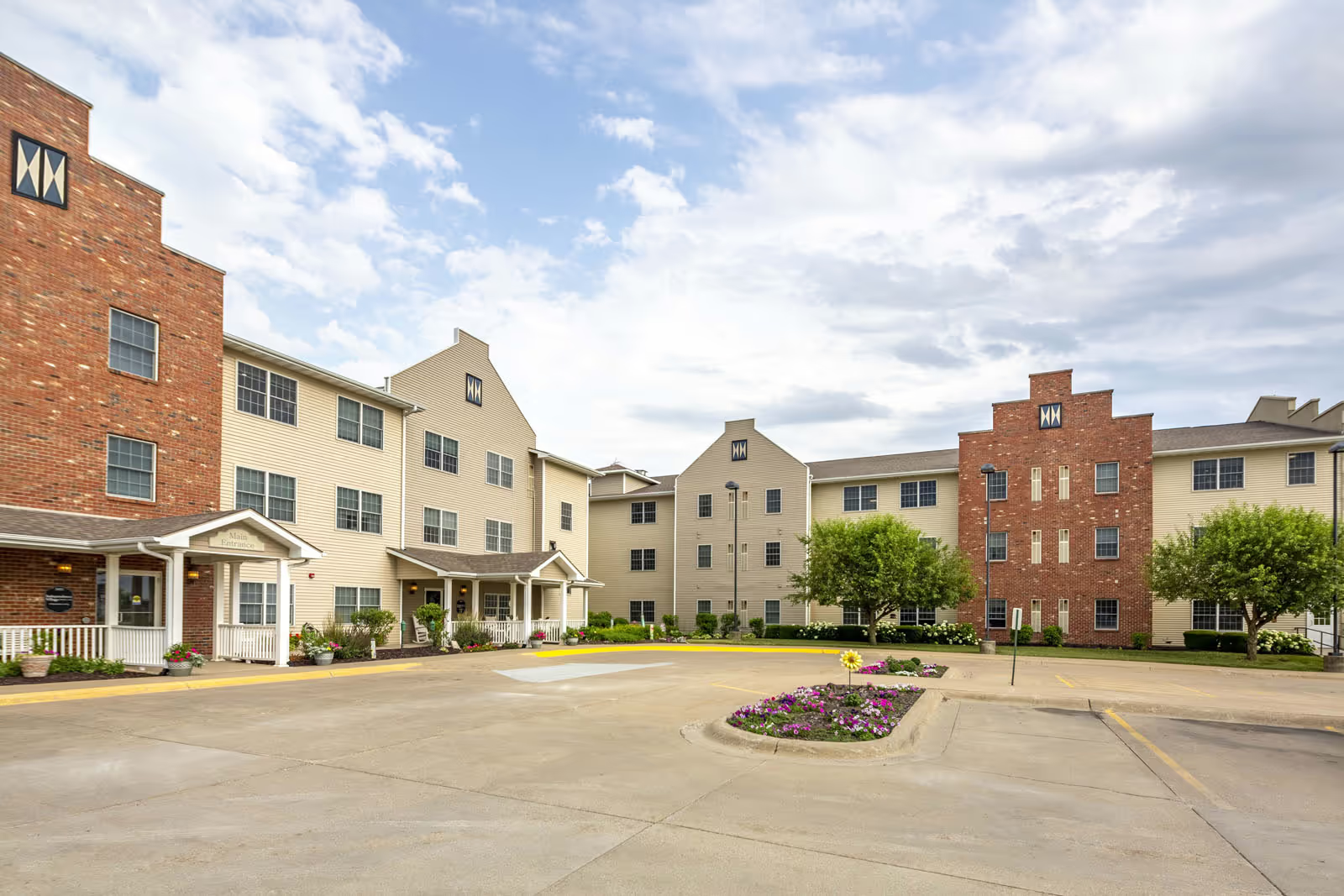
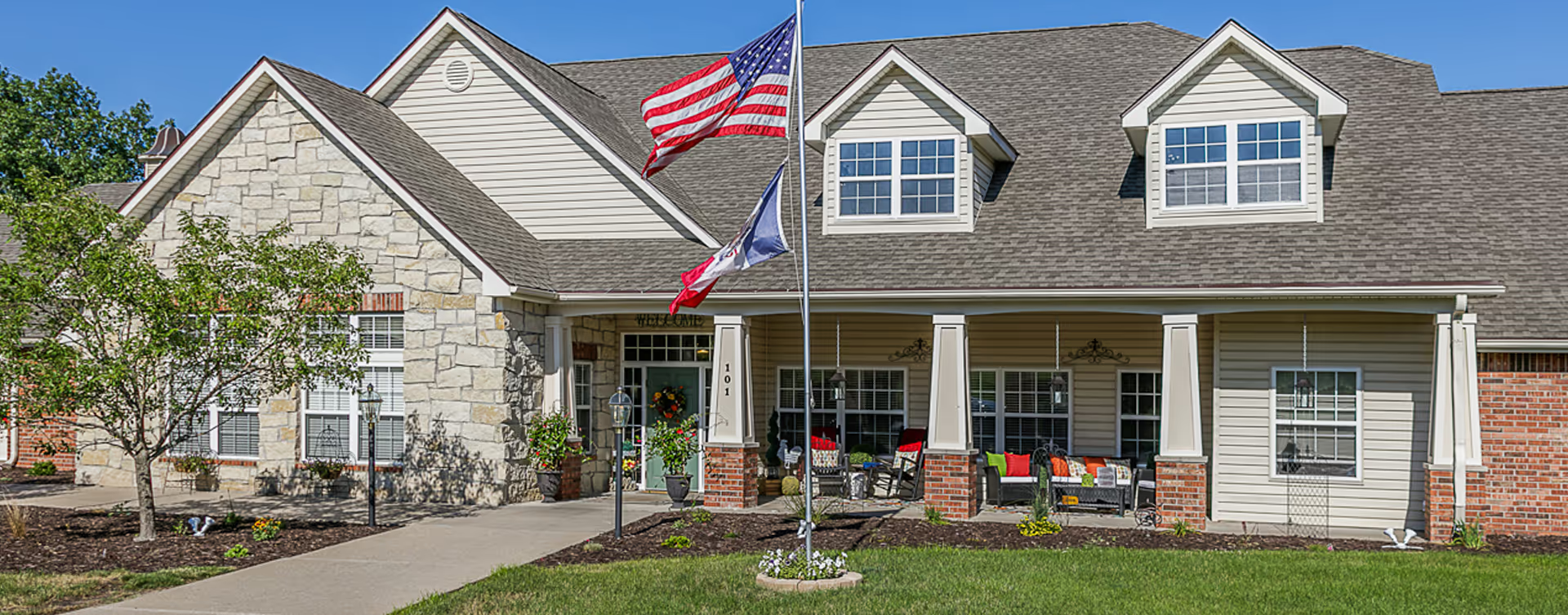
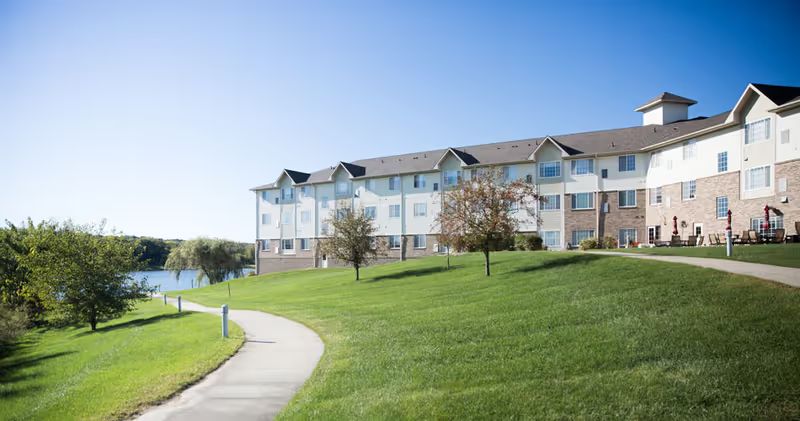
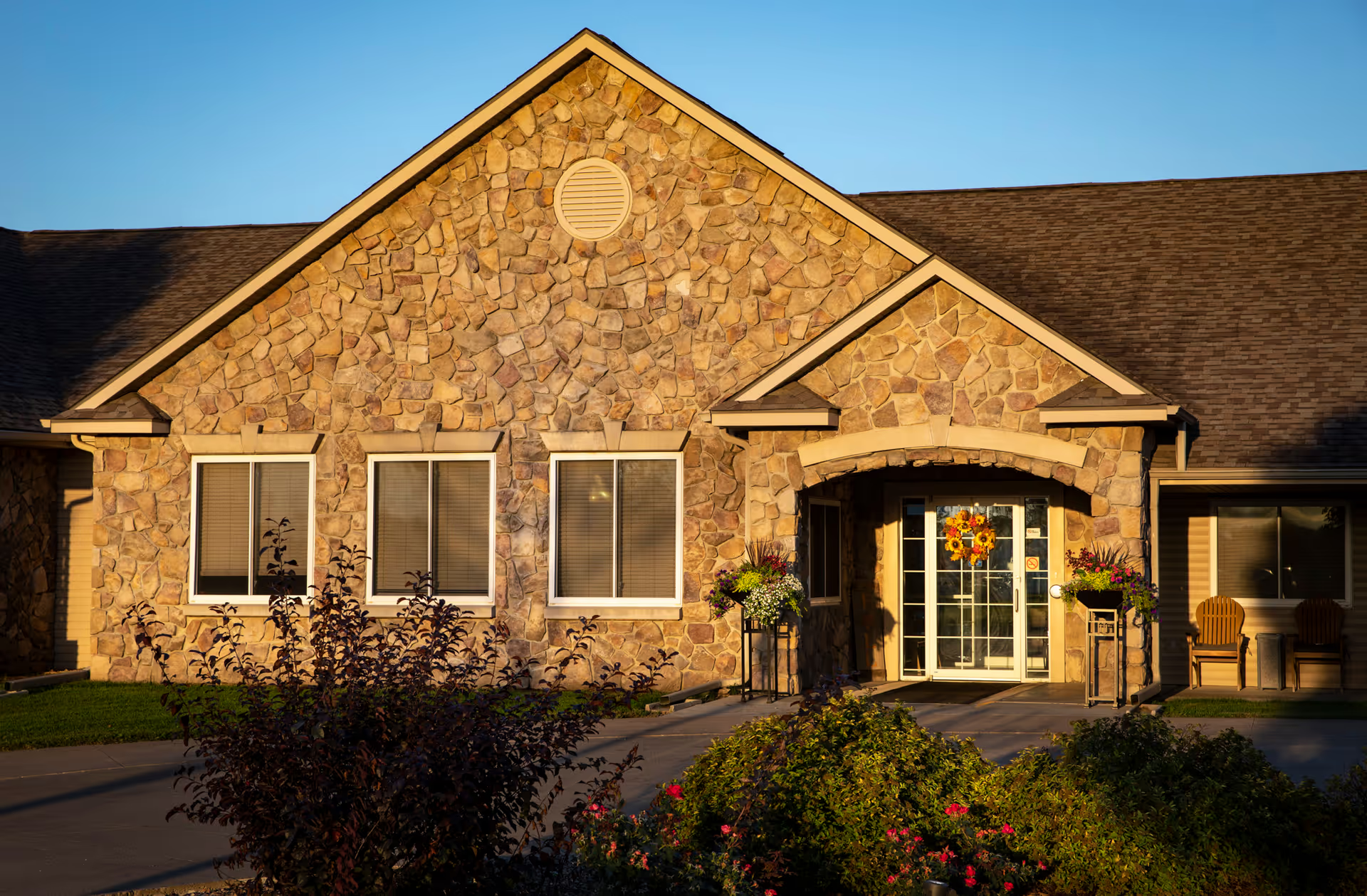
Facility conditions and management practices raise notable concerns. Several reviews cite sanitation and odor concerns in certain rooms and common areas, room-assignment inconsistencies (for example, private-room expectations not matching actual placement), and a perception of inadequate leadership oversight. There are also mentions of legal action and serious allegations; while these are not the predominant theme, they are notable and warrant direct inquiry during any assessment of the facility.
Recommendation for prospective residents and families: weigh the clear strengths in dementia care, activities, and available therapy against the operational risks identified. Before making placement decisions, ask for specific information about medication-administration protocols, infection-prevention measures, staffing ratios and shift coverage, wound- and incontinence-care procedures, dining allergy accommodations, and recent quality- improvement actions. Arrange an in-person visit during day and evening shifts, request current inspection or compliance records, and speak with current family contacts if possible to get a rounded view of day-to-day consistency.