The collected reviews present a consistently positive portrait of The Kindred House as a small, home-like senior care setting with an emphasis on personalized attention and social engagement. Families and visitors repeatedly note that staff deliver compassionate, hands-on care and that the atmosphere feels welcoming and familial. Several accounts describe measurable benefits for residents’ mood and well-being, including improved mental health and increased socialization as residents develop friendships and participate in communal activities.
Staff performance is a central strength across the feedback. Reviewers highlight attentive, personalized care—often naming staff members—and praise employees for going above and beyond, from assisting with grooming to staying engaged during visits. The facility is also described as a positive place to work, which can correlate with continuity of care and familiarity between staff and residents. Management is portrayed as supportive and engaged, and families report a constructive relationship with staff around visitation and day-to-day communication.
Dining and activities receive frequent positive mention. Meals are characterized as thoughtfully planned and palatable for residents, with comments that food quality is high and tailored to resident preferences. Activity programming appears regular and varied: games, social events, coffee and snacks, and opportunities for meaningful interaction feature prominently. Availability of adult day services and overnight respite is noted, which may suit families seeking flexible care options.
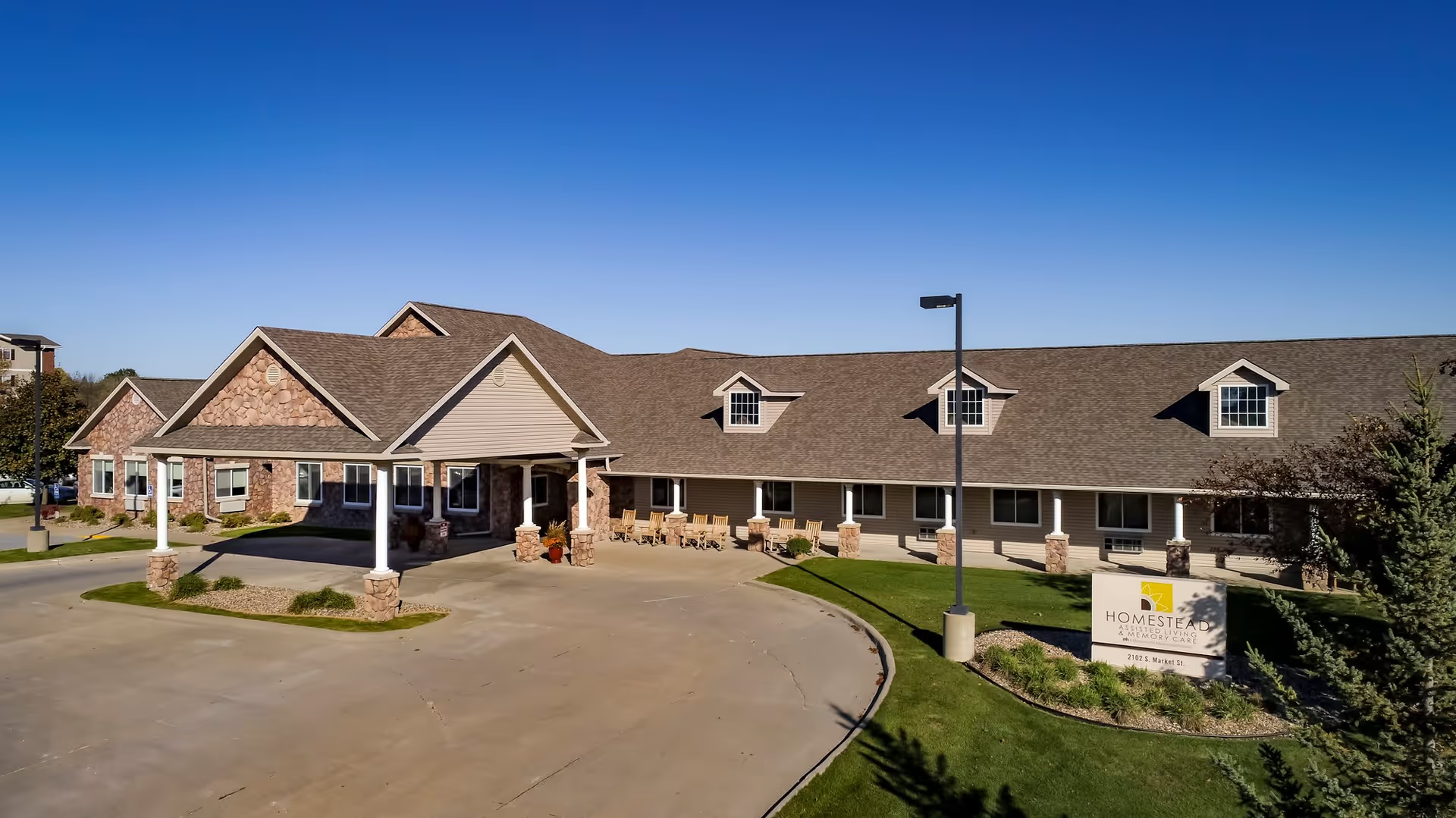
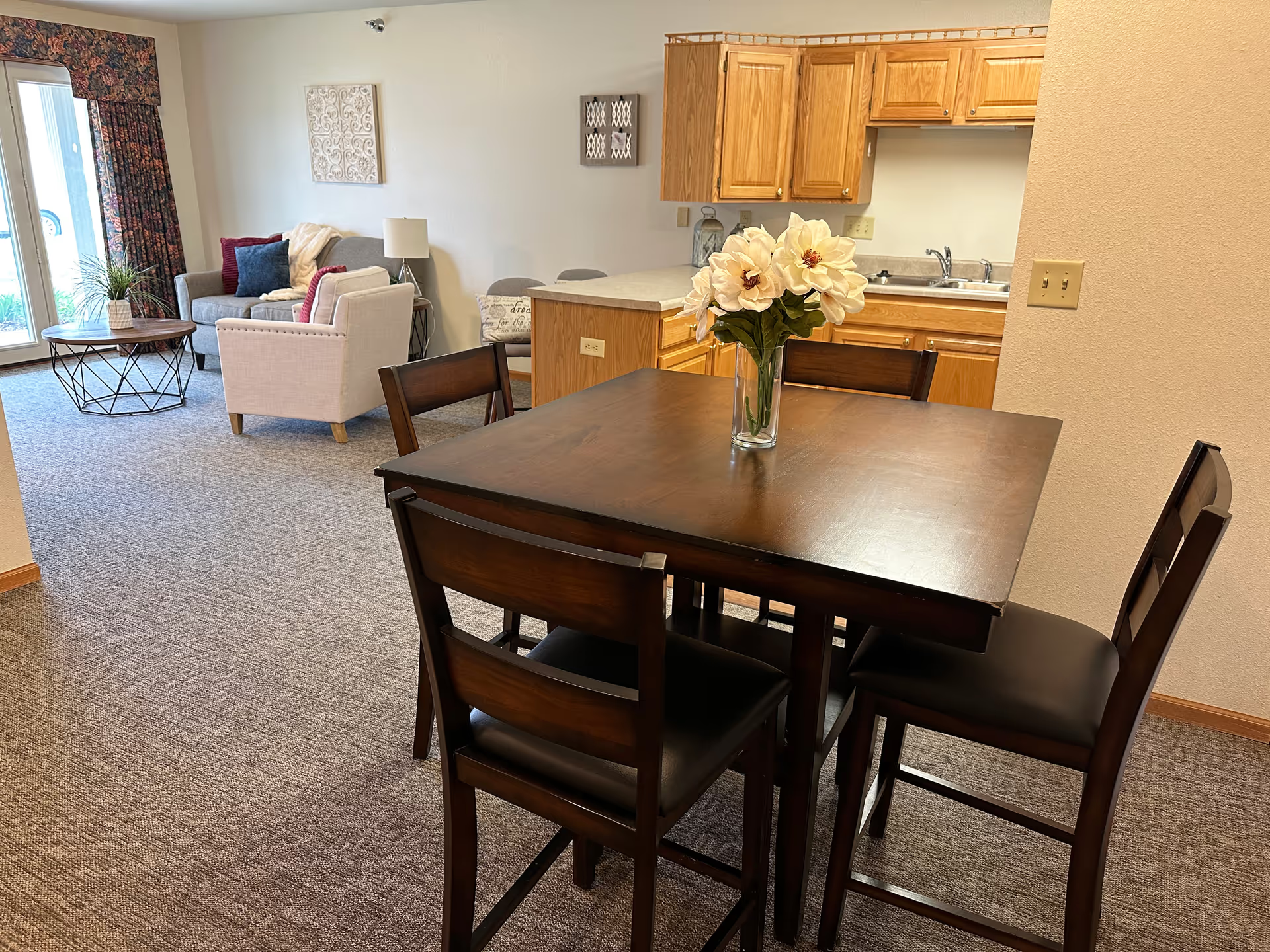
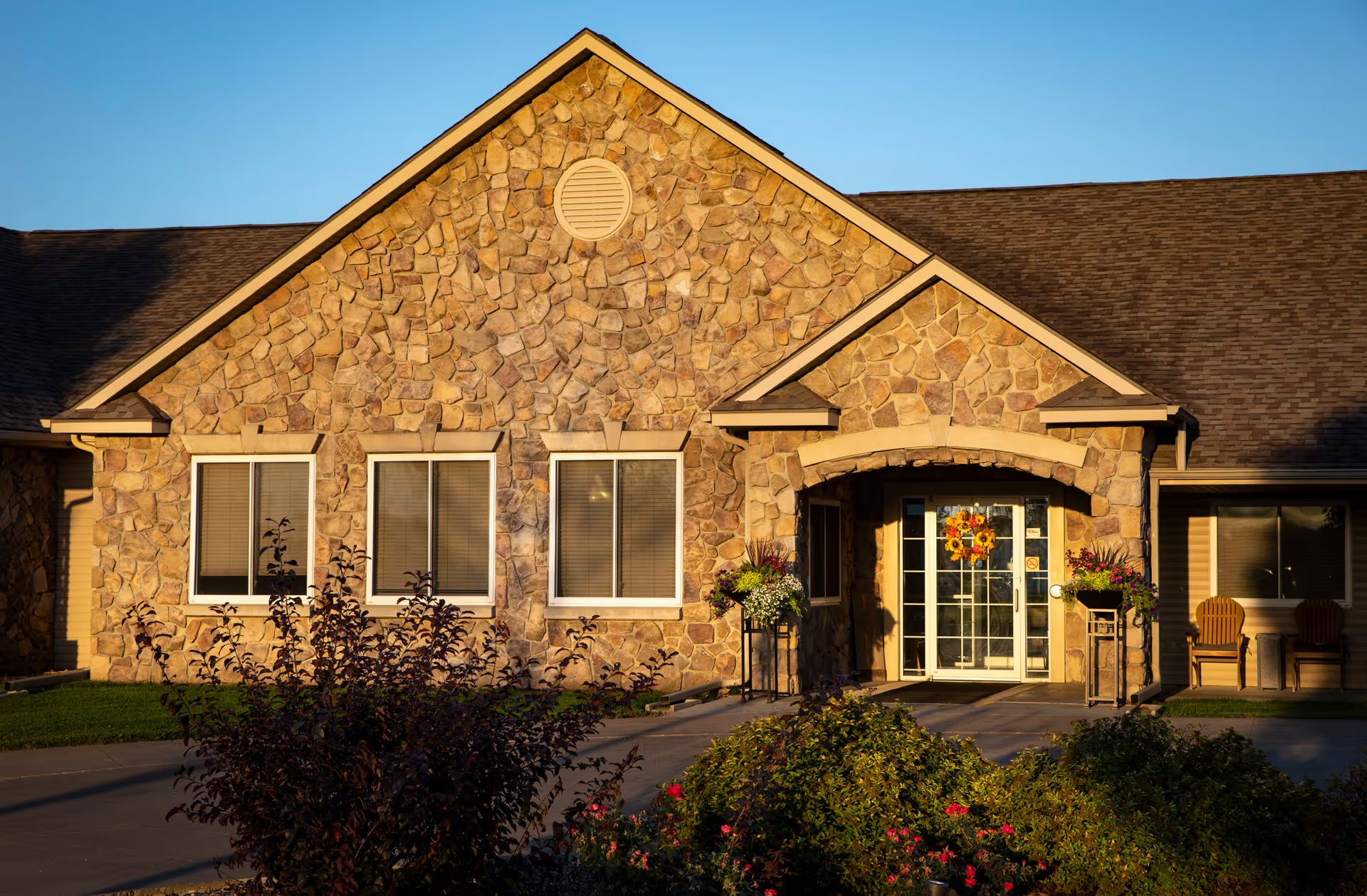
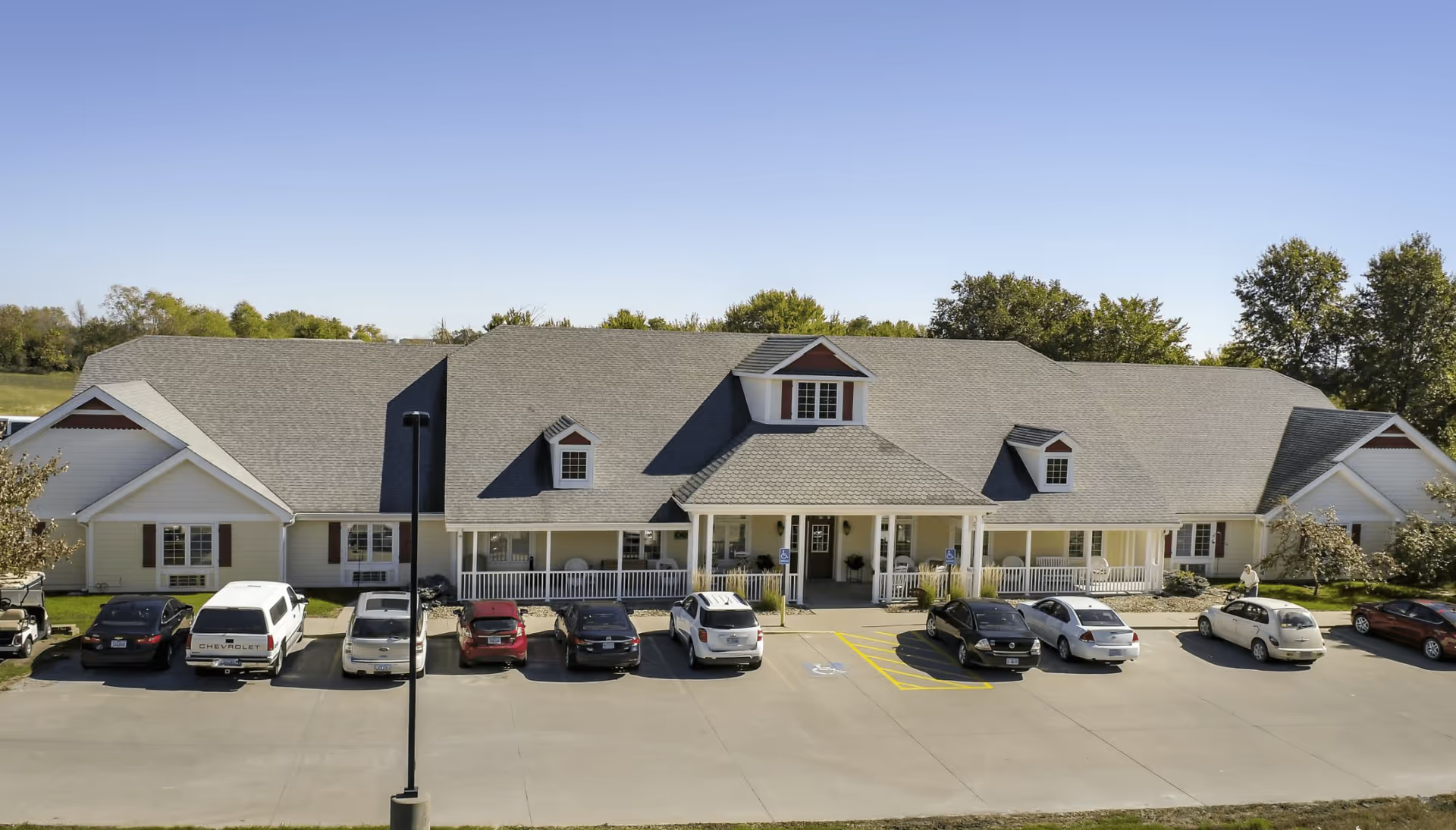
Facilities and environment are described as attractive and home-like, with interior design that contributes to a comfortable setting. Multiple reviewers emphasize the pleasant aesthetic and the sense that the space supports dignity and quality of life. The Ottumwa location is specifically praised, indicating strong local impressions.
While reviews are overwhelmingly favorable, they offer limited detail on several operational aspects that matter to clinical decision-making. There is little discussion of formal clinical staffing levels, nursing coverage, or capacity for managing complex medical conditions; prospective families should verify 24/7 clinical staffing, licensure, and emergency protocols. Similarly, reviewers rarely discuss pricing, contract terms, or financial transparency, so clarification of costs and policies is advisable. Finally, because feedback highlights particular locations and individual staff, there may be variability across sites; an on-site visit and comparison across locations can help assess consistency.
In sum, The Kindred House is presented as a compassionate, activity-oriented, and well-appointed alternative for those seeking supportive day or short-term care in a family-like environment. Families considering placement should prioritize direct questions about clinical staffing, specialized care capabilities, sanitation/infection-control policies, and contract terms to supplement the largely experience-based strengths reported by reviewers.