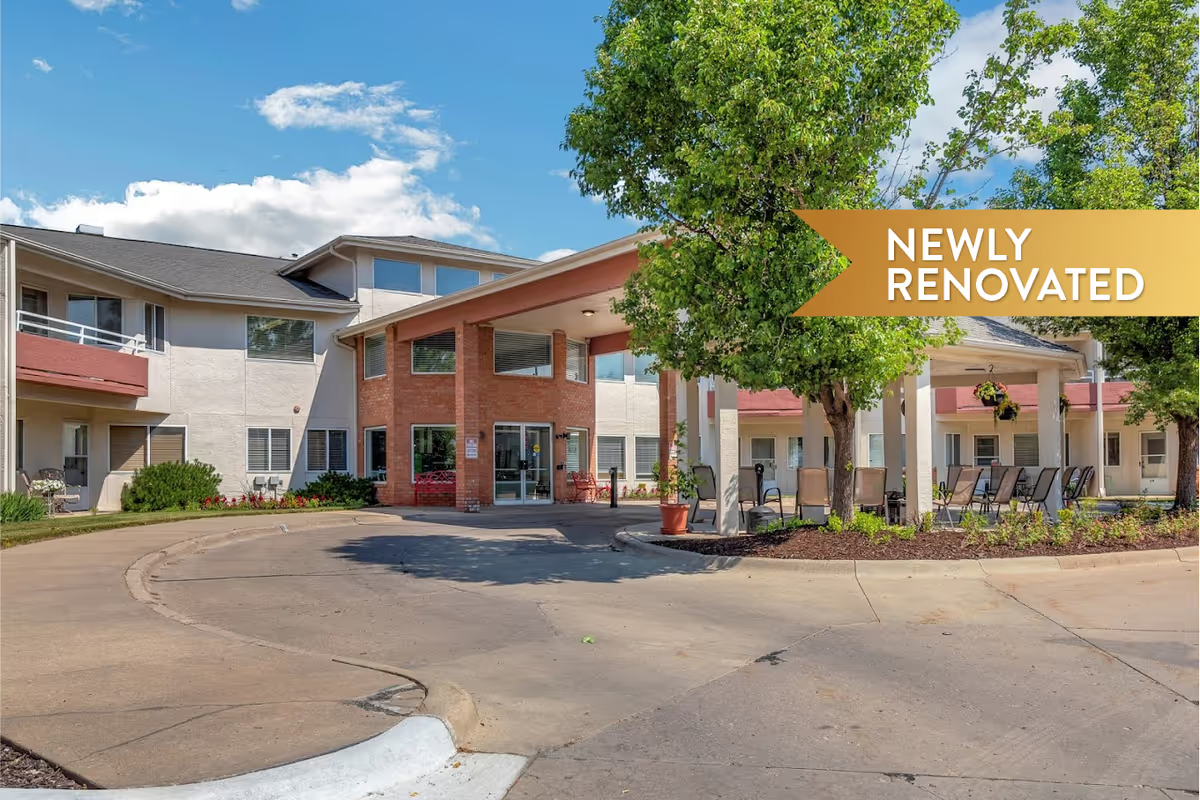
The reviews present a mixed but distinct pattern of strengths and weaknesses. Positive accounts emphasize compassionate nursing, clear communication, and proactive care-planning: families cite attentive nurses who call residents by name, regular meetings to review care, and active diabetes management with insulin monitoring. Several reviewers also highlighted strong rehabilitation services, frequent updates from staff, and specific staff members and administrators who are viewed as knowledgeable and welcoming. Facility upkeep and cleanliness are described positively in many accounts, and the site offers useful amenities such as exercise equipment, a courtyard/garden patio, and music and activity programs that encourage resident participation.
Care quality appears variable. Many families praise the kindness and competence of nursing and caregiving staff, consistent housekeeping, and dietary accommodations. At the same time, other reviews point to operational shortfalls: understaffing and shift-to-shift inconsistency correlate with delays answering call lights and uneven assistance with ADLs (bathing, toileting, feeding). There are also concerns framed around end-of-life care and follow-up communication after serious incidents; these appear to be important drivers of dissatisfaction for some families.
Staff and management are likewise a mixed picture. Multiple reviewers applaud dedicated leadership, attentive reception staff, and individual caregivers who provide compassionate service; these strengths support a sense of trust for many residents and families. Conversely, other accounts describe high staff turnover, occasional unprofessional communication, restrictive or inconsistently applied visitor policies, and concerns about supervision. There are references to personnel changes and specific staff-related complaints that have affected family confidence, suggesting variability in staff conduct and stability over time.
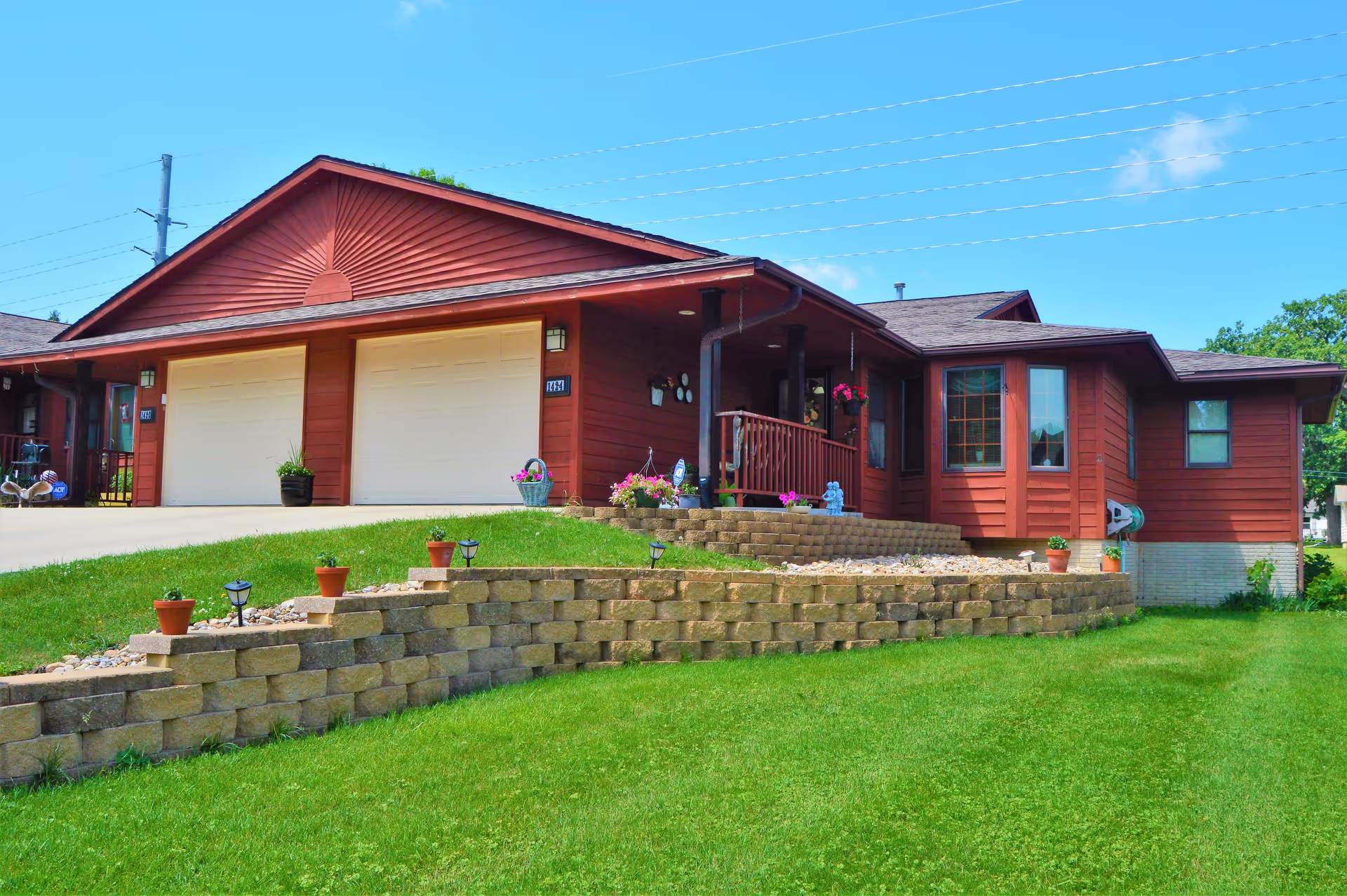
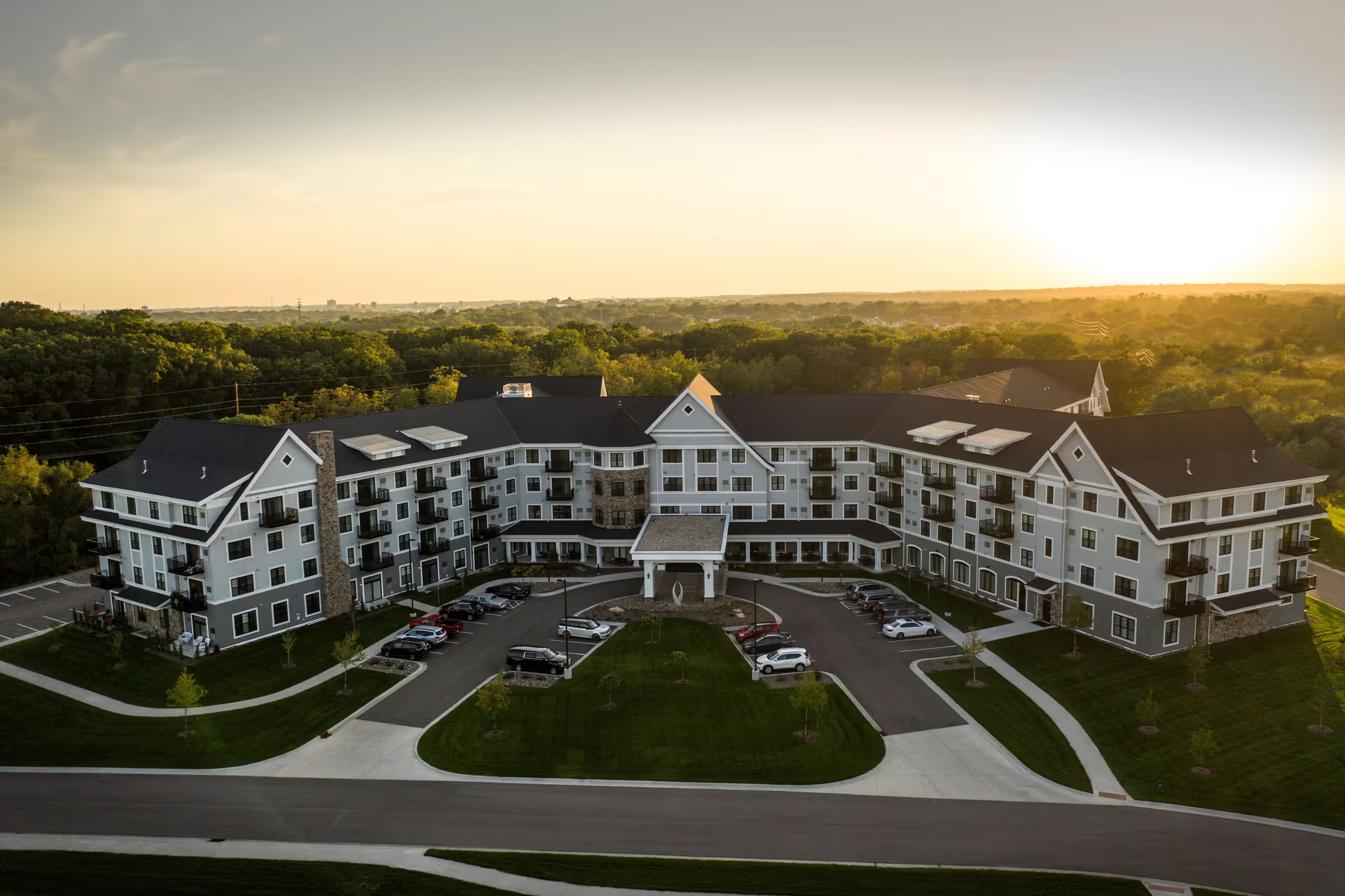
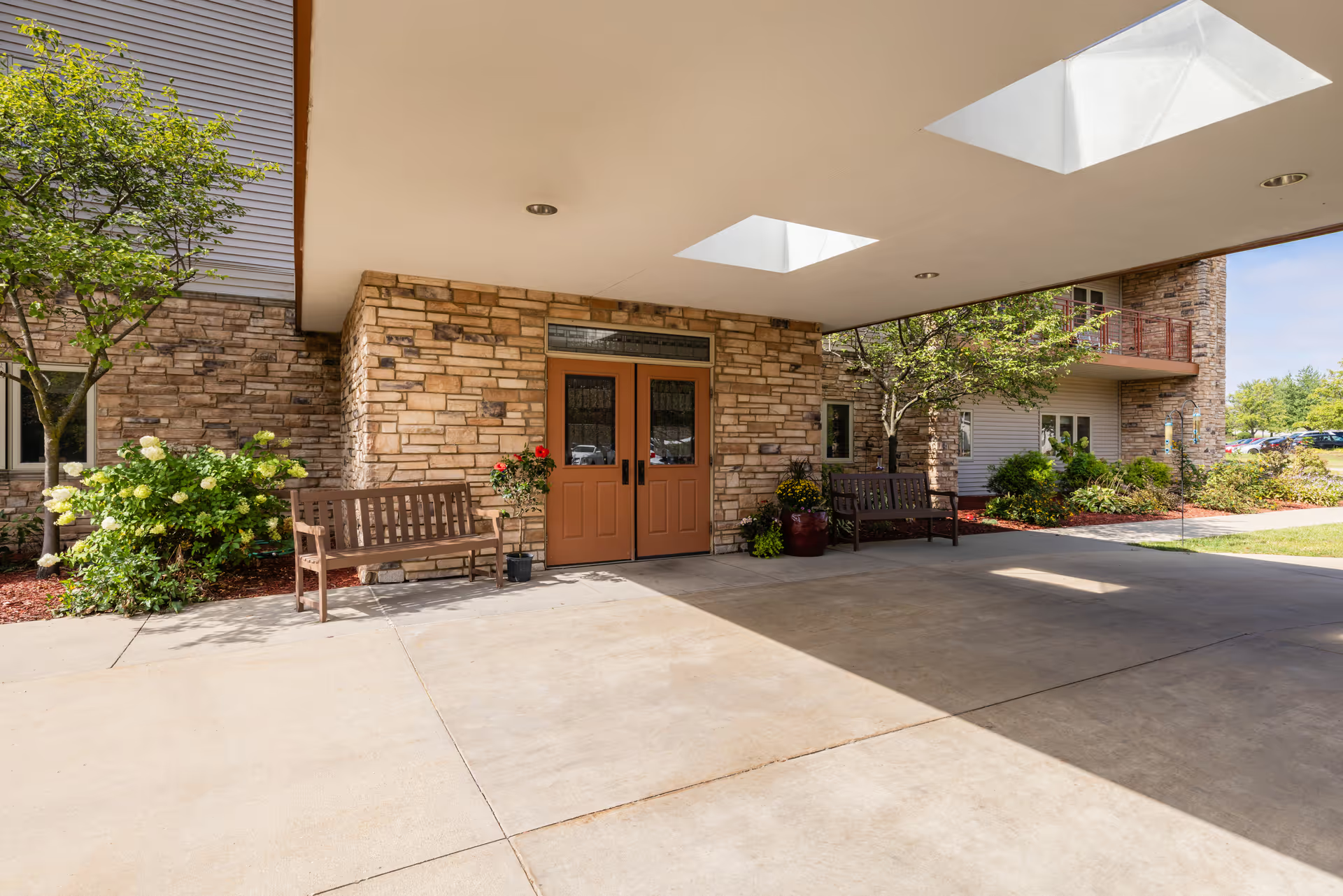
Dining and activities are generally viewed as assets. Several reviewers enjoyed the food and noted the ability to accommodate dietary needs; activity programming, music, and outdoor spaces are commonly mentioned as positive contributors to quality of life. Facility amenities and maintenance are usually described as adequate to good, though room size and privacy are recurring limitations.
Overall, the facility shows clear strengths in individualized caregiving, rehabilitation services, and resident engagement opportunities, supported by some committed administrators and nurses. However, recurring operational concerns — notably inconsistent staffing levels, uneven ADL assistance, response delays, variability in communication and visitor practices, and questions about clinical oversight during serious events — indicate areas where management attention could improve overall reliability and family confidence. Prospective residents and families should weigh these mixed signals, consider in-person visits focused on staffing patterns and room size, and ask about current staffing levels, supervision practices, and visitation policies before deciding.