Overall impression: Reviews of the community present a mixed but clear pattern: many families and visitors strongly praise the direct-care staff, the memory-care programming, the social life and the physical plant; at the same time a recurrent set of operational and management weaknesses is described that can affect day-to-day care reliability. The tenor of feedback ranges from high satisfaction with individualized, engaging dementia care to significant concern about staffing consistency and clinical follow-through.
Care and staff: The facility receives frequent praise for compassionate, welcoming CNAs and nursing staff who know residents by name and provide individualized attention. Several accounts highlight strong dementia-focused approaches (SPARK/Montessori-based programming), creative activities staff, and nurses or health-services leaders who are warm and engaged. Counterbalancing these positives are recurring concerns about workforce stability: high turnover, short staffing at night and during busy periods, and uneven performance among staff. Observable consequences described include delayed responses to call lights, delayed assistance with personal care, and variability in staff tone and communication. There are also comments about fear of retaliation among staff and inconsistent completion of incident documentation, which suggest cultural and reporting-process issues that affect clinical reliability.
Dining and nutrition: Many reviewers describe ample portions, regular snacks, and an emphasis on hydration. At the same time, multiple observers mention inconsistent meal quality — food described as under-seasoned or starch-heavy in places, and variability in meal choices. Visual-menu plates and attention to calorie targets are noted, but some families perceived a lack of variety or insufficient attention to individualized nutritional changes (e.g., unplanned weight loss for some residents).
Activities and social programming: Activity programming and social engagement are consistently cited as strengths. Families report a robust calendar of events, group exercise, crafts, outings, and memory-care–appropriate activities that help residents engage. The social director and activity staff receive repeated positive mention for creativity and resident-oriented programming. This area is one of the clearer, commonly affirmed strengths across reviews.
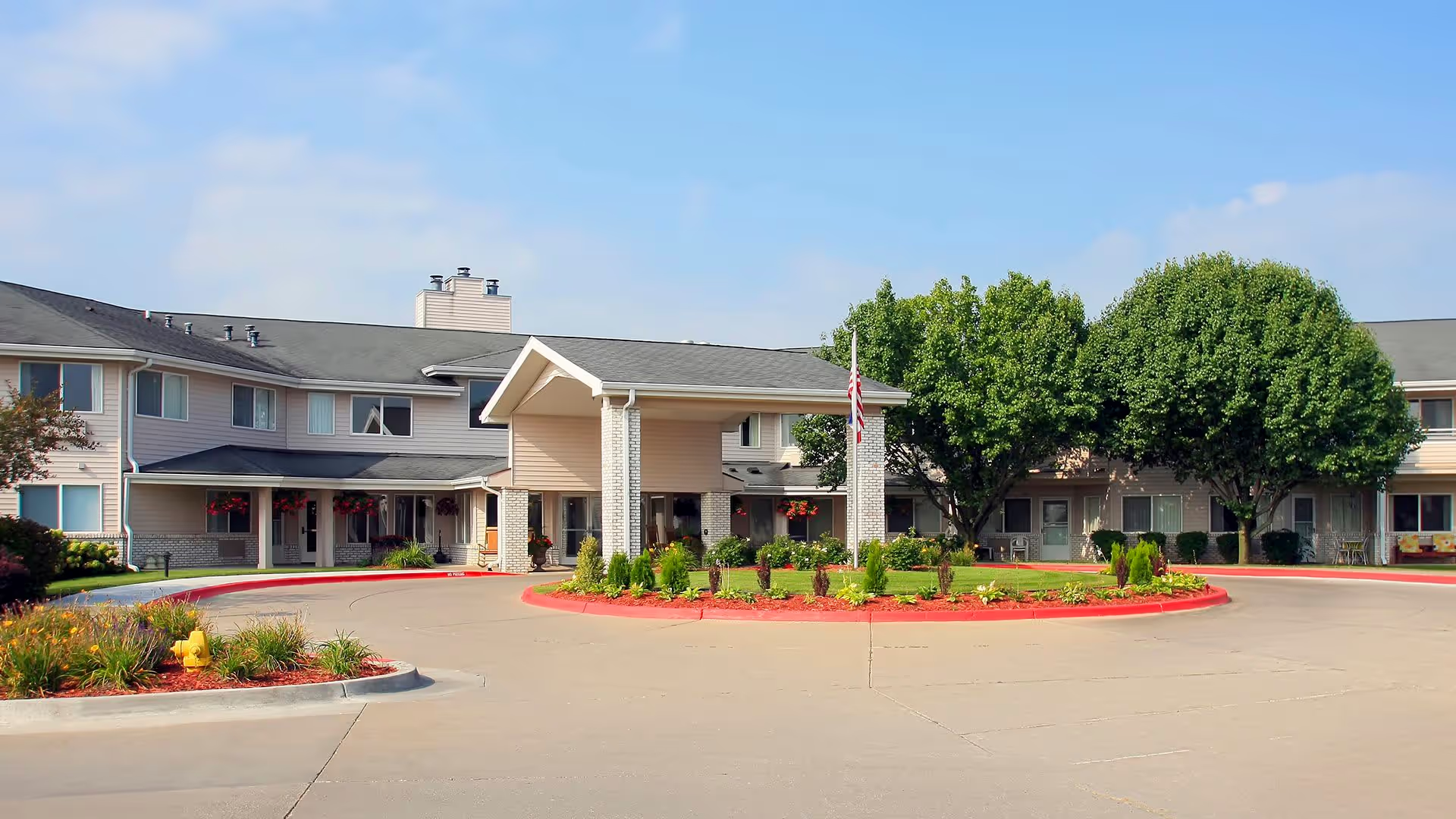
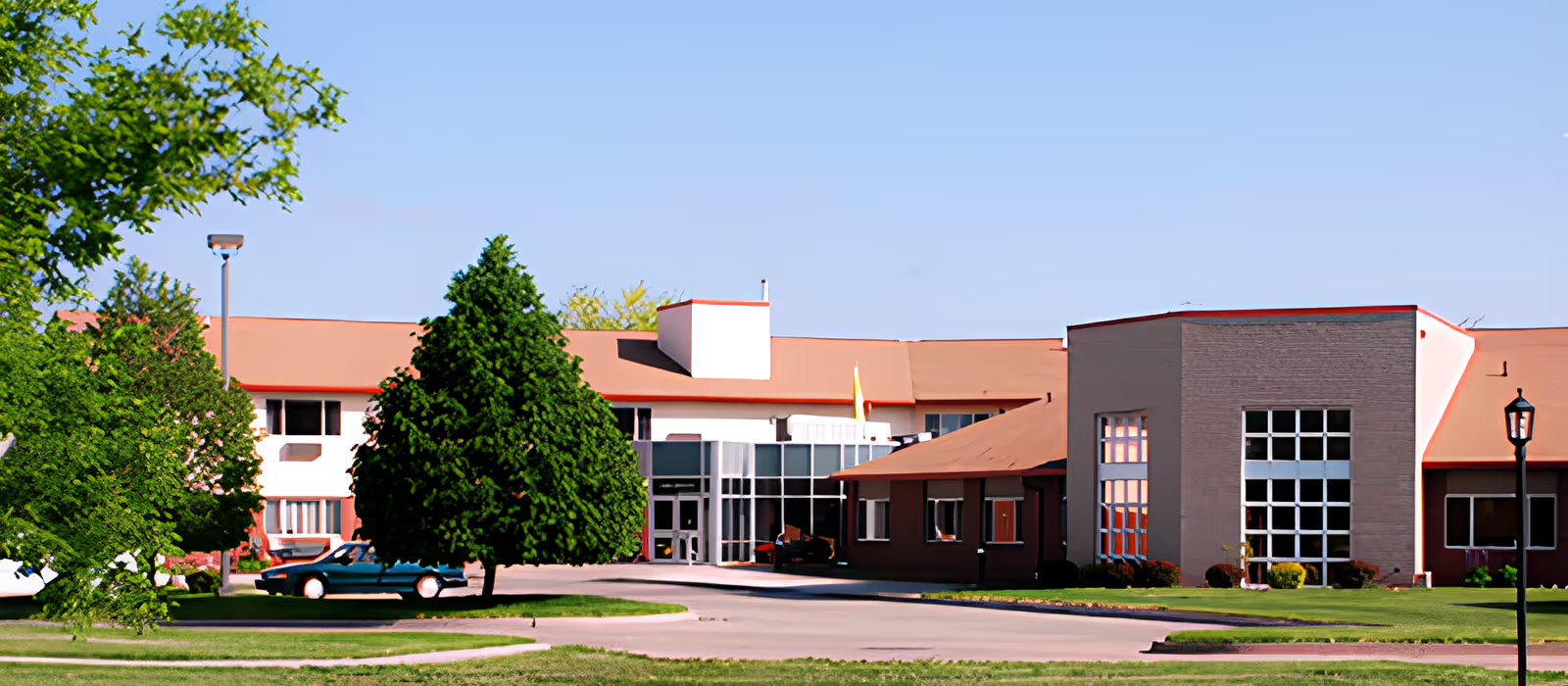
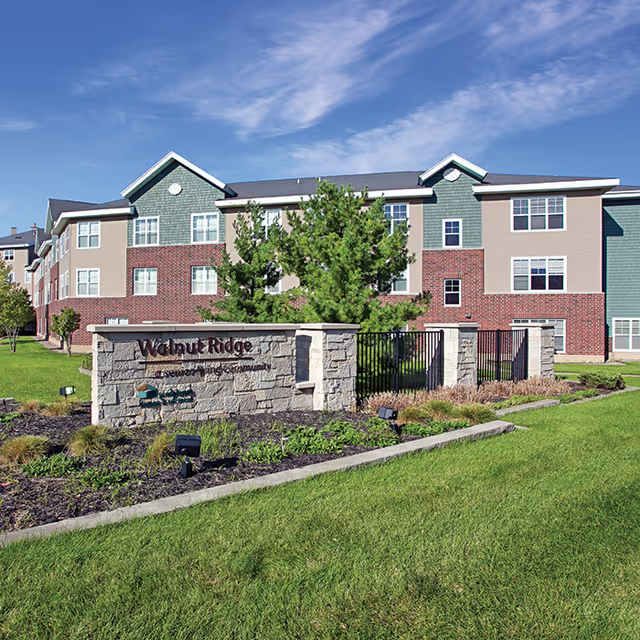
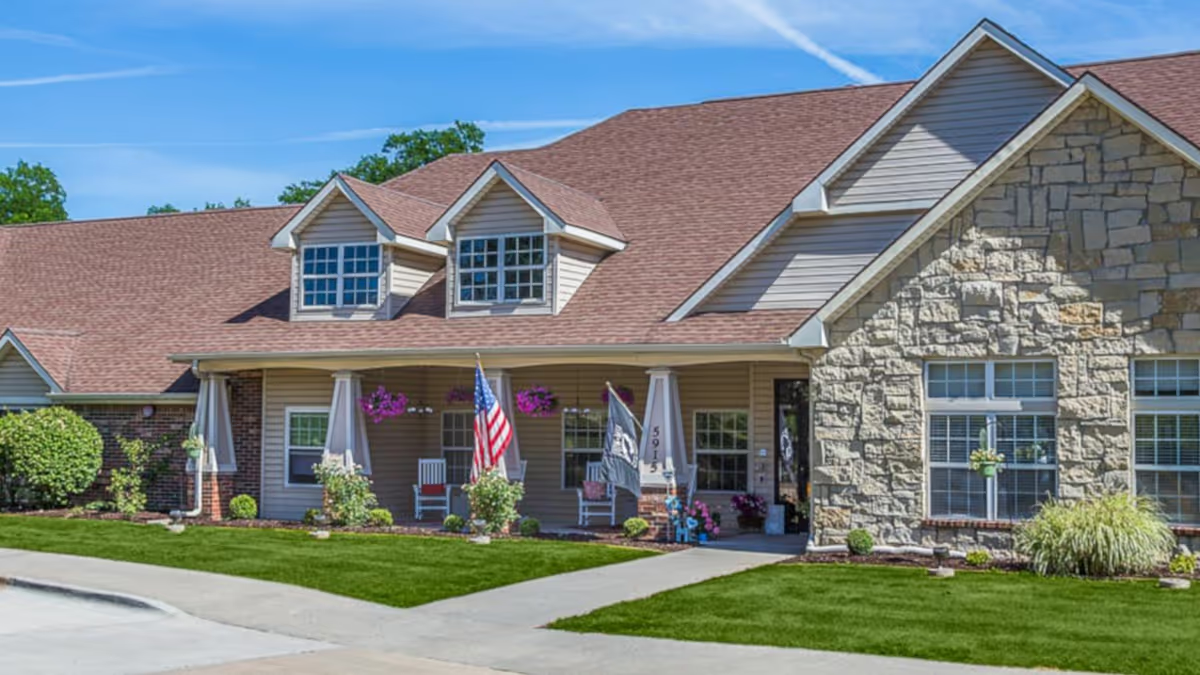
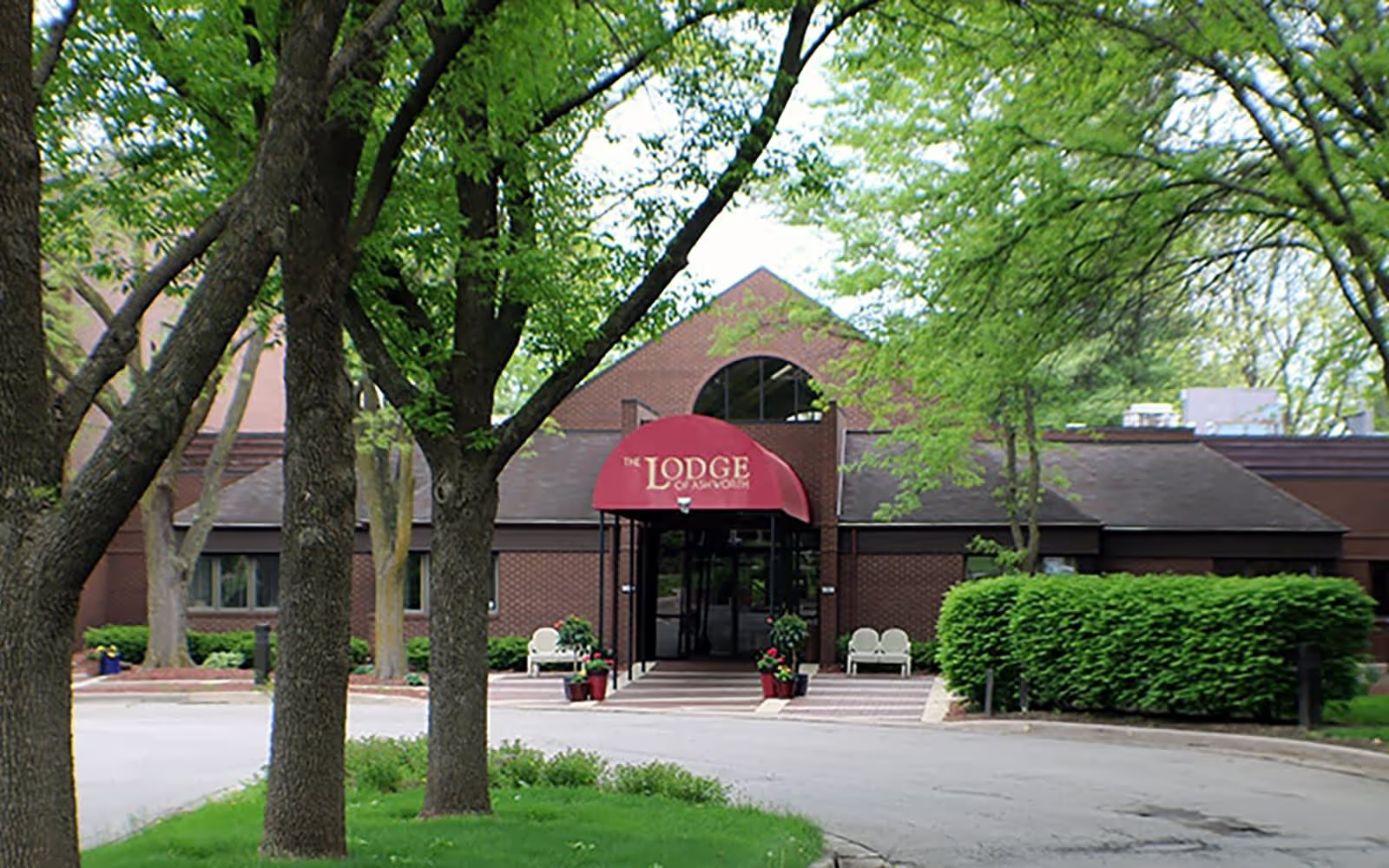
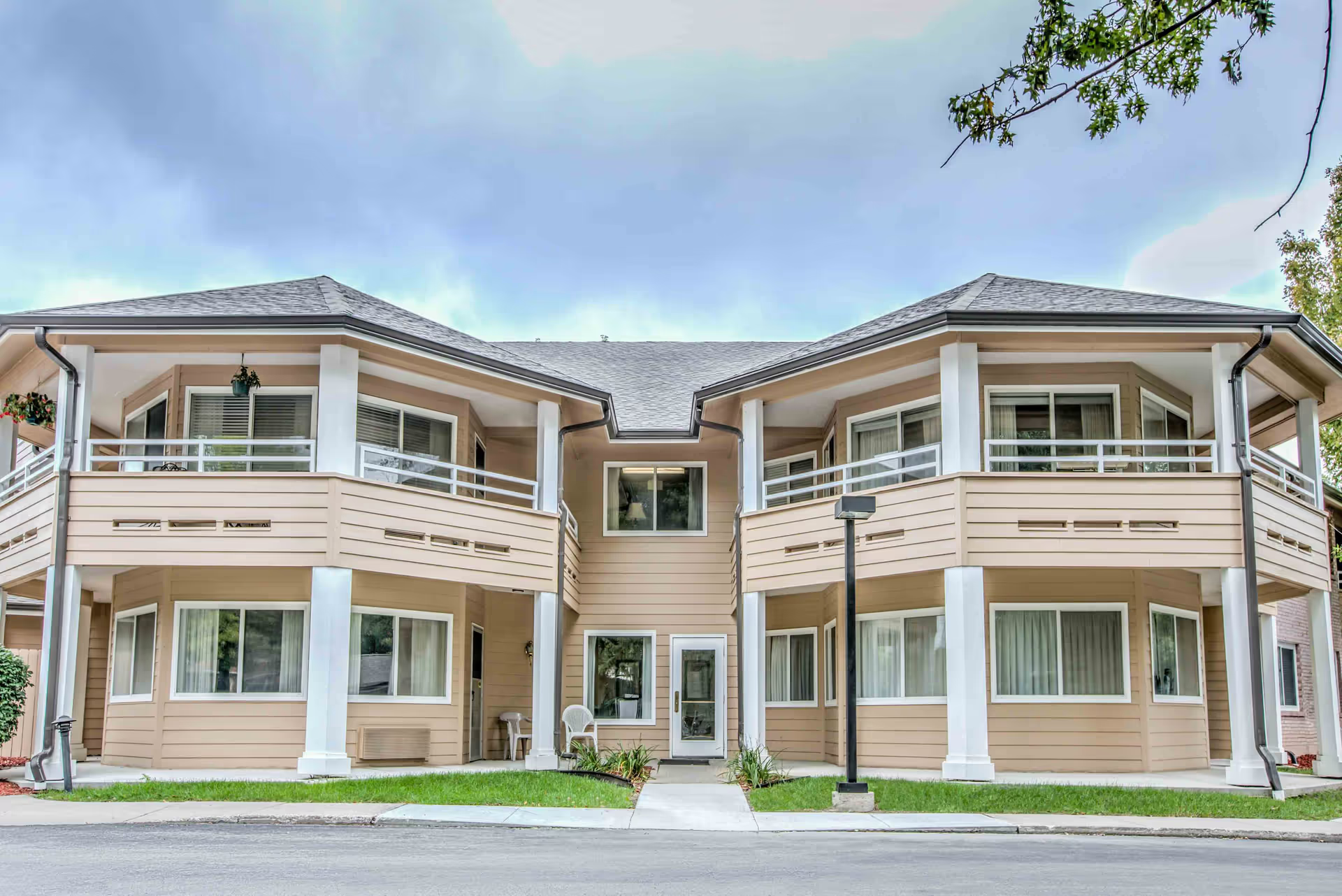
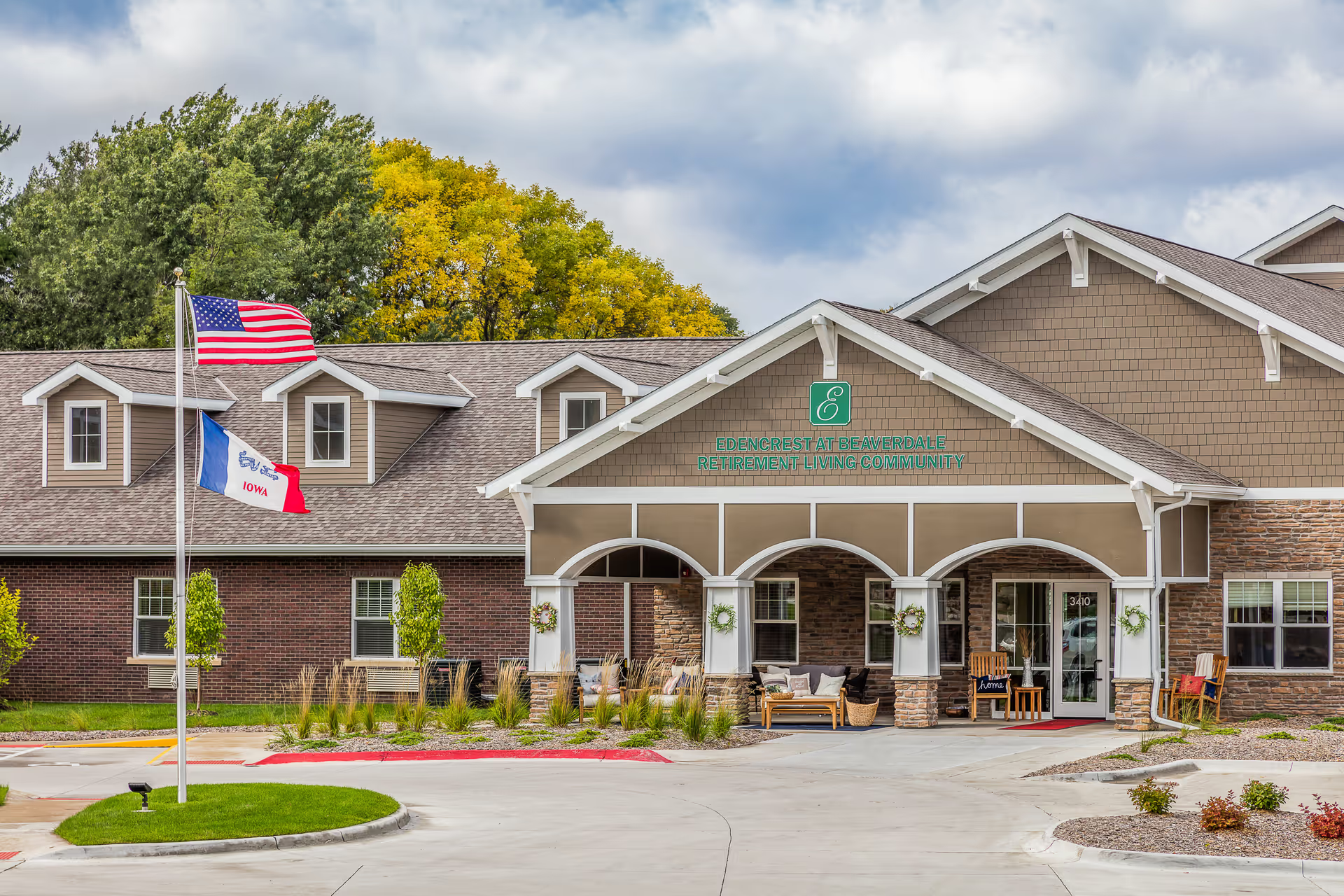
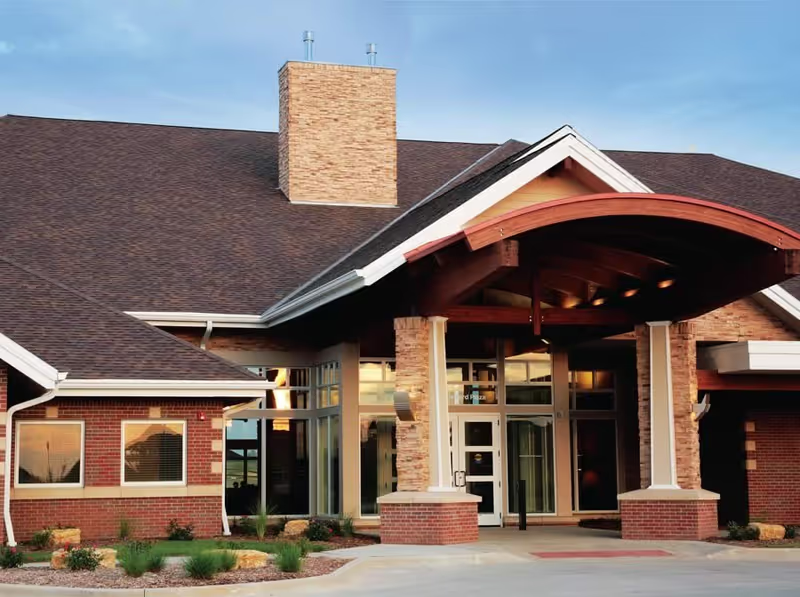
Facilities and environment: The building and grounds are frequently described as bright, clean, and well maintained. Positive comments include wide hallways, natural light, wheelchair access, an inviting courtyard, and on-site amenities such as a beauty salon and barbershop. These physical attributes support safety and social engagement, and many families noted the environment as welcoming and home-like. However, some reviewers also described sanitation and odor concerns in particular areas at times, indicating inconsistency in housekeeping or incontinence-care processes.
Management and operational patterns: A notable pattern across reviews is leadership turnover and inconsistent managerial responsiveness. Several families mentioned abrupt departures of supervisors or administrators; others described management as unresponsive, dismissive, or defensive when concerns were raised. These governance issues appear linked to other operational problems: uneven staff training, incomplete incident follow-up, and variability in discipline or corrective action. Conversely, some reviewers praised specific administrative staff for accessibility and helpfulness, indicating that experience may depend on personnel and timing.
Notable patterns and considerations for prospective families: The strongest, consistent positives are the facility’s dementia-focused programming, active engagement offerings, and a generally attractive, accessible physical plant. The consistent negatives relate to staffing stability, response times to resident needs, and occasional sanitation or dignity-care lapses. Taken together, these patterns suggest that resident experience can vary substantially depending on staffing levels, shift, and current leadership. Prospective families may find the community an excellent fit when the right staff and leadership are in place, but should also plan to ask specific operational questions during tours (staff turnover rates, typical staffing ratios by shift, call-light response metrics, clinical-incident follow-up processes, and sanitation monitoring) and to observe meal service and peak-shift activity when possible.
Bottom line: The community demonstrates clear strengths in dementia programming, activities, and its physical environment, supported by many dedicated caregivers. At the same time, persistent operational weaknesses — particularly staffing instability, inconsistent response times, and management turnover — have led to variable experiences. Those considering placement should weigh the facility’s programming and environment against the potential for variability in day-to-day care and management continuity.