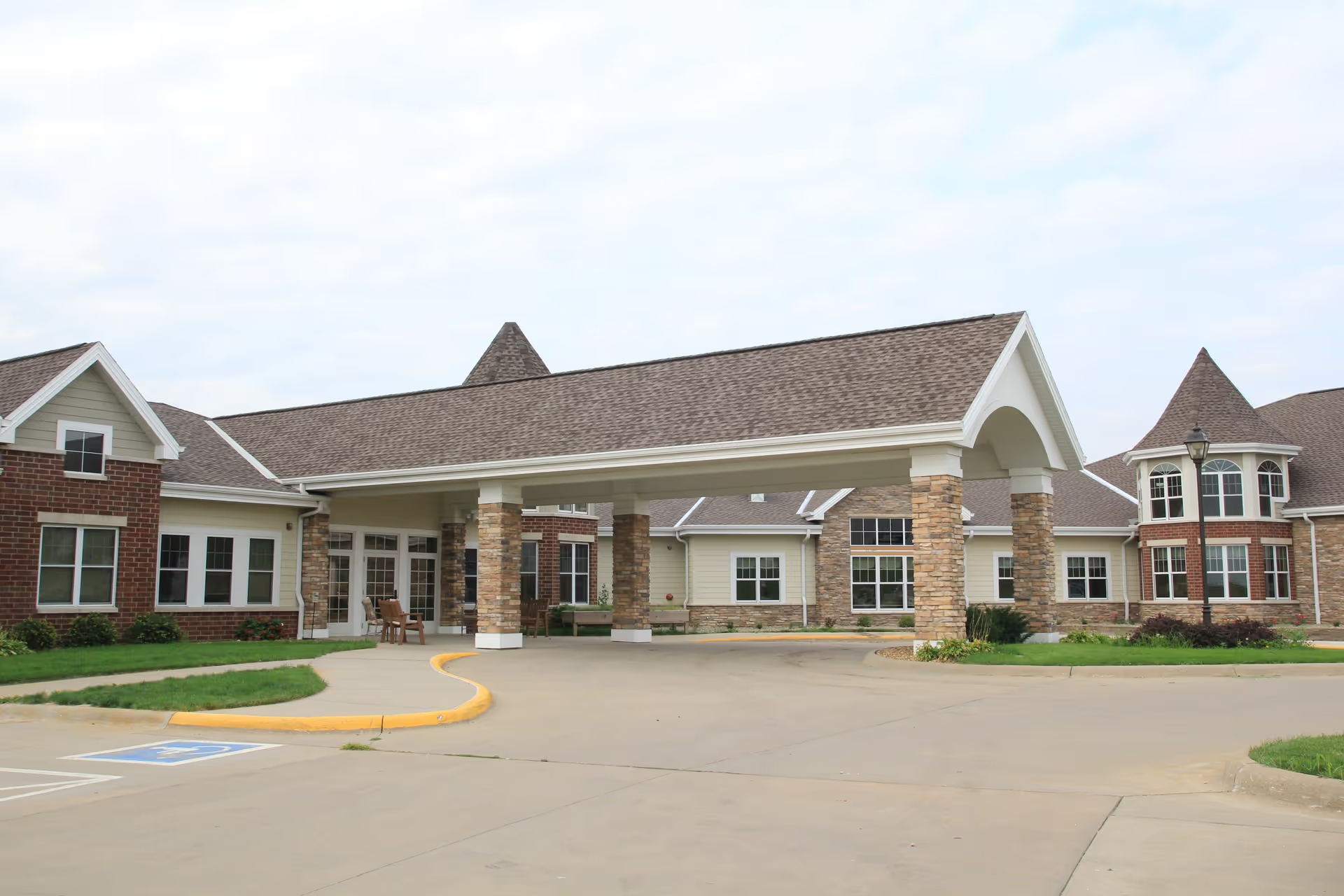
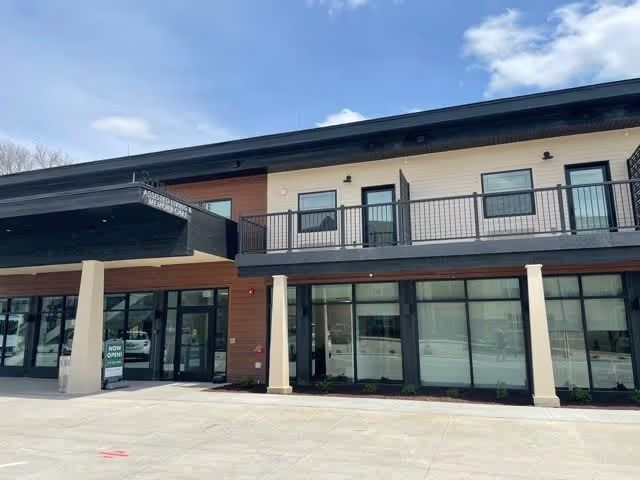
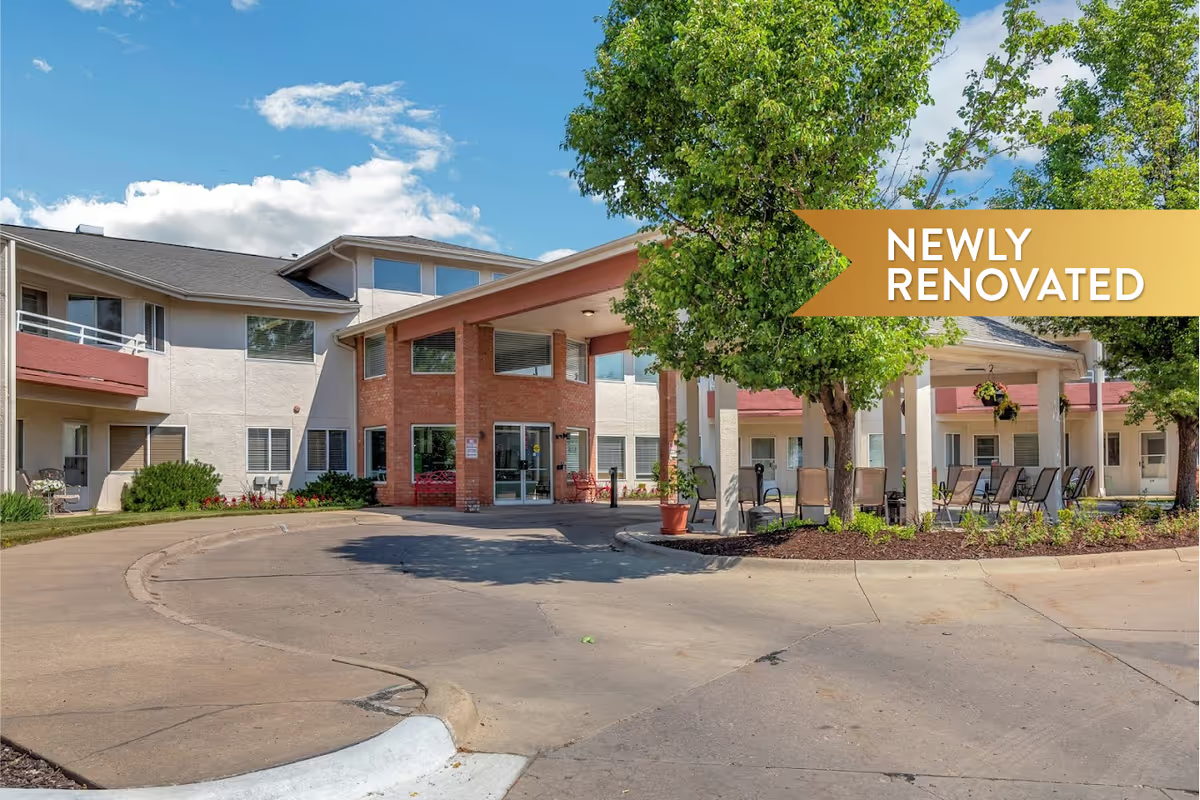
Overall impression: Silver Pond Assisted Living is described as a community that aligns with resident and family expectations in several operational areas. Reviewers emphasize a clean, orderly environment, respectful and person-centered interactions, and staff who are generally friendly and helpful. The assisted-living side of the community is viewed positively for everyday care, with families calling out strong interpersonal care and a sense that the facility offers good value relative to comparable options.
Care quality and clinical concerns: Nursing staff receive favorable comments for their competence and bedside manner, particularly on the skilled-nursing side. However, there are operational concerns around medication management and fall risk. Reviewers described restrictions on resident self-administration of medications and instances of medications not being administered on schedule; taken together, these indicate potential weaknesses in medication-administration processes and timing controls. Several accounts of resident falls and subsequent moves to higher-acuity care suggest opportunities to strengthen fall-prevention protocols and risk assessment practices. Families should clarify medication policies, timing safeguards, and fall-prevention protocols during their decision process.
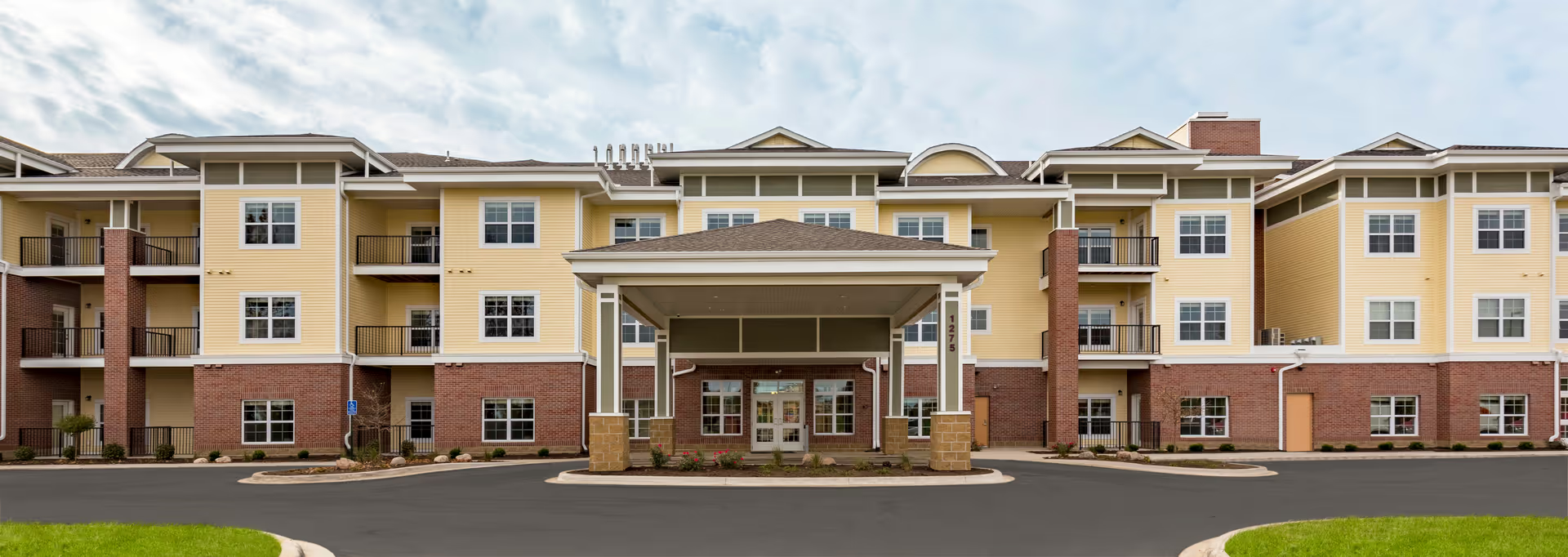
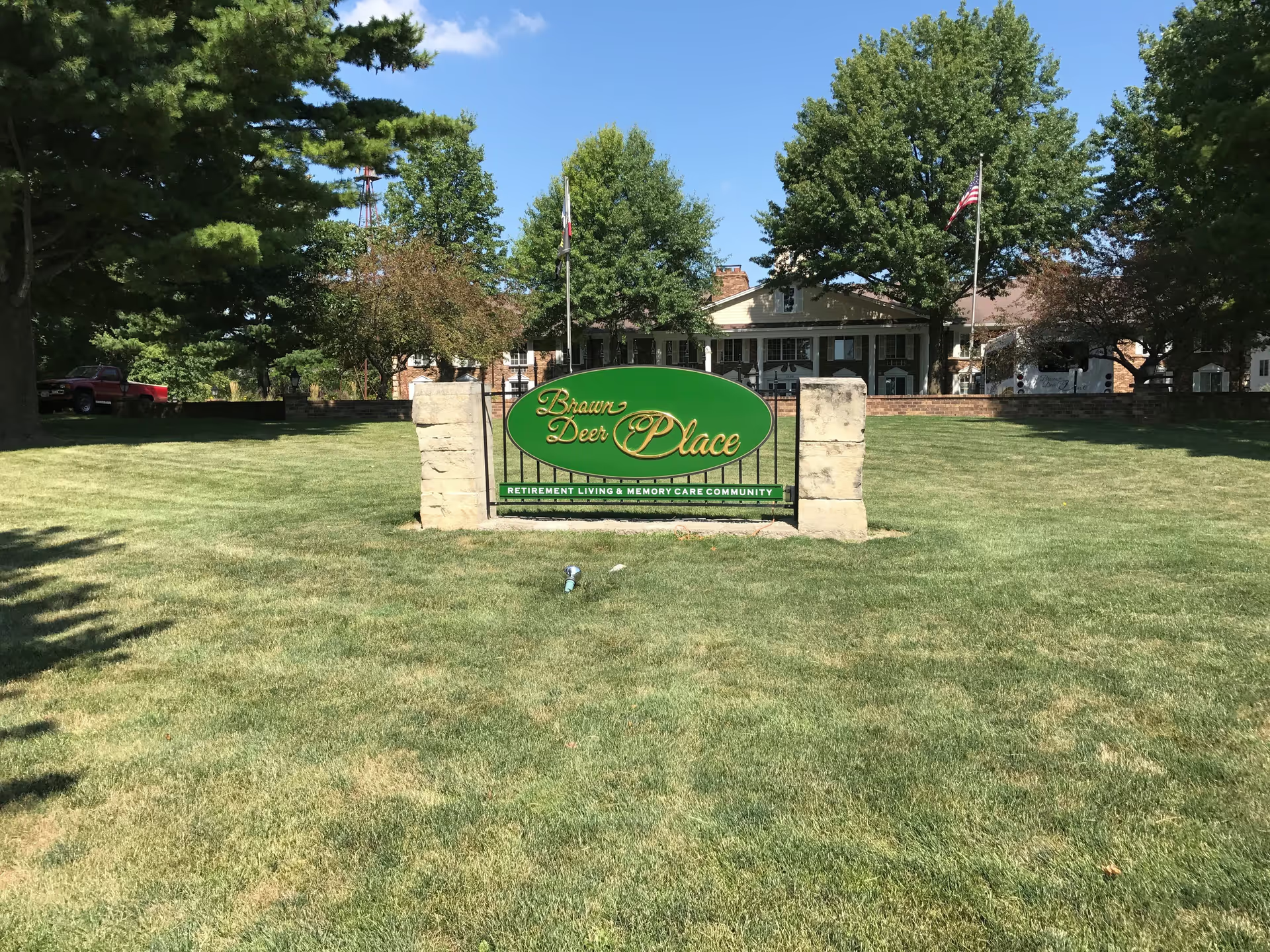
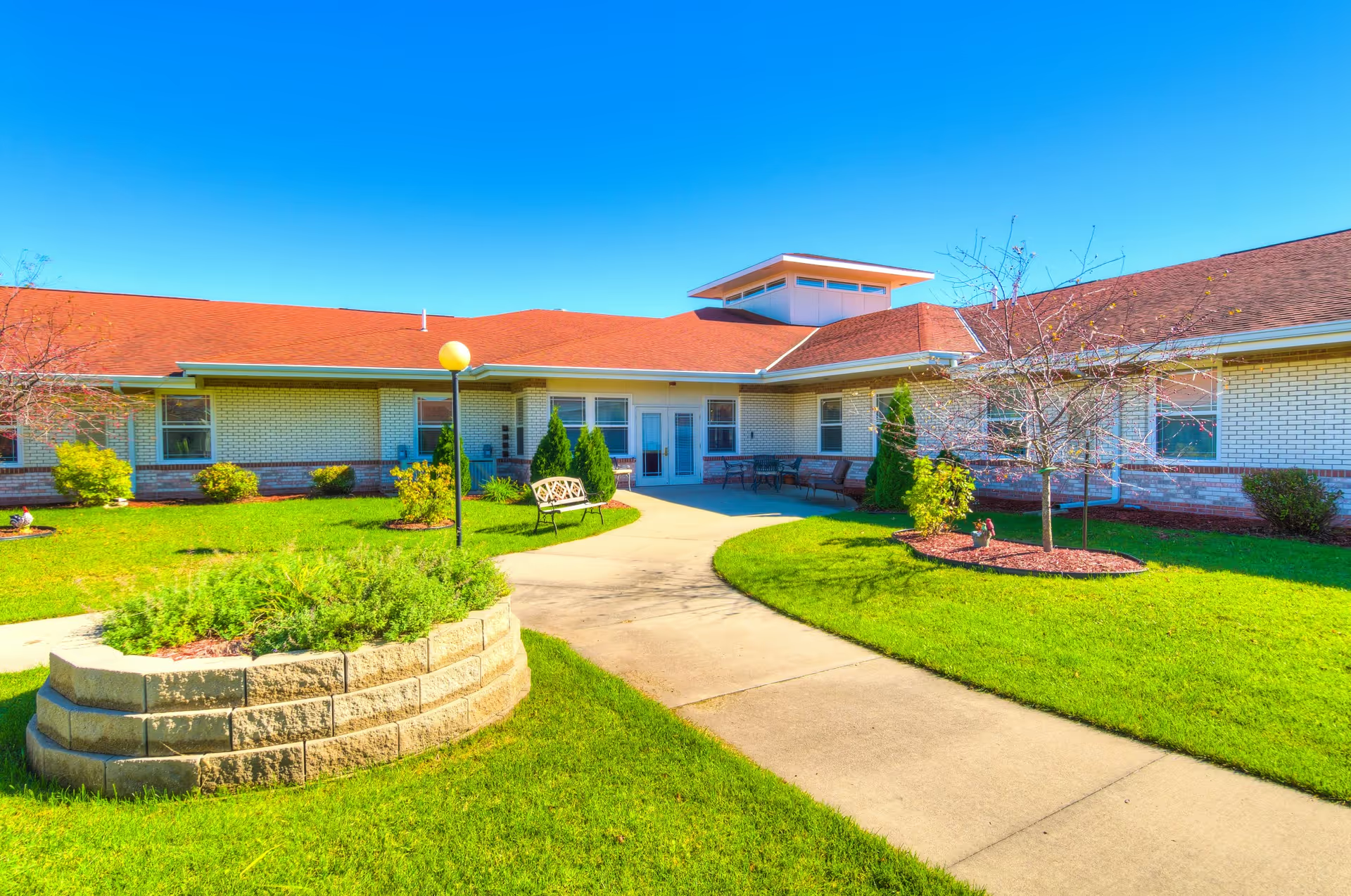
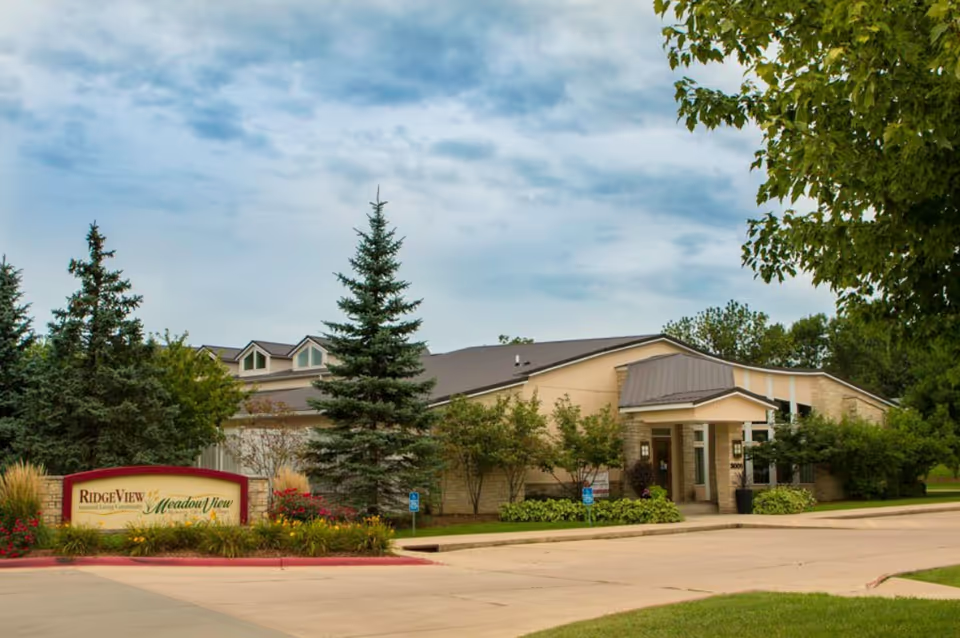
Staff, dining, activities, and facilities: Staff are repeatedly characterized as friendly, helpful, and respectful, and reviewers noted person-centered approaches in daily interactions. Dining operations are described as reliable, with meals served on time and snacks available; the facility maintains an activities calendar and offers daily programming. The physical facility is described as well maintained and orderly, which contributes to the overall positive impression of daily life for residents.
Management, transitions, and notable patterns: A notable pattern is divergence between the assisted-living experience and the nursing-level experience in two ways: cost and family satisfaction. Transitioning to the nursing side is described as substantially more expensive, and the price increase for higher-acuity care is a recurrent concern. While nursing staff themselves are praised, families expressed dissatisfaction with the financial and logistical aspects of transitioning to higher levels of care. Reviewers’ comments point to variability in the resident experience depending on service level and to limited transparency around pricing and the mechanics of care transitions. Prospective residents and families may benefit from explicit discussions with management about medication policies, fall-prevention measures, and the full cost structure for nursing-level services before admission or transfer.