Reviews of Arbor Springs–West Des Moines present a mixed but strongly clustered picture: many families and observers praise the facility’s dementia-focused model, small-community atmosphere, and hands-on clinical supports, while others raise consistent operational concerns primarily related to staffing, supervision, and administration.
Care quality and clinical supports are frequently described as strengths when staffing is stable. Multiple accounts highlight individualized attention, a high caregiver-to-resident ratio, successful restorative and physical therapy services, and integrated on-site offerings (medical visits, dental, therapies). Reviewers emphasize the facility’s dementia expertise, proactive health updates, and compassionate end-of-life support. Several narratives describe measurable functional improvement for residents who arrived at lower levels of ability.
Staff behavior and supervision is a notable fault line in the reviews. Positive comments reference caring, attentive nursing staff and aides who go above and beyond; contrasting comments describe frequent turnover, inconsistent engagement by direct-care staff, and instances of aides not completing assigned personal-care tasks. These patterns are described as linked: when staff continuity is high, families report strong experiences; when turnover or supervision gaps increase, families report delays in ADL assistance and variability in daily care.
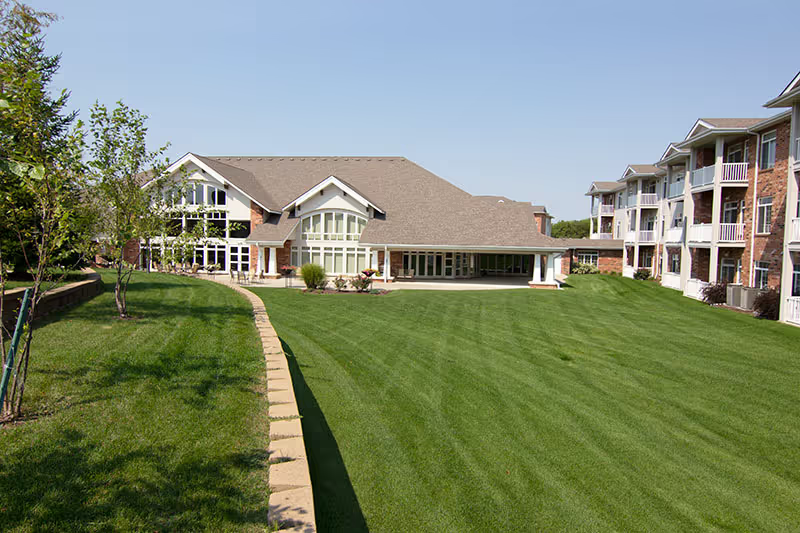
Dining, activities, and social programming are generally seen as strengths. Many reviews praise the quality of meals and snacks, responsive meal service when a resident misses a meal, and a range of small-group activities and outings (baking, holiday parties, shopping trips, light tours). The neighborhood pod design, private living rooms and kitchens, and an open central activity area are repeatedly cited as contributing to a home-like environment and better visibility for staff.
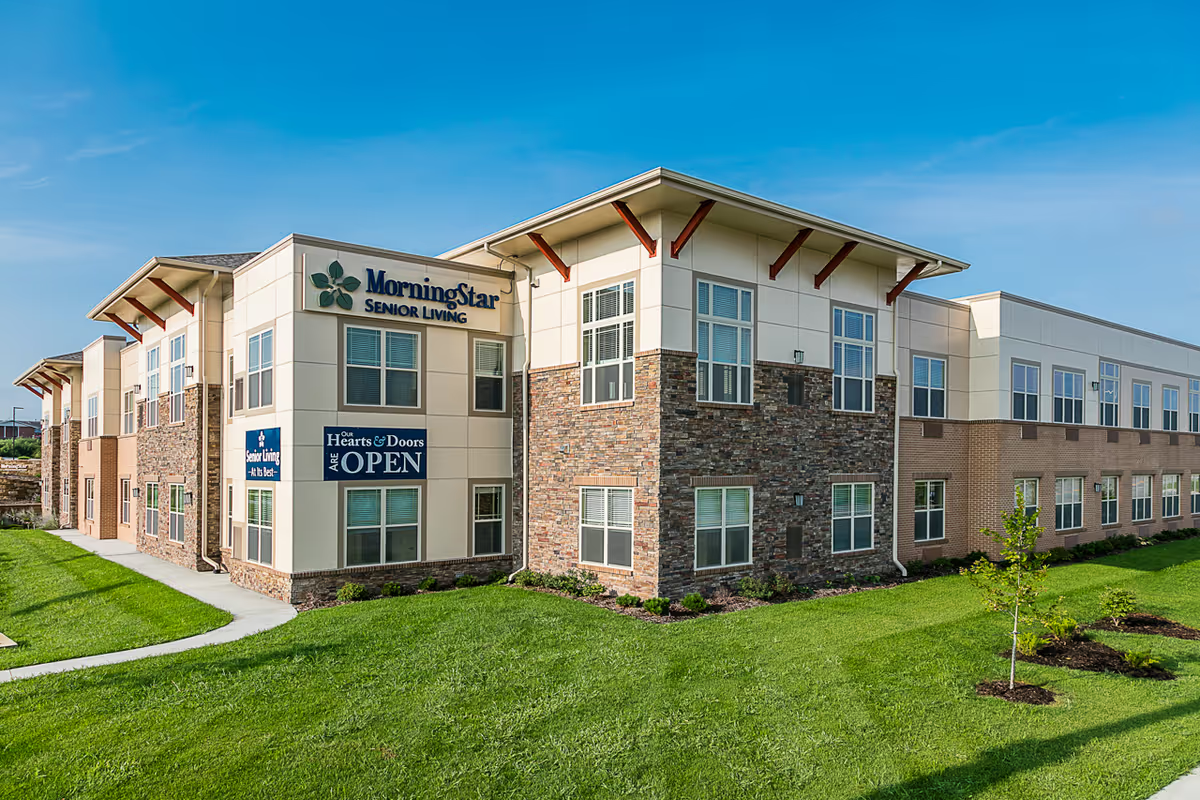
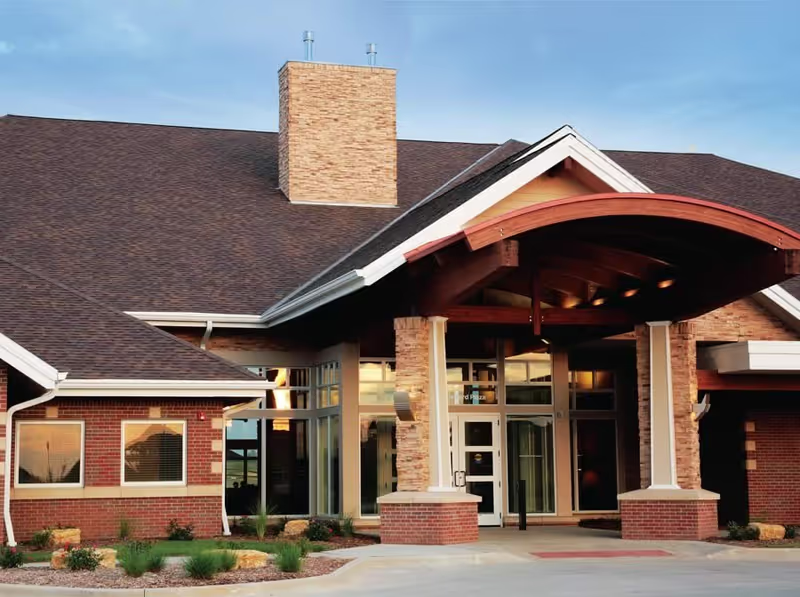
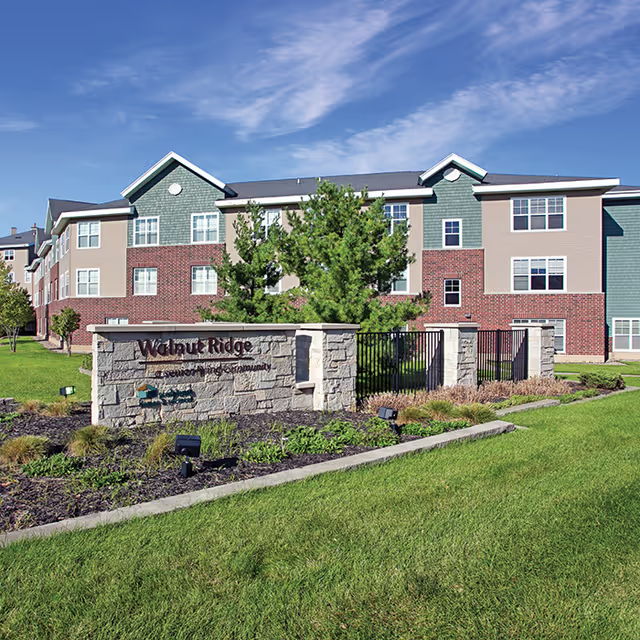
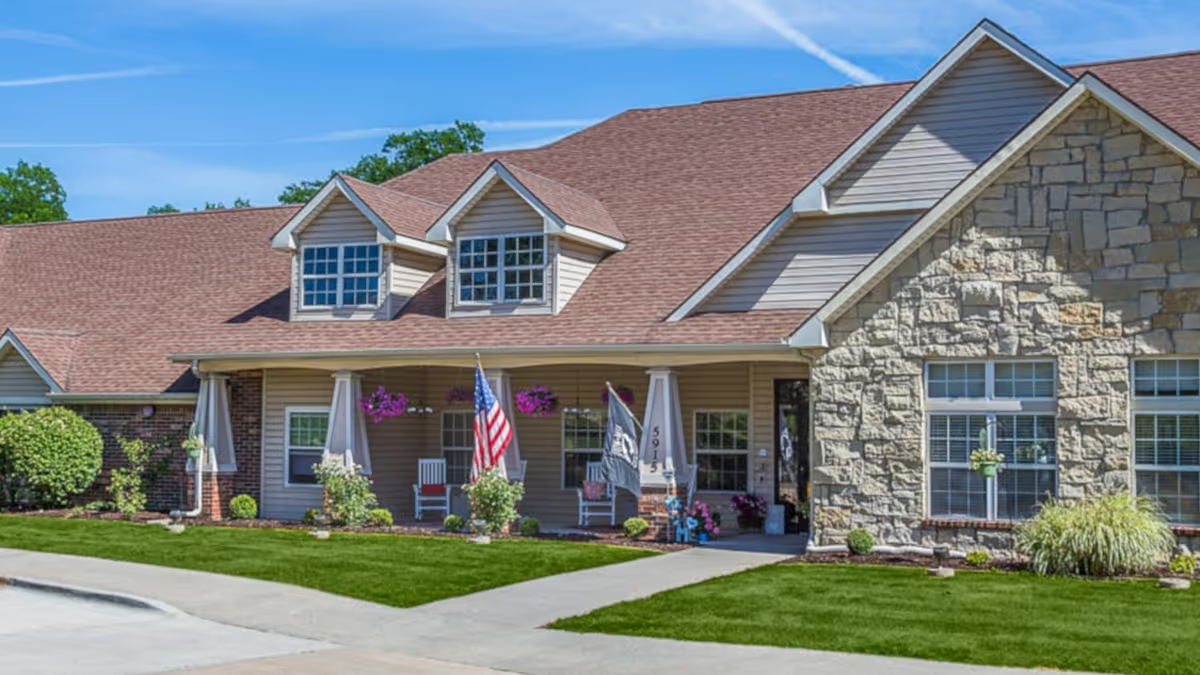
Facility condition and amenities earn mixed assessments. Several reviewers describe the building as clean, well-kept, and thoughtfully designed, while others raise sanitation and odor concerns in some areas and characterize parts of the facility as dated. The community is positioned as a premium, private-pay option with many amenities; reviewers note that it is relatively expensive and does not accept Medicaid.
Management and administrative processes are an area of recurring criticism. Concerns include perceived managerial inexperience or instability, weak family communication, delayed responses to complaints, and administrative delays in billing, refunds, and tax or paperwork. Medication-management and oversight gaps are also mentioned as a clinical risk area by some families. These issues appear to amplify the negative impact of staffing variability when they occur.
Notable patterns: positive and negative experiences tend to cluster — families who encounter stable, engaged direct-care teams and responsive clinical staff describe strong outcomes and high satisfaction; families who encounter turnover, supervision gaps, or slow administrative responses report inconsistent care experiences. Prospective families should consider evaluating current staffing continuity, supervisory practices, medication-management protocols, payer options, and recent administrative turnover during a tour and reference checks to assess how the facility’s strengths align with their loved one’s needs.