Overall impression: Harmony West Des Moines elicits strongly polarized experiences. A substantial number of accounts highlight an effective, well-resourced rehabilitation clinic with excellent physical and occupational therapy, coordinated care plans, and many successful return-to-home outcomes. At the same time, a distinct and recurring set of operational weaknesses—particularly around staffing, medication processes, laundry/property handling, and family communication—appears frequently enough to represent systemic risk areas families should evaluate when considering the facility.
Care and clinical services: Therapy services are consistently identified as a clear strength. Reviewers praised the PT/OT teams for measurable functional gains, intensive programs, individualized plans, and frequent progress updates. Nursing and CNA skill levels receive mixed but often positive comments: many reviewers described compassionate, capable front-line caregivers and effective clinical oversight such as an on-site nurse practitioner. However, other accounts describe care-plan nonadherence, delayed responses to call lights, and weaknesses in shift-change communication that can affect continuity of clinical care.
Staff and conduct: Staffing appears variable across shifts and units. Where staffing is adequate, staff morale and professionalism are praised; where staffing is thin, families report long waits for assistance and perceived corners being cut. There are repeated references to inconsistent staff conduct and occasional instances of unprofessional tone or poor bedside communication. Management visibility and responsiveness is also mixed: several reviews commend an involved, present administration and recent leadership improvements, while others describe difficulty reaching administrators or delayed follow-up on concerns.
Dining, housekeeping and property management: Dining receives both positive and negative comments. Menu variety and food quality are acceptable to many residents, and nutrition staff involvement is noted, but recurring complaints include late meal times, cold or small portions, and insufficient accommodation for specific dietary needs. Housekeeping and laundry show a similar split: some units are described as clean and well-maintained, while others note sanitation concerns, infrequent linen changes, and lost or damaged clothing and personal items. These issues contribute to family concern about accountability and daily comfort.
Safety, medication and infection control: Medication management and medication-administration accuracy emerge as important operational weaknesses in multiple accounts; families cited delays, missed or incorrect doses, and system gaps that warrant close review. Safety practices tied to transfers and fall prevention also arise as a theme, with several reports of inadequate transfer processes or delayed responses leading to adverse outcomes. Infection-control practices and quarantine communication have been described inconsistently over time; prospective families should inquire about current protocols, vaccination policies, and recent infection events.
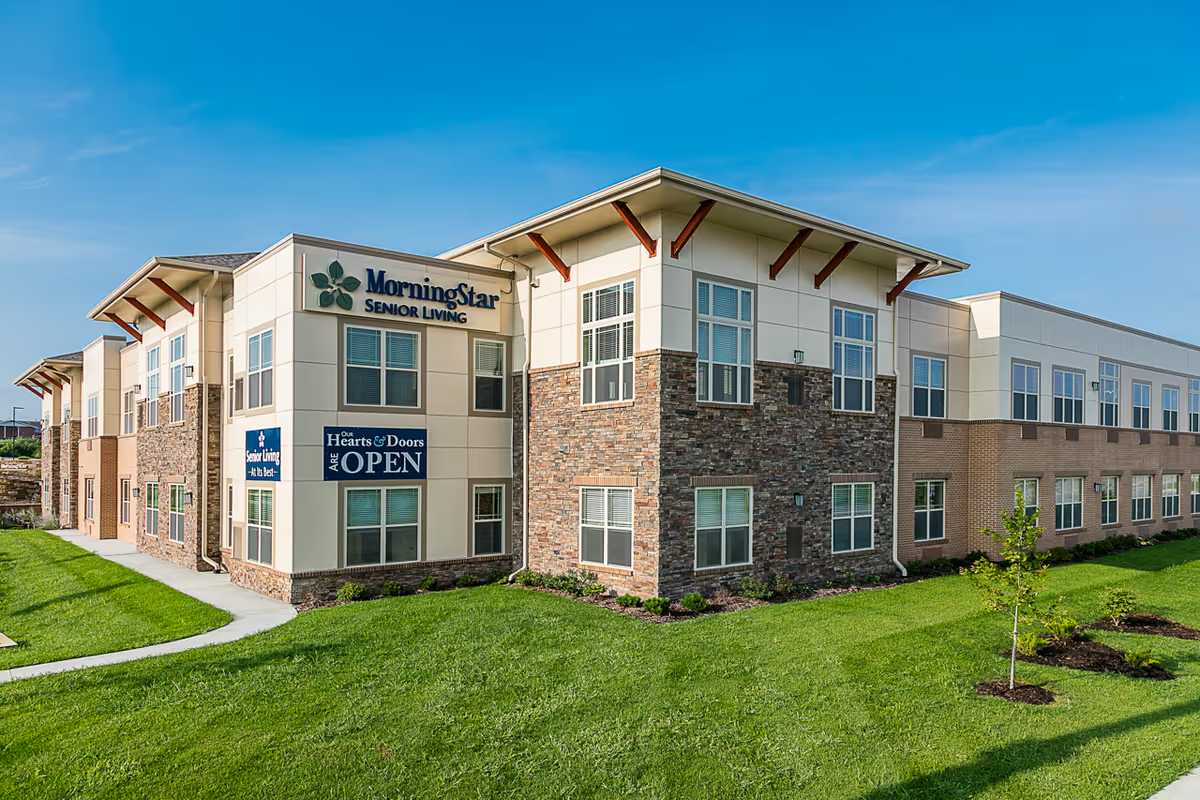
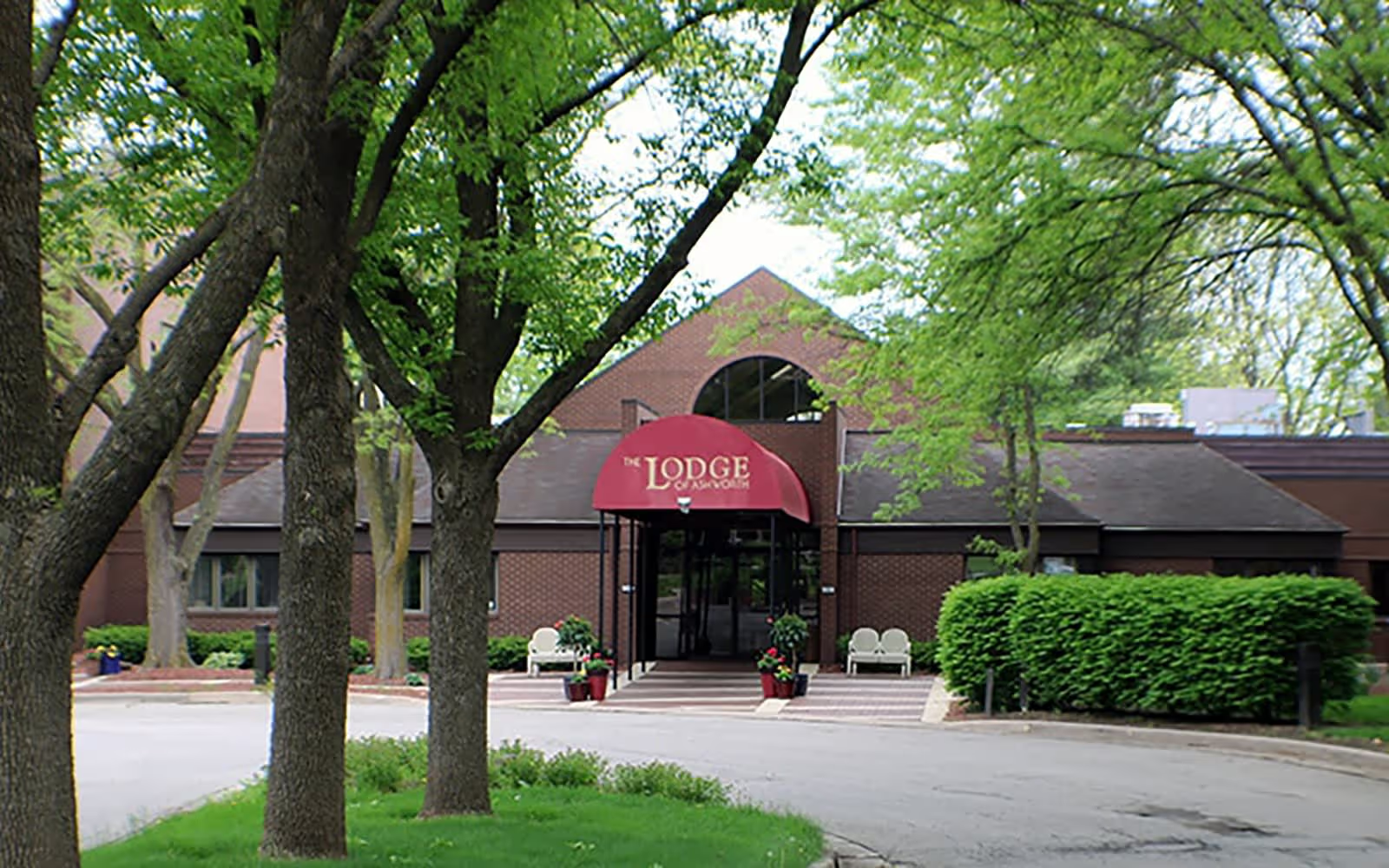
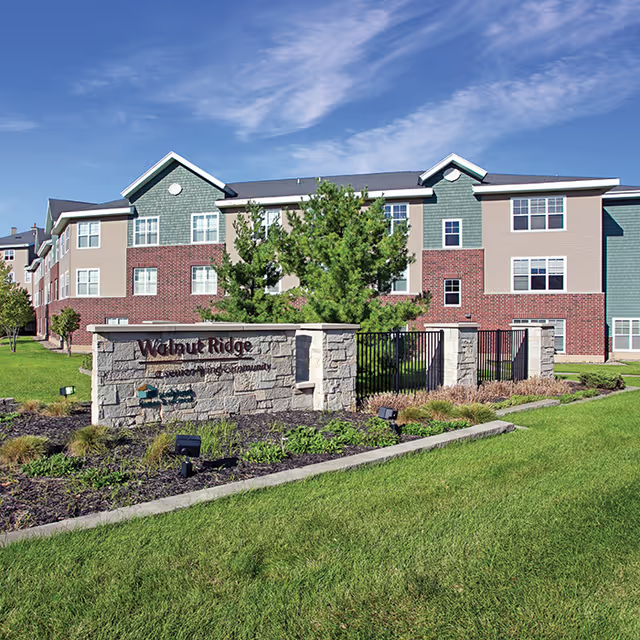
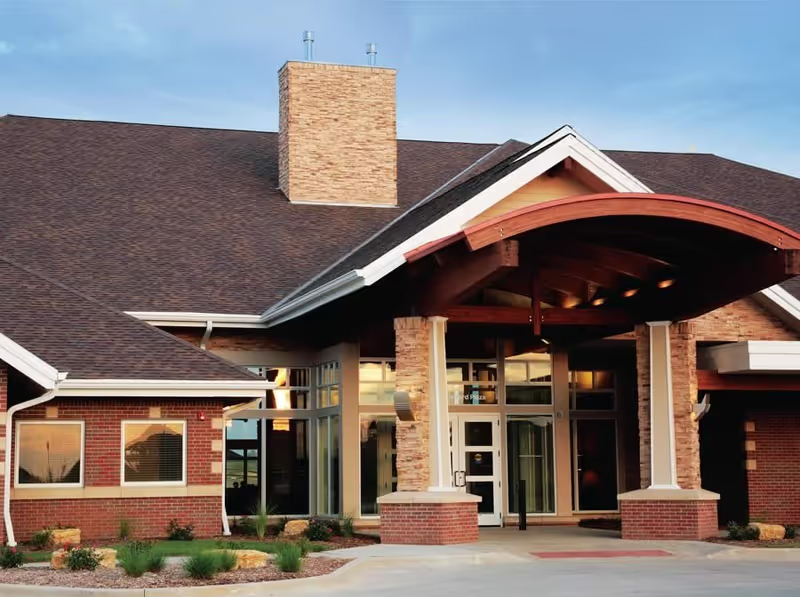
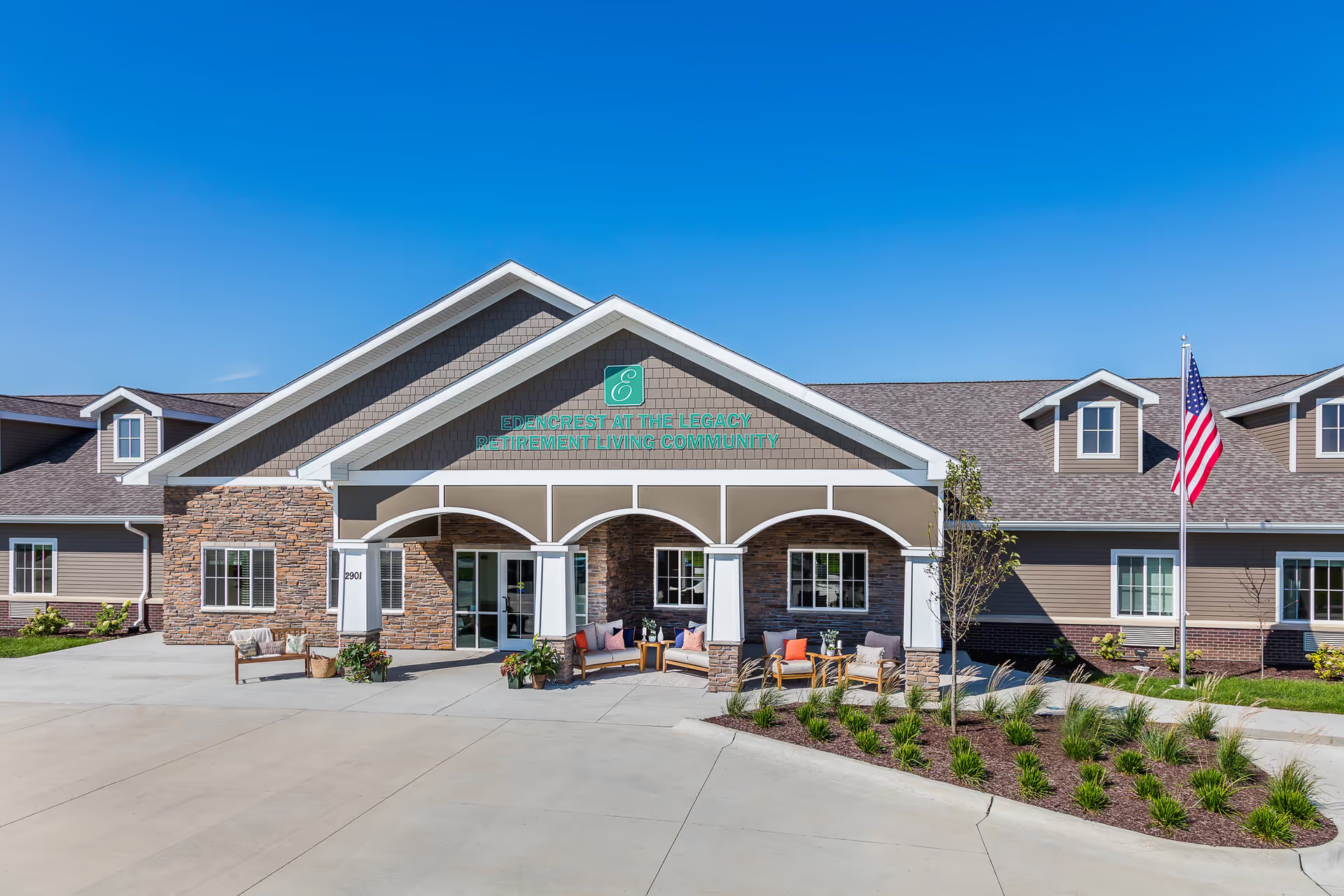
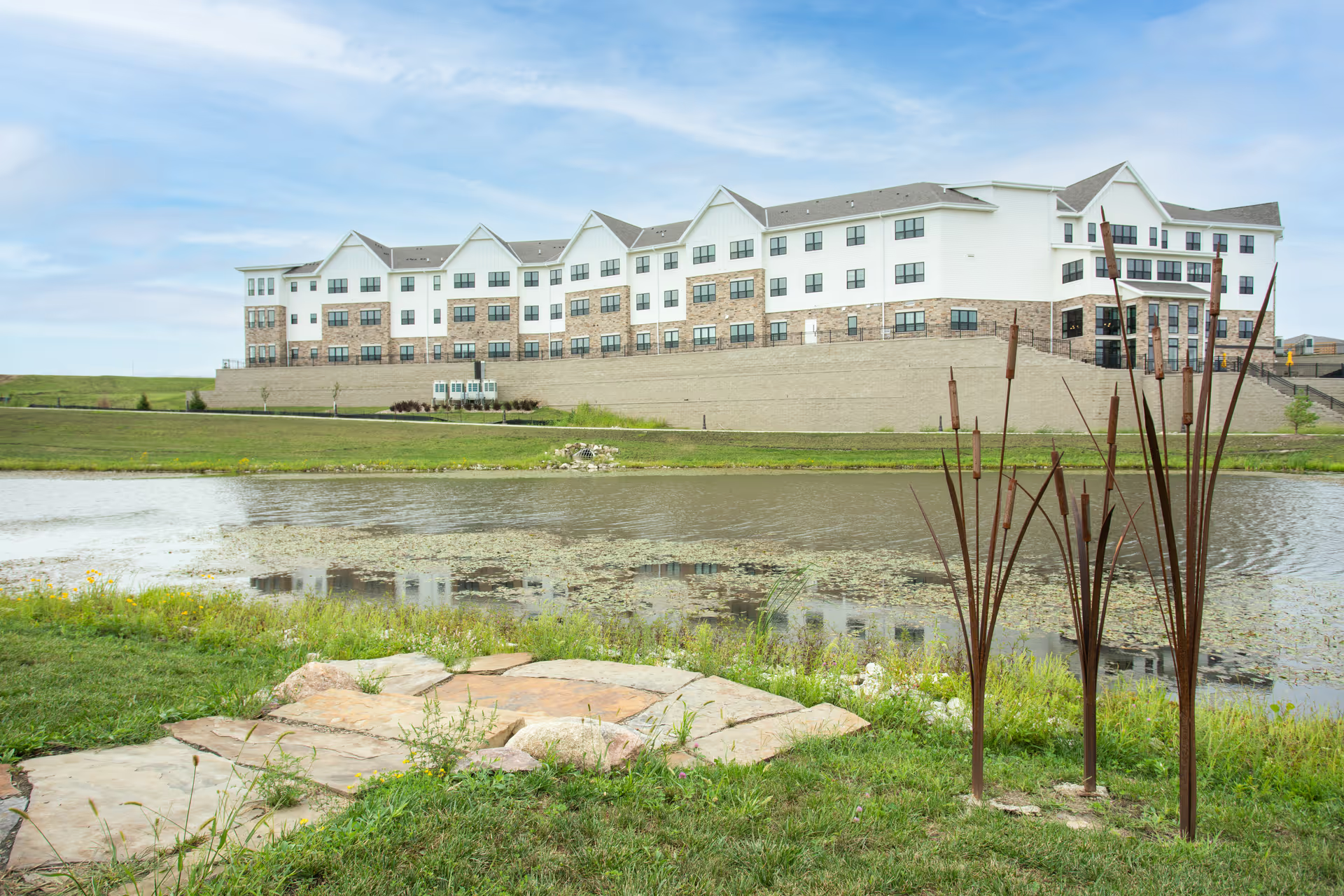
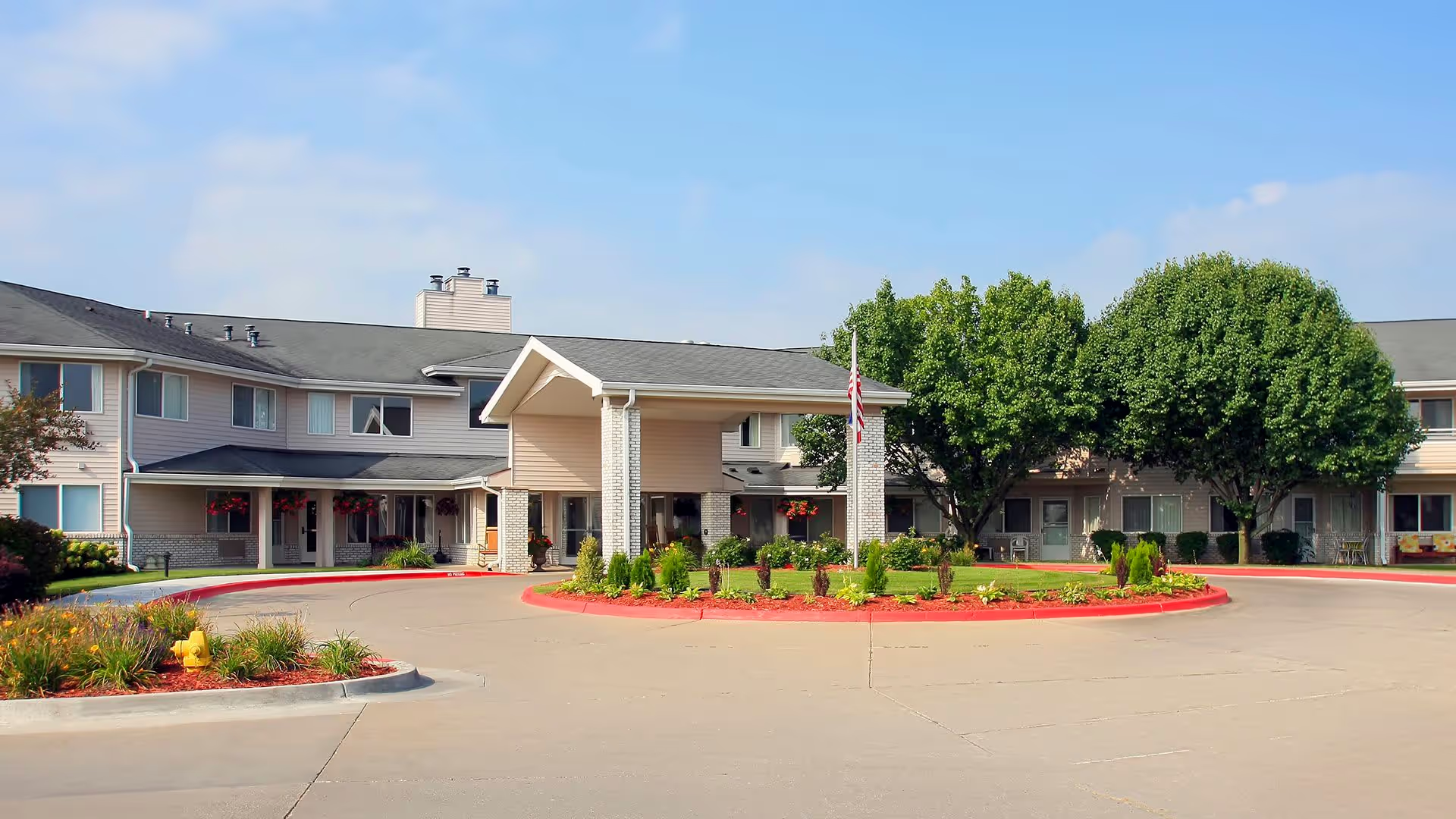
Facilities, activities and transitions: The physical plant is frequently described as bright, modern, and comfortable, with pleasant common areas, private-room options, and on-site amenities such as a salon and exercise area. Activity programming and family accommodations (including virtual visits) are noted positively in many accounts. Transitions to hospice and some discharge processes were described as smooth when clinical coordination is strong, though other reviewers cited incomplete discharge paperwork or gaps in aftercare instructions.
Patterns and takeaways: The dominant pattern is one of high-quality rehabilitative capacity and pockets of excellent, compassionate caregiving, coupled with recurring operational shortfalls—most notably inconsistent staffing, medication controls, laundry/property handling, communication, and some aspects of housekeeping and dining. Recent leadership changes are referenced as improving morale and processes in some reports; prospective residents and families should verify current staffing ratios, medication-safety practices, property-accountability procedures, infection-control policies, and how the facility communicates clinical changes to designated family members. An in-person tour that includes conversations with therapy, nursing leadership, and administration will help clarify whether the facility’s strengths align with an individual resident’s priorities and risk profile.