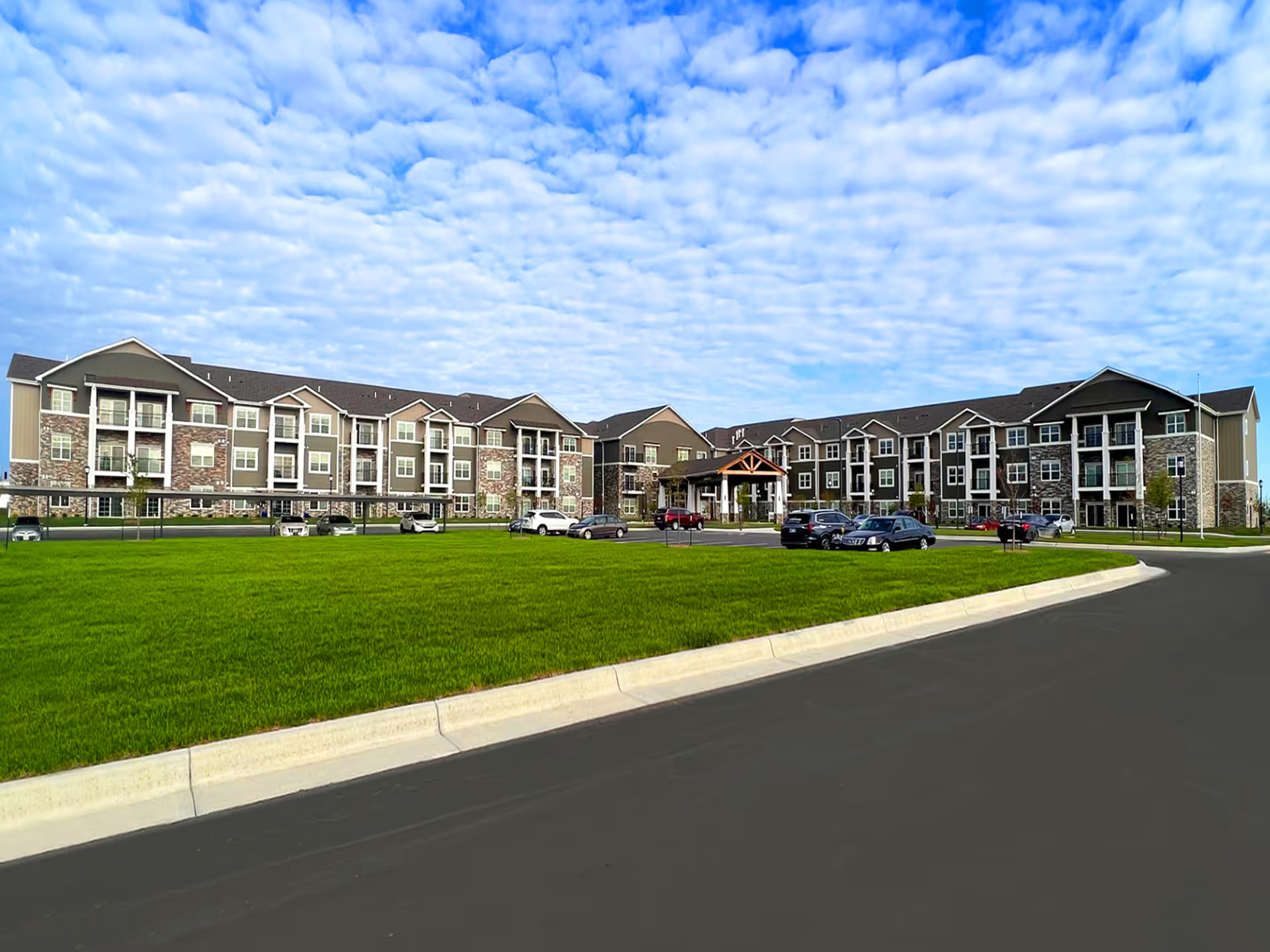
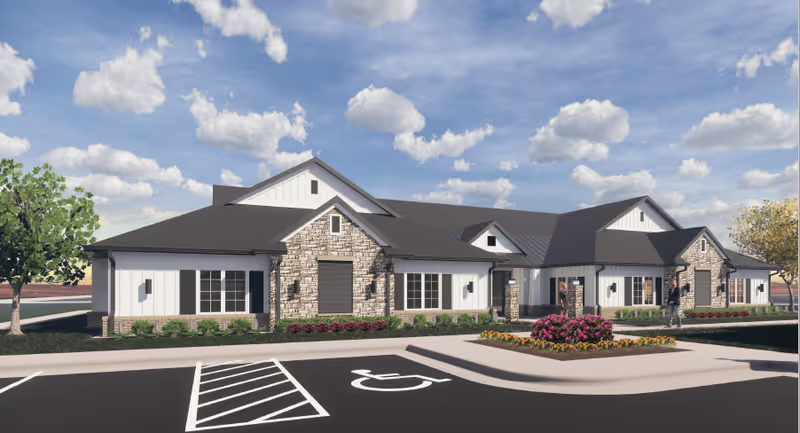
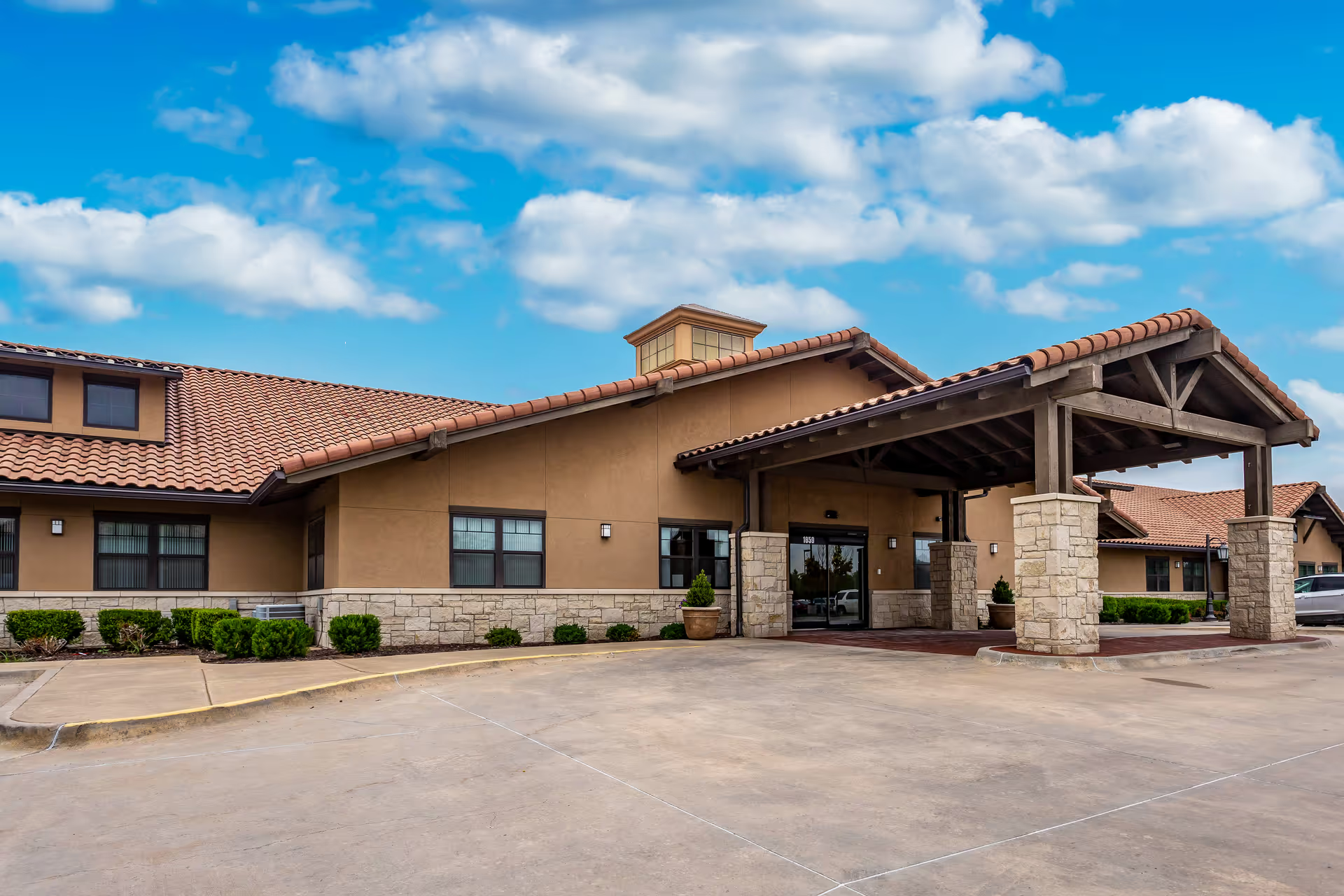
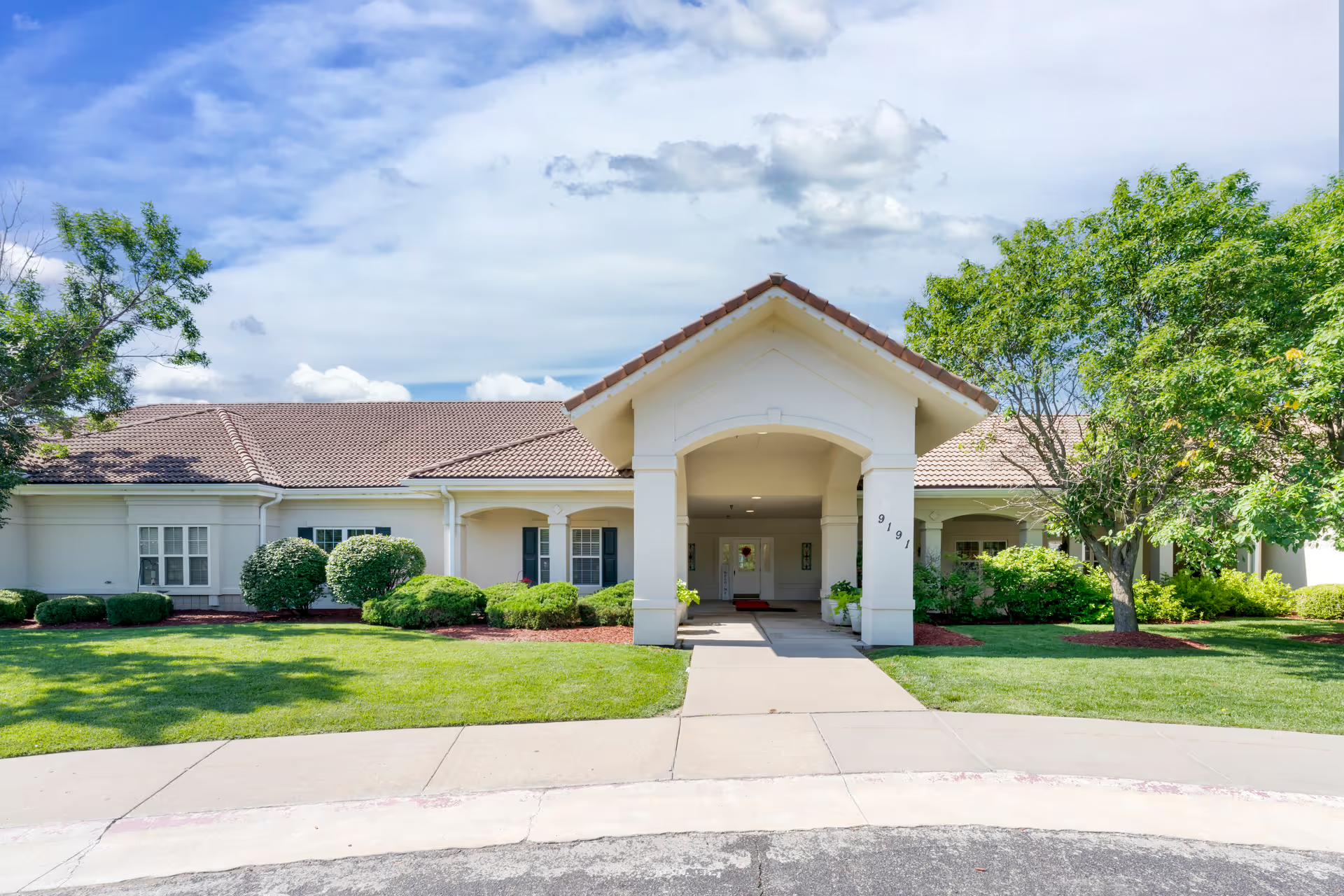
Life Care Center of Andover elicits strongly mixed impressions. Many reviewers praise the personal interactions and therapeutic outcomes: nursing staff, therapists, and certain admissions liaisons are frequently described as compassionate, professional, and effective. Several families highlighted rapid initiation of physical and occupational therapy, a team-based approach to rehabilitation, and supportive therapy staff who helped residents meet functional goals. The facility’s admissions and liaison personnel are often noted for clear explanations of insurance and placement logistics, and clubhouse-style common areas are described as modern and welcoming by multiple commenters.
At the same time, a distinct set of operational concerns appears repeatedly. Staffing levels and caregiver workload are commonly cited as underlying factors that contribute to missed aspects of daily care and uneven adherence to individualized care plans. Reviewers described lapses in routine housekeeping and sanitation in resident rooms and some common areas, intermittent problems with meal-assistance and dining supervision, and what they perceived as inconsistent infection-control practices and clinical training. Several accounts point to safety risks created by equipment storage in corridors and practices around resident transfers, indicating a need for clearer operational controls and oversight.
Communication and management follow-through are another notable fault line. Families described instances where moves or changes in care were not communicated in a timely or transparent manner, and some cited confusion around billing and price increases. While many staff members are singled out as responsive and personable, others are described as overworked or inconsistent, producing a perception of variable care depending on shift or individual caregiver. A small number of serious concerns — including allegations related to property handling and clinical incidents — suggest the importance of administrative responsiveness and stronger incident-review processes.
For prospective residents and families, the pattern suggests that outcomes at this facility may depend heavily on specific teams and shifts. Questions to consider when evaluating placement include current staffing ratios (including CNA coverage), documented cleaning and infection-control protocols, processes for communicating transfers and care-plan changes to family, how meal-assistance and dining supervision are staffed, and the facility’s policy on billing/price adjustments. Asking for examples of recent quality audits, wound-care and hospice coordination procedures, and how hallway/equipment storage and transfer safety are managed may clarify risk areas. Overall, the facility demonstrates clear strengths in rehabilitation and certain staff relationships, but those strengths are offset for some families by operational inconsistencies that warrant careful pre-admission inquiry and ongoing monitoring.