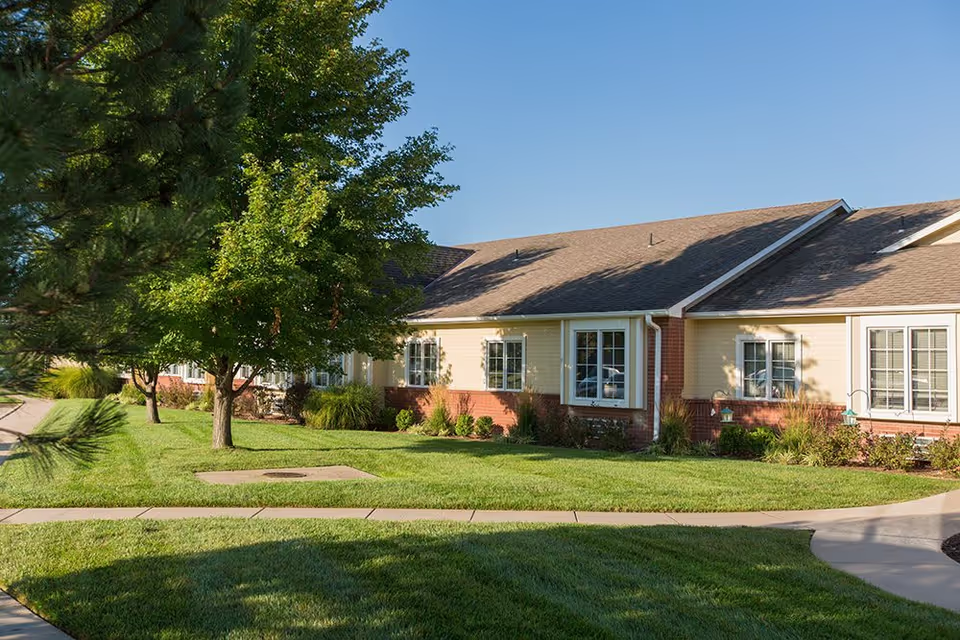
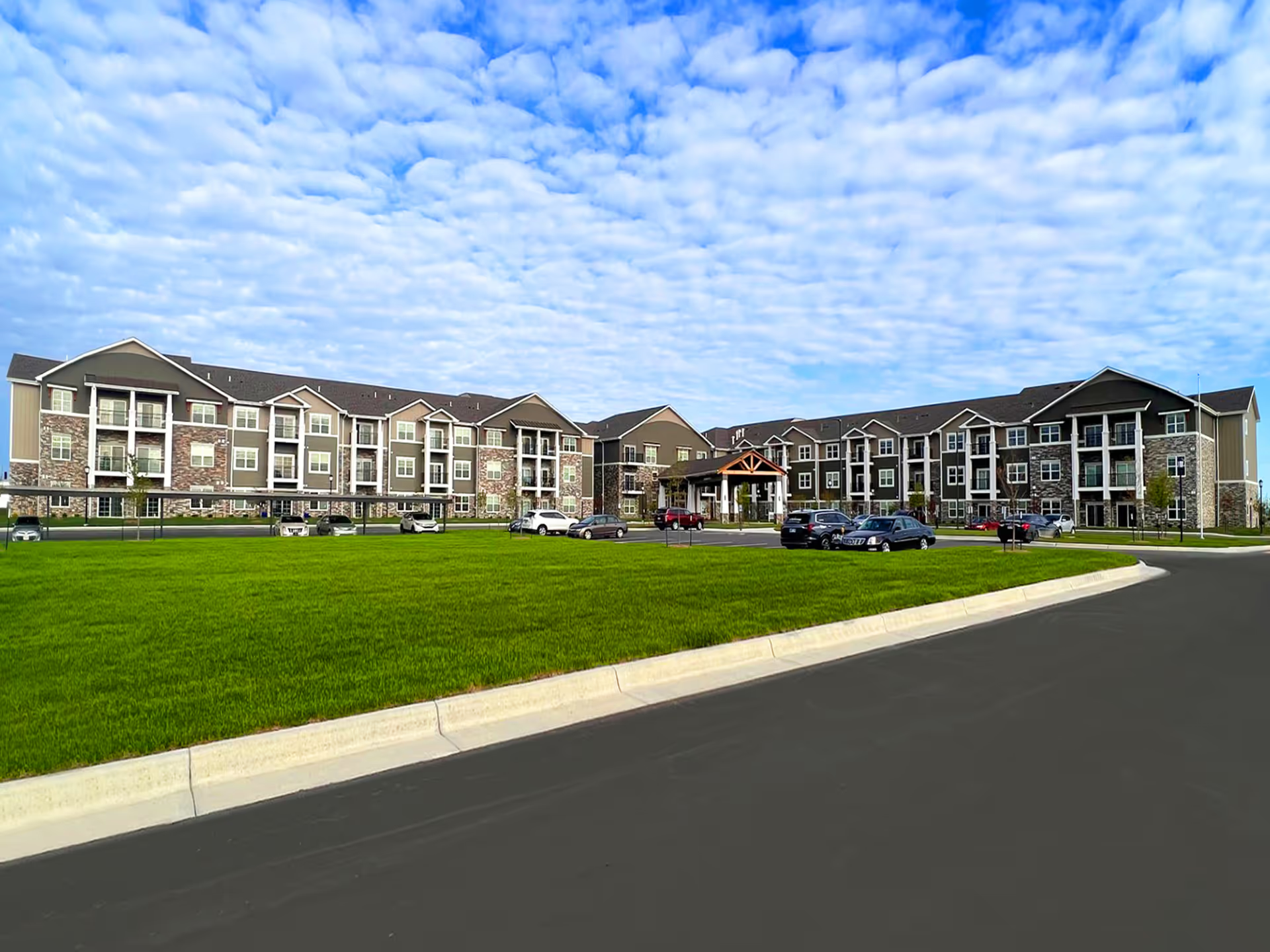
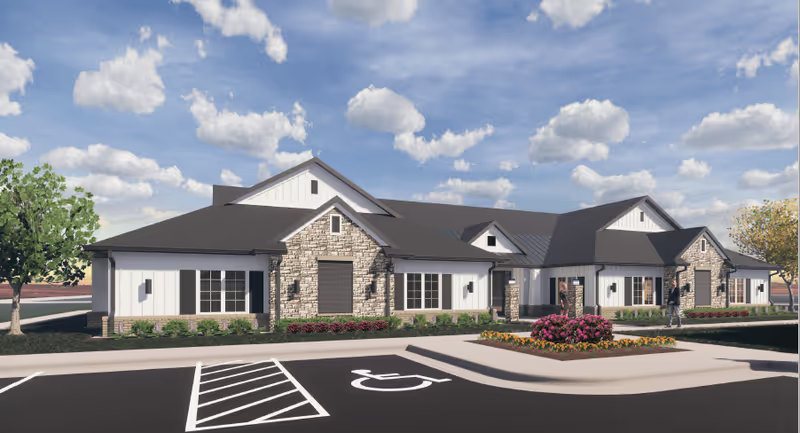
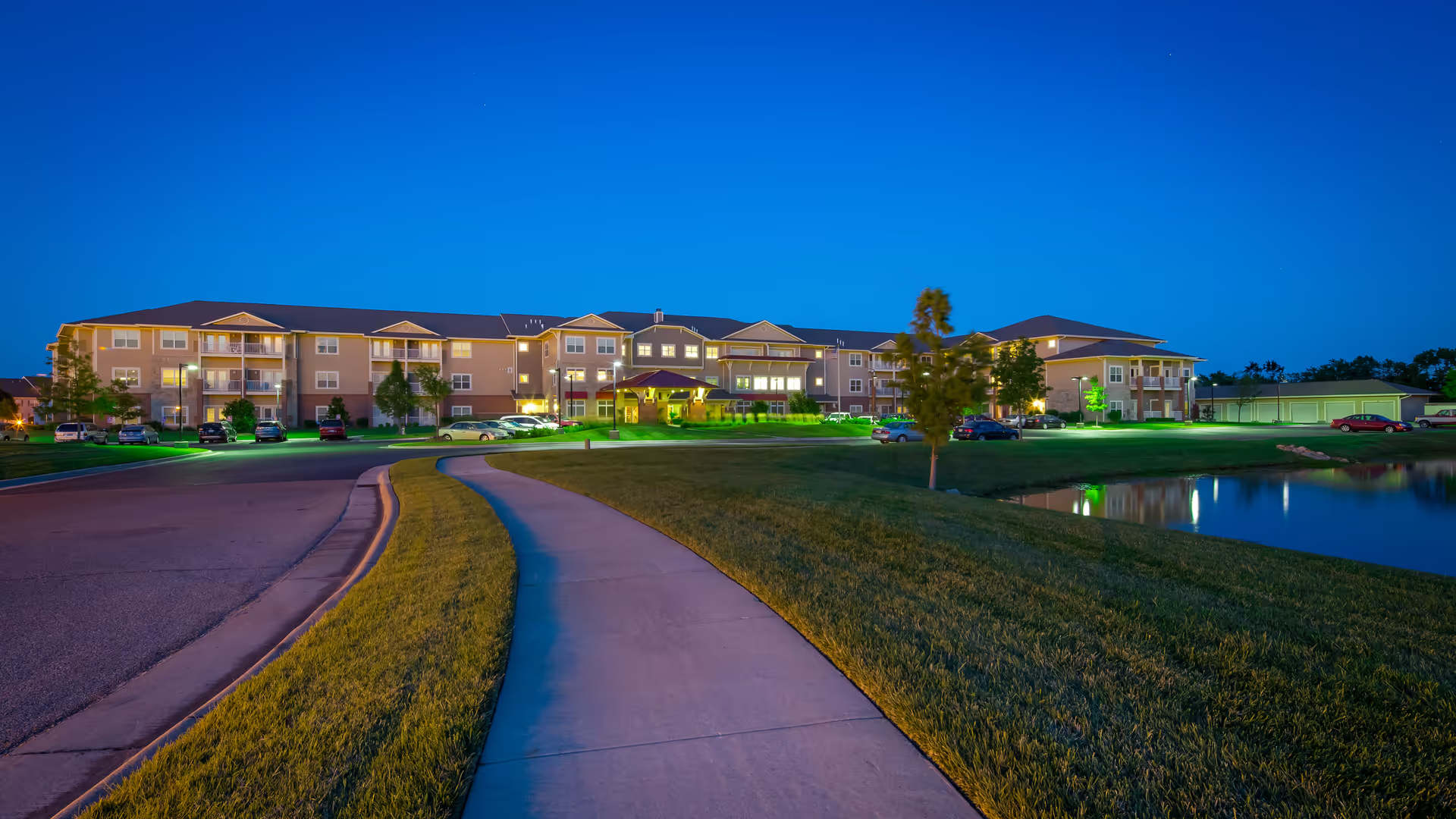
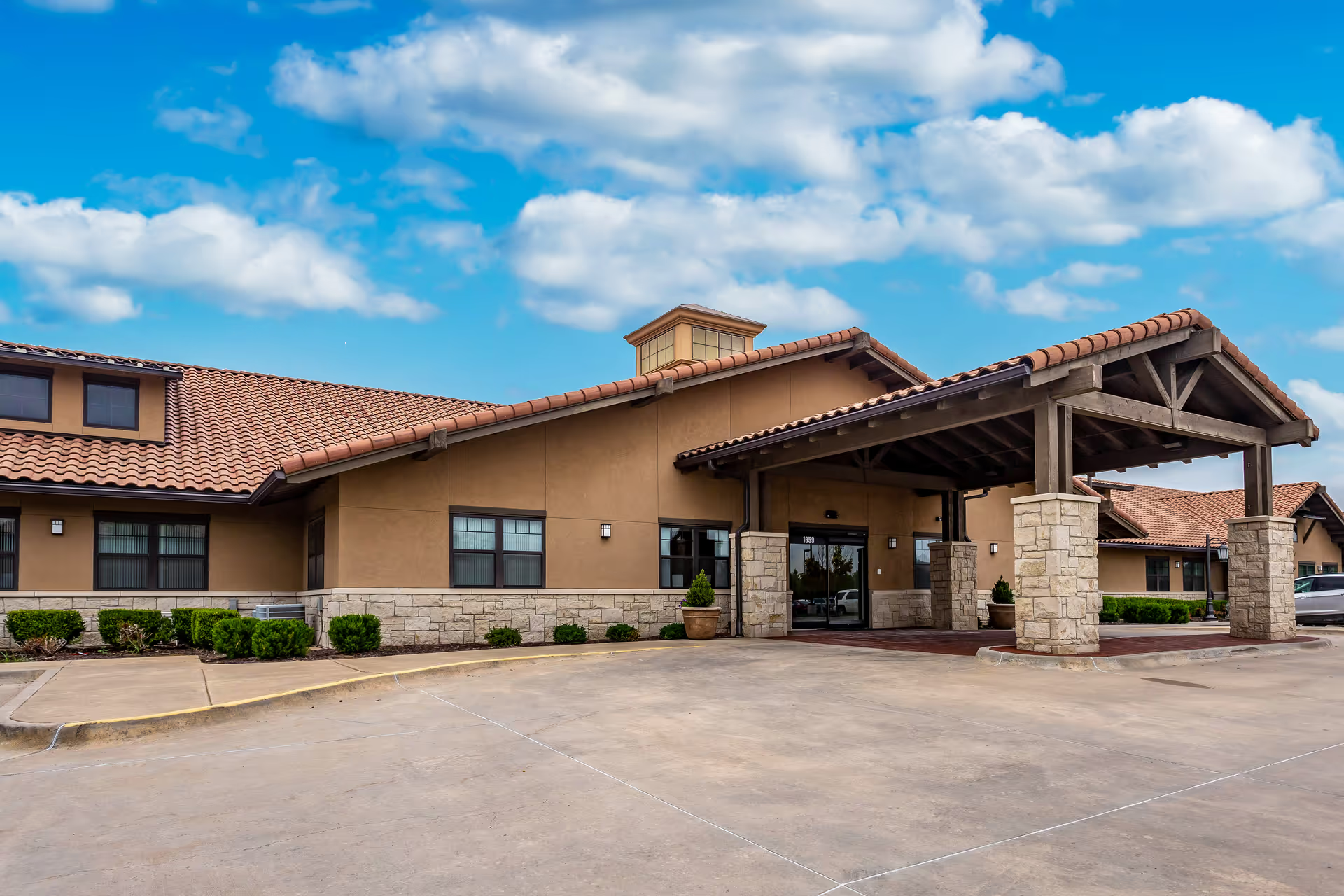
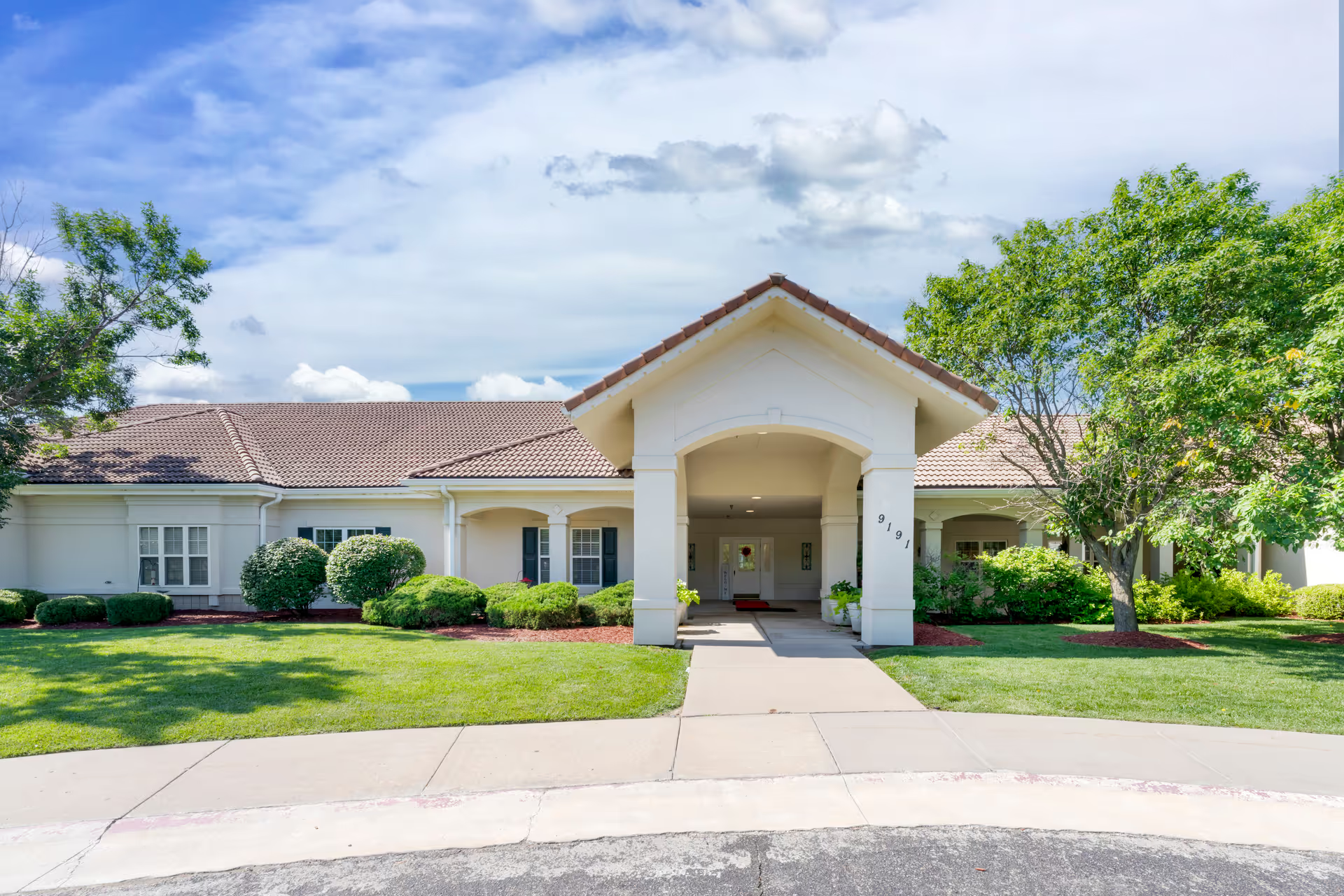
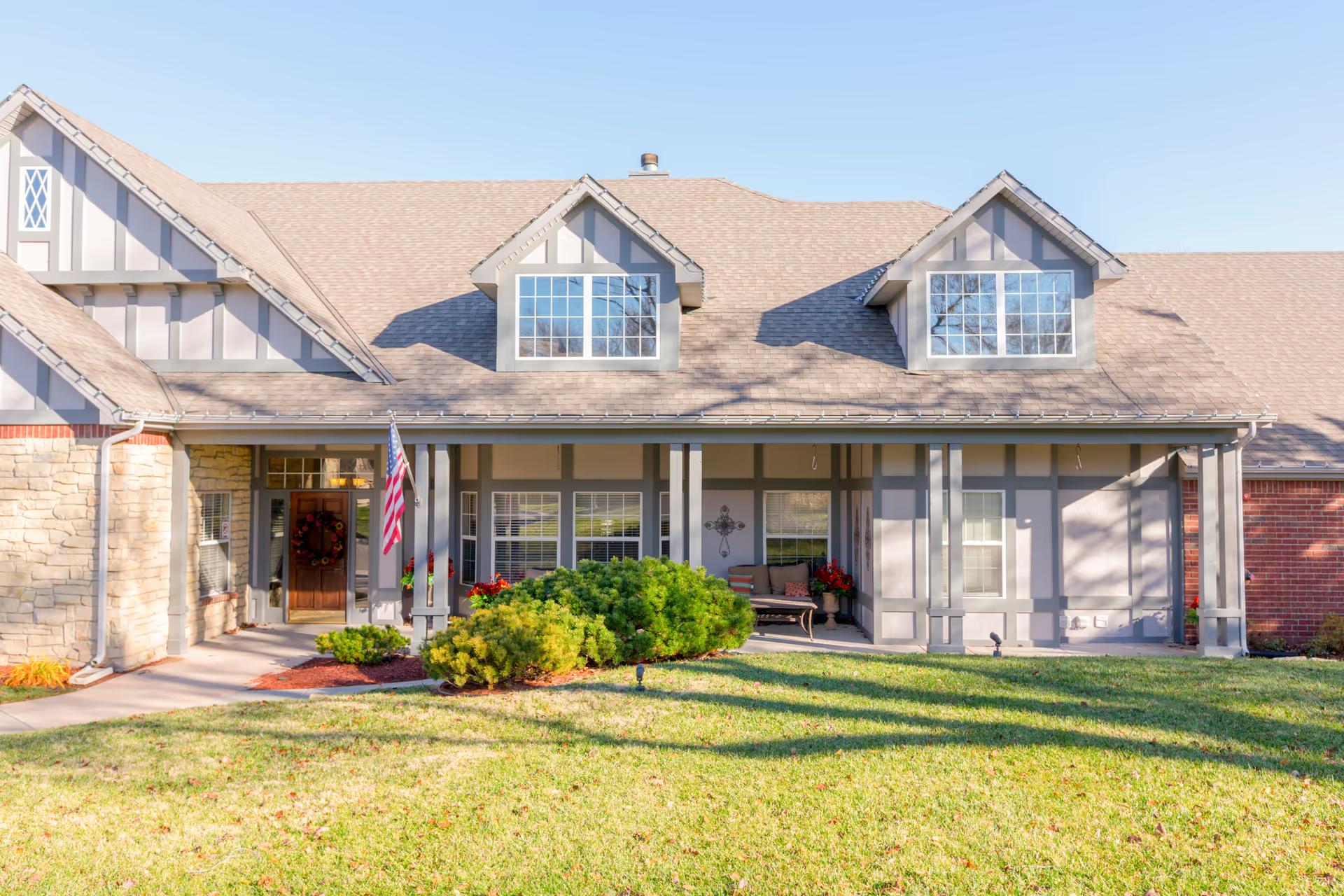
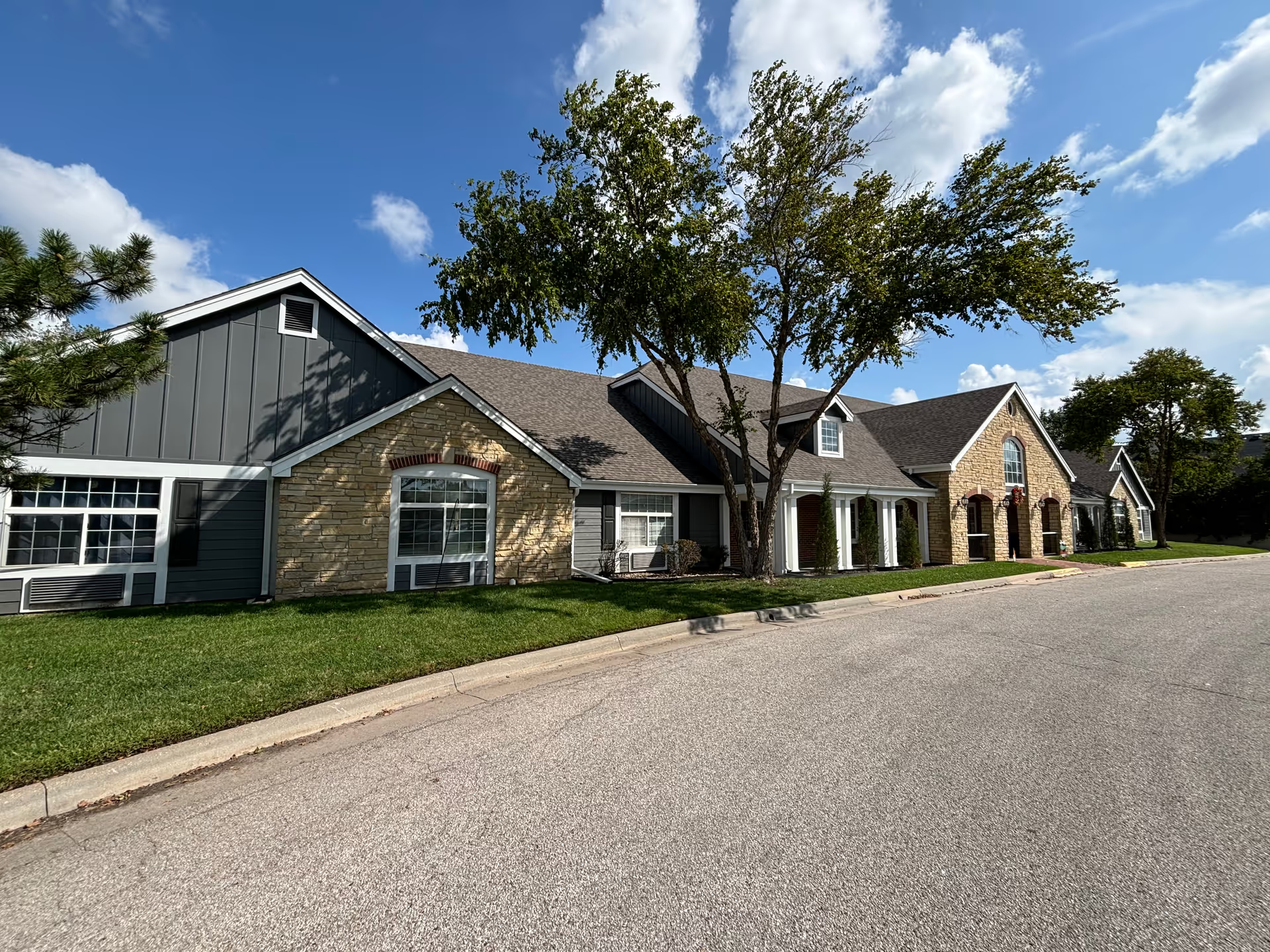
Reviews of Victoria Falls Skilled Nursing describe a facility with a broad set of programs and physical amenities but with notable variation in operational reliability. Strengths frequently cited include an active social calendar, multiple communal spaces, cafeteria-style dining that encourages resident participation, and accessible location with ample parking and some transportation options. Therapy services, particularly for eating and swallowing, are available and have been helpful for some residents. Many families also praised current caregiving staff as attentive, compassionate, and professional, and several noted that common areas and rooms are kept clean and well maintained.
Care quality is described inconsistently across reviews. Positive accounts emphasize engaged, kind staff and strong emotional or end-of-life support; negative accounts raise concerns about supervision, timely attention to personal-care needs, and medication administration. The pattern of comments suggests variability tied to staffing levels and turnover: when staffing is steady and leadership is effective, families report good hands-on care and responsive service; when staffing is thin or changing, reviewers describe delays in routine care tasks and concerns about monitoring chronic conditions and acute events.
Clinical practice issues are a recurring theme. Several comments point to delayed medication delivery and morning-care routines, as well as questions about feeding and swallowing protocols for residents with complex needs. There are also references that imply gaps in clinical monitoring and timely intervention for acute conditions, which prospective families should probe further when evaluating the facility. Reviewers noted that long hallways and the facility layout may make close supervision more challenging, and some indicated that the community may be less suitable for residents with advanced cognitive impairment who require frequent observation.
Management and staff-conduct concerns appear in multiple comments. While many emphasize that current staff are professional and caring, other remarks describe troubling interactions involving leadership and inconsistent responsiveness to family concerns. This mixed picture, combined with mentions of staff turnover, suggests variability in management effectiveness over time. Prospective families should ask about current staffing ratios, leadership tenure, staff training, and specific dementia-care capabilities.
Dining and activities are clear strengths: the cafeteria-style service, social dining involvement, and robust activity programming receive repeated praise. At the same time, some families noted challenges with dental appliances and chewing difficulties for certain residents, indicating a need for individualized feeding plans and follow-up with therapy and dental/prosthetic services.
Overall, Victoria Falls offers many of the amenities and programs families seek in a skilled nursing setting, and many reviewers report positive experiences with current staff and activities. However, the facility also shows operational weaknesses that have led to serious concerns in some accounts—particularly around staffing consistency, clinical monitoring, medication timing, personal-care responsiveness, and leadership communication. Families touring the facility should review current staffing levels and turnover, observe care during peak times (such as mornings and medication rounds), ask about feeding and swallowing protocols, and discuss how the facility manages residents with advanced dementia or complex medical needs.