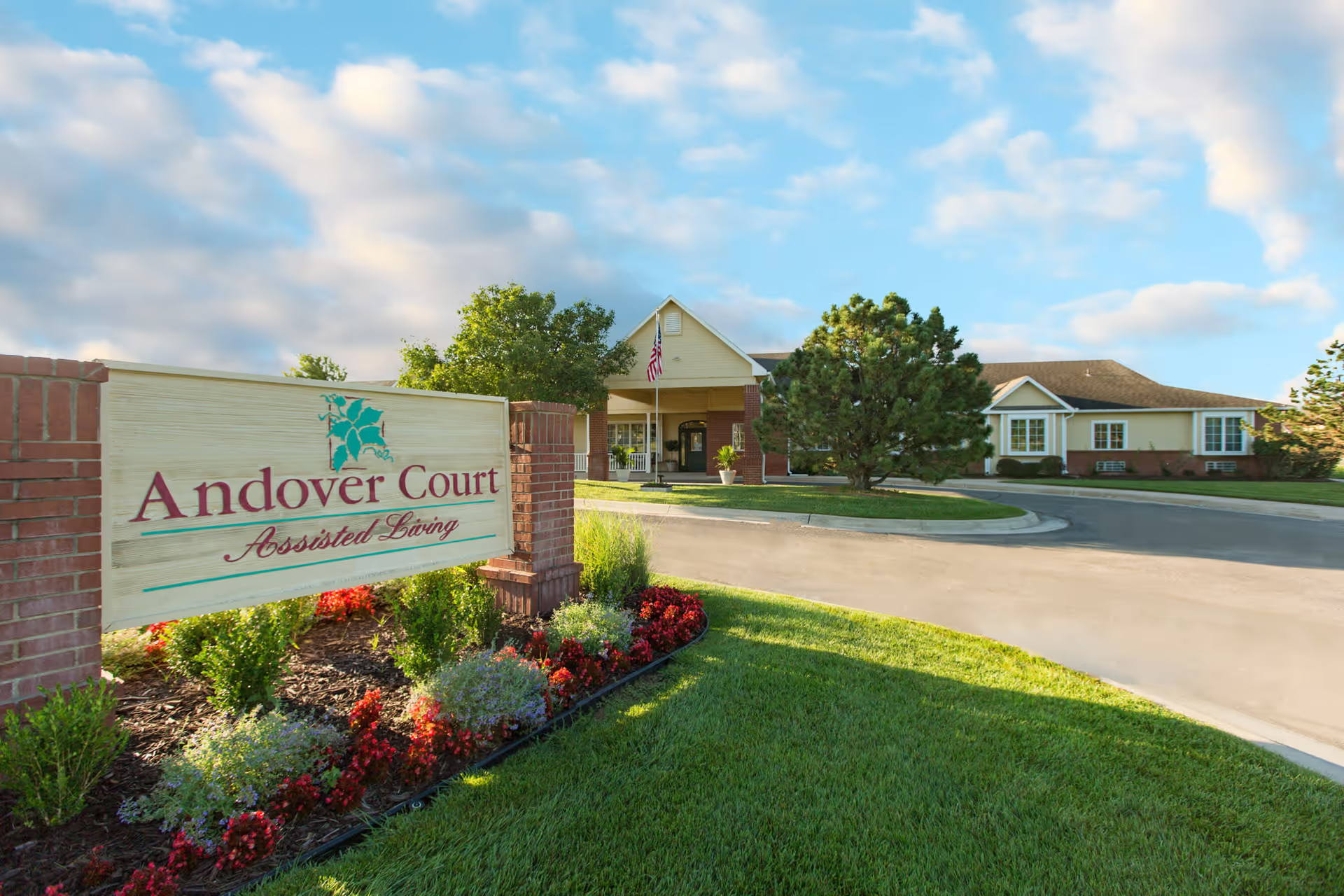
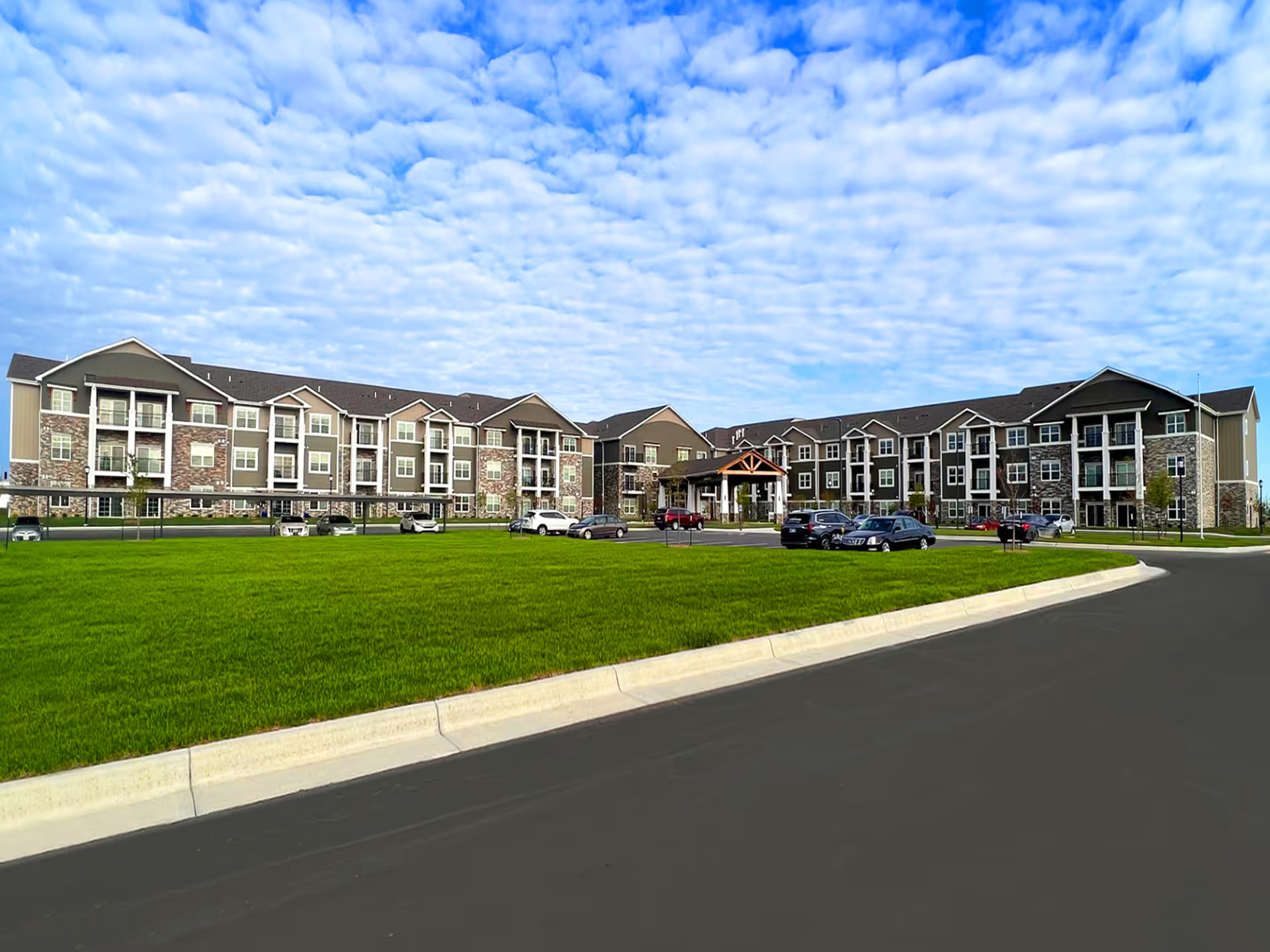
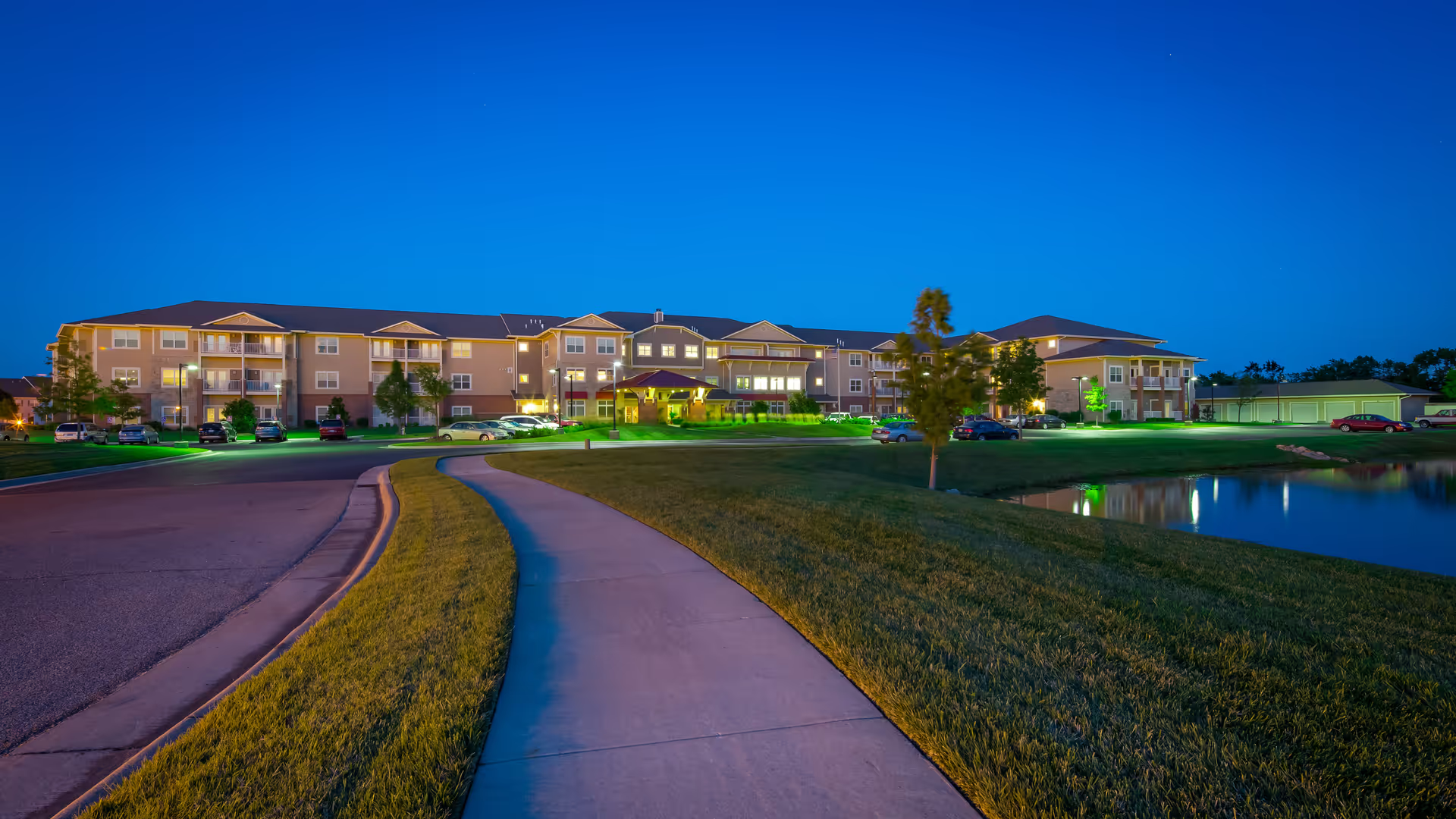
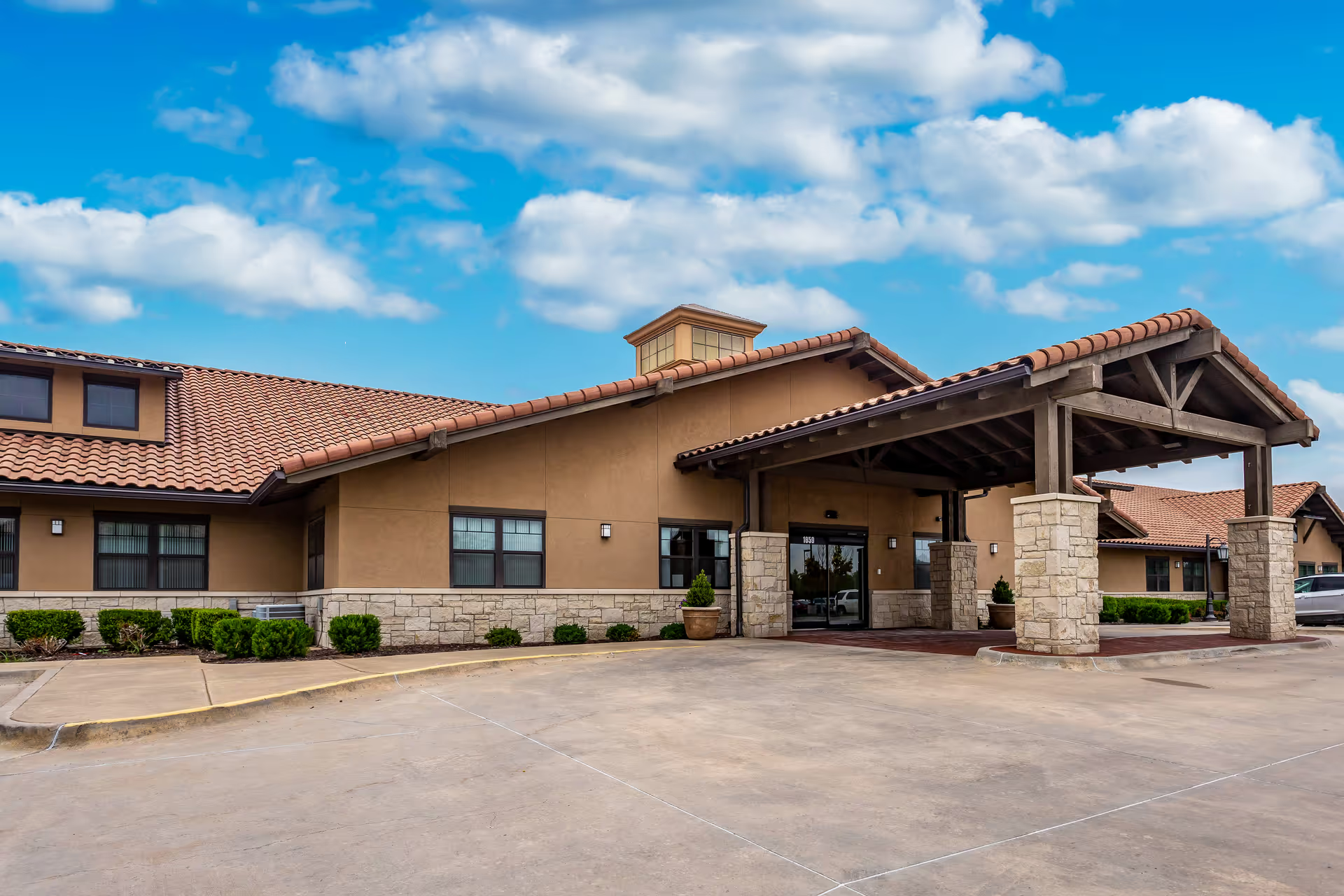
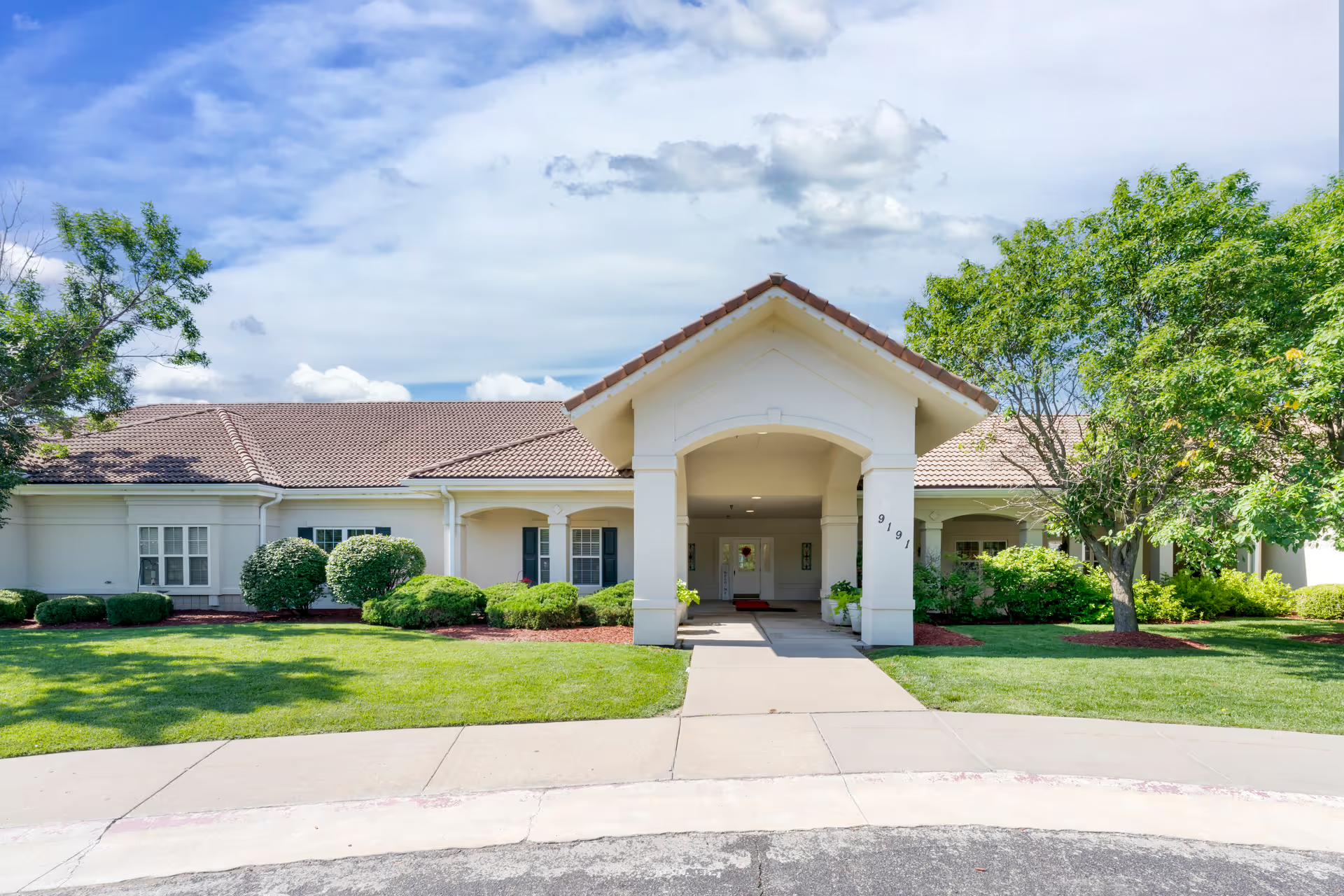
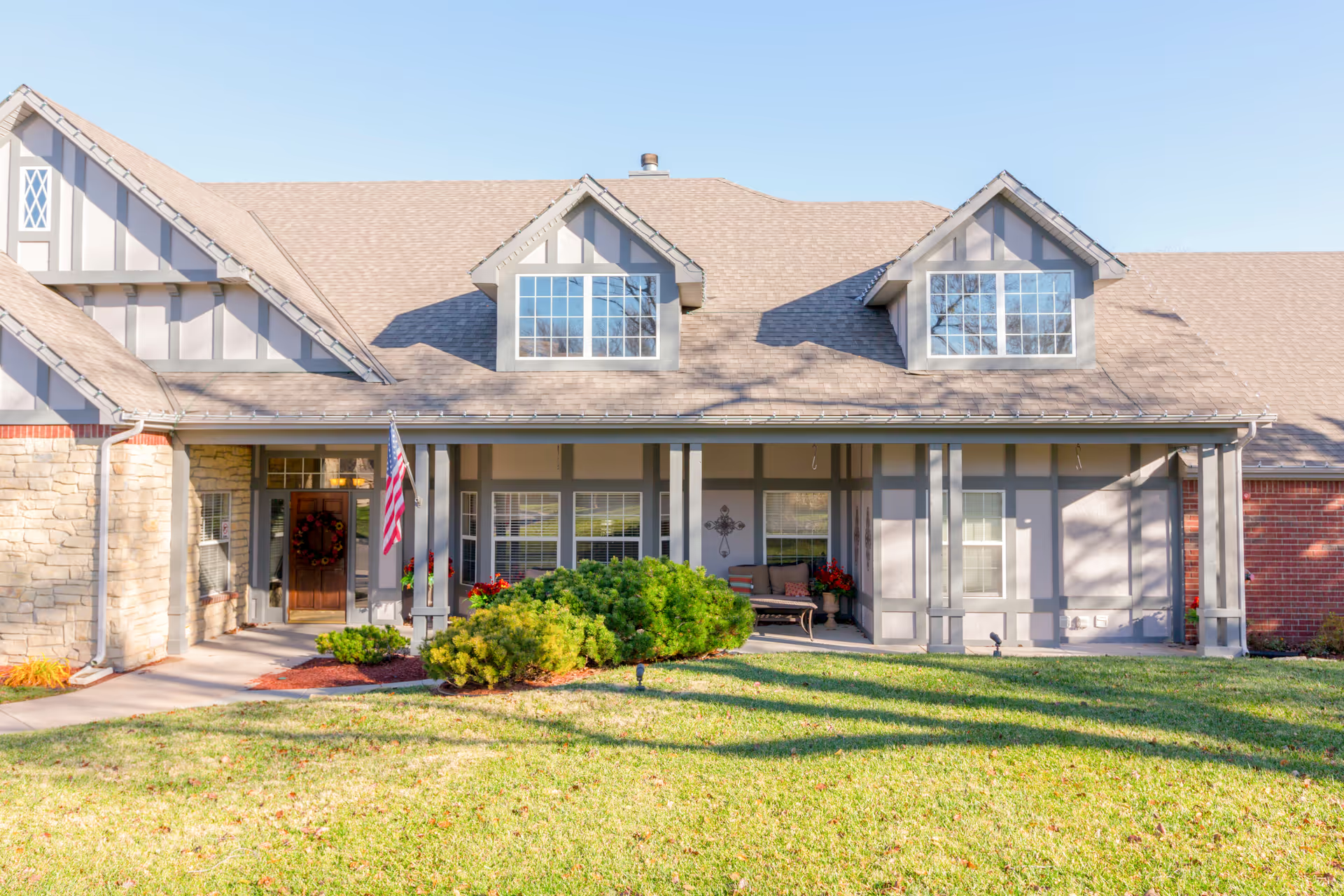
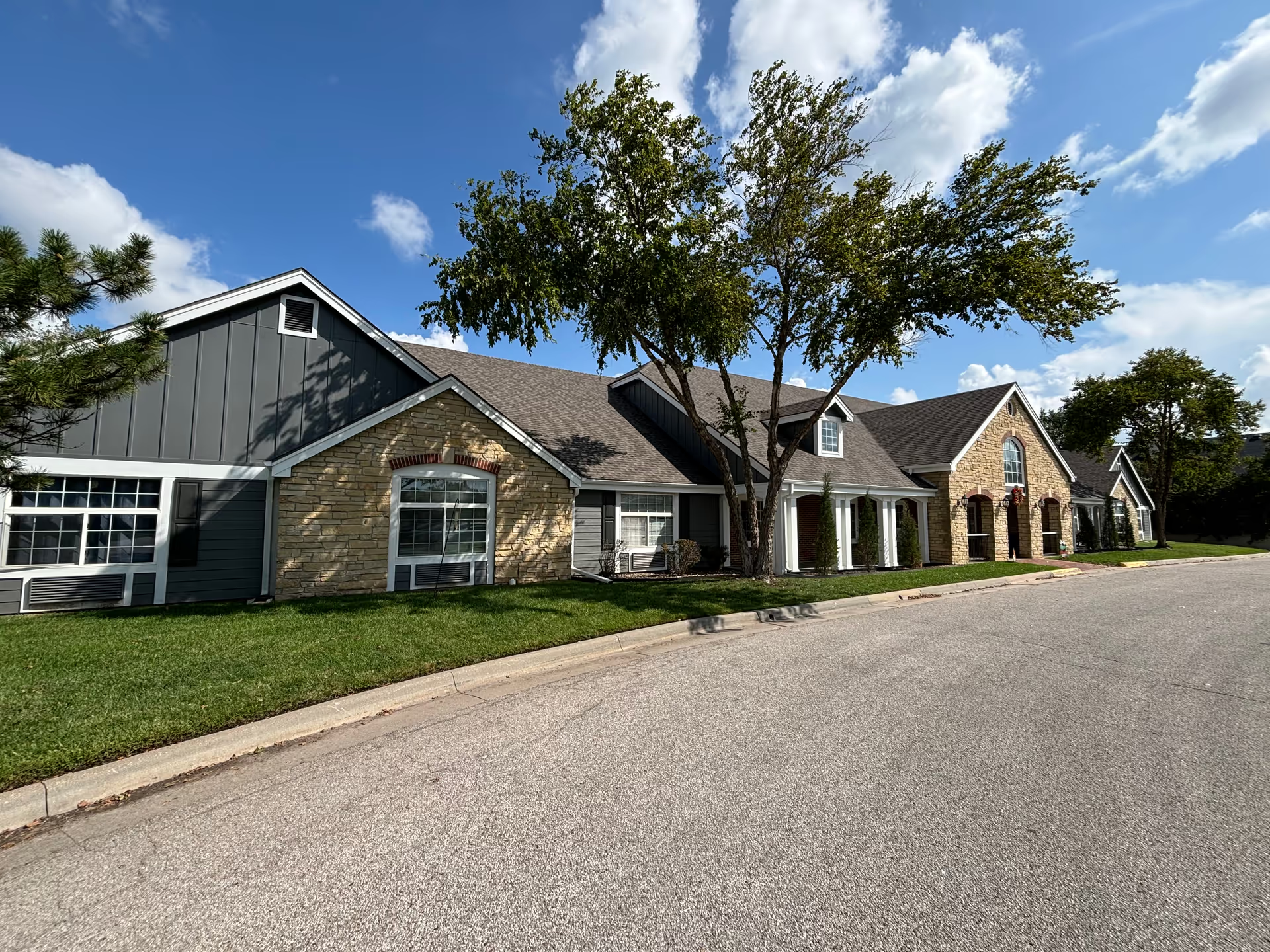
Homestead Assisted Living & Memory Care of Augusta is described overall as a small, rural, campus with a family-oriented philosophy and a focus on memory care. Strengths most frequently noted include trained memory-care staff, compassionate and attentive caregivers, secure dementia-care units, and an organized evaluation/transition process that supports movement from assisted living to memory care. The facility offers a range of apartment styles (private studios and one-bedrooms), on-site amenities such as a beauty/nail salon and small store, pastoral services, and regular visiting clinicians (PA and podiatrist). Many families praise the dining program—three meals daily with dining-room service, liked food, and available snacks—and the property’s well-kept grounds and home-like atmosphere.
Staffing and care delivery present a mixed picture. Numerous reviewers emphasize that staff are friendly, patient, and personally engaged with residents, and that management and intake staff can be helpful and responsive. At the same time, recurring operational issues emerge: periodic understaffing and staff turnover, inconsistent housekeeping and incontinence-care supports in the memory-care unit, and variable shift documentation and family communication. These operational gaps have led to perceptions of uneven care continuity and occasions when families felt additional oversight was needed.
Clinical and safety practices are another notable area of concern. Several accounts point to weaknesses in medication-administration practices, broader safety oversight, and the facility’s reliance on external home-health and hospice providers because there is no on-site skilled nursing. Families should expect that certain clinical needs will require coordination with outside agencies rather than being managed entirely in-house. Equipment maintenance and disclosure processes (for example, mobility aids) have also been flagged as needing improvement.
Amenities and activities are adequate for a smaller community: routine events, pastoral services, and a relaxed atmosphere are commonly appreciated, and special events (holiday gatherings, community activities) receive positive mention. However, activity offerings are sometimes described as limited relative to expectations for engagement, and there are accessibility considerations for upper-floor areas that may affect residents with mobility limitations. Communication infrastructure — notably telephone jack placement and the on-site phone system — has been identified as a practical barrier to some families’ ability to stay in close contact with residents.
In summary, Homestead of Augusta offers many of the relational and environmental qualities families seek in a small assisted-living/memory-care community: trained memory-care staff, a secure setting, apartment-style living, and a personable care culture. Prospective residents and decision-makers should weigh these strengths against operational limitations, particularly around staffing consistency, certain aspects of clinical and safety management, housekeeping in memory care, telephone accessibility, and the absence of on-site skilled nursing. Visiting the community, reviewing current staffing and clinical protocols, and clarifying billing/refund and placement policies are recommended steps for families considering this facility.