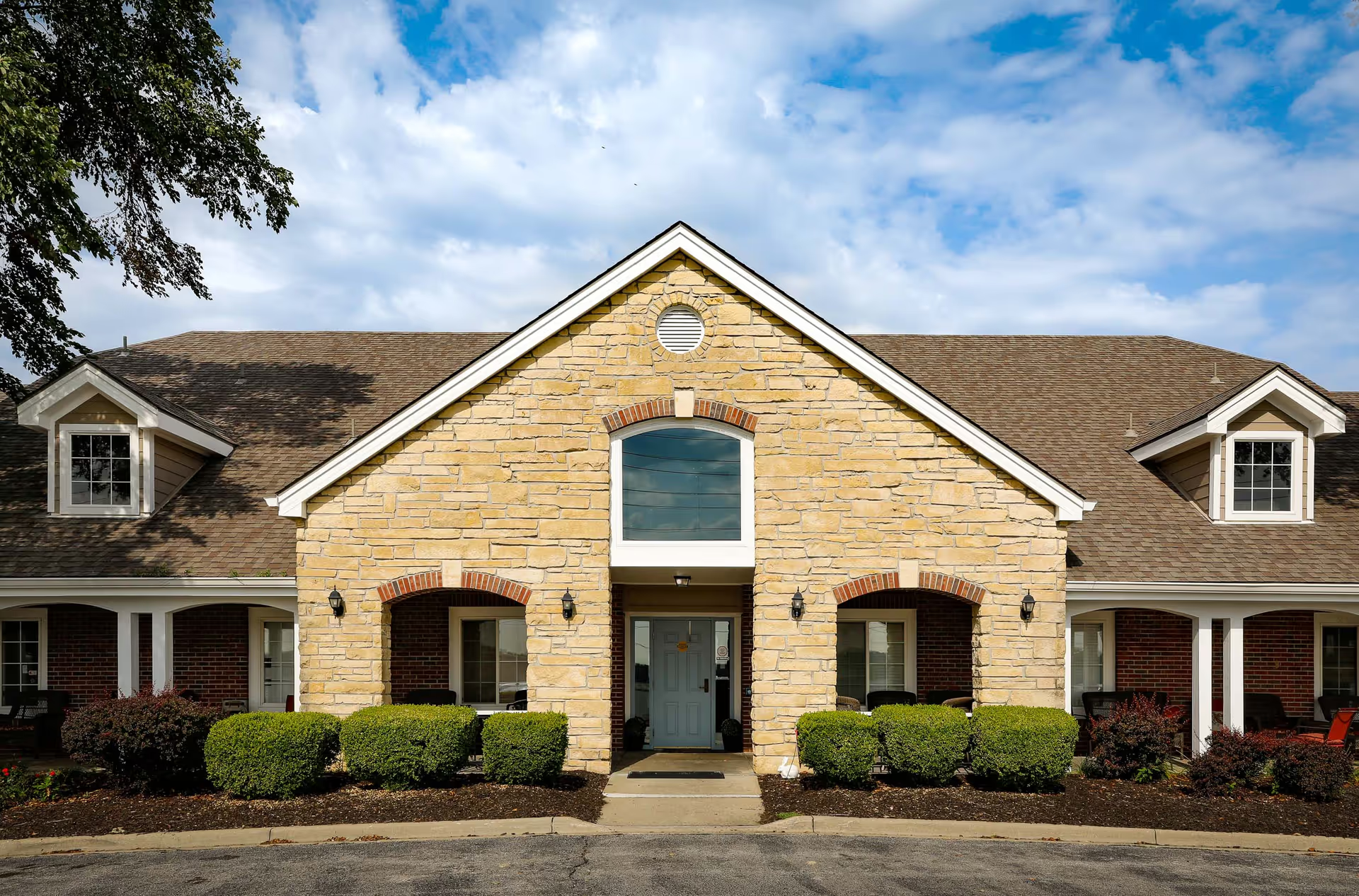
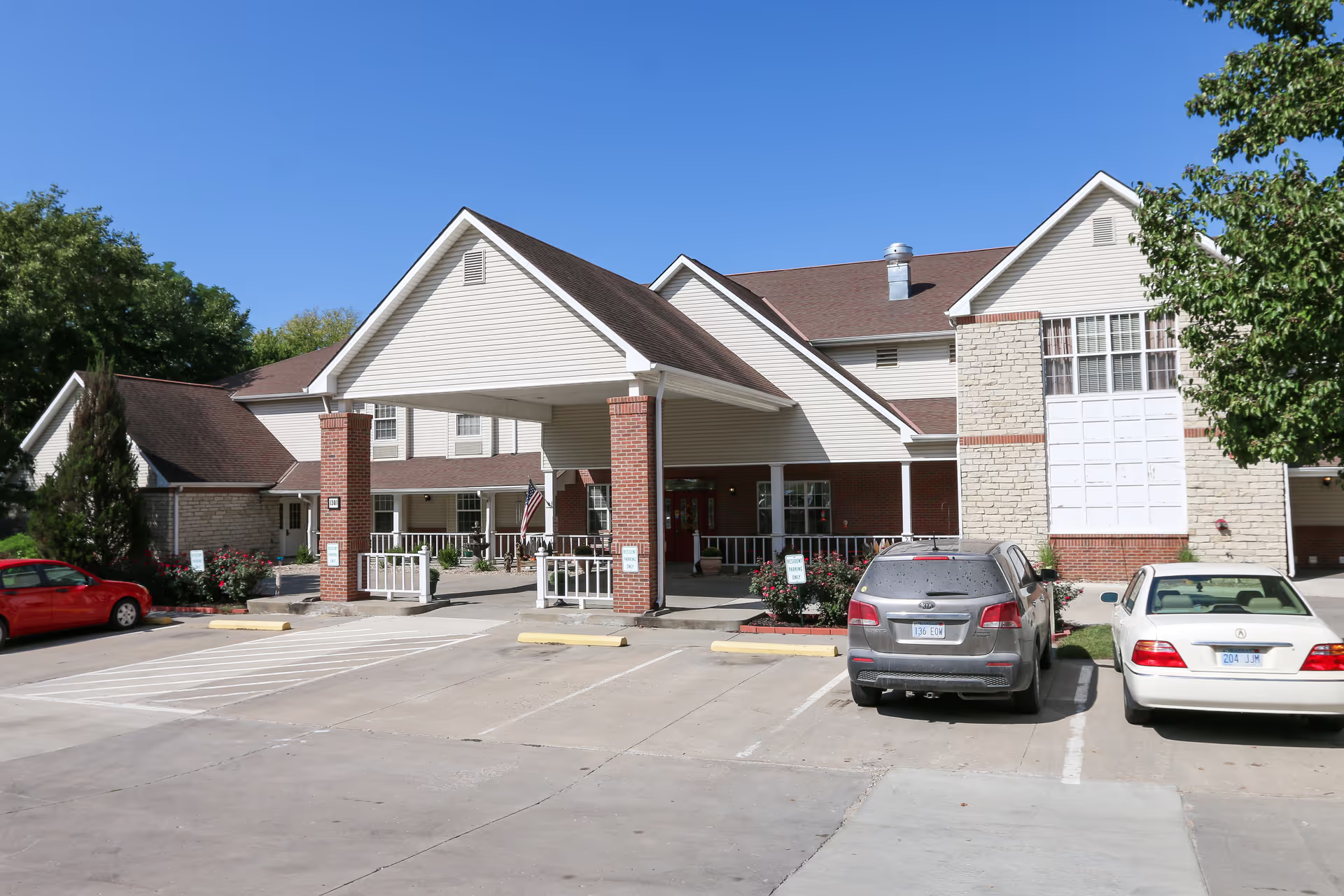
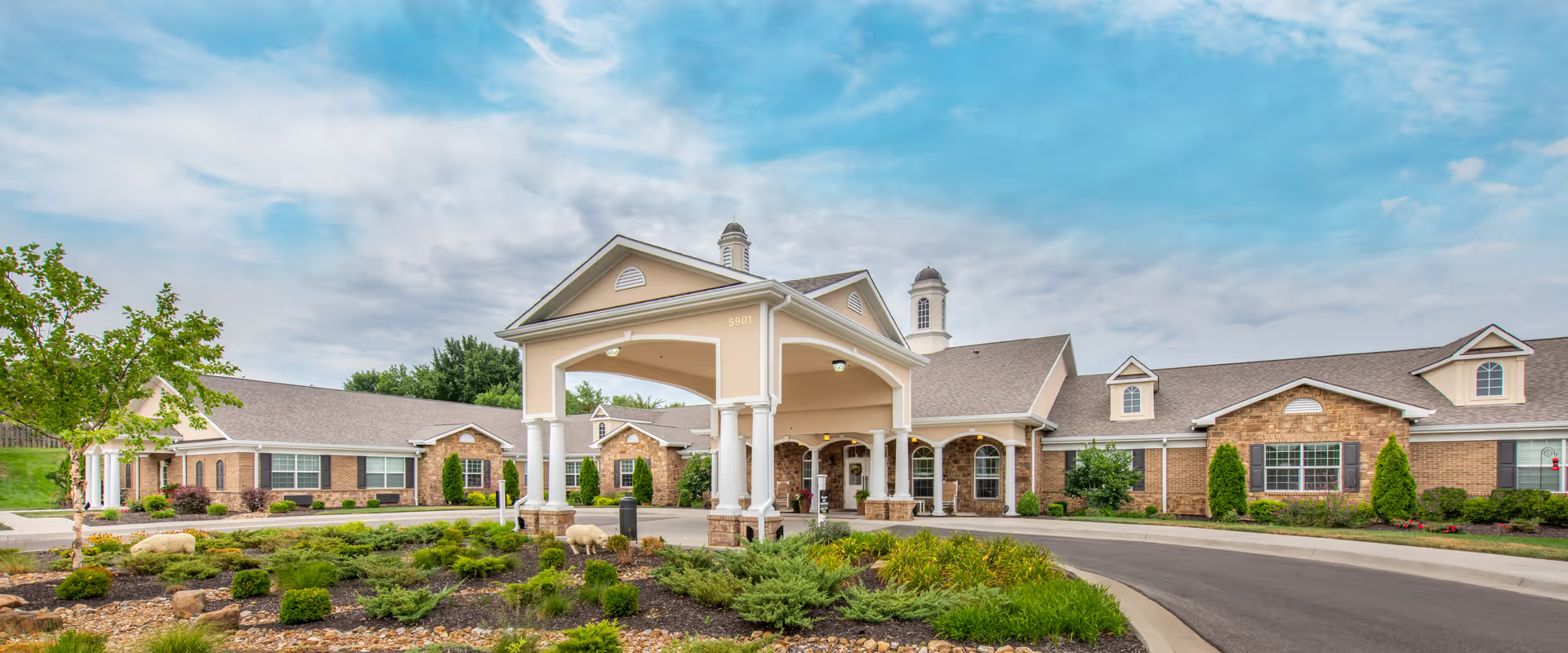
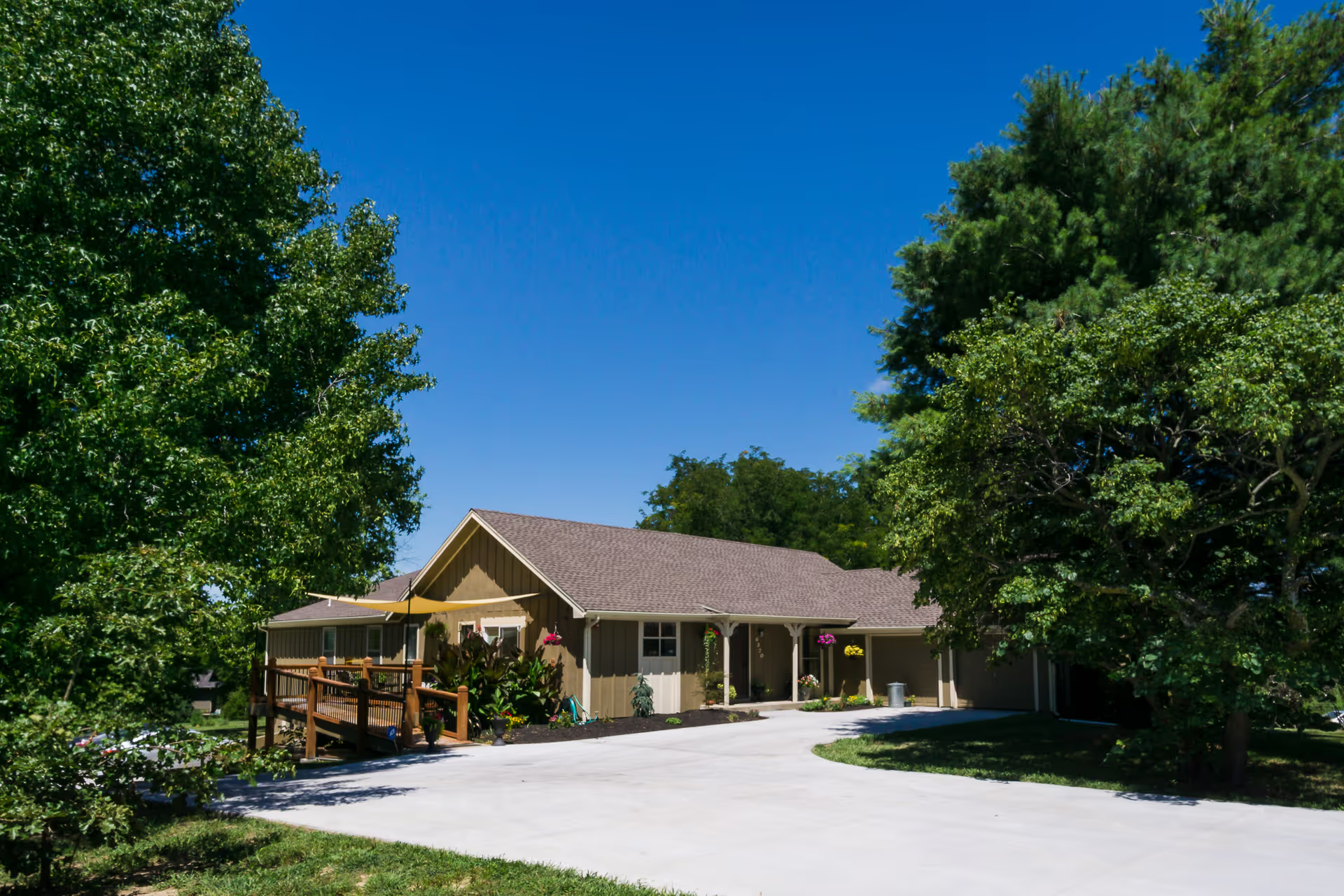
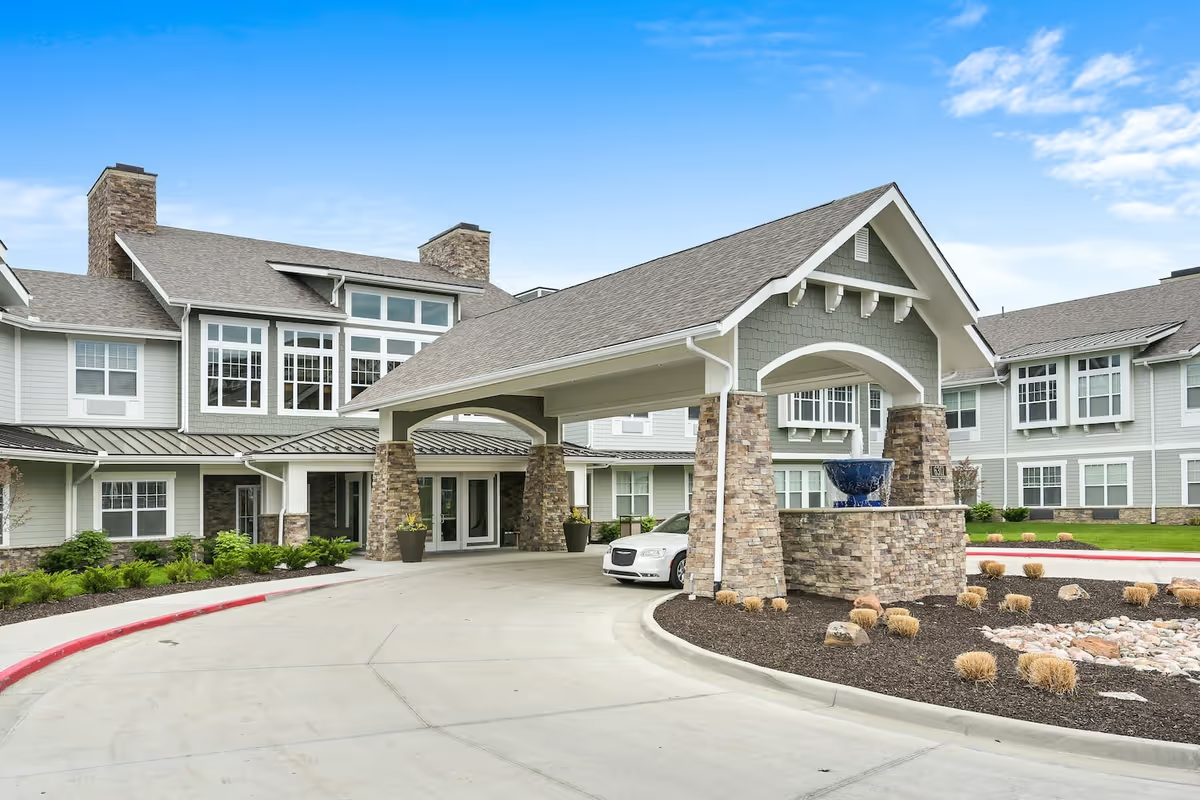
ANEW Healthcare and Rehab–Easton elicits a mixed but overall positive impression with a small number of significant concerns. Many accounts emphasize a homelike, comfortable atmosphere, a peaceful country setting, and attractive grounds. Clinical staff are frequently described as experienced and well trained, and several families highlight personalized, resident-centered care focused on both physical and mental wellbeing. Dining and programming receive consistent praise: meals are described as high quality and appealing (with specific mention of homemade shakes), and activities are characterized as creative, person-centered, and well attended by residents.
Care and staff performance are a central strength in most descriptions. Multiple comments reference seasoned healthcare professionals and attentive clinical staff who contribute to residents’ comfort and enjoyment. Positive notes about individualized attention and staff efforts to support residents’ happiness suggest a facility culture that prioritizes engagement and quality of life. At the same time, at least one account raises substantive concerns about staff conduct and responsiveness; these concerns point to variability in interpersonal interactions and timeliness of care.
Dining and activities are consistently identified as strong program areas. The facility’s meal service is described as flavorful and resident-pleasing, and the activity program appears to be thoughtfully designed with person-centered options that residents look forward to. Those features support social and emotional wellbeing and are likely important selling points for prospective residents and families.
Facilities and cleanliness present mixed signals. Several comments describe the interior as clean, comfortable, and homelike, but a notable negative account raises sanitation and odor concerns and identifies issues with personal hygiene care and missing clothing. Taken together, these observations indicate potential inconsistencies in housekeeping, laundry, and personal-care execution rather than a uniform facility-wide condition. The existence of conflicting impressions suggests variability by shift, unit, or time period.
Management and operational patterns warrant attention. The co-occurrence of strong clinical praise and isolated but serious operational complaints suggests gaps in quality-assurance, oversight, or staffing consistency. Specific operational areas to probe when evaluating the facility include laundry and personal-item handling, bathing and incontinence-care scheduling, staff training on resident interaction and responsiveness, and shift-to-shift consistency measures. Families touring the facility should ask about staffing ratios, laundry and linen processes, recent inspection or survey outcomes, and mechanisms for reporting and resolving care concerns.
Overall, the facility is described by many as providing high-quality food, engaging activities, and compassionate, experienced clinical care in a pleasant rural environment. However, the presence of at least one detailed complaint about sanitation, personal-care scheduling, and lost clothing indicates a need for confirmation of consistent operational practices. Prospective residents and relatives should validate these operational areas during visits and through direct questions to administration before making placement decisions.