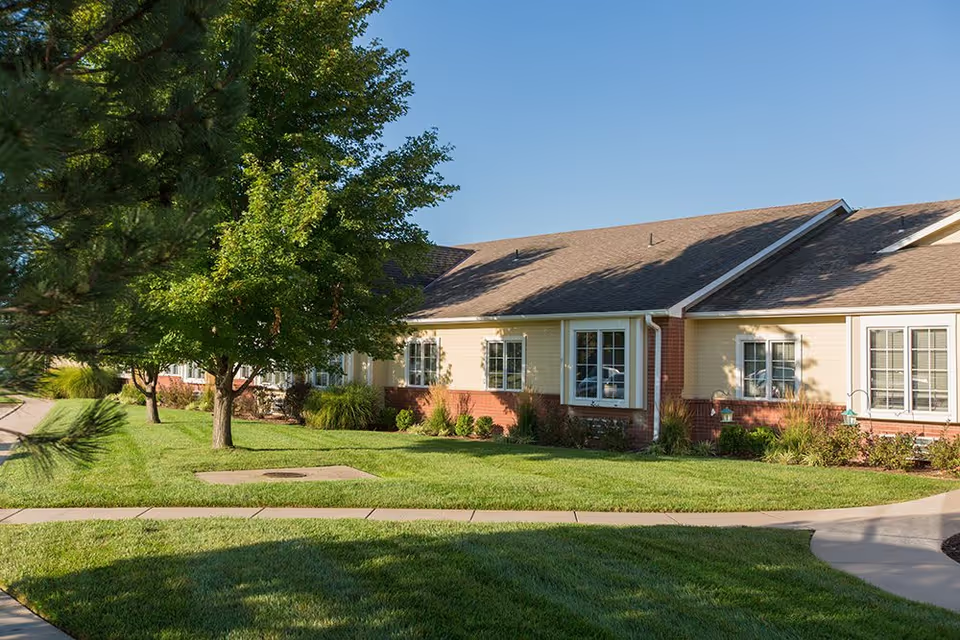
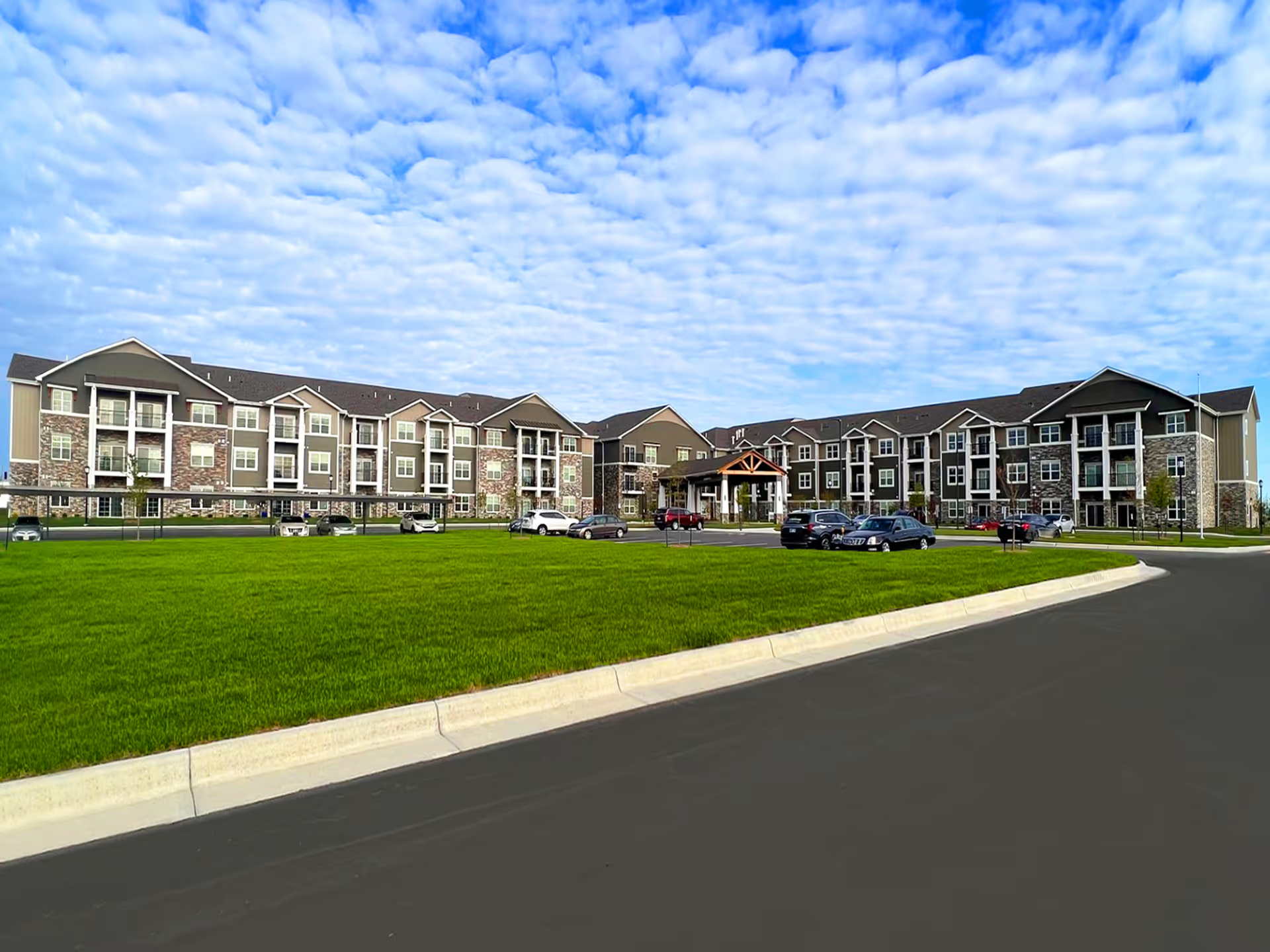
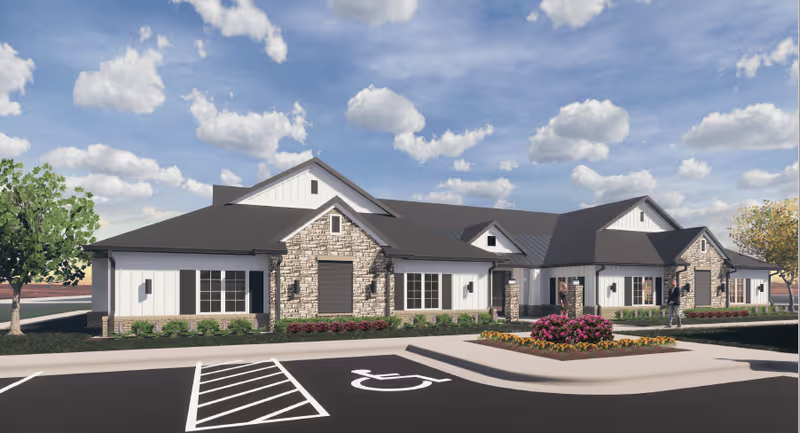
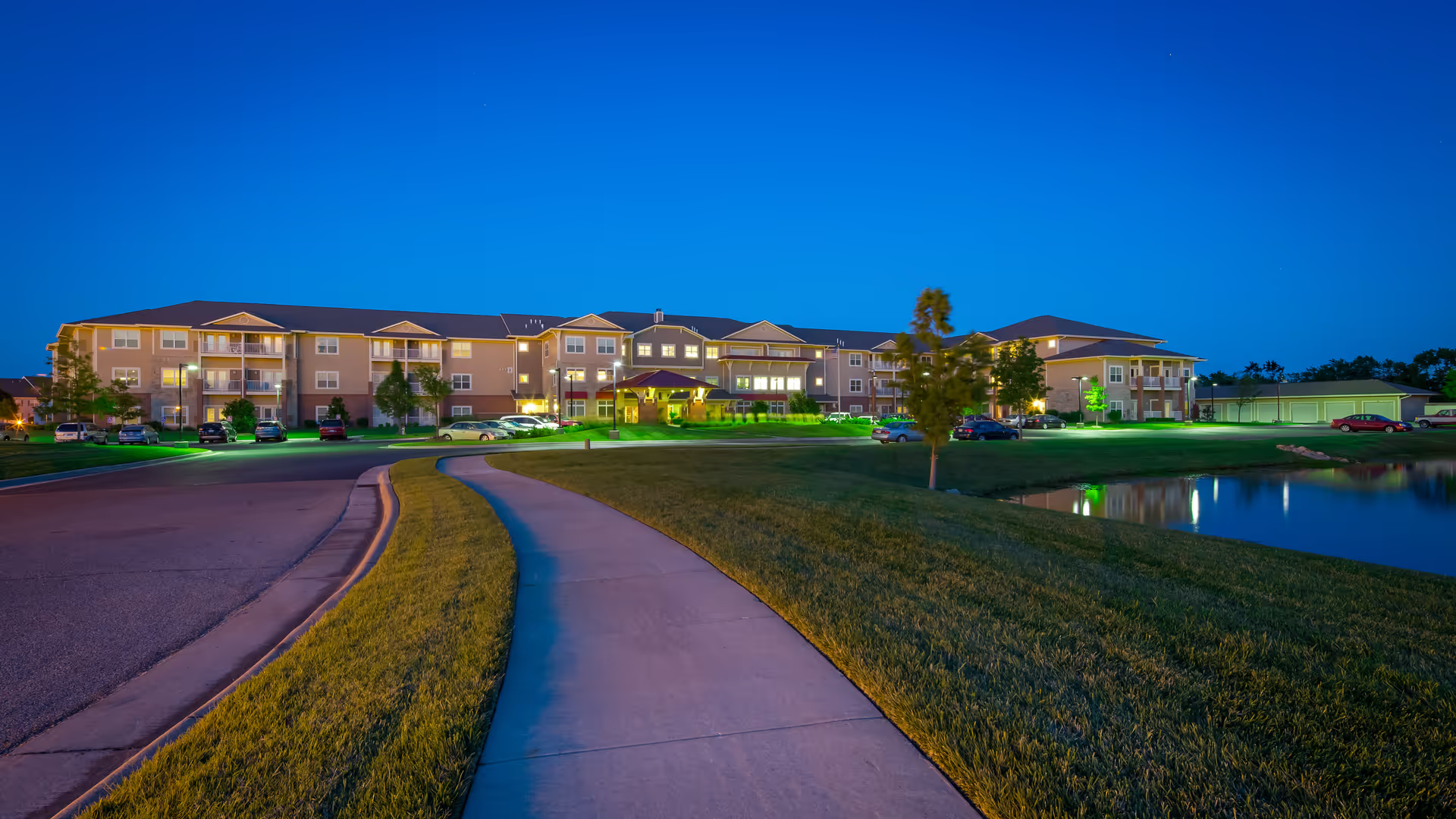
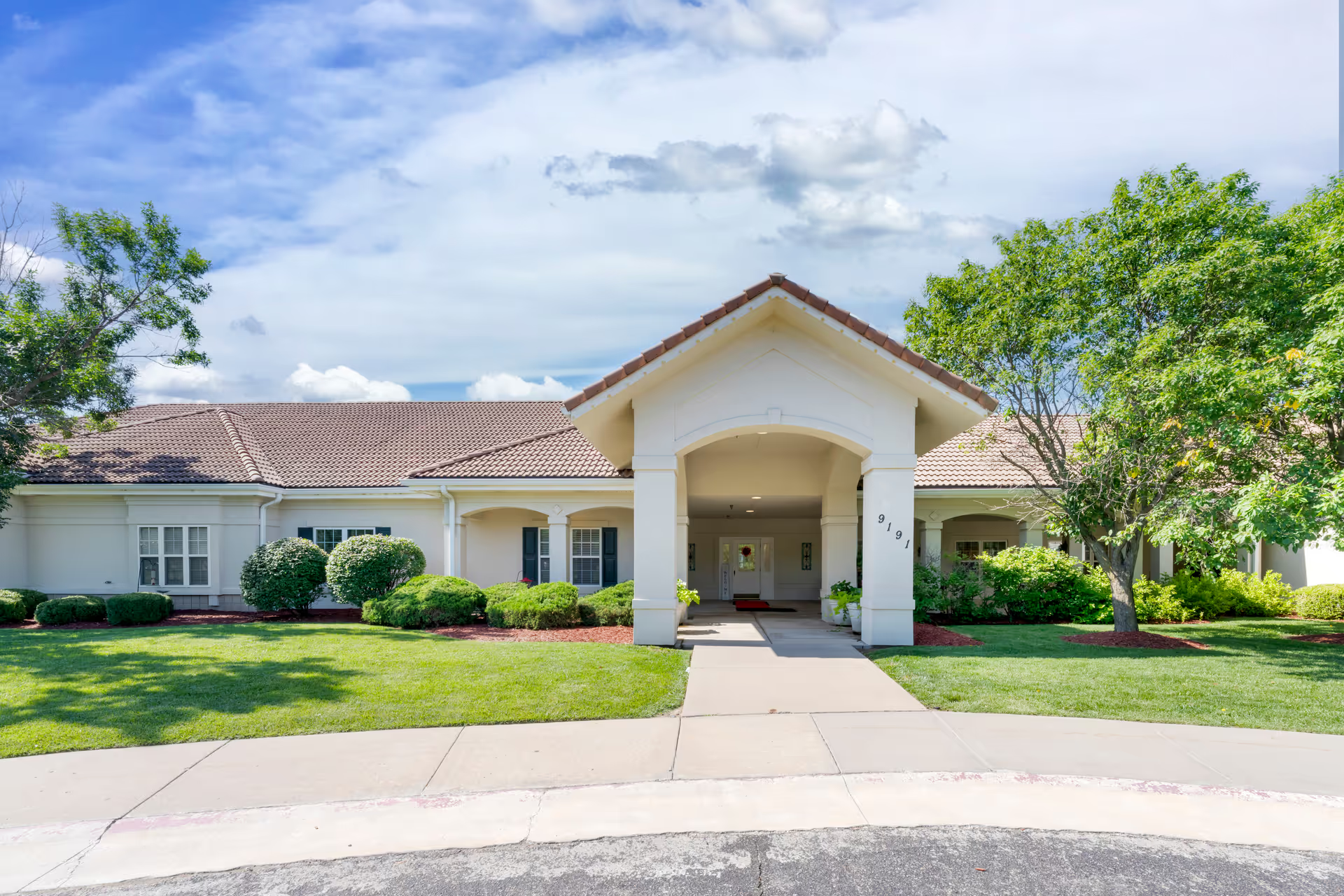
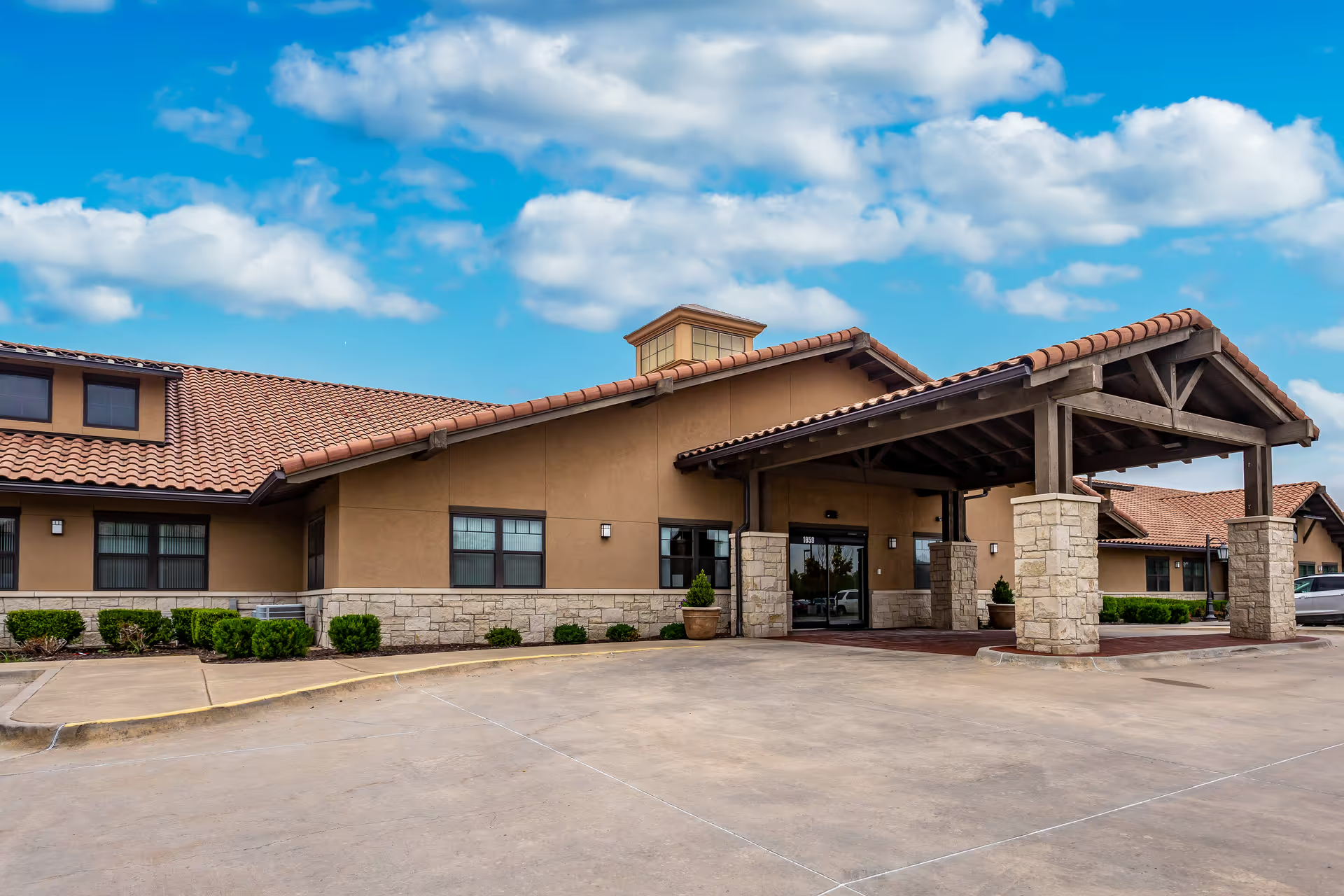
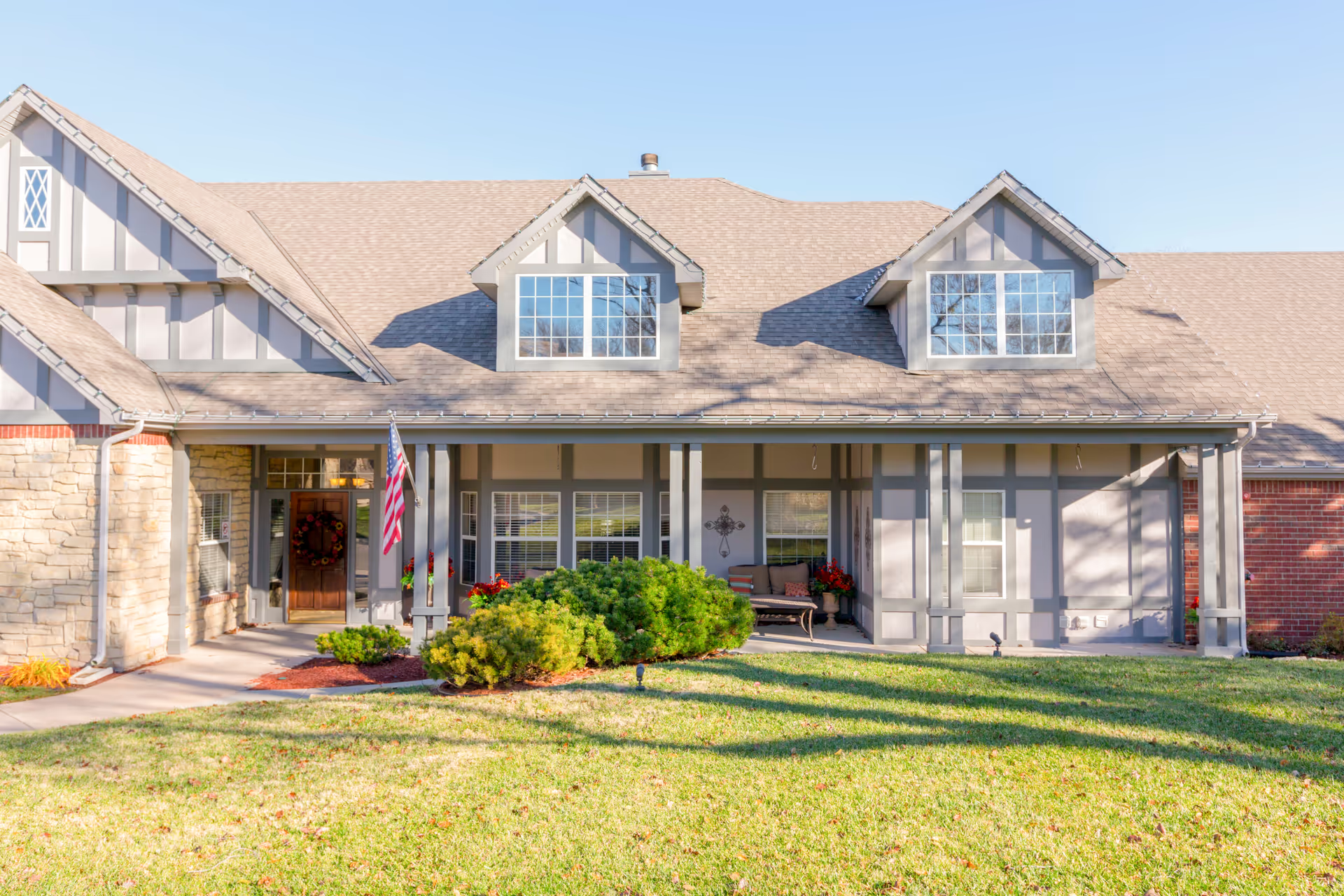
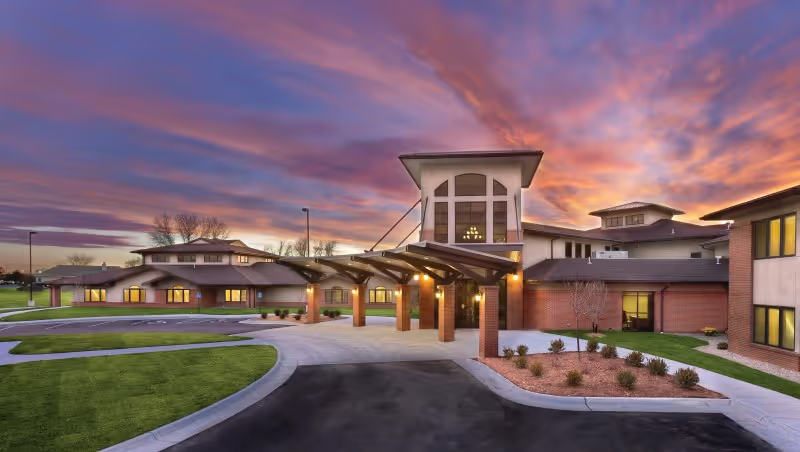
El Dorado Care and Rehabilitation presents a mixed operational profile. Positive aspects frequently described include a pleasant, picturesque campus and a folksy, home-like atmosphere supported by spacious common areas such as a large dining room and a dedicated activity room. Reviewers repeatedly note a strong network of clinical partners (laboratory, pharmacy, therapy, hospice) that supports transitional and rehabilitative care. Admissions and outreach functions — frequently associated with a named point person — are highlighted as responsive and helpful.
Clinical care and staff performance generate both strong praise and notable concerns. Many families and visitors describe caring, attentive CNAs and nurses who go above and beyond, and leadership (including the Director of Nursing) and new management have been credited with improving morale and operations. At the same time, there are recurring notes about inconsistent staff conduct and tone, variability in responsiveness to resident requests, and isolated allegations of unexplained marks on residents that families found inadequately explained. These themes point to uneven performance across shifts or teams rather than uniformly poor or uniformly excellent care.
Dining and kitchen operations are another area of mixed feedback. Dedicated kitchen staff and individualized meal attention are frequently commended, and activities programming receives positive remarks. However, infrastructure problems — notably limited or nonfunctional air conditioning, hot kitchen conditions, and some appliance failures — have been reported as affecting resident comfort and operational continuity.
Facility condition and environmental services are similarly divided. Public areas and common spaces are often described as clean and well maintained, and infection‑control efforts (including maintaining a COVID‑free status) have been emphasized. Conversely, some reviewers describe sanitation concerns in resident rooms, inconsistent laundry handling and clothing mix‑ups, and visible cosmetic maintenance needs (patchy paint, dated finishes), suggesting variable housekeeping or room-level attention.
Administrative processes and family communication are a recurring concern. Examples include billing disputes, difficulty obtaining timely callbacks, early or unexpected discharges relative to family expectations, and gaps in how incidents are documented and communicated to families. Operationally, the facility also appears limited in its ability to accept residents who require higher-acuity services.
Overall, El Dorado seems to be an institution with many strengths — especially in partnerships, rehabilitation services, community atmosphere, and pockets of excellent staff performance — while simultaneously exhibiting operational inconsistencies in facility upkeep, staffing reliability, incident communication, and administrative coordination. Prospective residents and families should weigh the strong clinical partnerships, engaged staff members, and active management improvements against the need to confirm room-level cleanliness practices, HVAC and kitchen condition, incident-notification protocols, and the facility’s capacity for higher-acuity care before admission.