The reviews for this facility are mixed, with a clear split between accounts of attentive, effective care and accounts describing operational and communication problems. Many families praised the rehabilitation department, activity programming, and individual staff members who provided warm, hands-on care; these strengths are reflected in positive notes about therapy outcomes, resident engagement, and a small, home-like communal environment. Conversely, other families experienced significant failures in core operational areas, producing a polarized picture of the facility’s performance.
Care quality appears uneven. Positive experiences describe compassionate caregiving, proactive nursing in some shifts, and successful short-term rehab discharges. Negative experiences emphasize delayed responses to resident needs, inconsistent personal-care routines (including bathing and incontinence-care delays), and concerns about clinical follow-up such as wound management. There are also accounts that raise serious concerns about staff conduct and resident safety; these accounts include an allegation of an injury and a reported privacy breach involving staff use of social media. Together, these patterns suggest variability in how clinical standards and resident supervision are implemented across shifts and staff cohorts.
Staffing and leadership are recurring themes. Reviewers cite high turnover, frequent use of agency staff, and periods of short staffing that contribute to slower response times and inconsistent information from different nurses. Some families praised administrators who were communicative and engaged, while others described leadership as unresponsive or cold; this variability in administration performance appears to affect family confidence. Several comments point to insufficient onboarding and supervision for new hires, which reviewers linked to uneven care practices and communication tone concerns.
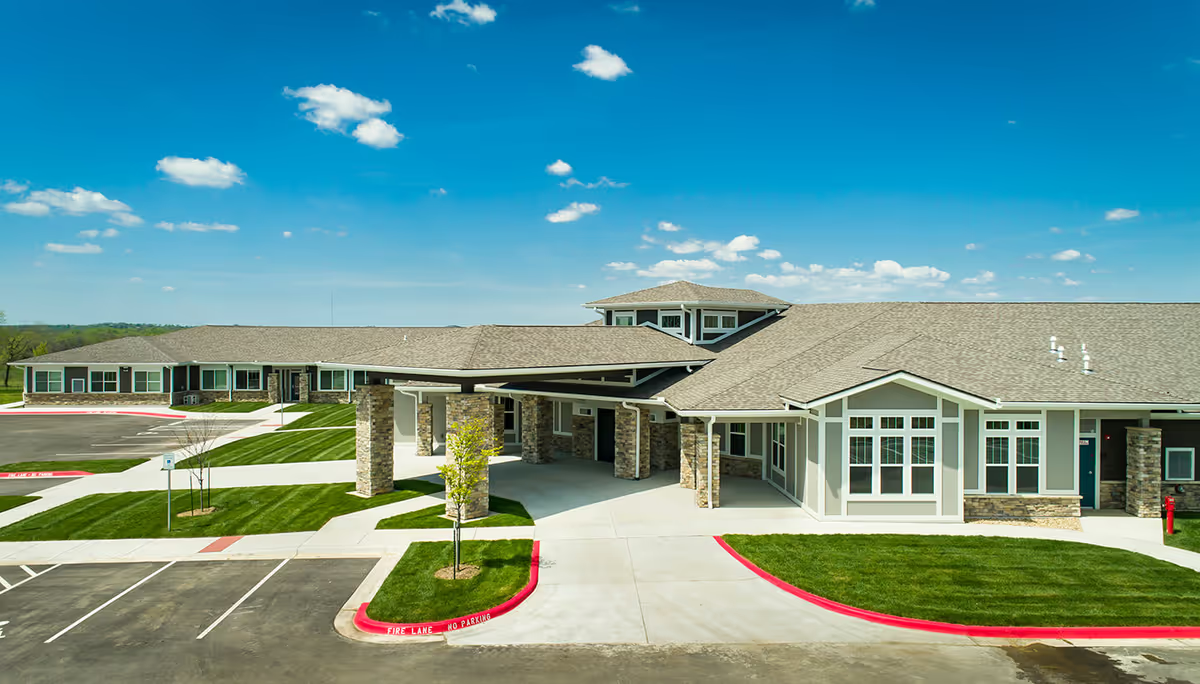
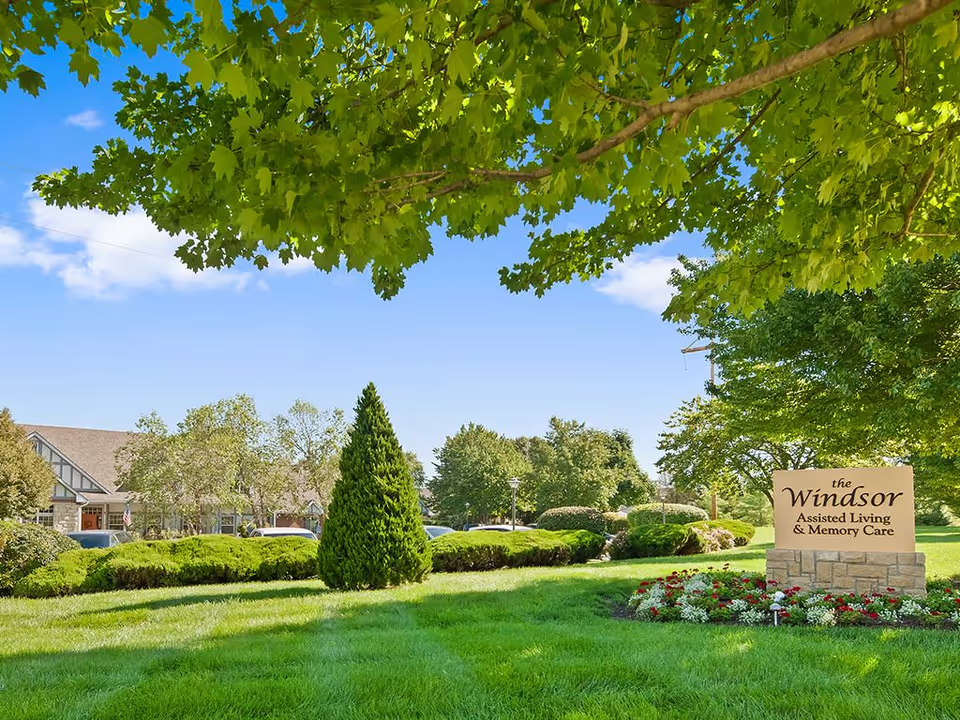
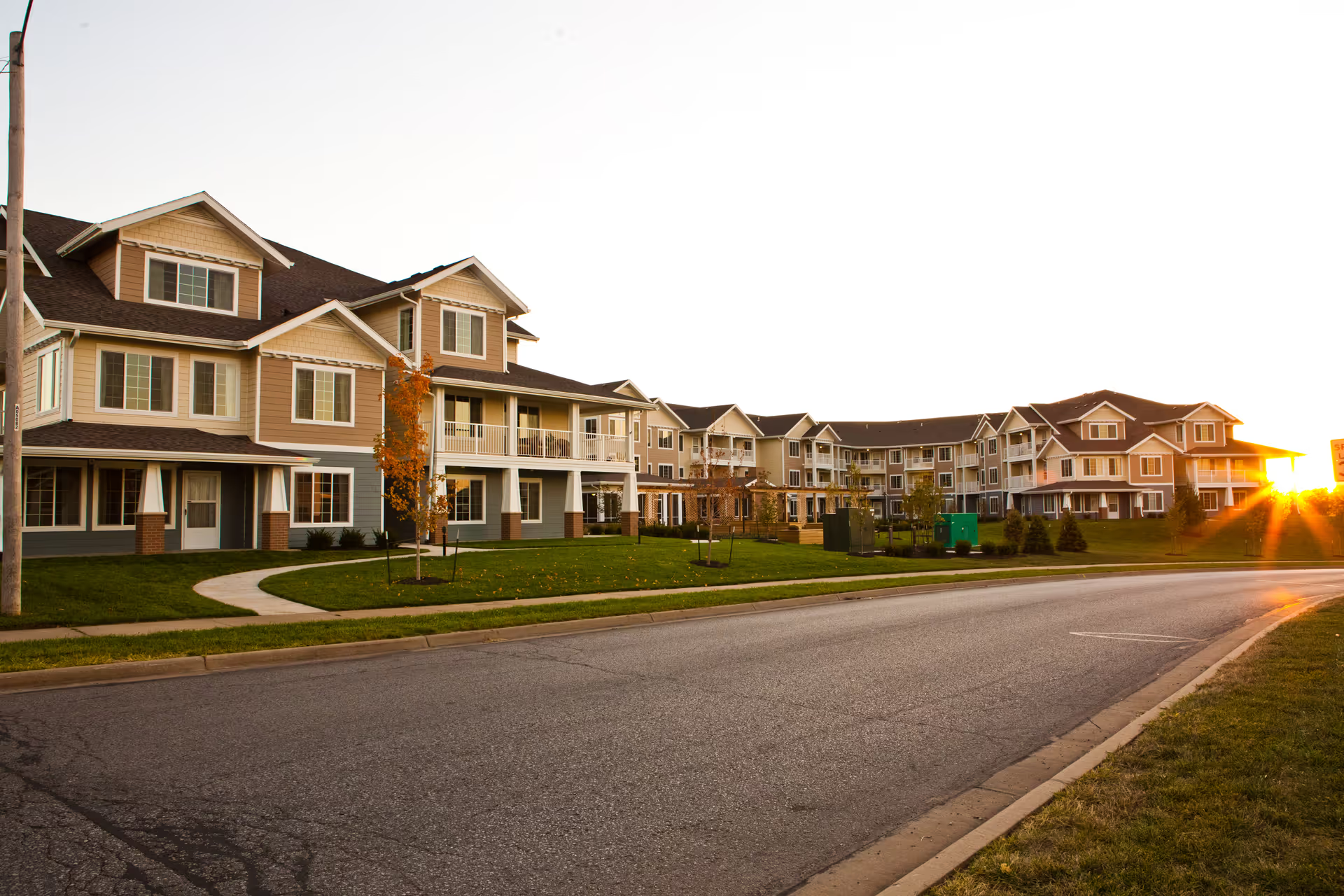
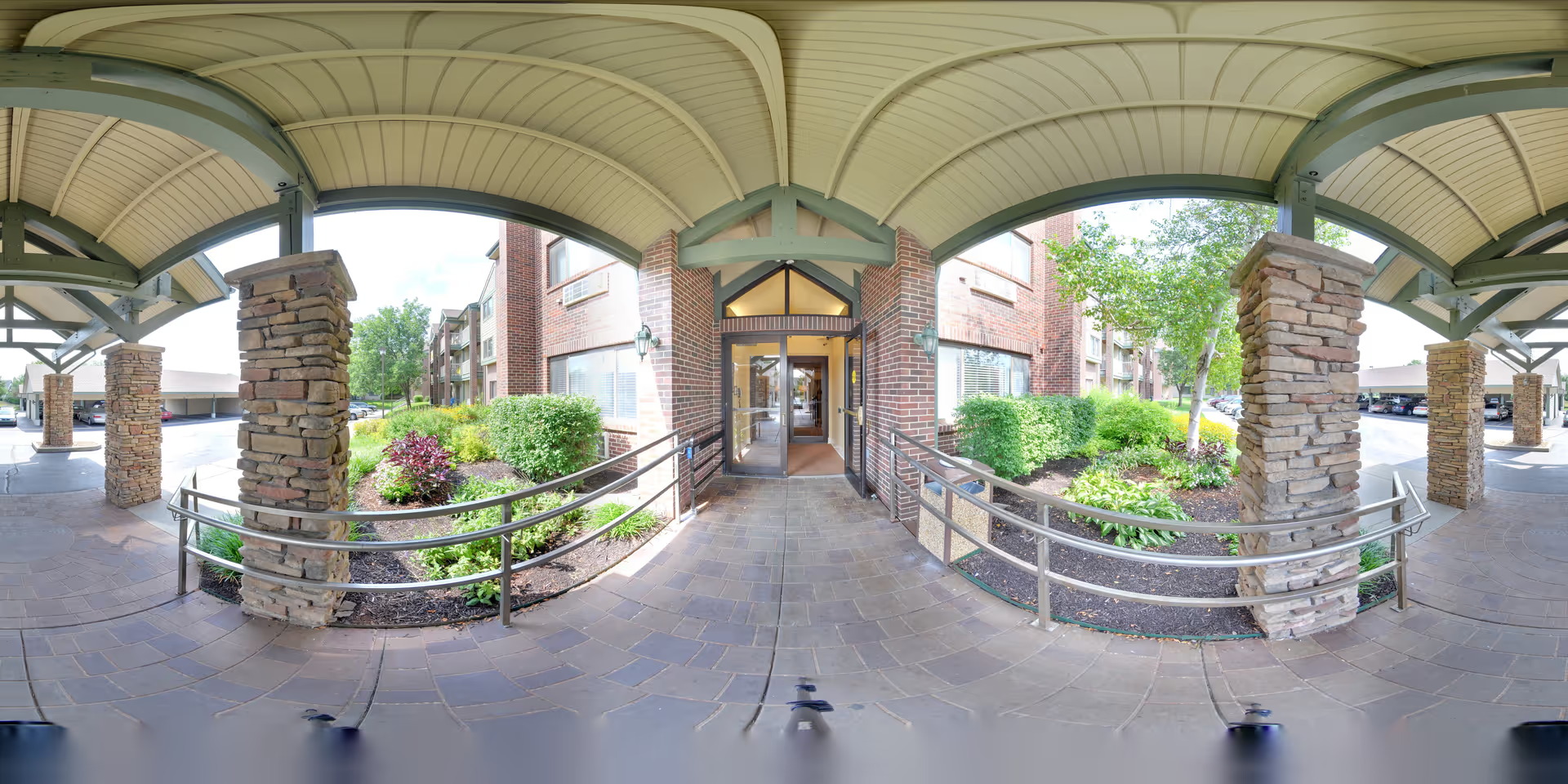
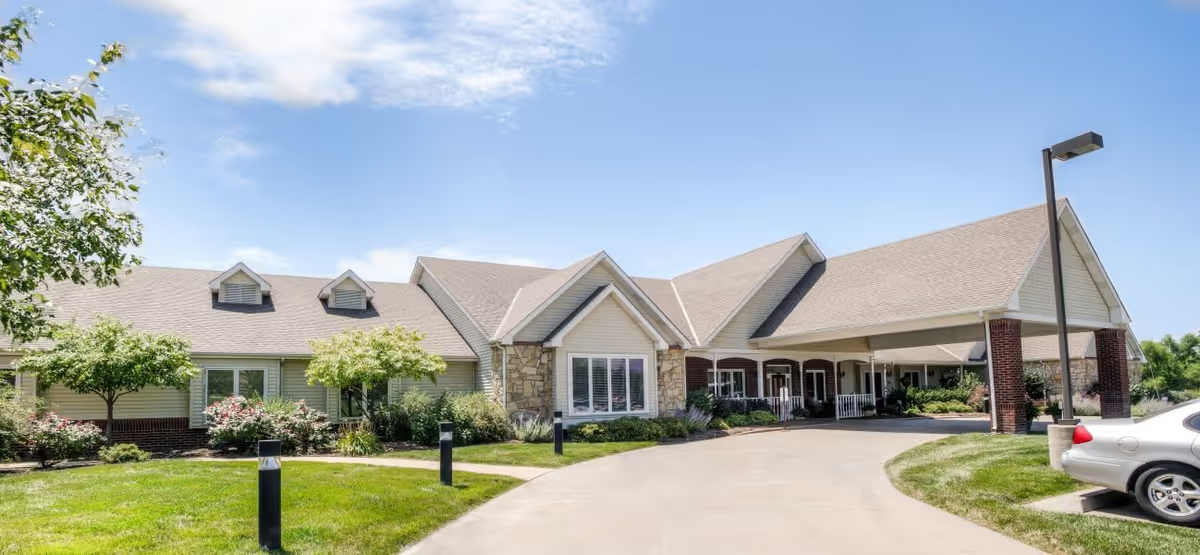
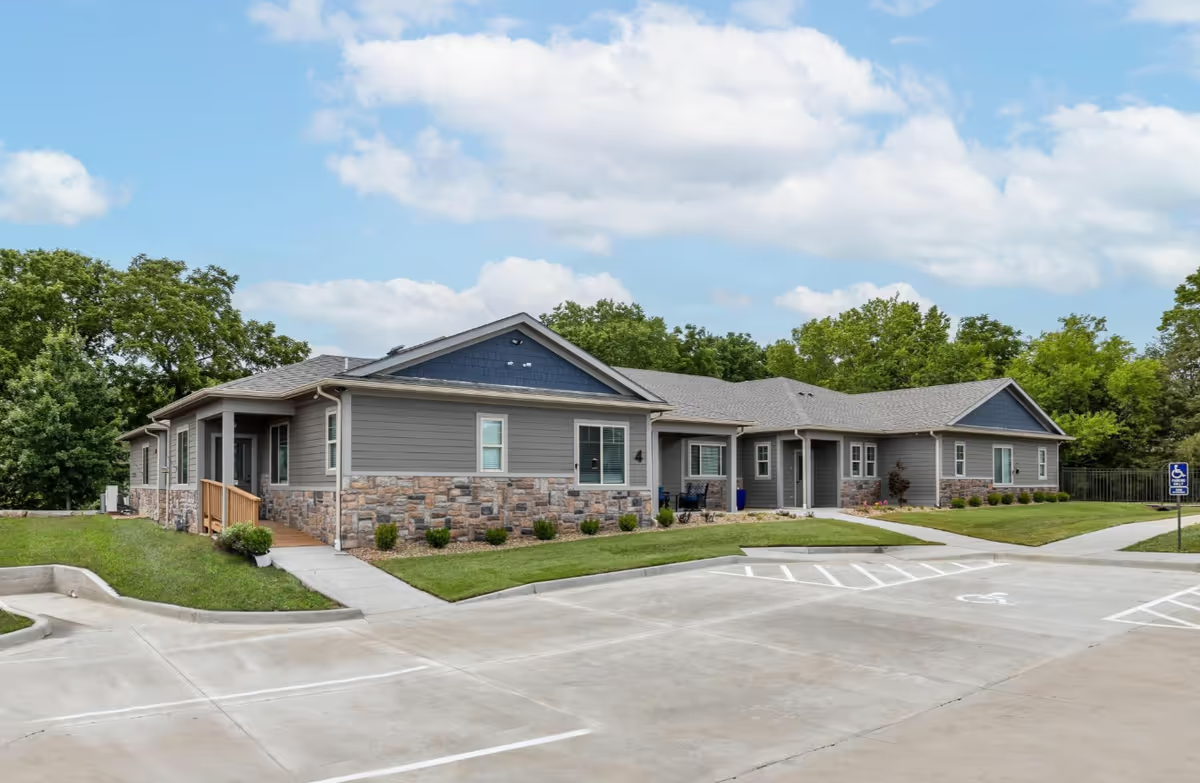
Dining, activities, and environment show similarly mixed signals. Activity programming and the Activity Director receive positive mentions for engaging residents, and the facility offers convenient on-site services and reasonable room amenities. At the same time, there are repeated mentions of inconsistent meal timing and variable food quality, dining-room cleanliness concerns, and sanitation/odor concerns in some areas. Some reviewers describe the facility as clean and well-maintained, while others note areas that appear dated or not consistently attended to; this suggests maintenance and housekeeping practices may vary by unit or shift.
In summary, the facility has clear strengths—especially in rehabilitation services, individualized staff efforts, and resident engagement through activities—but also exhibits operational weaknesses that affect reliability of care. Key areas for improvement include staffing stability, supervision and training of new employees, consistent housekeeping and sanitation practices, clearer and more flexible visitation policies for critical situations, stronger privacy safeguards (including social-media policies), and more consistent family communication. Prospective residents and families may want to tour specific units, ask about recent staffing patterns and leadership changes, and request documentation of clinical oversight and visitation policies to evaluate current performance against the mixture of experiences reflected in these reviews.