Reviews for Lawrence Presbyterian Manor describe a facility with a strong, compassionate caregiving culture alongside a set of recurring operational weaknesses. Many families and residents praise individual staff members, including social work and nursing leadership, and highlight consistent warmth, patience, and personalized attention from caregivers. Rehabilitation services, transportation, laundry/housekeeping, and maintenance receive frequent positive mention. The community aspect — chapel services, clubs, walks, and social gatherings — is a clear strength for many residents who describe a family-like environment and active social life.
Care quality is characterized by a mix of reliable, attentive caregiving and specific clinical-operation gaps. Numerous accounts note attentive bedside care, good communication from social work, and effective rehab support; however, several reviews raise concerns about staffing levels (notably overnight), delayed responses to call lights, and inconsistent presence of licensed nurses. Related operational issues include uneven nursing documentation and care-planning practices, occasional failures to follow mobility-transfer precautions, and reports of incontinence-care delays and sanitation concerns. These items point to areas where operational oversight and staffing consistency may affect resident safety and dignity.
Dining and housekeeping are generally seen as strengths. Reviewers commonly describe pleasant meals, courteous dining service, and conscientious cleaning. At the same time, a few accounts indicate inconsistent adherence to special-diet instructions and assistive-device management (for example, diet textures and hearing-aid readiness), suggesting that coordination between clinical staff and dietary/aid services can break down at times.
Activities and community life receive largely positive feedback: weekly chapel, organized outings, clubs, and on-site events contribute to social engagement for many residents. That said, some families perceive uneven activity availability or limited outdoor space in certain areas of the campus. The result is a mixed experience depending on unit, shift, or resident mobility and interests.
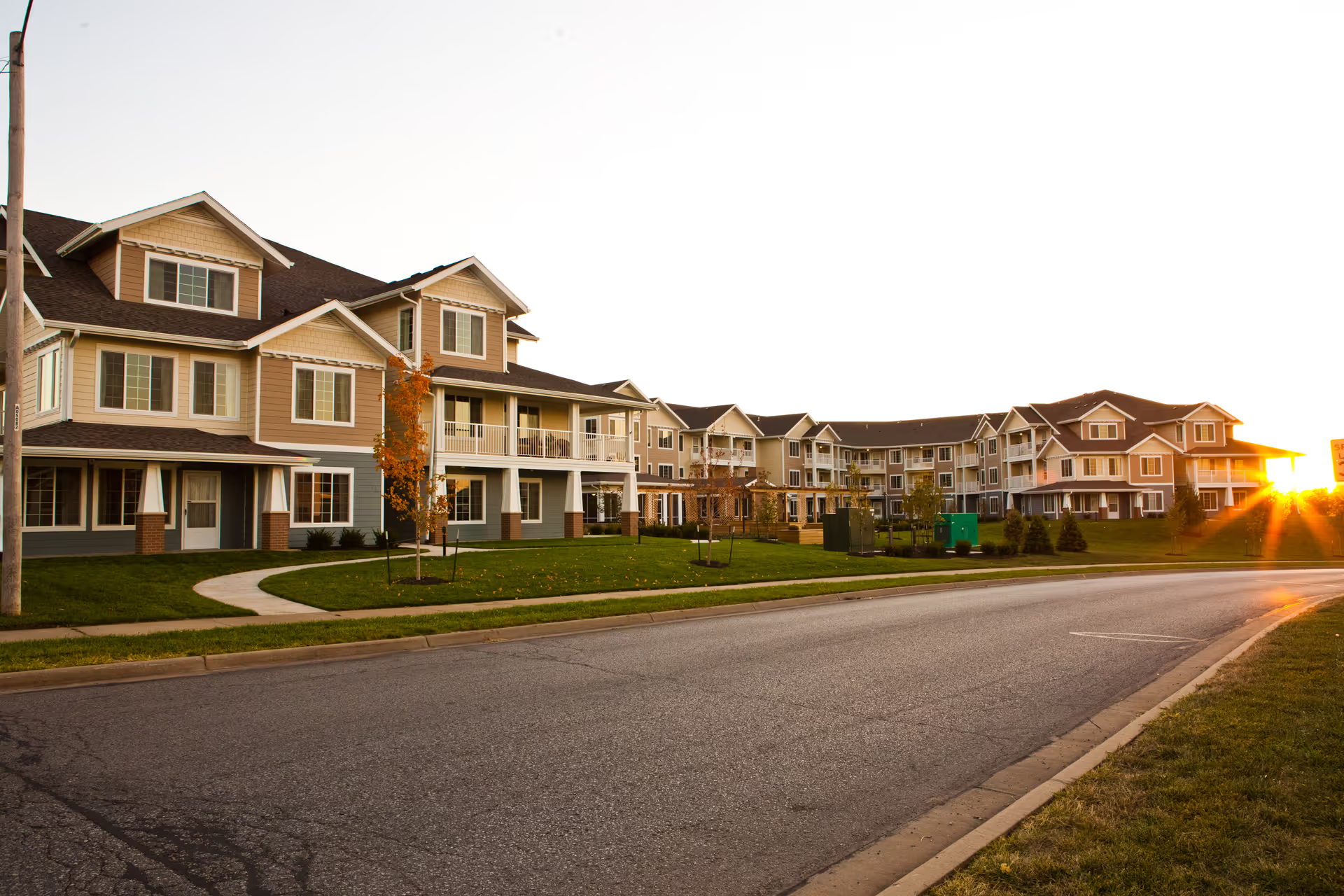
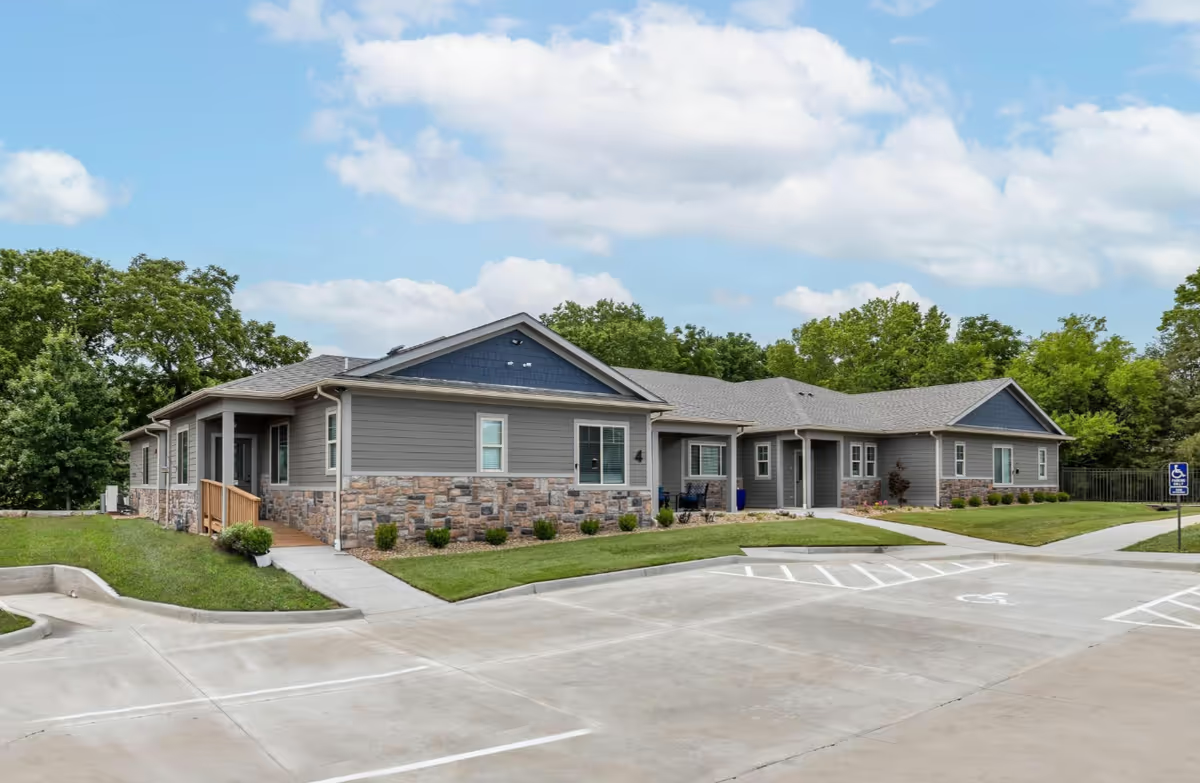
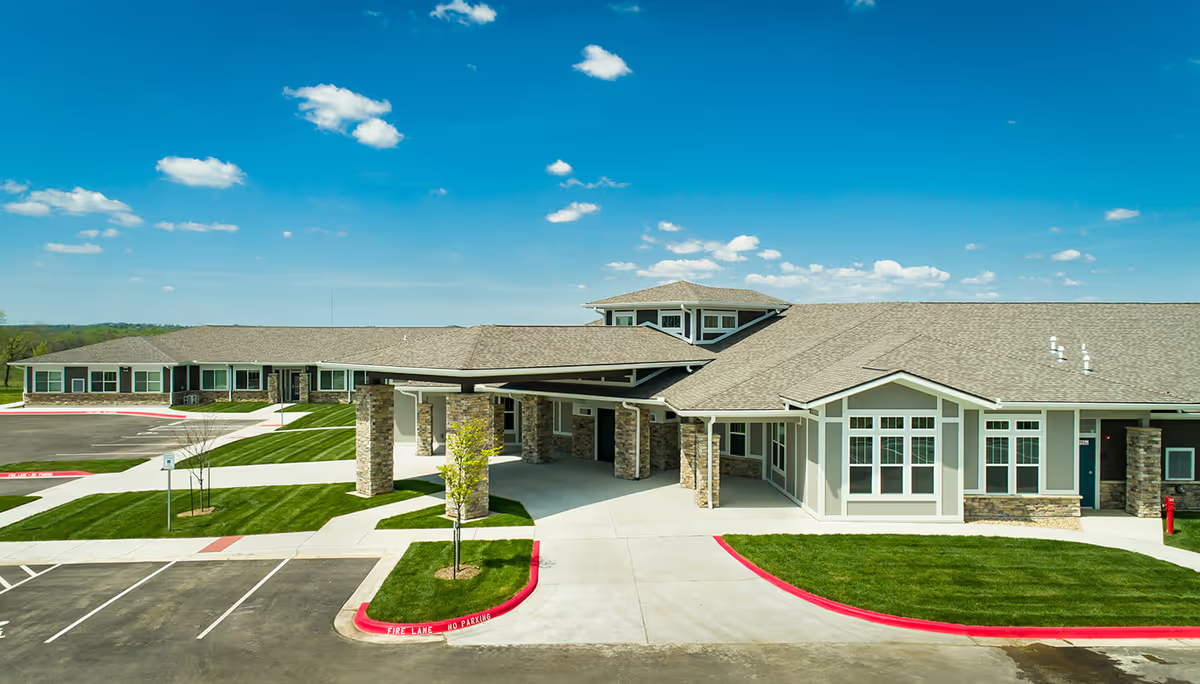
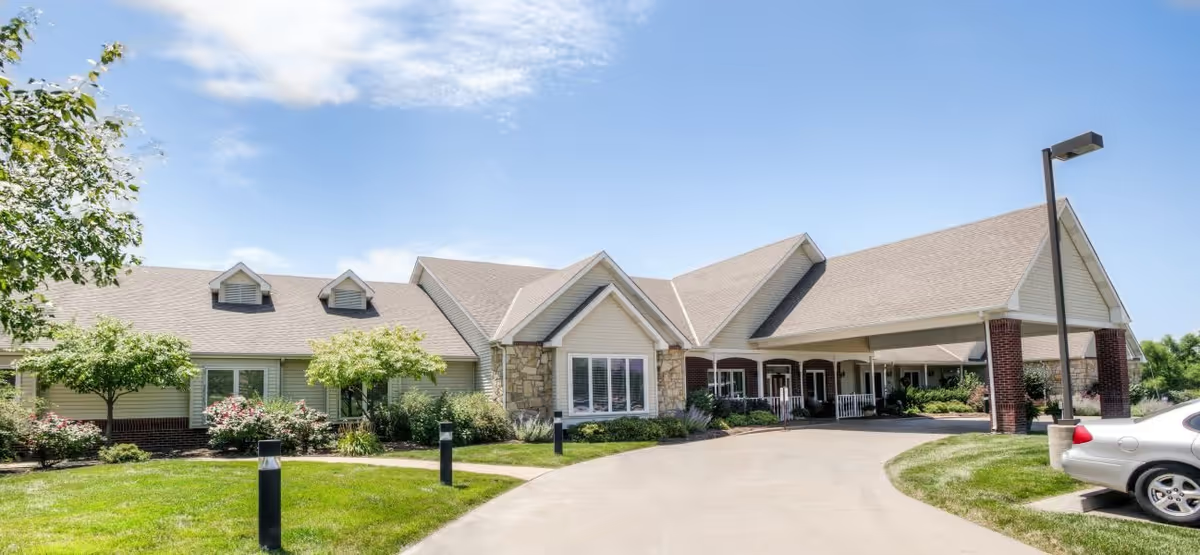
Facility and management impressions are also mixed. The maintenance and groundskeeping teams are frequently praised, and many find the accommodations comfortable and well-kept (townhomes and larger rooms are singled out). Conversely, the physical plant shows signs of age in places, with mentions of leak-prone areas. Financial terms are a clear consideration: reviewers note a substantial upfront entrance fee structure (including a 25% withholding) and relatively high monthly costs, which prospective residents should review closely.
Notable patterns: overall sentiment is polarized — strong, committed staff and meaningful programming coexist with operational vulnerabilities around staffing consistency, documentation, sanitation/incontinence care, and transfer safety. Prospective residents and families would benefit from an in-person tour that checks staffing ratios on different shifts, clarifies fall-prevention and incontinence-care protocols, reviews how special diets and assistive devices are managed, and obtains detailed information about entrance-fee and rent terms. These steps can help weigh the facility's clear strengths in community and caregiving against the operational risks described in several reviews.