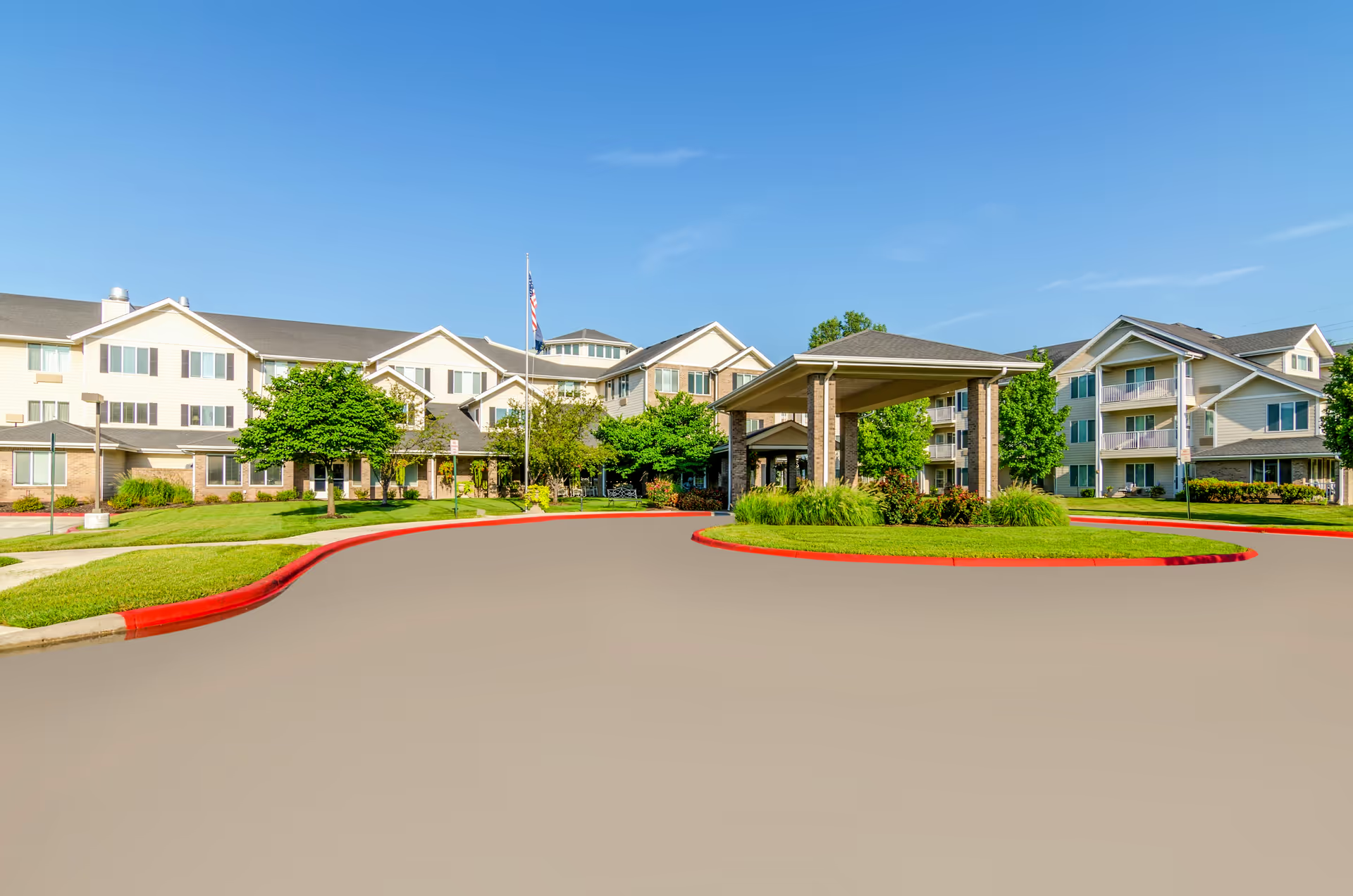
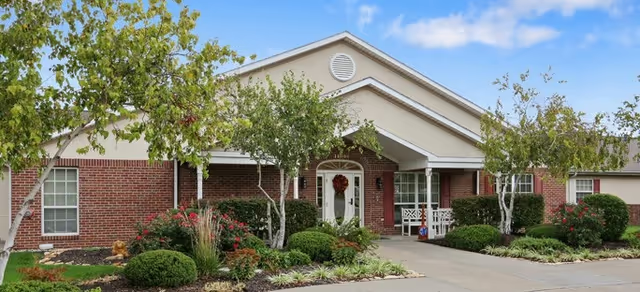
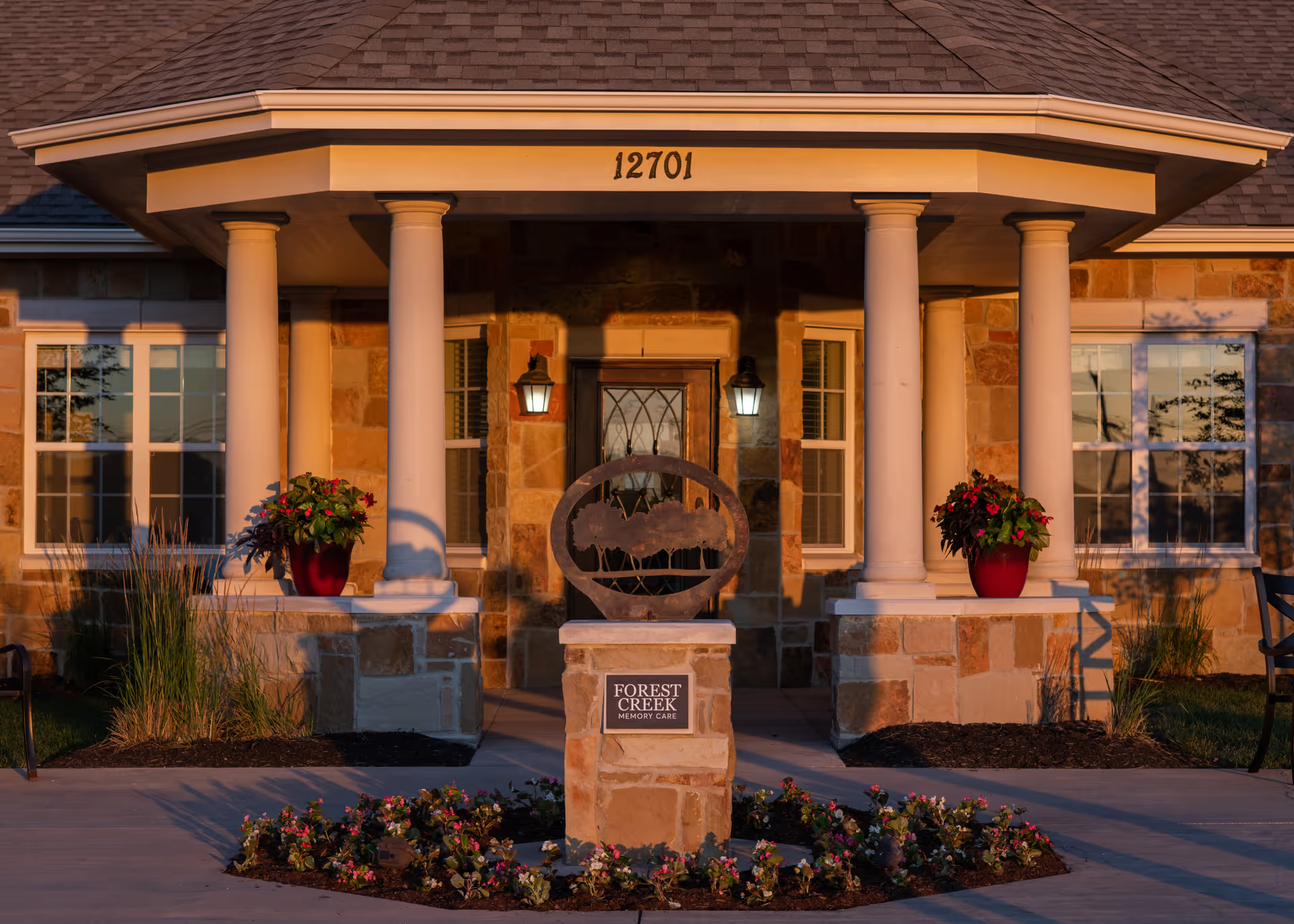
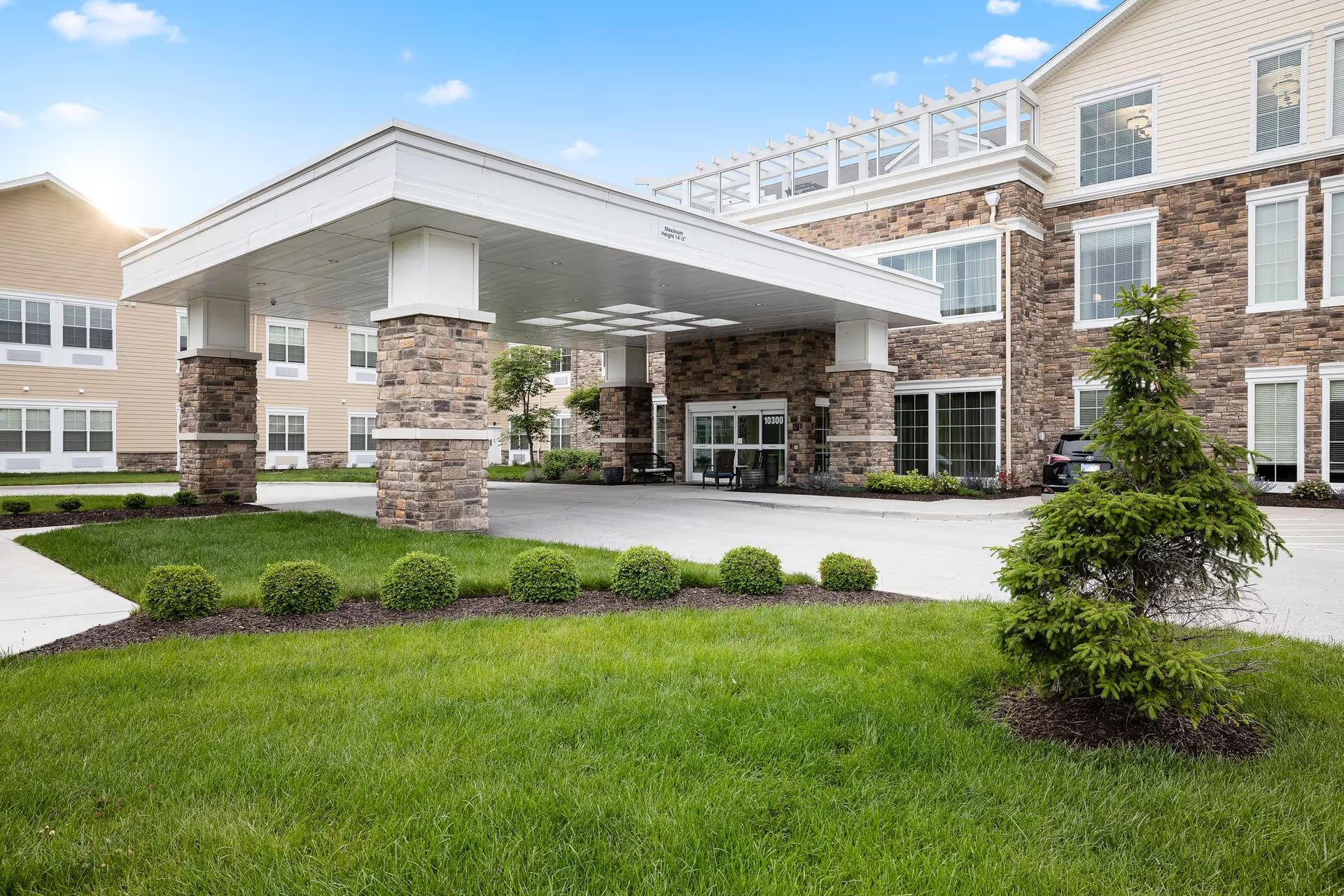
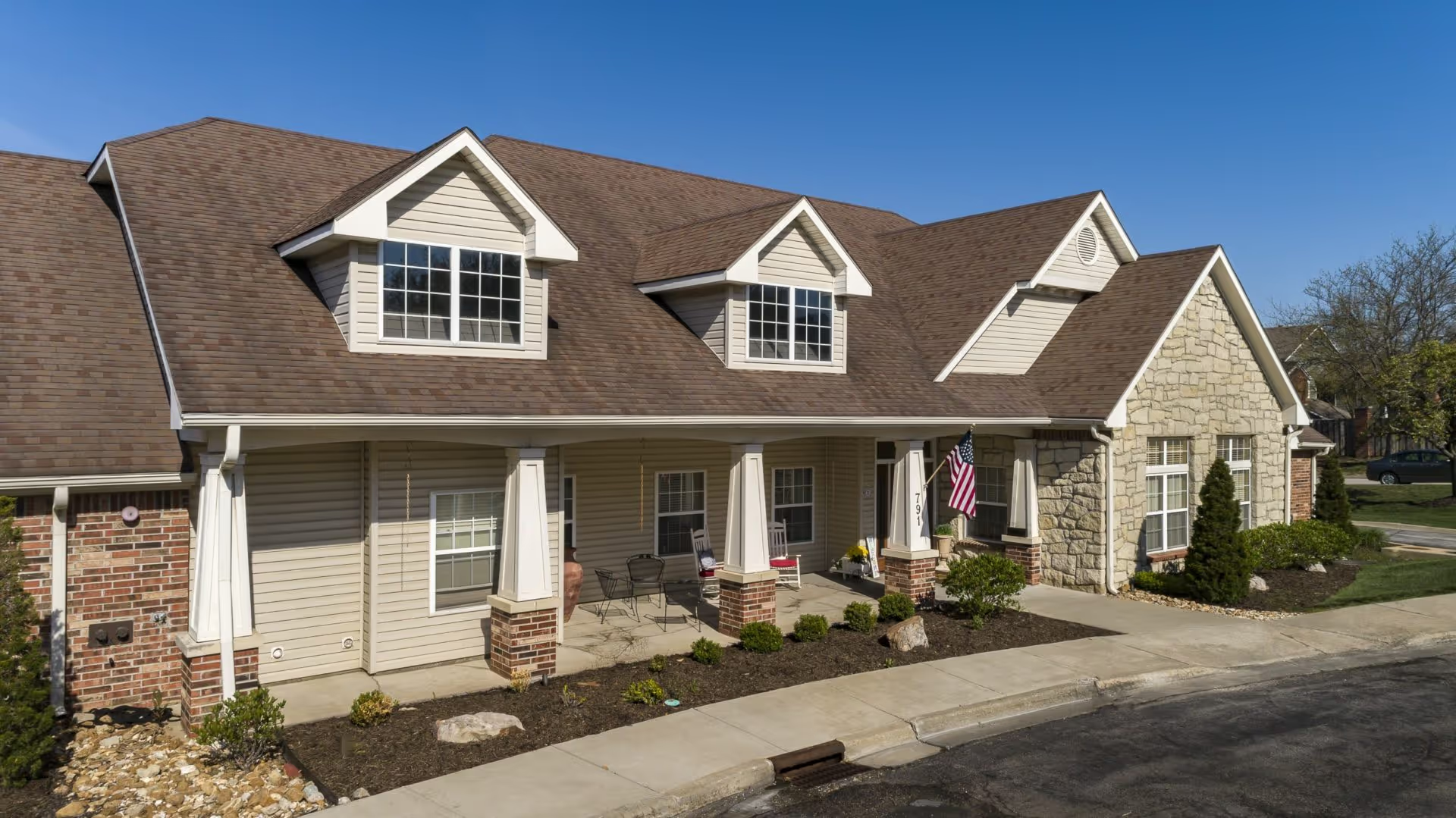
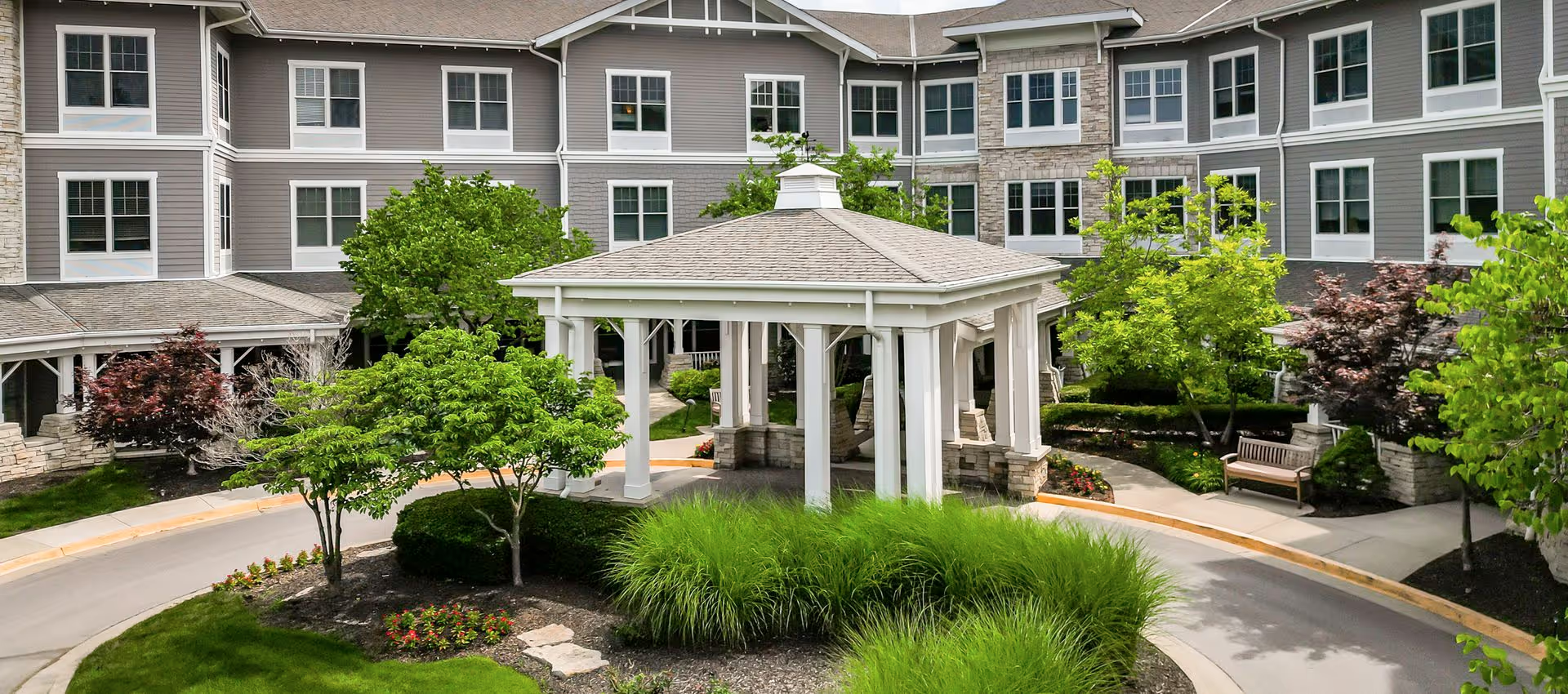
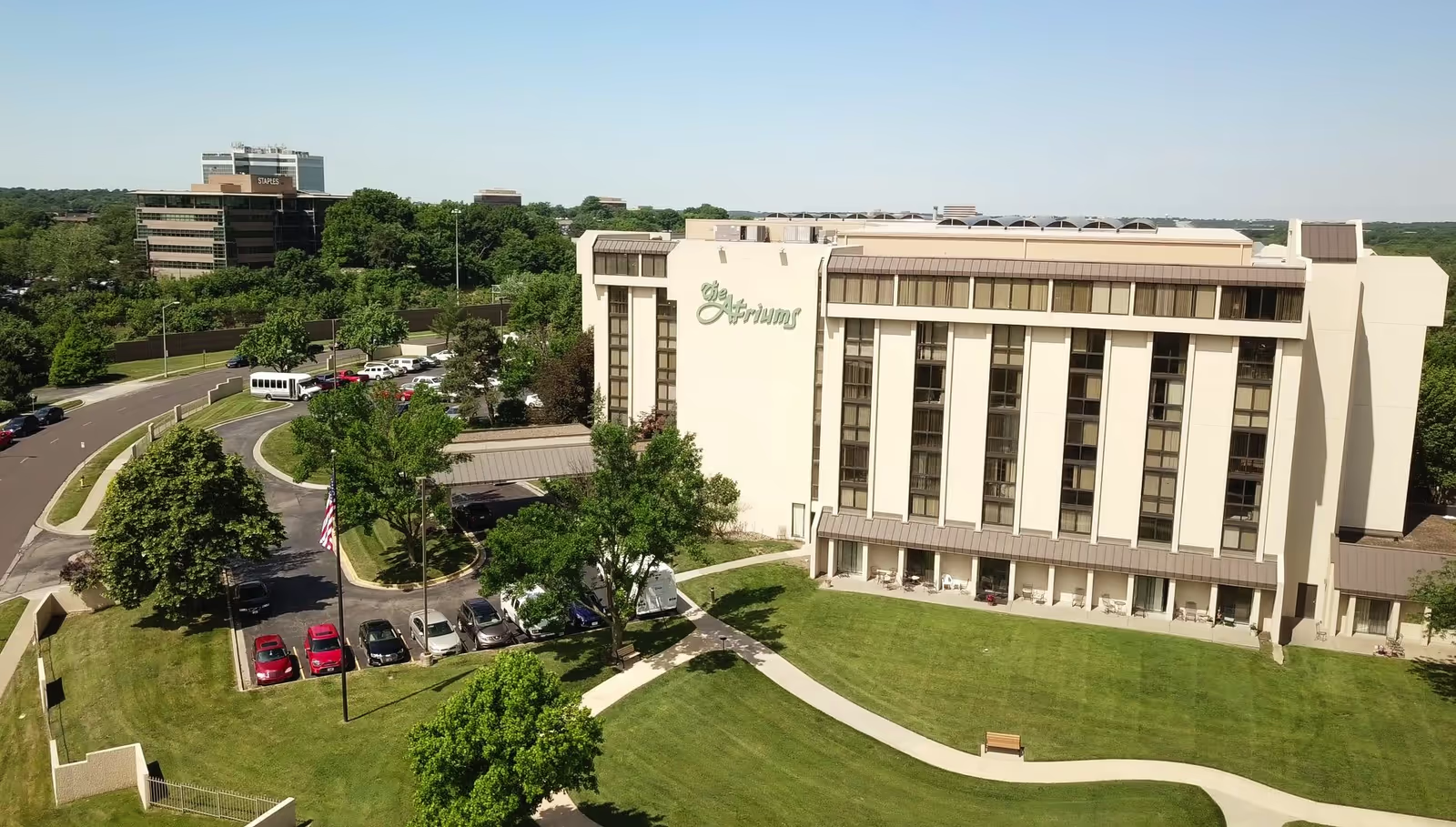
Health Services Center at Santa Marta presents a mixed picture that differentiates strongly between its independent-living component and its higher-acuity services. The campus and common areas are consistently described as attractive and well maintained, and many families report that independent living provided an improved quality of life, better health outcomes, and a positive move-in experience. Front‑line staff, including nursing personnel and direct-care aides, are frequently characterized as caring, helpful, and willing to go beyond expectations, and residents participate in an active schedule of events that supports engagement.
At the same time, multiple concerns emerge around assisted living and skilled nursing. Reviewers describe variability in care quality once higher levels of assistance are required, with particular concerns about clinical supervision and day‑to‑day support in skilled‑nursing settings. Several accounts indicate difficulties during transitions between care levels, including transfers and end‑of‑life memory care arrangements that families felt were not delivered as initially described. These observations suggest gaps in care-continuity planning and in the facility’s ability to meet escalating clinical needs for some residents.
Management, admissions, and financial arrangements are another area of recurring concern. Families raised questions about buy‑in contracts and whether those agreements guarantee access to higher levels of care; they also noted a perception that marketing and admissions materials overstate available services or amenities. There are reports of promised programs or features—such as certain pet visit programs or specific memory-care supports—not being consistently provided. Reviewers also expressed unease about pricing, describing the community as a higher-cost option where service delivery did not always align with expectations tied to that cost.
Operationally, there is a clear contrast between the behavior of many direct‑care staff and perceptions of administrative priorities. While caregivers are often praised for professionalism and hands‑on care, families described challenges in family communication, customer-service responsiveness, and interactions with administrators. Staffing‑climate indicators — references to staff morale and supervisory difficulties — point to potential workforce stability issues that could affect long‑term care consistency.
Dining and amenity transparency were mentioned less consistently but are worth noting: some families indicated they had limited visibility into menu offerings and felt certain advertised amenities were not fully realized. Rooming options include shared rooms, which may appeal to some residents but may be a tradeoff for others seeking private accommodations.
In summary, Santa Marta may be an appealing choice for older adults seeking an active, attractive independent‑living environment supported by caring frontline staff. Families considering assisted living or skilled nursing should closely review contractual guarantees, ask for details about transition protocols and clinical oversight, and seek written clarification on any advertised programs or services to ensure alignment with their expectations and care needs.