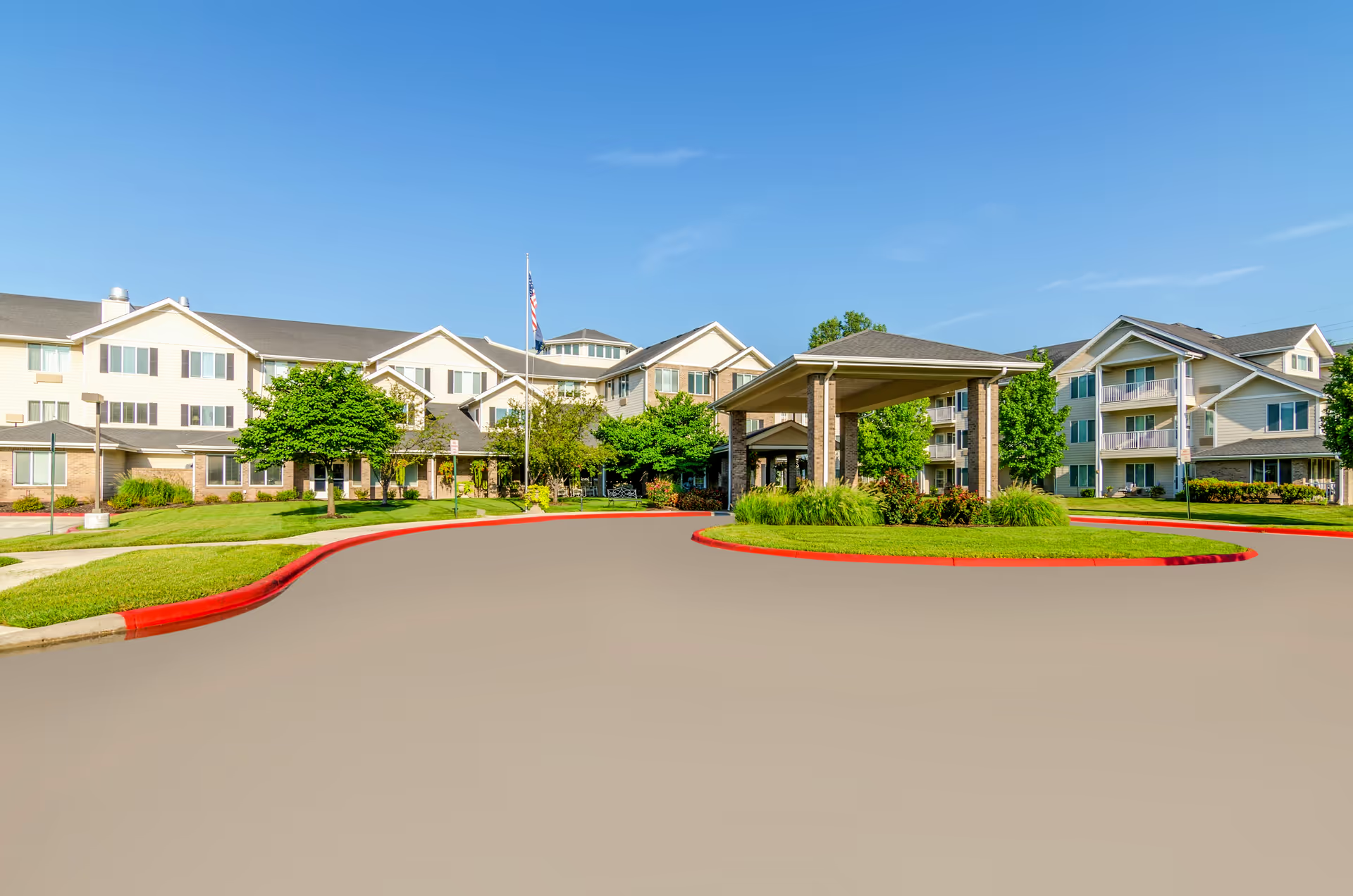
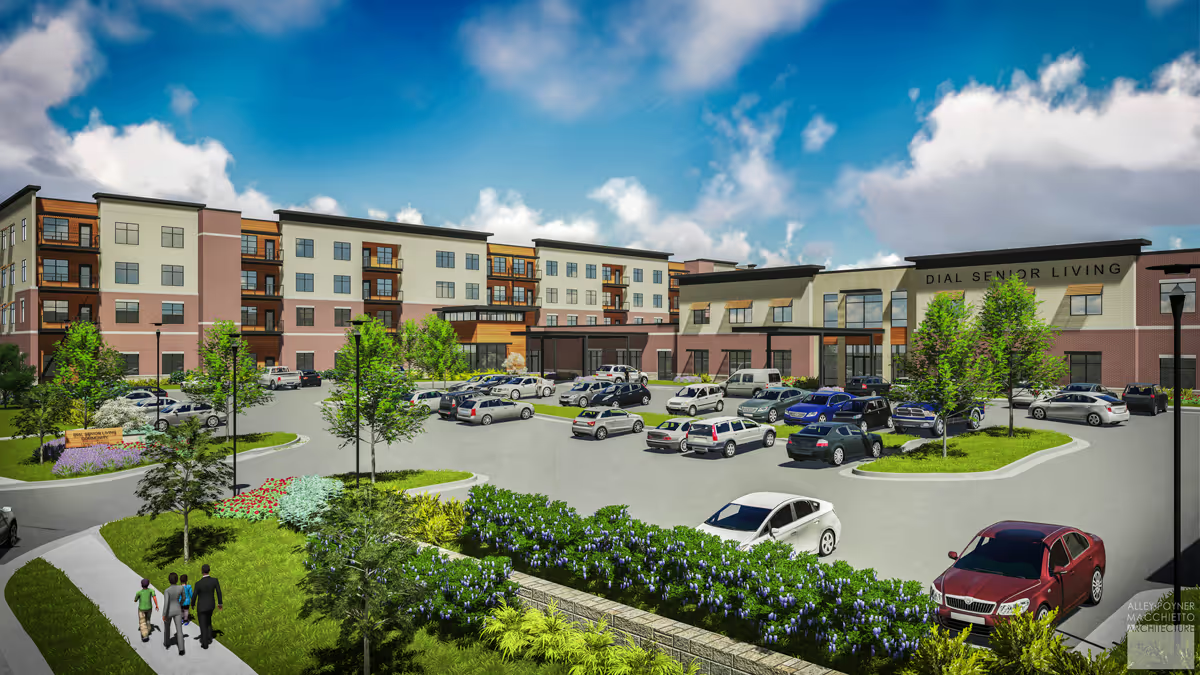
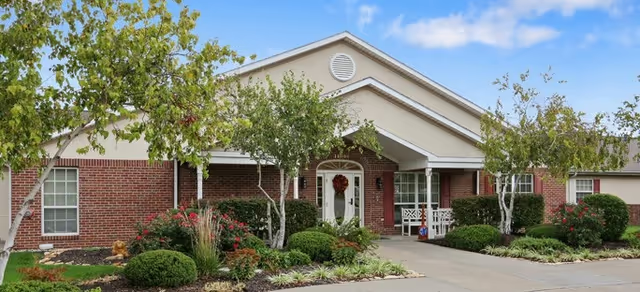
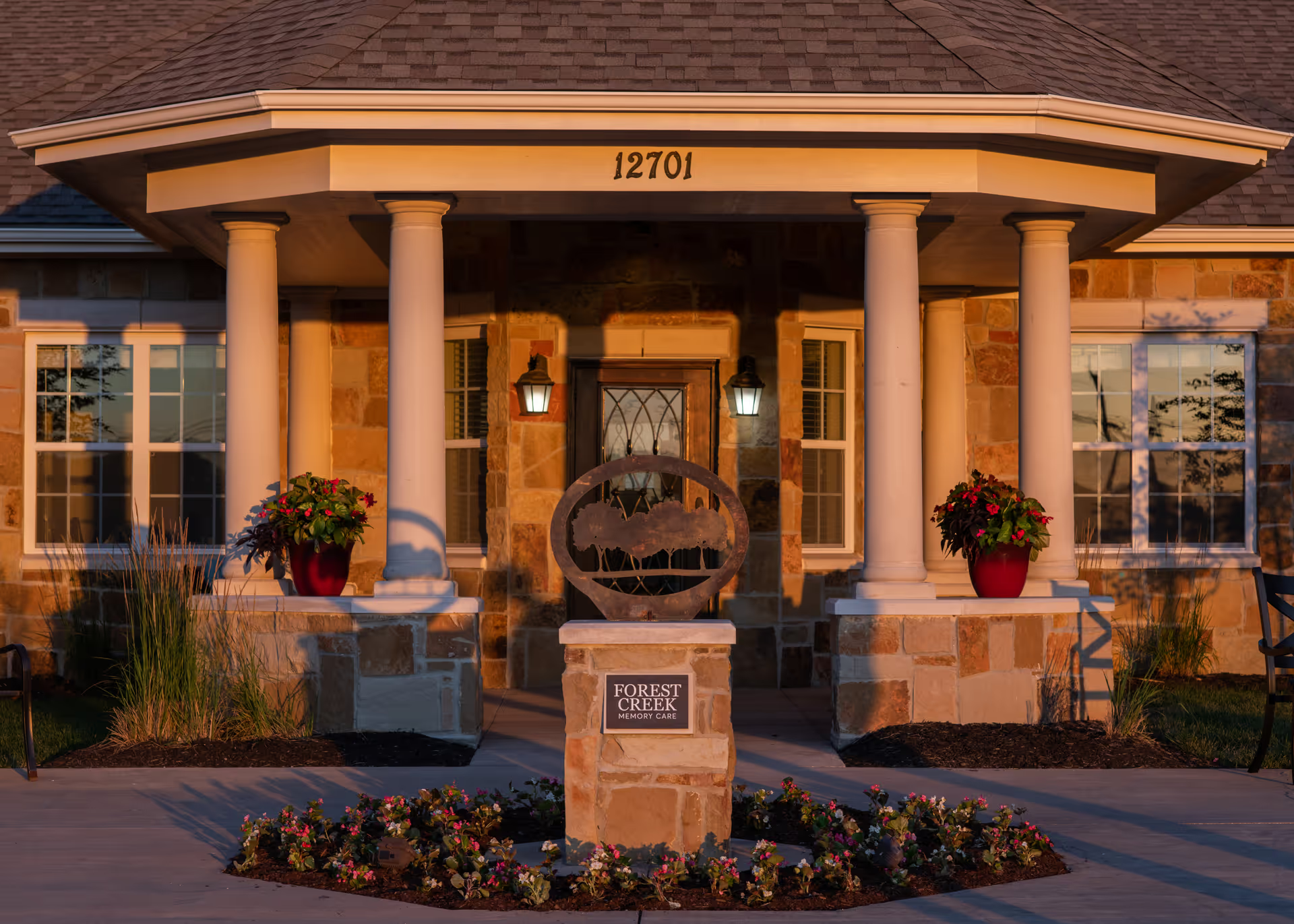
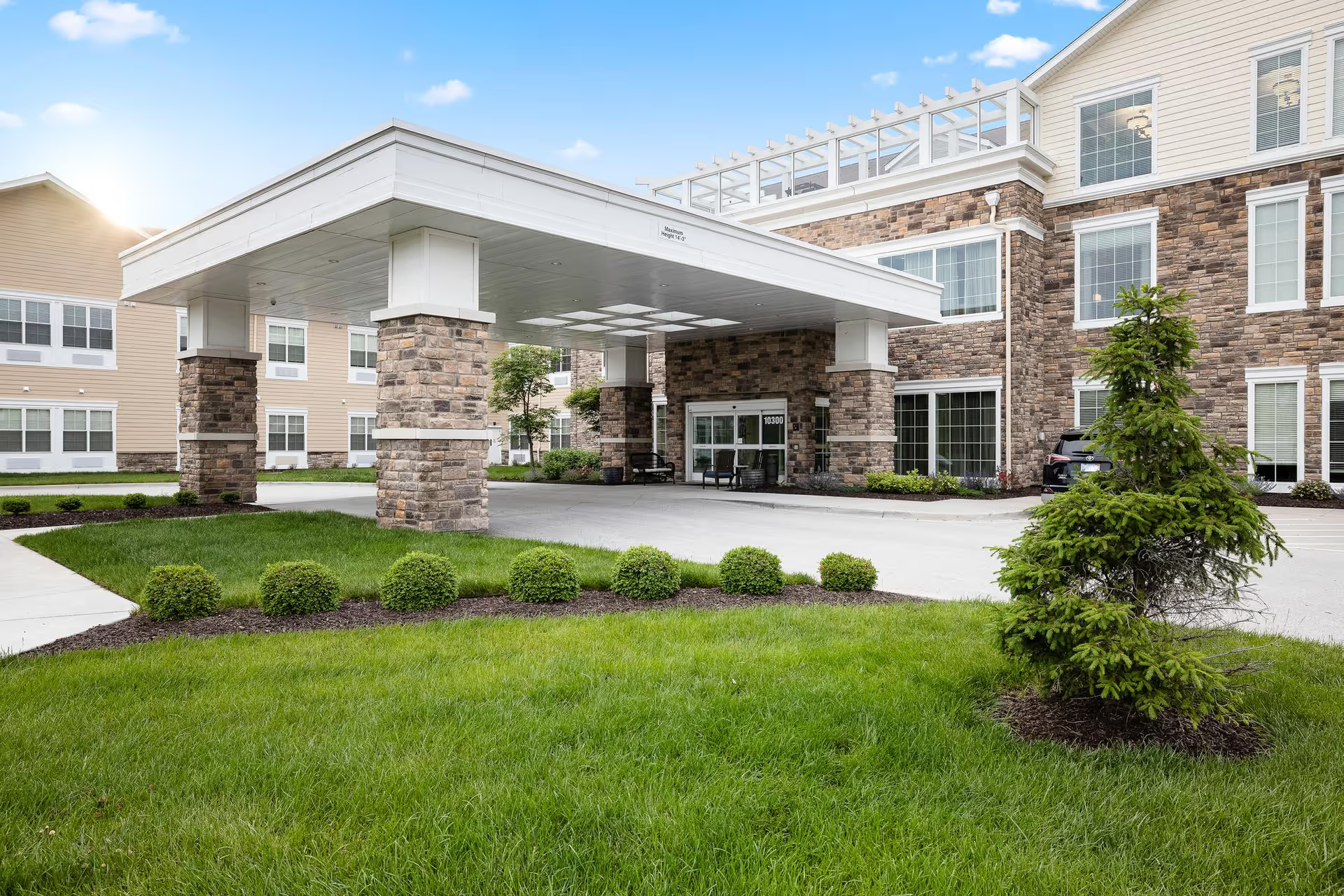
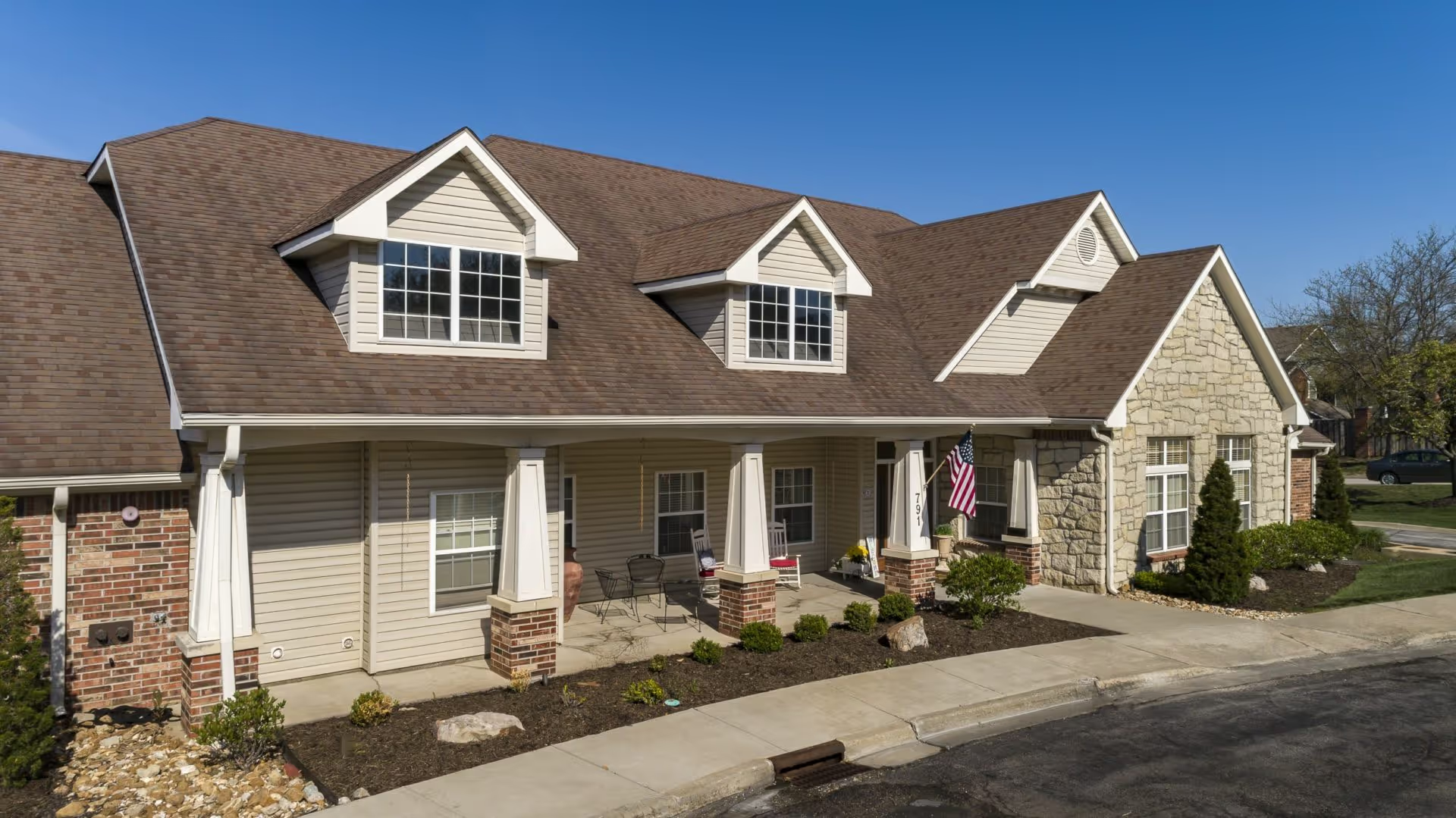
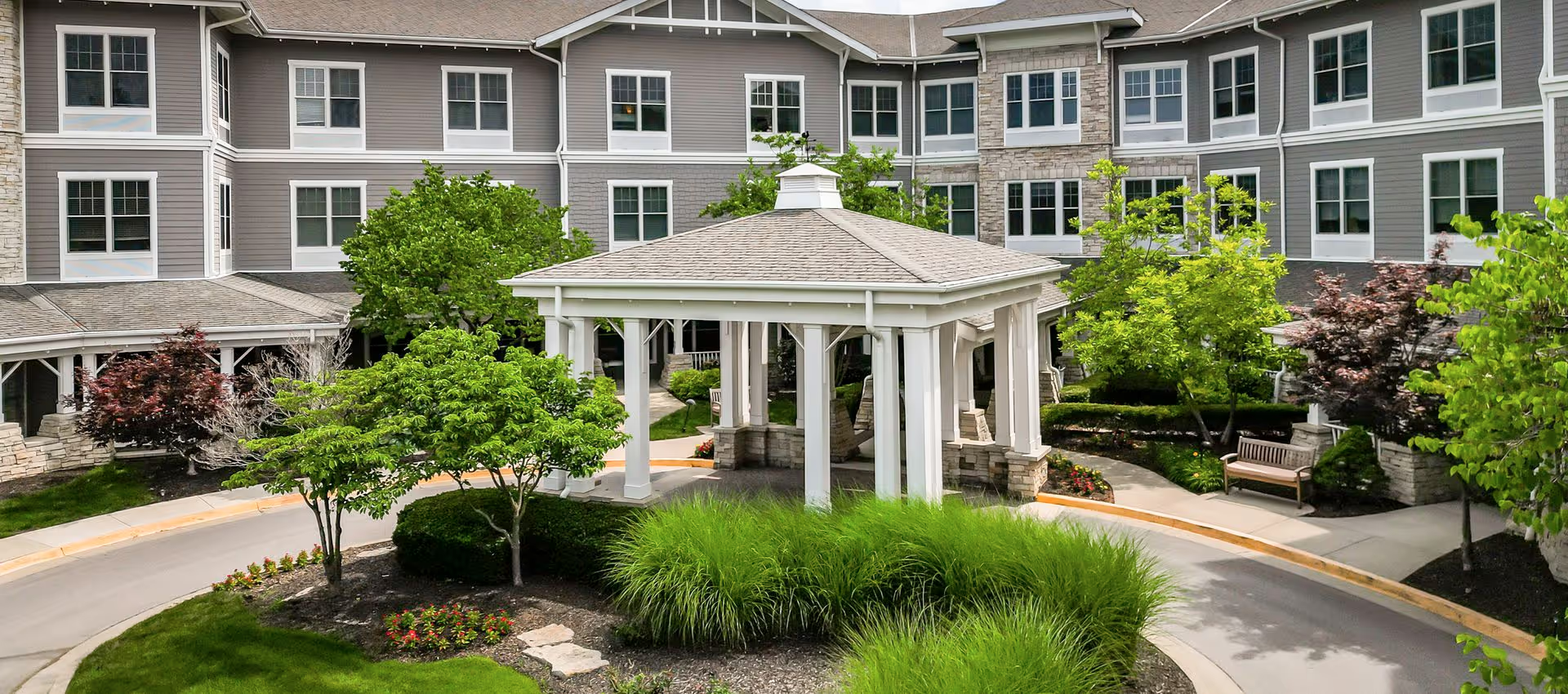
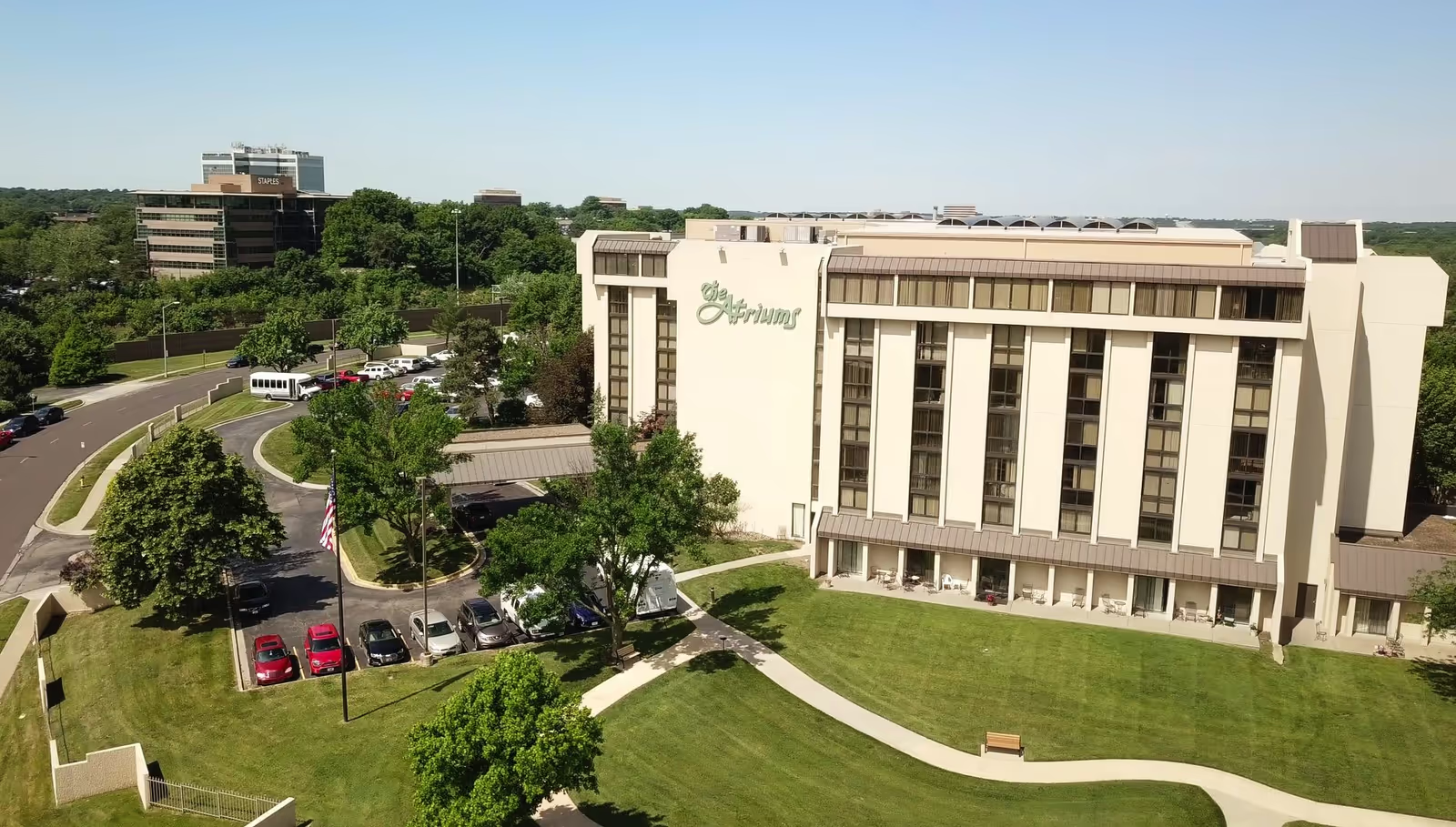
Santa Marta presents a clear contrast between a high-quality physical environment and recurring operational concerns. The campus, rooms, grounds and common spaces receive consistent praise: reviewers describe the facility as attractive, spacious, and well maintained, with chapel services and a connected layout that supports independent living, assisted living, memory care and skilled rehabilitation. Housekeeping and maintenance are frequently noted as strengths, and many families highlight a family-like atmosphere created by long-tenured staff.
Clinical and direct-care strengths coexist with notable variability. Positive comments emphasize caring, attentive caregivers and nurses, strong rehabilitation and physical-therapy outcomes, and personalized attention from dining and admissions teams. At the same time, several operational issues recur: there are gaps in medication-management controls and concerns about sanitation and incontinence-care practices. Reviewers also describe inconsistencies in clinical oversight, including variable reliability of the on-site physician and uneven nursing supervision. Fall-prevention and transfer-safety protocols are another area of concern that families should evaluate closely.
Staff performance and culture show a mixed picture. Many reviewers call out compassionate, enthusiastic staff members, excellent therapy teams, and helpful relocation and admissions personnel. Conversely, others report inconsistent staffing presence (particularly on weekends), instances of inadequate staff training or onboarding, and management-level communication problems. There are also accounts pointing to strained interactions with managers or clinical leaders; these suggest variability in supervisory practices and escalation protocols. Operational growing pains tied to staff turnover and new hires were mentioned alongside examples of exceptional individual staff performance.
Dining and activities are generally strengths but not uniform. The facility offers restaurant-style dining, a flexible menu and an active calendar that includes arts and crafts, outings, exercise classes and social events. Housekeeping and meal presentation are often praised. However, reviewers also note inconsistent meal-temperature control and some variability in food quality. Programming is broad, but weekend offerings and coverage appear limited relative to weekday activity levels.
Capacity, cost, and administration are additional themes. Reviewers highlight limited assisted-living availability, waitlists, and logistics that can lead to transfers or separation of couples when space is constrained. Memory care is described as expensive by some families. Communication systems for skilled-care updates (phone and remote updates) and billing/contract clarity are areas flagged for improvement. The facility’s management structure—operational ties between for-profit operators and religious affiliation—was noted as a contextual factor affecting perceptions of priorities and decision-making.
Overall, Santa Marta may suit families prioritizing an attractive campus, robust rehabilitation services, active programming and many individually praised staff members. Prospective residents and their families should do focused due diligence on clinical operations: review staffing ratios and turnover, ask for details about medication administration policies and fall-prevention protocols, observe assisted-living sanitation practices, test skilled-care communication systems, and confirm capacity/transfer policies and costs before committing. An in-person tour that includes conversations with clinical leadership and a review of incident-response procedures will help clarify whether the facility’s strong environmental and interpersonal attributes are matched by consistent operational practices.