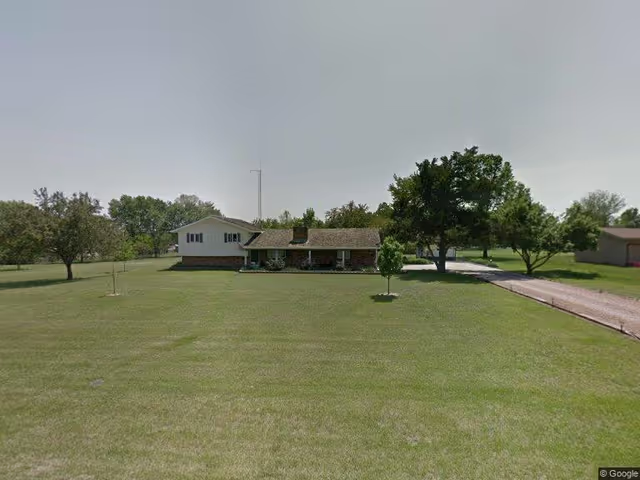
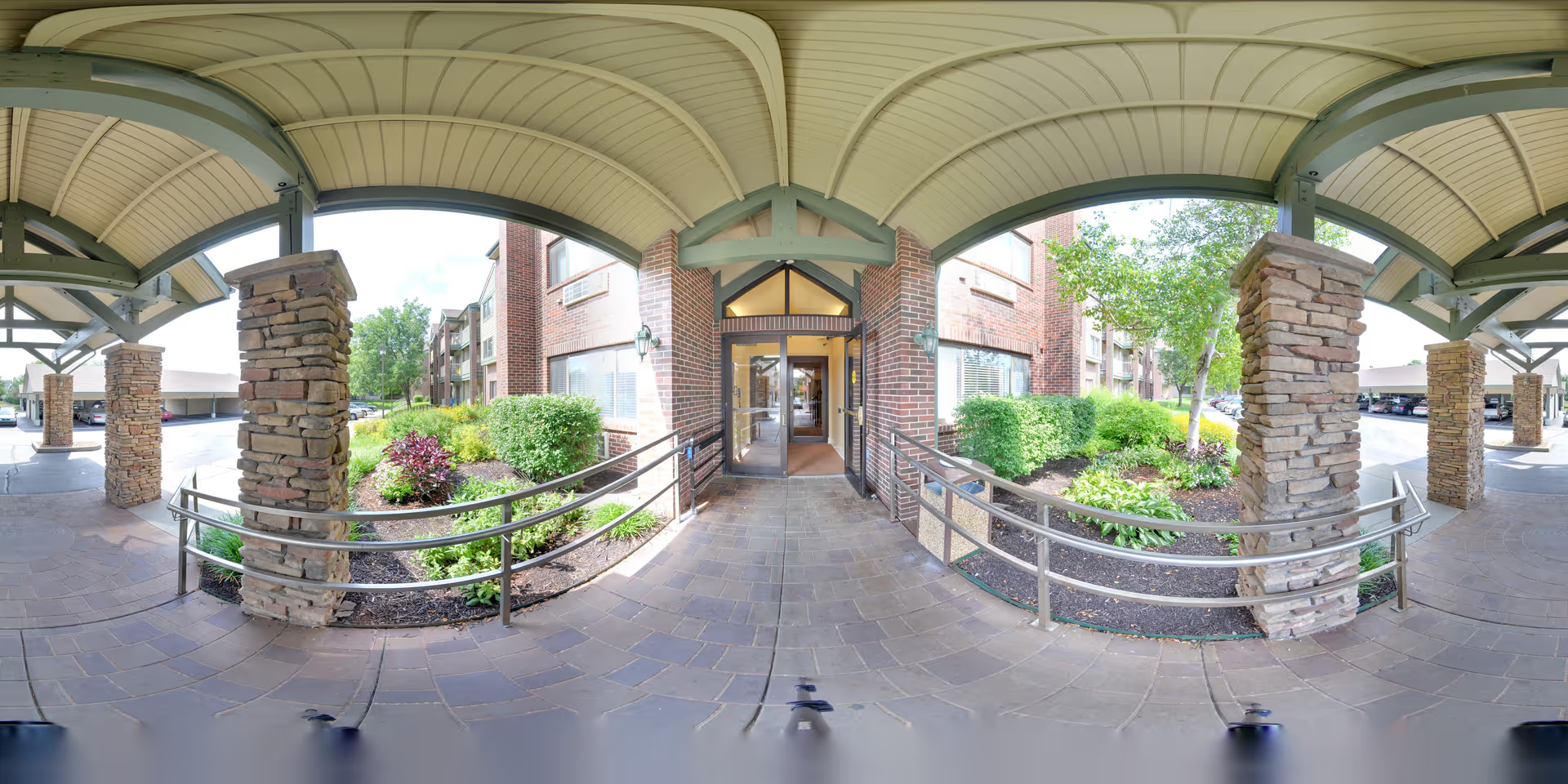
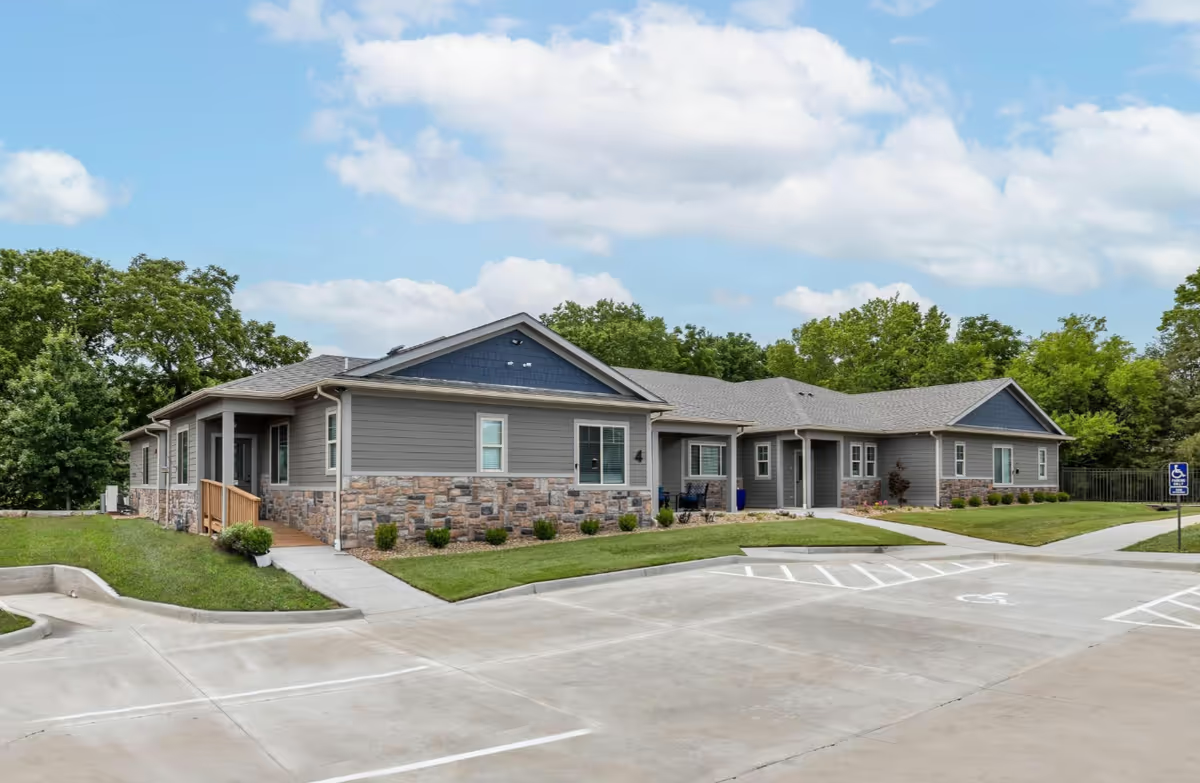
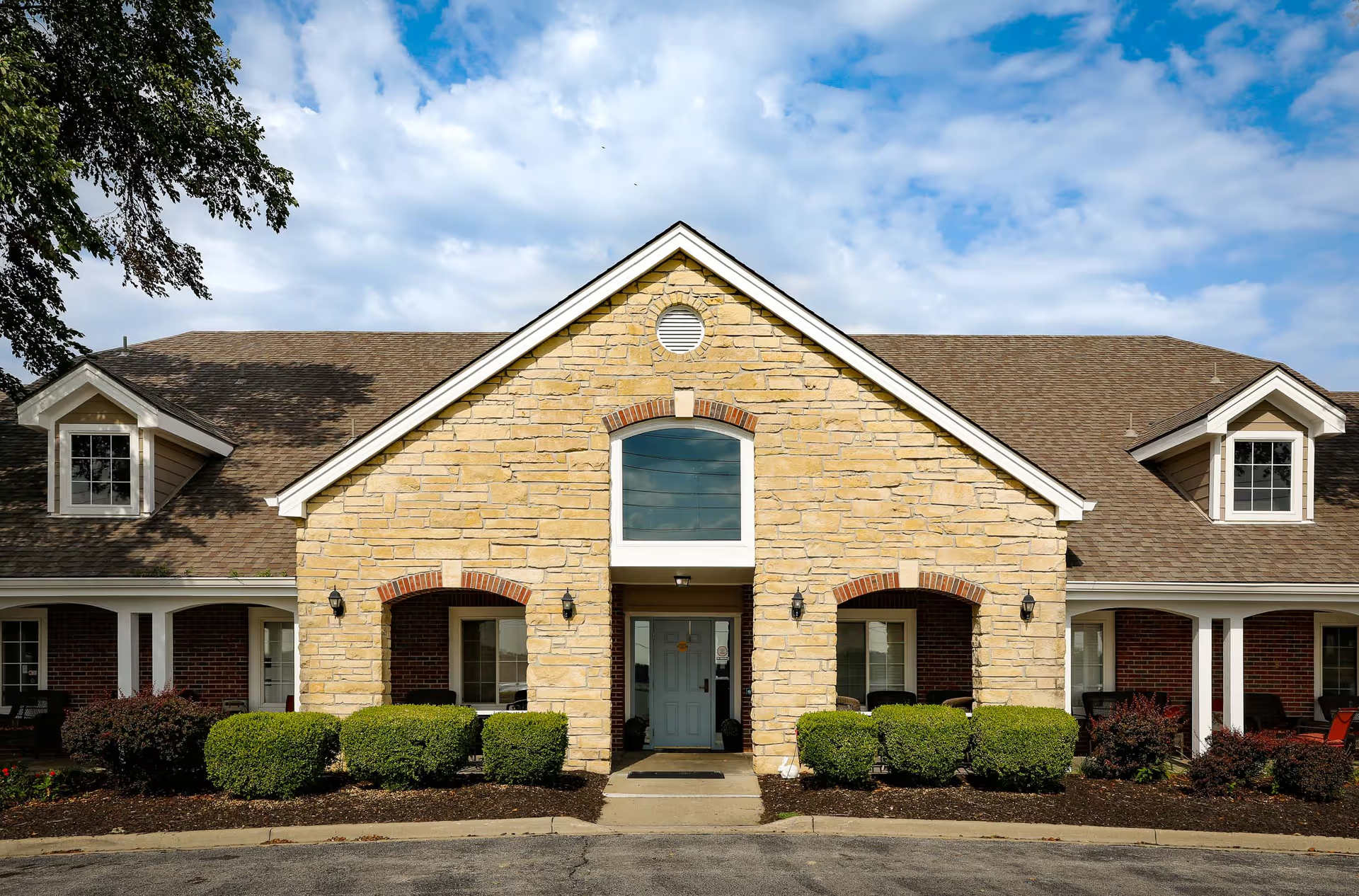
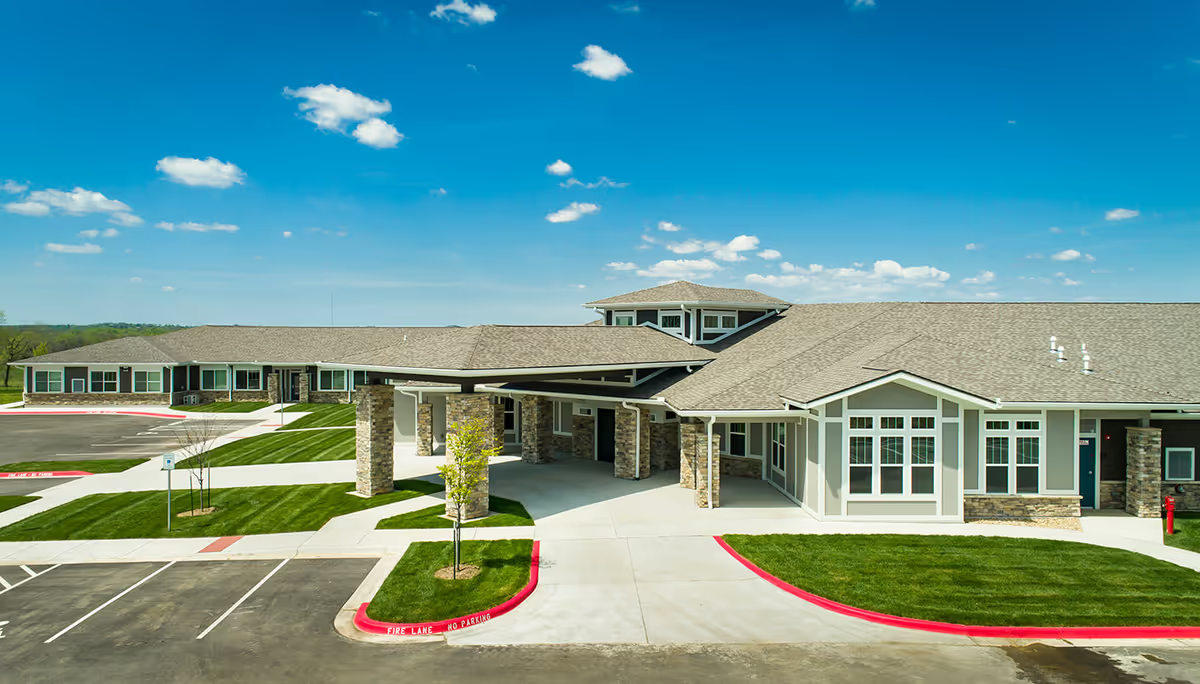
Heritage Gardens presents a mixed profile. Positive accounts emphasize a core of compassionate, hardworking caregivers, a welcoming administrative presence, and recent leadership changes that several families said have improved operations. The building's rural location, large rooms (private and semi-private), freshly painted common areas, and a homestyle dining tradition contribute to an old-fashioned, home-like atmosphere that some residents and families appreciated. Multiple reviewers described smooth admissions and warm staff–resident interactions, and several praised individual nurses and aides for going above and beyond.
Care quality and staffing are the areas with the most variability. Many reviewers praised direct-care staff as caring and attentive, but a substantial number described operational shortages that affected day-to-day care. Specific patterns include periods of understaffing—notably on night shifts—delays in responding to call lights and assistance requests, and reported lapses in timely medication administration. There are also reports that wound-care and transfer procedures have been inconsistent, which raises concerns about safe mobility practices and pressure-area management in some cases.
Dining and activity offerings show both strengths and limitations. The kitchen is noted for traditional, homestyle meals by some families, which can be a positive for residents who prefer that style. However, other reviewers characterized the food as poor. Activity programming and in-room entertainment appear uneven: some residents are described as enjoying their time, while others experienced little structured activity and nonfunctional or absent in-room TVs.
Facility condition is likewise mixed. Positive comments focus on well-maintained grounds, roomy accommodations, and recent cosmetic updates. Conversely, there are recurring sanitation and laundry concerns—staining of linens and uneven cleanliness in rooms and common areas—and some maintenance issues such as mold in shower areas and unreliable televisions. These operational deficiencies have contributed to perceptions of inconsistent environmental standards.
Management and communication have been described as in transition. Several families noticed improvements after administrative changes and credited new leadership with moving the facility in a better direction. At the same time, reviewers cited leadership turnover, variable administrative responsiveness to incidents, and inconsistent communication during adverse events. Agency nursing staff are sometimes used; some families favored agency staff while others highlighted uneven competency among regular staff for geriatric and rehabilitative care.
Notable patterns: reviewer experiences are polarized—many describe a caring team and tangible improvements under new management, while others report recurring operational weaknesses around staffing, cleanliness, medication timing, and safety procedures. Prospective residents and family members should consider an on-site visit focusing on current staffing ratios, medication and wound-care protocols, linen and sanitation practices, activity schedules, and recent maintenance or inspection records to verify whether recent improvements have been sustained.